
How Telemedicine Is Creating New Nursing Careers is one of the biggest transformations happening in the healthcare industry today. Digital healthcare technology is changing the way nurses provide patient care, communicate with healthcare teams, and build long-term careers. Telemedicine is no longer a temporary trend. It has become a permanent and rapidly growing part of modern healthcare systems worldwide.
Hospitals, clinics, healthcare startups, and insurance companies are investing heavily in telemedicine services. This growth is opening the door to entirely new nursing career opportunities that combine healthcare knowledge with digital technology. Nurses can now work remotely, monitor patients virtually, and provide healthcare support without being physically present in hospitals or clinics.
As healthcare systems continue to evolve, telemedicine is creating flexible, technology-driven, and highly specialized nursing careers. Nurses who adapt to these changes and develop digital skills will have access to exciting new professional opportunities in the future.
In This Article
What Is Telemedicine?
Telemedicine refers to the use of digital communication technology to provide healthcare services remotely. Instead of visiting a hospital or clinic in person, patients can connect with healthcare professionals through:
- Video consultations
- Phone calls
- Mobile health applications
- Online healthcare platforms
Telemedicine improves healthcare access, especially for people living in rural areas, elderly patients, and individuals with chronic illnesses who require regular monitoring.
This technology allows healthcare professionals to diagnose, monitor, educate, and support patients from a distance while reducing travel and hospital visits.
Growth of Telemedicine in Modern Healthcare
The demand for telemedicine services has grown rapidly over the last few years, transforming the way healthcare is delivered around the world. Advances in digital technology, changing patient expectations, and the need for more accessible healthcare solutions have all contributed to the expansion of telemedicine in modern healthcare systems.
Increasing Demand for Convenient Healthcare
Patients today prefer faster, easier, and more convenient healthcare services. Telemedicine allows individuals to consult doctors and nurses from the comfort of their homes without the need to travel long distances or wait in crowded hospitals. This saves time, reduces transportation costs, and makes healthcare more accessible for busy individuals and families.
Expansion of Internet and Smartphone Access
The widespread use of smartphones, internet connectivity, and healthcare applications has made virtual healthcare more accessible than ever before. Patients can now schedule appointments, attend video consultations, access medical records, and receive healthcare advice through digital platforms. Improved technology infrastructure has played a major role in the growth of telemedicine worldwide.
Rising Healthcare Costs
Healthcare expenses continue to increase globally, making affordable healthcare solutions more important. Telemedicine helps reduce hospital admissions, emergency visits, and unnecessary in-person consultations. Healthcare organizations use telemedicine to improve efficiency, reduce operational costs, and provide care to more patients effectively.
Growing Elderly Population
The aging population requires regular medical monitoring, chronic disease management, and ongoing healthcare support. Telemedicine makes it easier for elderly patients to receive medical care remotely without frequent hospital visits. Nurses and healthcare professionals can monitor patient conditions, provide consultations, and manage treatments virtually, improving both convenience and quality of care.
As healthcare technology continues to advance, telemedicine is expected to become an even more important part of modern healthcare systems worldwide.
How Telemedicine Is Creating New Nursing Careers
One of the most important impacts of telemedicine is the creation of new nursing career paths. Traditional nursing roles are expanding into digital healthcare environments where nurses combine clinical knowledge with communication and technology skills.
Telemedicine allows nurses to work in:
- Remote healthcare services
- Virtual patient monitoring
- Digital healthcare coordination
- Online patient education
- Telehealth support systems
This shift is increasing career flexibility while creating more specialized nursing opportunities.
Telehealth Nurse
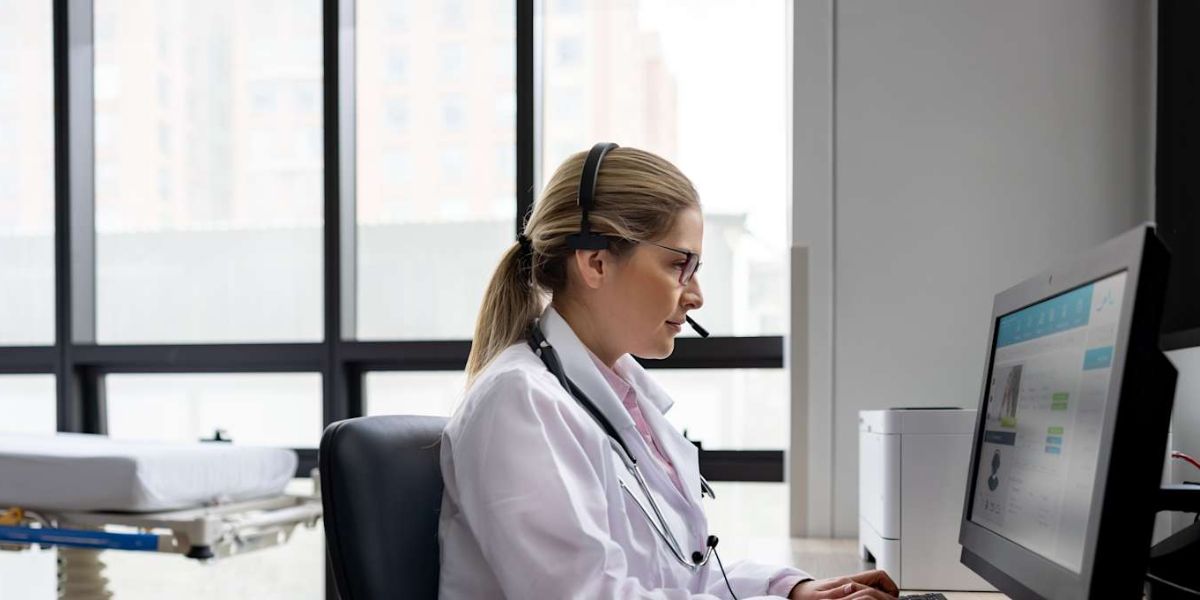
A telehealth nurse is one of the most common careers created by telemedicine. These nurses provide patient care remotely using digital communication tools.
Responsibilities of a Telehealth Nurse
Telehealth nurses:
- Conduct virtual consultations
- Assess patient symptoms
- Provide healthcare advice
- Educate patients about medications and treatment plans
- Monitor recovery progress
They communicate with patients through video calls, messaging platforms, and phone consultations.
Benefits of Telehealth Nursing
Telehealth nursing offers:
- Flexible work schedules
- Reduced physical strain
- Remote work opportunities
- Better work-life balance
This career is growing rapidly as more healthcare organizations adopt virtual healthcare services.
Remote Patient Monitoring Nurse
Remote patient monitoring nurses use digital devices and advanced healthcare technology to monitor patient health from a distance. This modern nursing role has become increasingly important as healthcare systems focus more on telemedicine, chronic disease management, and home-based patient care.
What They Monitor
Remote patient monitoring nurses track important health indicators such as:
- Blood pressure
- Oxygen levels
- Heart rate
- Blood glucose levels
Patients use wearable devices or digital monitoring equipment at home, and the collected health data is sent directly to healthcare teams in real time. Nurses review this information regularly to identify any warning signs or changes in patient conditions.
Importance of Remote Monitoring
Remote patient monitoring helps detect health problems early before they become serious. Early intervention can reduce complications and improve treatment outcomes. This approach also helps lower hospital readmissions by allowing healthcare teams to manage patient conditions more effectively from home.
Remote monitoring is especially useful for patients with chronic illnesses such as diabetes, heart disease, and hypertension. It also provides valuable support for elderly individuals and home-based patients who may have difficulty traveling to healthcare facilities frequently.systems.
Virtual Care Coordinator
Telemedicine has also created the role of virtual care coordinator.
Responsibilities
Virtual care coordinators:
- Schedule telehealth appointments
- Manage patient communication
- Coordinate digital healthcare services
- Organize follow-up care
They help ensure that virtual healthcare services run smoothly and efficiently.
Why This Role Matters
Virtual care coordination improves:
- Patient experience
- Healthcare organization
- Communication between providers and patients
This role combines healthcare knowledge with strong administrative and communication skills.
Telemedicine Triage Nurse
Telemedicine triage nurses play an important role in modern digital healthcare systems by assessing patient conditions remotely and determining the level of care required. Using phone calls, video consultations, and digital healthcare platforms, these nurses help patients receive timely medical guidance without immediately visiting a hospital or clinic.
Main Duties
Telemedicine triage nurses perform several important responsibilities, including:
- Evaluating patient symptoms and medical concerns
- Recommending appropriate care options based on the severity of the condition
- Directing emergency cases to hospitals or urgent care services when immediate treatment is needed
- Providing self-care guidance and health advice for minor conditions when appropriate
These nurses use clinical knowledge, communication skills, and critical thinking to make safe and accurate decisions remotely.
Benefits of Telemedicine Triage
Telemedicine triage offers several important healthcare benefits. It helps reduce overcrowding in emergency rooms by directing non-emergency cases toward more appropriate care options. This improves healthcare efficiency and allows hospitals to focus on critically ill patients.
It also improves patient access to care by providing faster medical guidance, especially for people living in rural or underserved areas. In addition, telemedicine triage helps healthcare systems manage patient flow more efficiently, reducing waiting times and improving overall patient experience in modern healthcare environments.
Nurse Informatics Specialist
Nursing informatics is one of the fastest-growing healthcare specialties connected to telemedicine.
What Is Nursing Informatics?
Nursing informatics combines:
- Nursing knowledge
- Data management
- Healthcare technology
These specialists help improve healthcare systems and digital patient care processes.
Responsibilities
Nurse informatics specialists:
- Manage electronic health records
- Analyze patient data
- Improve digital healthcare systems
- Support healthcare technology implementation
This career is ideal for nurses interested in both healthcare and technology.
Chronic Care Management Nurse
Patients with chronic illnesses often require continuous healthcare monitoring and support.
Conditions Managed
Chronic care management nurses support patients with:
- Diabetes
- Heart disease
- Hypertension
- Respiratory disorders
Role of Telemedicine
Telemedicine allows nurses to:
- Conduct regular virtual check-ins
- Monitor treatment progress
- Educate patients about lifestyle changes
- Prevent complications
This improves long-term patient outcomes while reducing hospital visits.
Mental Health Telemedicine Nurse
Mental healthcare services are increasingly being delivered through telemedicine platforms.
Responsibilities
Mental health telemedicine nurses:
- Conduct virtual counseling sessions
- Support patients with emotional challenges
- Monitor mental health conditions
- Provide mental health education
Importance of Mental Health Telemedicine
Telemedicine improves mental healthcare access for people who may not have nearby mental health facilities or specialists.
Benefits of Telemedicine Nursing Careers
Telemedicine offers several advantages for nursing professionals and is creating new opportunities in modern healthcare systems. As digital healthcare continues to expand, many nurses are choosing telemedicine careers because of the flexibility, career growth, and improved work conditions these roles provide.
Flexible Career Opportunities
Many telemedicine nursing roles allow nurses to work remotely and follow flexible schedules. Nurses can provide healthcare services from home or digital healthcare centers, making it easier to balance personal and professional responsibilities.
Better Work-Life Balance
Working remotely can reduce stress related to long hospital shifts, commuting, and physically demanding work environments. Flexible schedules also allow nurses to manage their time more effectively and maintain better mental and emotional well-being.
Expanded Career Options
Telemedicine creates opportunities in several healthcare sectors, including:
- Digital healthcare companies
- Insurance organizations
- Telehealth platforms
- Remote healthcare services
These growing industries are increasing demand for nurses with telemedicine and digital healthcare skills.
Reduced Physical Demands
Virtual nursing roles often involve less physical strain compared to traditional bedside nursing. Nurses may spend less time lifting patients, standing for long hours, or handling physically exhausting tasks.
As telemedicine continues to grow, nursing professionals can benefit from more diverse career paths, greater flexibility, and improved job satisfaction in the healthcare industry.ditional bedside nursing.
Skills Required for Telemedicine Nursing
Nurses working in telemedicine need a strong combination of clinical knowledge, communication abilities, and digital technology skills. Since telemedicine relies on virtual healthcare delivery, nurses must adapt to new ways of interacting with patients while maintaining high-quality care and professionalism.
Communication Skills
Clear communication is one of the most important skills in telemedicine nursing because patient interactions happen virtually. Nurses must explain medical information clearly, listen carefully to patient concerns, and provide guidance in a calm and supportive manner.
Digital and Technology Skills
Telemedicine nurses must be comfortable using various healthcare technologies, including:
- Telehealth platforms
- Electronic health records
- Video consultation tools
- Digital monitoring devices
Understanding these systems helps nurses provide efficient and accurate virtual care.
Critical Thinking
Remote healthcare often requires nurses to assess symptoms without direct physical examination. Strong critical thinking skills help nurses evaluate patient conditions, identify risks, and make quick clinical decisions.
Time Management
Telemedicine nurses frequently manage multiple virtual appointments and patient cases throughout the day. Good time management helps maintain productivity and ensures patients receive timely care.
Emotional Intelligence
Even in digital healthcare environments, patients still need empathy, reassurance, and emotional support. Nurses must build trust and maintain human connection through compassionate communication and understanding.
Role of Artificial Intelligence in Telemedicine Nursing
Artificial intelligence is making telemedicine more advanced and efficient.
AI Applications in Telemedicine
AI tools can:
- Analyze patient data
- Predict healthcare risks
- Automate scheduling
- Support symptom assessment
How AI Supports Nurses
AI helps reduce administrative workload and improves healthcare efficiency, allowing nurses to focus more on patient care.
Telemedicine in Rural Healthcare
Telemedicine is especially important in rural and underserved areas where healthcare access is limited.
Challenges in Rural Healthcare
Many rural communities face:
- Shortage of healthcare professionals
- Limited hospital access
- Transportation difficulties
How Nurses Help
Telemedicine nurses provide:
- Remote consultations
- Chronic disease support
- Health education
- Follow-up care
This improves healthcare access for underserved populations.
Telemedicine and Elderly Care
The growing elderly population is increasing the demand for remote healthcare services around the world. Many older adults require regular medical attention, chronic disease management, and continuous monitoring, making telemedicine an important solution in modern healthcare.
Benefits for Elderly Patients
Telemedicine helps elderly individuals:
- Receive healthcare services from the comfort of their homes
- Manage chronic illnesses more effectively
- Reduce unnecessary hospital visits and travel
- Access healthcare more conveniently and quickly
For many seniors, traveling to hospitals or clinics can be physically difficult and stressful. Telemedicine makes healthcare more accessible while improving comfort and safety.
Role of Nurses
Nurses play a major role in telemedicine-based elderly care. They provide regular monitoring of patient conditions, medication management, virtual consultations, and health education. Nurses also help elderly patients understand treatment plans, monitor symptoms, and identify health concerns early before complications develop.ation guidance, and health support through virtual healthcare systems.
Challenges in Telemedicine Nursing
Although telemedicine offers many opportunities and benefits, it also presents several challenges for nurses and healthcare organizations. As virtual healthcare services continue to grow, nurses must learn how to manage these difficulties while still providing safe and effective patient care.
Technology Problems
One of the most common challenges in telemedicine nursing is technology-related issues. Poor internet connections, software errors, or technical failures can interrupt virtual consultations and delay patient care. Nurses must often troubleshoot basic technical problems while maintaining professional communication with patients.
Limited Physical Examinations
Remote healthcare can make detailed physical assessments more difficult. Unlike in-person care, nurses may not be able to physically examine patients, which can sometimes limit accurate assessment and diagnosis. Nurses must rely heavily on patient communication, observation, and digital monitoring tools.
Data Privacy Concerns
Protecting patient information is extremely important in digital healthcare systems. Telemedicine nurses must follow strict privacy and cybersecurity guidelines to keep medical records and personal information secure from unauthorized access or data breaches.
Patient Technology Barriers
Some patients, especially elderly individuals or those unfamiliar with technology, may struggle to use telemedicine platforms or digital devices. Nurses often need to guide patients through virtual healthcare systems and help them feel comfortable using digital tools.
Future of Telemedicine Nursing Careers
The future of telemedicine nursing careers is highly promising as healthcare systems continue to adopt digital healthcare technologies and remote patient care services. Telemedicine is no longer a temporary healthcare solution. It is becoming a permanent and essential part of modern healthcare systems worldwide.
Expansion of Digital Healthcare
Healthcare organizations, hospitals, and telehealth companies are investing heavily in digital healthcare services. Virtual consultations, remote patient monitoring, and online healthcare platforms are becoming more common, increasing the demand for skilled telemedicine nurses.
Increased Demand for Specialized Nurses
Several telemedicine-related nursing specialties are expected to grow rapidly, including:
- Telehealth nursing
- Informatics nursing
- Remote monitoring nursing
These specialized roles combine healthcare expertise with digital technology skills and offer strong long-term career opportunities.
Integration With Advanced Technology
Advanced technologies such as artificial intelligence (AI), wearable healthcare devices, smart monitoring systems, and digital health applications are transforming remote patient care. Nurses will increasingly work with these technologies to monitor patient conditions, analyze healthcare data, and improve treatment outcomes.althcare devices, and smart monitoring systems will further expand telemedicine nursing roles.
Educational Requirements for Telemedicine Nursing
Most telemedicine nursing careers require:
- Nursing degree or diploma
- Registered nursing license
- Clinical experience
Additional certifications in telehealth or healthcare technology can improve career opportunities.
Salary and Career Opportunities
Telemedicine nursing salaries vary based on experience, specialization, qualifications, and location. As digital healthcare continues to expand, telemedicine professionals are becoming increasingly valuable in healthcare systems around the world. This growing demand is creating strong career opportunities and competitive salaries for nurses with telehealth and digital healthcare skills.
In India
Telemedicine nursing is growing rapidly in India, especially in private healthcare organizations and digital health platforms. Entry-level telehealth nurses can earn between ₹25,000 and ₹40,000 per month depending on their role and employer. Experienced telemedicine nurses, particularly those specializing in remote monitoring, healthcare coordination, or informatics, can earn between ₹50,000 and ₹1,00,000+ per month.
International Salaries
Telemedicine nursing also offers strong international career opportunities:
- USA: $65,000 to $100,000 annually
- UK: £30,000 to £50,000 annually
- Canada: CAD 60,000 to CAD 90,000 annually
Salaries may increase further with advanced certifications, specialized skills, and leadership experience.
Growing Demand Worldwide
The demand for telemedicine professionals continues to rise globally as healthcare systems invest more in remote care services, digital health platforms, and virtual patient management. Nurses with strong technology and communication skills are expected to have excellent long-term career opportunities in this rapidly growing field.
Human Connection in Telemedicine Nursing
Even though telemedicine uses digital technology, human connection remains essential in nursing care. Patients still need emotional support, compassion, reassurance, and clear communication during treatment. Nurses play an important role in building trust and making patients feel comfortable in virtual healthcare settings. Through kind communication and active listening, nurses help reduce fear and anxiety while guiding patients through their healthcare journey. Technology can improve healthcare access and efficiency, but it cannot replace empathy and personal care. Human interaction remains one of the most valuable parts of telemedicine nursing and modern patient-centered healthcare.
Must Read:
- Future of Nursing: Innovation, AI & Patient Care Trends
- Top Clinical Skills Every New Nurse Must Master in 2026
- How Nurses Can Manage Stress & Anxiety in High-Pressure Jobs
Final Thoughts:
How Telemedicine Is Creating New Nursing Careers highlights one of the most important transformations in modern healthcare. Telemedicine is expanding nursing opportunities beyond traditional hospital settings and creating flexible, technology-driven career paths.
From telehealth nursing to remote patient monitoring and healthcare informatics, nurses now have more career choices than ever before. As healthcare technology continues to evolve, nurses who develop digital skills, communication abilities, and adaptability will be well-positioned for long-term success.
While telemedicine is changing how healthcare is delivered, the core purpose of nursing remains the same: providing compassionate, patient-centered care that improves lives and supports healthier communities.