

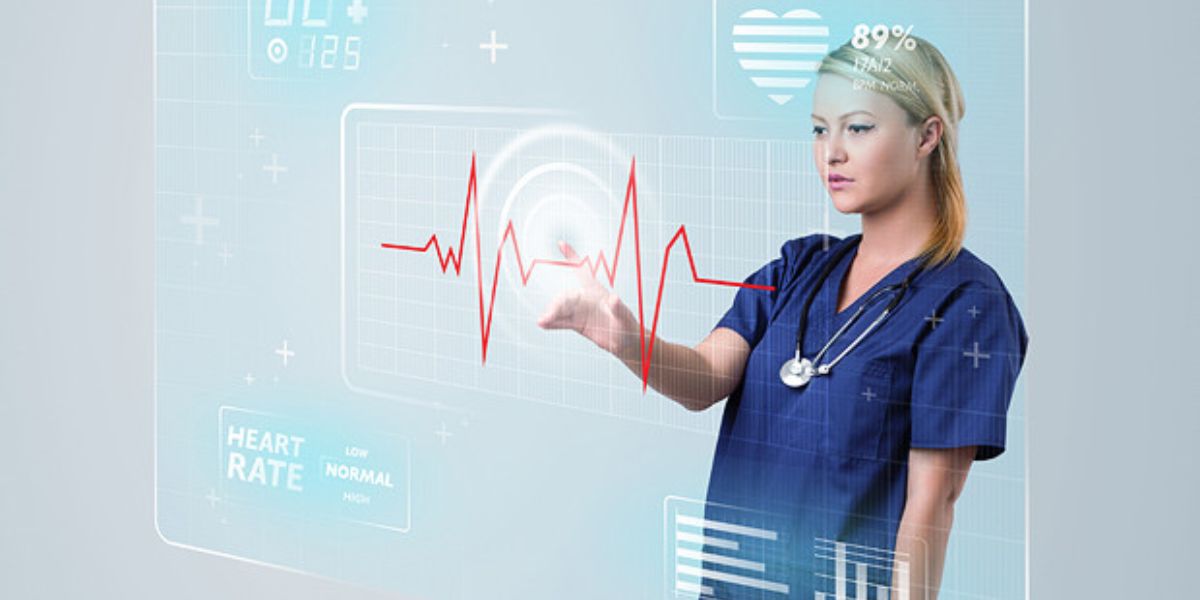
The future of nursing is evolving rapidly as healthcare systems embrace innovation, artificial intelligence, and advanced patient care technologies. In 2026 and beyond, nurses will play a more advanced and technology-driven role while continuing to provide compassionate and patient-centered care. Modern healthcare is becoming smarter, faster, and more connected, creating new opportunities and challenges for nursing professionals.
Technology is transforming almost every aspect of healthcare, from patient monitoring and diagnosis to treatment planning and communication. Artificial intelligence, telehealth, robotics, and digital healthcare systems are changing how nurses work and how patients receive care. At the same time, the demand for personalized, preventive, and community-based healthcare is increasing.
The future of nursing will not replace nurses with machines. Instead, innovation will support nurses by improving efficiency, reducing workload, and enhancing patient outcomes. Nurses who adapt to these changes and continue learning will be better prepared for long-term career success.
In This Article
How Nursing Is Changing in 2026
Nursing today is very different from what it was a decade ago. Healthcare systems are moving away from traditional care models and focusing more on technology, prevention, and patient engagement.
Modern nurses are expected to:
- Use digital healthcare systems
- Analyze patient data
- Work with AI-powered tools
- Provide remote care
- Support preventive healthcare programs
The role of nurses is expanding beyond bedside care into leadership, technology management, patient education, and healthcare coordination.
Growing Role of Technology in Nursing
Technology is becoming a central part of nursing practice. Digital systems improve communication, reduce paperwork, and increase patient safety.
Electronic Health Records (EHR)
Electronic health records allow nurses to store and access patient information quickly and accurately. Nurses can review medical histories, update treatment plans, and communicate with healthcare teams more efficiently.
Benefits include:
- Faster access to patient data
- Reduced documentation errors
- Better coordination between departments
Smart Patient Monitoring Systems
Advanced monitoring devices help nurses track patient conditions in real time. Wearable devices and wireless systems can monitor:
- Heart rate
- Oxygen levels
- Blood pressure
- Glucose levels
These systems alert nurses to changes in patient conditions before emergencies occur.
Mobile Healthcare Technology
Mobile healthcare apps and digital tools help nurses manage schedules, medications, communication, and patient education more effectively.
Artificial Intelligence in Nursing
Artificial intelligence is one of the most important innovations shaping the future of nursing. AI systems analyze large amounts of healthcare data to support clinical decision-making and improve efficiency.
AI-Powered Clinical Support
AI tools help nurses identify patient risks, predict complications, and recommend interventions based on patient data.
For example, AI can:
- Detect early signs of infection
- Predict patient deterioration
- Identify medication risks
This helps nurses provide faster and more accurate care.
AI in Documentation
Documentation takes a large amount of nursing time. AI-powered systems can automate charting and data entry, reducing administrative workload and allowing nurses to focus more on patient care.
Virtual Nursing Assistants
Healthcare organizations are beginning to use AI-based assistants to:
- Answer patient questions
- Provide appointment reminders
- Support medication management
These tools improve communication and patient engagement.
Telehealth and Remote Patient Care
Telehealth has become one of the fastest-growing areas in healthcare. Nurses are now providing care through digital platforms, making healthcare more accessible to patients in remote or underserved areas.
Benefits of Telehealth
- Faster access to healthcare services
- Reduced travel for patients
- Better chronic disease management
- Lower healthcare costs
Nursing Responsibilities in Telehealth
Telehealth nurses:
- Conduct virtual consultations
- Monitor patients remotely
- Educate patients online
- Manage follow-up care
Strong communication and digital skills are essential for telehealth nursing.
Robotics in Nursing
Robotics is becoming increasingly common in modern healthcare facilities and is playing a growing role in nursing support. While robots are not designed to replace nurses, they can assist with repetitive, time-consuming, and physically demanding tasks, allowing healthcare professionals to focus more on direct patient care.
One major use of robotics in nursing is delivering medications and medical supplies throughout hospitals. Automated robotic systems can transport items quickly and accurately, reducing delays and improving workflow efficiency. Robots are also being used to assist with patient lifting and movement, which helps reduce the physical strain and risk of injury for nurses. In addition, robotic systems can transport equipment and perform routine logistical tasks, saving time and improving overall hospital operations.
Surgical Robotics
Surgical robotics is another important advancement in healthcare technology. In operating rooms, nurses may assist with robotic-assisted procedures that allow surgeons to perform highly precise operations. These systems improve accuracy, reduce recovery time, and support minimally invasive surgeries.
As robotic technology becomes more advanced, nurses working in surgical and specialized settings will require additional technical knowledge and training. Understanding how to operate, monitor, and assist with robotic systems will become an increasingly valuable skill in future nursing careers.
Personalized and Patient-Centered Care
Healthcare is becoming more personalized, with treatment plans tailored to individual patient needs.
Holistic Care Approach
Modern nursing focuses on:
- Physical health
- Mental well-being
- Emotional support
- Lifestyle factors
Nurses are expected to understand the complete needs of patients rather than just treating symptoms.
Increased Patient Involvement
Patients today are more informed and involved in healthcare decisions. Nurses play a key role in:
- Educating patients
- Explaining treatment options
- Supporting informed choices
Preventive Healthcare Trends
Healthcare systems are placing greater emphasis on prevention instead of treatment.
Role of Nurses in Prevention
Nurses help prevent disease by:
- Promoting healthy lifestyles
- Conducting health screenings
- Providing vaccinations
- Educating communities
Preventive care reduces healthcare costs and improves public health outcomes.
Community and Home-Based Care
More healthcare services are moving outside hospitals into homes and communities. Nurses are increasingly providing:
- Home healthcare
- Chronic disease management
- Community health education
This trend improves healthcare access and patient comfort.
Data-Driven Healthcare
Healthcare organizations now rely heavily on data to improve patient care, increase efficiency, and enhance overall healthcare system performance. In modern healthcare environments, nurses play an important role in collecting, analyzing, and using patient data to support better clinical decisions and treatment outcomes.
Nursing Informatics
Nursing informatics is a specialized field that combines nursing knowledge with technology, information systems, and data analysis. It helps nurses manage healthcare information more effectively and improve patient care through accurate digital documentation and data-driven decision-making.
Nurses use healthcare data to:
- Track patient outcomes and recovery progress
- Identify healthcare trends and common health risks
- Improve treatment plans based on patient needs and clinical evidence
Electronic health records, monitoring systems, and healthcare software allow nurses to access real-time patient information quickly and accurately.
Benefits of Data-Driven Care
Data-driven healthcare improves decision-making by providing accurate and timely patient information. It also enhances patient safety by reducing medical errors and improving communication between healthcare teams. In addition, healthcare systems become more efficient because data helps identify areas for improvement, streamline processes, and support better resource management.
Mental Health and Emotional Support
Mental health awareness is increasing globally, creating a growing need for nurses trained in emotional and psychological support.
Mental Health Nursing
Nurses are increasingly involved in:
- Stress management
- Counseling support
- Mental health education
Emotional Intelligence
Despite technological advancements, emotional intelligence remains one of the most valuable nursing skills. Patients still need empathy, compassion, and human connection.
Specialized Nursing Careers in the Future
Healthcare advancements and changing patient needs are creating new opportunities for specialized nursing careers. As technology and healthcare systems continue to evolve, nurses can choose from a wide range of specialties that focus on specific patient populations, healthcare technologies, and treatment areas.
Telehealth Nursing
Telehealth nursing is becoming increasingly important as remote healthcare services expand. Telehealth nurses provide virtual consultations, monitor patients remotely, offer health education, and support chronic disease management through digital platforms. This specialty improves healthcare access, especially in rural and underserved areas.
Informatics Nursing
Informatics nursing combines healthcare knowledge with technology and data management. Nurses in this field manage electronic health records, analyze healthcare data, and support digital healthcare systems. They help improve efficiency, patient safety, and communication within healthcare organizations.
Geriatric Nursing
The global aging population is increasing the demand for geriatric nurses. These nurses specialize in caring for elderly patients, managing age-related conditions, supporting long-term care, and improving quality of life for older adults.
Critical Care Nursing
Critical care nurses work with patients who have severe or life-threatening conditions. They provide advanced monitoring, emergency care, and intensive treatment in settings such as intensive care units (ICUs) and emergency departments.
Community Health Nursing
Community health nurses focus on disease prevention, health education, and public health programs. They work closely with communities to improve healthcare access and promote healthier lifestyles.
Importance of Continuous Learning
Healthcare changes constantly, making lifelong learning essential for nurses.
Nurses should:
- Attend workshops and certifications
- Learn new technologies
- Stay updated with medical research
- Improve leadership and communication skills
Continuous education helps nurses remain competitive and effective in modern healthcare environments.
Challenges in the Future of Nursing
Although innovation and advanced healthcare technologies offer many benefits, they also create new challenges for nursing professionals. As healthcare systems continue to evolve, nurses must adapt to changing expectations while maintaining high-quality patient care.
Technology Adaptation
Rapid advancements in healthcare technology mean nurses must continuously learn new digital systems, software, and medical devices. Some professionals may find it challenging to adapt quickly to electronic health records, AI-powered tools, and advanced monitoring systems. Continuous training and education will be essential for staying updated.
Increased Workload Expectations
Modern healthcare environments may require nurses to manage both clinical duties and technological responsibilities at the same time. Along with direct patient care, nurses may also need to handle digital documentation, data analysis, and telehealth communication, increasing overall workload and pressure.
Data Privacy and Security
As healthcare systems rely more on digital data, protecting patient information becomes increasingly important. Nurses must follow strict privacy and cybersecurity guidelines to prevent data breaches and maintain patient trust.
Emotional Burnout
Despite technological support, nursing will remain emotionally demanding. Caring for critically ill patients, handling emergencies, and managing stressful situations can still lead to emotional exhaustion and burnout if proper support systems are not available.
Benefits of Innovation in Nursing
Healthcare innovation is transforming modern nursing by improving efficiency, patient care, and overall healthcare system performance. Advanced technologies, digital tools, and automated systems are helping nurses perform their duties more effectively while enhancing patient outcomes. These innovations provide long-term benefits for both healthcare professionals and patients.
Improved Patient Safety
Technology helps reduce medical errors and improves patient monitoring systems. Digital records, smart monitoring devices, and AI-powered alerts allow nurses to identify health risks quickly and respond faster to emergencies. This leads to safer and more accurate patient care.
Better Efficiency
Automation and digital healthcare systems reduce paperwork and save valuable time. Nurses can complete documentation more efficiently, access patient information instantly, and focus more on direct patient care instead of administrative tasks.
Enhanced Communication
Digital tools improve communication and coordination between healthcare teams. Electronic health records and instant communication systems help nurses, doctors, and specialists share information quickly, reducing misunderstandings and improving treatment planning.
Expanded Career Opportunities
Nurses with technology skills and specialized training will have greater career opportunities worldwide. Fields such as telehealth nursing, informatics nursing, and digital healthcare management are growing rapidly, creating new professional pathways.
Skills Future Nurses Will Need
To succeed in future healthcare environments, nurses will need a combination of clinical and digital skills.
Important future skills include:
- Technology literacy
- Critical thinking
- Communication
- Leadership
- Adaptability
- Emotional intelligence
These skills will help nurses manage modern healthcare challenges effectively.
Preparing for the Future of Nursing
The future of nursing is changing rapidly with advancements in healthcare technology, artificial intelligence, and patient care systems. To succeed in modern healthcare environments, nurses must be prepared to adapt, learn new skills, and stay updated with industry trends. Continuous learning and professional growth will become essential parts of every nursing career.
Nurses can prepare for future healthcare trends by learning how to use healthcare technology effectively. This includes electronic health records, digital monitoring devices, telehealth systems, and AI-powered healthcare tools. Understanding these technologies helps improve efficiency and patient care quality.
Improving digital communication skills is also important. As virtual healthcare and remote consultations become more common, nurses must communicate clearly and professionally through digital platforms. Staying informed about AI, robotics, and healthcare innovation will help nurses understand how these advancements impact patient care and workplace responsibilities.e essential for long-term success.
Role of Human Connection in Future Nursing
Even with the rapid growth of artificial intelligence, robotics, and advanced healthcare technology, human connection will remain at the heart of nursing. Technology can improve efficiency, support decision-making, and enhance patient monitoring, but it cannot replace the emotional care and personal interaction that nurses provide every day.
Patients still need emotional support during illness, recovery, and stressful medical situations. Nurses help patients feel understood, valued, and less anxious through compassionate communication and caring behavior. Compassion is especially important when patients are facing pain, fear, or uncertainty about their health.
Reassurance is another key part of nursing care. A calm and supportive nurse can help patients feel safer and more confident during treatment. Personal connection also builds trust, improves communication, and encourages patients to participate actively in their care.
Future of AI and Ethics in Nursing
As artificial intelligence becomes more integrated into healthcare systems, ethical concerns in nursing will continue to grow. AI can improve efficiency, support clinical decisions, and enhance patient monitoring, but it also raises important questions about privacy, fairness, and responsible technology use. Nurses will play a key role in ensuring that healthcare technology is used ethically and safely.
One major responsibility is ensuring the responsible use of technology. Nurses must understand how AI tools work and use them appropriately to support patient care rather than relying on them completely for decision-making. Human judgment and professional ethics must always remain central in healthcare.
Protecting patient privacy is another critical concern. As healthcare systems store more digital data, nurses must follow strict confidentiality and cybersecurity practices to keep patient information secure and prevent unauthorized access.nursing practice.
Must Read:
- Top Clinical Skills Every New Nurse Must Master in 2026
- How Nurses Can Manage Stress & Anxiety in High-Pressure Jobs
- Nursing Code of Ethics 2026: What Every Nurse Must Know
Final Thoughts:
The future of nursing is being shaped by innovation, artificial intelligence, and changing patient care trends. Technology will continue to improve healthcare efficiency, patient monitoring, and treatment accuracy, while nurses will remain essential providers of compassionate and personalized care.
Modern nurses must combine clinical expertise with digital knowledge, adaptability, and emotional intelligence. Those who embrace innovation and continue learning will have stronger career opportunities and play a major role in improving global healthcare systems.
While healthcare technology will continue to evolve, the core mission of nursing will remain the same: providing safe, ethical, and patient-centered care that improves lives and supports healthier communities.