

The healthcare industry is evolving faster than ever, and the expectations placed on nurses continue to grow. In 2026, nursing is no longer limited to bedside care alone. Nurses are expected to combine clinical expertise, communication abilities, critical thinking, and technology skills to provide safe and effective patient care.
For new nurses entering the profession, mastering essential clinical skills is the key to building confidence, improving patient outcomes, and succeeding in a demanding healthcare environment. These skills form the foundation of professional nursing practice and are required in hospitals, clinics, community settings, and specialized healthcare facilities.
This complete guide explains the top clinical skills every new nurse must master in 2026, why these skills matter, and how they shape a successful nursing career.
In This Article
What Are Clinical Skills in Nursing?
Clinical skills are the practical and technical abilities nurses use to assess, treat, monitor, and support patients. These skills combine hands-on procedures with communication, decision-making, and patient-centered care.
Clinical skills include:
- Patient assessment
- Medication administration
- Infection control
- Emergency response
- Communication and teamwork
In modern healthcare, clinical skills also involve digital literacy, documentation, and the ability to adapt to changing technologies.
Why Clinical Skills Matter More Than Ever in 2026
Healthcare environments are becoming more advanced and fast-paced. Nurses are now responsible for handling complex patient conditions, using digital healthcare systems, and making quick decisions under pressure.
Strong clinical skills help nurses:
- Improve patient safety
- Reduce medical errors
- Increase confidence and efficiency
- Enhance communication with healthcare teams
- Deliver high-quality patient care
Without strong clinical skills, even experienced nurses may struggle in high-pressure situations.
Patient Assessment Skills
Patient assessment is one of the most important nursing skills. It forms the basis for all patient care decisions.
Nurses must know how to:
- Check vital signs
- Observe physical symptoms
- Assess pain levels
- Monitor mental and emotional conditions
- Identify changes in patient health
A proper assessment allows nurses to detect problems early and provide timely care.
Importance of Assessment Skills
Good assessment skills improve diagnosis, reduce complications, and help healthcare teams respond quickly to emergencies.
Safe Medication Administration
Medication administration is one of the most important responsibilities in nursing. Accuracy and attention to detail are essential because even small mistakes can lead to serious health complications for patients. New nurses must develop a strong understanding of medication safety to ensure effective and error-free care.
Nurses should know how to perform correct dosage calculations and understand the different routes of medication administration, such as oral, intravenous, intramuscular, and subcutaneous methods. They must also be aware of drug interactions, allergies, and possible side effects to prevent harmful reactions. Proper storage, labeling, and handling procedures are equally important for maintaining medication safety.
Following the “five rights” of medication administration is a key safety practice:
- Right patient
- Right medication
- Right dose
- Right route
- Right time
These principles help reduce the risk of medication errors and ensure that patients receive the correct treatment safely.
Why This Skill Matters
Safe medication administration protects patients from harmful mistakes, improves treatment effectiveness, and increases trust in healthcare professionals. It also helps nurses maintain professional standards and avoid legal or ethical issues. Strong medication administration skills are essential for delivering safe, high-quality patient care in every healthcare setting.s and improves treatment outcomes.
Infection Control and Prevention
Infection control is a fundamental nursing responsibility, especially after the global focus on healthcare safety in recent years.
Nurses must practice:
- Proper hand hygiene
- Sterile techniques
- Use of personal protective equipment (PPE)
- Safe waste disposal
Benefits of Strong Infection Control Skills
- Reduces hospital-acquired infections
- Protects healthcare workers
- Improves patient recovery
Maintaining cleanliness and following protocols are essential in every healthcare setting.
Communication Skills
Communication is one of the most valuable clinical skills in nursing. Nurses interact with patients, families, doctors, and healthcare teams every day, making clear and effective communication essential for safe and high-quality care. Good communication helps build trust, reduce confusion, and ensure that important information is shared accurately.
Effective communication involves active listening, where nurses pay close attention to patient concerns, symptoms, and feedback. Clear explanations are also important, especially when discussing treatments, medications, or procedures. Patients should be able to understand information easily without feeling confused or overwhelmed.
Empathy and respect play a major role in communication. Nurses must speak kindly, remain patient, and show understanding toward individuals from different backgrounds and emotional situations. Accurate reporting is equally important because healthcare teams rely on correct information to make decisions and provide proper treatment.
Importance of Communication
Strong communication reduces misunderstandings and medical errors, improving patient safety and overall care quality. It also supports teamwork by helping healthcare professionals coordinate more effectively. In addition, patients feel more comfortable, respected, and satisfied when nurses communicate clearly and compassionately. Effective communication ultimately creates a safer, more supportive, and more efficient healthcare environment.
Critical Thinking and Clinical Judgment
Nurses often work in unpredictable situations where quick decisions are necessary.
Critical thinking helps nurses:
- Analyze patient information
- Prioritize tasks
- Identify risks
- Make informed decisions
Why Critical Thinking Matters
Patients’ conditions can change rapidly. Nurses must respond quickly and appropriately to ensure safety.
IV Therapy and Fluid Management
Intravenous (IV) therapy is a common nursing procedure used for medications, fluids, and nutrition.
Nurses must learn:
- IV insertion techniques
- Monitoring IV flow rates
- Identifying complications
- Managing fluid balance
Importance of IV Skills
Accurate IV management prevents infections and medication errors.
Emergency Response Skills
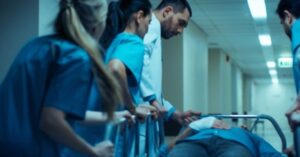
Emergencies can happen at any time in healthcare settings, and nurses are often the first professionals to respond. In these critical moments, nurses must remain calm, think quickly, and take immediate action to protect patient safety. Strong emergency response skills are essential for handling life-threatening situations effectively.
Important emergency skills include CPR (Cardiopulmonary Resuscitation), which helps restore breathing and circulation during cardiac emergencies. Nurses must also understand basic life support (BLS) techniques to provide immediate care until advanced medical help arrives. Handling trauma situations, such as accidents or severe injuries, requires quick assessment and rapid intervention. Responding to cardiac arrest is another critical responsibility where every second matters.
Nurses must also know how to use emergency equipment, communicate effectively with healthcare teams, and follow emergency protocols accurately. Confidence and preparation are key to performing well in high-pressure situations.
Why Emergency Skills Matter
Strong emergency response skills can save lives and prevent serious complications. Quick and effective action improves patient survival rates, reduces long-term health damage, and ensures timely treatment during critical situations. These skills also help nurses remain confident and prepared in fast-paced healthcare environments, making them an essential part of modern nursing practice.ous complications.
Wound Care Management
Wound care is another essential clinical skill.
Nurses should know how to:
- Clean wounds properly
- Apply dressings
- Monitor healing
- Identify signs of infection
Benefits of Effective Wound Care
Proper wound management speeds up recovery and reduces complications.
Documentation and Record Keeping
Accurate documentation is essential for patient safety and legal protection.
Nurses must:
- Record patient information correctly
- Update treatment records
- Use electronic health records (EHR) effectively
Importance of Documentation
Good documentation improves communication between healthcare providers and ensures continuity of care.
Technology and Digital Skills
Healthcare technology is advancing rapidly in 2026, making digital skills an essential part of modern nursing practice. Nurses are expected to use a wide range of healthcare technologies to improve patient care, increase efficiency, and reduce errors. Being comfortable with digital systems helps nurses adapt to the evolving healthcare environment and perform their duties more effectively.
Nurses must know how to use electronic health records (EHR) to document patient information accurately and access medical histories quickly. Digital monitoring devices are also widely used to track vital signs and patient conditions in real time. In addition, telehealth systems allow nurses to provide remote care and communicate with patients virtually, especially in underserved or rural areas. Medication management software is another important tool that helps ensure accurate medication administration and reduces the risk of errors.
Why Digital Skills Matter
Strong digital skills improve efficiency by saving time and streamlining healthcare processes. They also increase accuracy in documentation, monitoring, and medication management, reducing the chances of mistakes. Most importantly, technology enhances the quality of patient care by allowing faster communication, better coordination, and improved access to healthcare services. Nurses with strong digital skills are better prepared for the future of healthcare and can deliver safer, more effective care.uality.
Pain Management Skills
Pain management is a major part of patient care.
Nurses should:
- Assess pain accurately
- Administer pain relief safely
- Monitor patient response
Importance of Pain Management
Effective pain control improves comfort and recovery.
Patient Care and Hygiene Assistance
Basic patient care remains one of the most important responsibilities in nursing. While advanced clinical procedures are essential, everyday patient support plays a major role in recovery, comfort, and overall well-being. Nurses are often directly involved in helping patients with daily activities, especially those who are elderly, injured, or unable to care for themselves independently.
Patient care and hygiene assistance include helping with personal hygiene such as bathing, grooming, and oral care. Nurses also assist patients with mobility, including walking, repositioning, and transferring safely from beds or wheelchairs. Feeding support is another important responsibility, ensuring that patients receive proper nutrition and hydration. In addition, nurses focus on maintaining patient comfort by keeping the environment clean, addressing pain or discomfort, and responding to patient needs promptly.
Why This Skill Is Important
These tasks are essential because they improve patient dignity, comfort, and quality of life. Proper hygiene helps prevent infections and promotes faster recovery, while mobility support reduces the risk of complications such as pressure sores or muscle weakness. Compassionate patient care also builds trust and emotional comfort, helping patients feel respected, safe, and supported throughout their treatment journey.
Time Management and Organization
Nurses often manage multiple patients and responsibilities simultaneously.
Good time management involves:
- Prioritizing tasks
- Staying organized
- Avoiding unnecessary delays
Benefits of Time Management
Efficient time management reduces stress and improves productivity.
ollaboration are essential for providing safe, efficient, and high-quality patient care. Nurses must communicate clearly, share information accurately, and work respectfully with all members of the healthcare team.
Strong teamwork helps improve patient outcomes by ensuring that care is well-coordinated and timely. When healthcare professionals collaborate effectively, the risk of misunderstandings and medical errors is reduced. A supportive team environment also creates better workplace relationships, reduces stress, and improves overall job satisfaction for healthcare workers.
Team Members Nurses Work With
Nurses regularly collaborate with:
- Doctors for diagnosis and treatment planning
- Therapists for rehabilitation and recovery support
- Pharmacists for medication management and safety
- Support staff for patient assistance and daily operations
Each team member contributes unique expertise, and nurses often act as a bridge between patients and the healthcare team. By working together professionally and respectfully, healthcare teams can deliver more effective, patient-centered care while maintaining a positive and productive work environment.
Emotional Intelligence and Empathy
Nursing is not just about technical skills. Emotional intelligence is equally important.
Nurses should:
- Understand patient emotions
- Show empathy
- Provide emotional support
Importance of Emotional Intelligence
Patients feel more comfortable and supported when nurses show compassion.
Adaptability and Flexibility
Healthcare environments change quickly, and nurses must be able to adjust to new situations effectively. Adaptability and flexibility are essential clinical skills that help nurses respond confidently to unexpected challenges and changing patient needs.
Nurses often need to adapt to new technologies such as electronic health records, digital monitoring systems, and advanced medical equipment. As healthcare continues to evolve, learning and using these tools efficiently becomes an important part of daily practice.
Changing schedules are another common challenge in nursing. Nurses may work night shifts, overtime, or rotating schedules depending on staffing needs and emergencies. Being flexible helps them maintain professionalism and continue providing quality care under different conditions.
Emergency situations also require strong adaptability. Patient conditions can change suddenly, and nurses must respond quickly while remaining calm and focused. The ability to think clearly and adjust priorities in high-pressure moments is critical for patient safety.
Why Adaptability Matters
Adaptable and flexible nurses can handle challenges more effectively and perform well in fast-paced healthcare environments. These qualities improve problem-solving, reduce stress, and support better teamwork. Nurses who adapt easily are also more prepared for career growth and changes in modern healthcare systems.ctively.
Ethical and Legal Awareness
Nurses must follow ethical and legal standards in every situation.
This includes:
- Maintaining confidentiality
- Respecting patient rights
- Obtaining informed consent
Importance of Ethical Practice
Ethical nursing builds trust and ensures patient safety.
Stress Management Skills
Nursing can be physically and emotionally demanding.
Nurses should learn how to:
- Manage stress effectively
- Maintain work-life balance
- Seek support when needed
Why Stress Management Matters
Healthy nurses provide better care and avoid burnout.
How New Nurses Can Improve Clinical Skills
Developing strong clinical skills takes time, practice, and continuous learning. New nurses may feel overwhelmed at the beginning of their careers, but consistent effort and the right approach can help build confidence and competence over time.
Practice Regularly
Hands-on practice is one of the best ways to improve clinical skills. Performing procedures regularly helps nurses become more accurate, confident, and efficient in patient care. Repetition also reduces fear and hesitation during real clinical situations.
Learn From Experienced Nurses
Observing and working alongside experienced nurses provides valuable practical knowledge. Senior nurses can share techniques, tips, and real-world experiences that are not always learned in textbooks. Asking questions and seeking guidance helps new nurses grow professionally.
Attend Workshops and Training
Continuous learning is essential in healthcare. Workshops, seminars, and training programs help nurses stay updated with the latest procedures, technologies, and best practices. These opportunities also improve specialized skills and professional confidence.
Use Simulation Labs
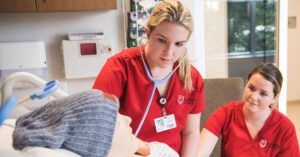
Simulation labs provide a safe environment for practicing clinical procedures and emergency response skills. Simulated scenarios help nurses improve decision-making, communication, and problem-solving without risking patient safety.
Stay Updated With Healthcare Trends
Healthcare is constantly evolving with new technologies, treatments, and guidelines. Nurses should stay informed through courses, medical journals, and professional education programs. Ongoing learning ensures that clinical skills remain current and effective.
Common Mistakes New Nurses Should Avoid
New nurses often face challenges while adjusting to the profession.
Common mistakes include:
- Poor communication
- Incomplete documentation
- Ignoring early symptoms
- Medication errors
- Hesitating to ask questions
Learning from mistakes is part of professional growth.
Future Trends in Clinical Nursing Skills
The future of nursing will continue to evolve as healthcare technology advances and patient needs become more complex. Nurses in 2026 and beyond will require a broader range of clinical, digital, and communication skills to meet the changing demands of modern healthcare systems.
Increased Use of Technology
Technology is becoming a major part of nursing practice. AI tools, electronic health records, smart monitoring devices, and digital healthcare systems are becoming more common in hospitals and clinics. Nurses must learn how to use these technologies efficiently to improve accuracy, patient monitoring, and overall care delivery.
Growth of Telehealth
Telehealth and remote patient care are expanding rapidly. Nurses are increasingly providing virtual consultations, monitoring patients remotely, and supporting healthcare access through digital platforms. This trend requires strong communication skills and confidence in using telehealth systems.
Greater Focus on Preventive Care
Healthcare is shifting from treatment to prevention. Nurses will play a larger role in health education, lifestyle counseling, disease prevention, and community awareness programs. Preventive care helps reduce long-term health problems and improves public health outcomes.
Advanced Specialization
More nurses are choosing specialized career paths in areas such as critical care, mental health, oncology, pediatrics, and community nursing. Advanced specialization allows nurses to develop deeper expertise and take on more complex healthcare responsibilities.
Benefits of Mastering Clinical Skills
Strong clinical skills provide many long-term benefits for nurses and significantly improve the quality of patient care. Mastering these skills helps nurses perform their duties more effectively, build professional confidence, and advance in their careers.
Better Career Opportunities
Skilled nurses are in high demand worldwide. Healthcare organizations prefer professionals who can handle patient care confidently and efficiently. Strong clinical abilities increase job opportunities in hospitals, clinics, community healthcare, and specialized medical fields.
Increased Confidence
Clinical competence helps nurses feel more confident in their daily responsibilities. Confidence improves communication with patients and healthcare teams, supports faster decision-making, and reduces hesitation during critical situations.
Improved Patient Outcomes
Accurate assessments, safe procedures, and effective care directly improve patient recovery and safety. Nurses with strong clinical skills can identify problems early, respond quickly, and provide higher-quality treatment, leading to better health outcomes.
Professional Growth
Mastering clinical skills opens doors to advanced roles and leadership opportunities. Nurses can move into specialized areas such as critical care, emergency nursing, mental health, or management positions. Continuous skill development also supports long-term career growth and professional success.
Must Read:
- How Nurses Can Manage Stress & Anxiety in High-Pressure Jobs
- Nursing Code of Ethics 2026: What Every Nurse Must Know
- Role of Nurses in Public Health: Why It Matters More Than Ever
Final Thoughts:
Clinical skills are the foundation of successful nursing practice. In 2026, nurses must combine technical knowledge, communication abilities, critical thinking, and emotional intelligence to meet the demands of modern healthcare.
Mastering these skills takes dedication, practice, and continuous learning. However, the effort is worth it because skilled nurses not only improve patient outcomes but also build strong, rewarding careers.
For every new nurse, developing these essential clinical skills is the first step toward becoming a confident, compassionate, and highly effective healthcare professional.