

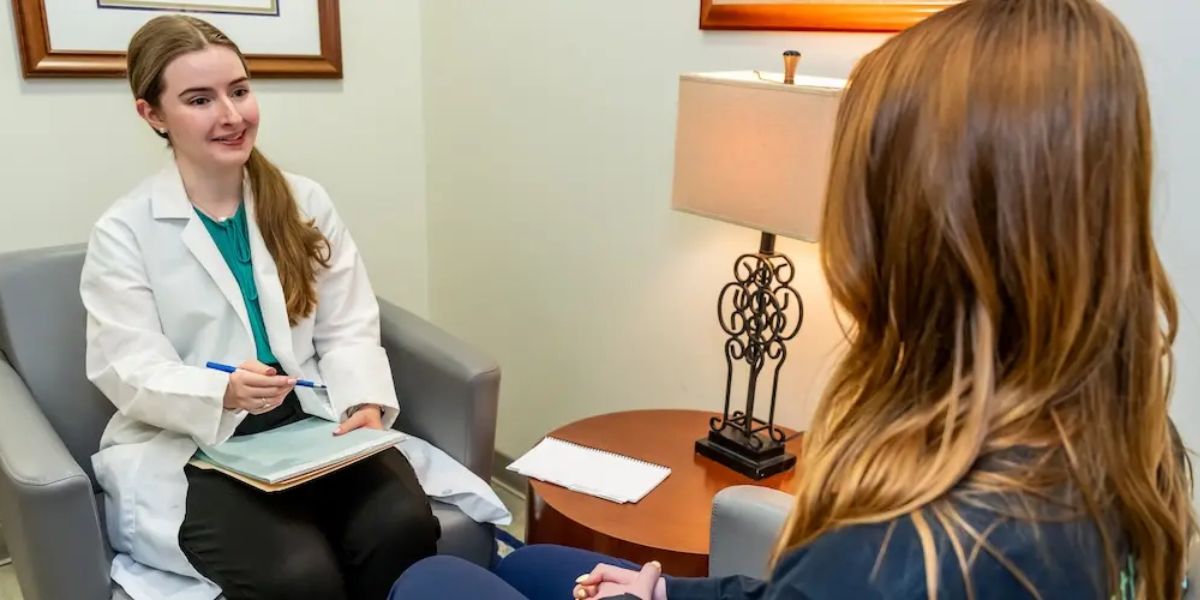
Learning how to become a PMHNP is an important first step for nurses interested in mental health care, psychiatric treatment, and advanced nursing practice. A Psychiatric-Mental Health Nurse Practitioner (PMHNP) is an advanced practice registered nurse who assesses, diagnoses, and treats patients experiencing mental health conditions across different stages of life.
PMHNPs work with individuals experiencing anxiety, depression, bipolar disorder, substance use disorders, trauma-related conditions, and other psychiatric concerns. Depending on their training, certification, state regulations, and practice setting, they may provide psychotherapy, prescribe medications, develop treatment plans, and coordinate care with other healthcare professionals.
Becoming a PMHNP requires nursing education, clinical experience, graduate-level training, national certification, and the appropriate state authorization to practice. Understanding the responsibilities, required skills, education pathways, and career opportunities can help you decide whether this nursing specialty is right for you.
In This Article
What Is a Psychiatric-Mental Health Nurse Practitioner?
A Psychiatric-Mental Health Nurse Practitioner is an advanced practice nurse specializing in mental health assessment, diagnosis, treatment, and prevention. PMHNPs combine nursing principles with advanced knowledge of psychiatric conditions, behavioral health, pharmacology, and therapeutic communication.
Unlike registered nurses who primarily provide direct nursing care under their scope of practice, PMHNPs have additional education and clinical preparation that may qualify them to assess psychiatric conditions, develop treatment plans, provide therapy, and prescribe medications where authorized.
What Does a PMHNP Do?
PMHNP responsibilities vary according to the employer, patient population, state regulations, and individual qualifications.
Common responsibilities include:
- Conducting psychiatric evaluations and mental health assessments.
- Reviewing medical histories, symptoms, medications, and relevant risk factors.
- Diagnosing mental health conditions within the applicable scope of practice.
- Developing individualized treatment plans.
- Prescribing and monitoring psychiatric medications when authorized.
- Providing psychotherapy or other therapeutic interventions within their training.
- Educating patients and families about mental health conditions.
- Coordinating care with psychiatrists, psychologists, therapists, and primary care providers.
- Monitoring treatment progress and adjusting care when appropriate.
- Recognizing psychiatric emergencies and arranging appropriate interventions.
PMHNPs may care for children, adolescents, adults, older adults, or patients across the lifespan, depending on their education and certification.
How to Become a PMHNP
Becoming a PMHNP involves several educational, clinical, and licensing steps. In the United States, nurses typically begin with registered nurse preparation before completing an approved graduate program in psychiatric-mental health nursing.
Step 1: Earn a Bachelor of Science in Nursing
The traditional pathway begins with a Bachelor of Science in Nursing (BSN). This degree provides foundational knowledge in nursing practice, anatomy, physiology, pharmacology, patient assessment, and healthcare delivery.
BSN programs generally include classroom instruction, laboratory learning, and supervised clinical placements. Students develop skills in patient communication, clinical reasoning, care planning, and evidence-based practice.
If you already hold an associate degree in nursing, an RN-to-BSN program may provide a pathway to completing the bachelor’s degree.
Some graduate programs offer alternative entry routes for applicants with different educational backgrounds. Admission requirements vary, so review the prerequisites of individual PMHNP programs before choosing your educational path.
Step 2: Obtain Registered Nurse Licensure
After completing the required nursing education, you must meet the requirements for registered nurse licensure in the state where you intend to practice.
In the United States, this typically includes passing the National Council Licensure Examination for Registered Nurses (NCLEX-RN) and satisfying other state board requirements.
Registered nurse experience can help you develop clinical judgment, communication skills, and an understanding of how physical and mental health influence one another.
Working in psychiatric nursing, behavioral health, emergency care, or other relevant settings may provide valuable preparation for advanced psychiatric practice. However, specific experience requirements depend on the graduate program and applicable certification rules.
Step 3: Gain Relevant Nursing Experience
Clinical experience can help aspiring PMHNPs understand patient needs, healthcare workflows, and the challenges associated with mental health treatment.
Working in an inpatient psychiatric unit, outpatient behavioral health clinic, substance use treatment program, or community mental health service can provide useful exposure to psychiatric nursing.
During this stage, nurses may develop skills in therapeutic communication, patient observation, crisis recognition, medication administration, and interdisciplinary collaboration.
Not every PMHNP program requires the same amount or type of previous nursing experience. Some programs admit qualified registered nurses with limited experience, while others may prefer or require relevant clinical experience.
Before applying, confirm each school’s admission criteria and consider whether additional bedside experience would strengthen your preparation.
Step 4: Complete a PMHNP Graduate Program
The next step is to complete an appropriate graduate nursing program that prepares students for psychiatric-mental health nurse practitioner practice.
Common educational pathways include:
- Master of Science in Nursing (MSN): A graduate degree that can prepare qualified nurses for advanced practice.
- Doctor of Nursing Practice (DNP): A practice-focused doctoral degree offering advanced clinical preparation and additional opportunities to study healthcare systems, leadership, and quality improvement.
- Postgraduate certificate: An option for certain nurses who already hold an advanced nursing degree and meet the program’s admission requirements.
The appropriate pathway depends on your current education, career goals, and the requirements of the certification and licensing authorities.
Step 5: Complete Supervised Clinical Training
PMHNP students complete supervised clinical experiences as part of their graduate preparation. These placements provide opportunities to apply psychiatric assessment, diagnosis, treatment planning, and therapeutic communication skills under qualified supervision.
Clinical training may involve working with patients experiencing mood disorders, anxiety disorders, psychotic disorders, substance use disorders, trauma-related symptoms, and other behavioral health concerns.
Students may also learn to assess suicide risk, recognize medication side effects, evaluate treatment outcomes, and coordinate care with other professionals.
The required number of clinical hours and placement requirements vary by program and applicable standards. Choose a program that meets the requirements relevant to your intended certification and state of practice.
Step 6: Obtain National PMHNP Certification
After completing the required graduate education and meeting the applicable eligibility criteria, candidates typically pursue national certification.
In the United States, the American Nurses Credentialing Center (ANCC) offers the Psychiatric-Mental Health Nurse Practitioner certification, commonly known as PMHNP-BC.
Certification requirements include meeting specified educational and professional eligibility standards and passing the applicable examination.
Before enrolling in a program, confirm that its curriculum and clinical preparation align with the certification requirements in effect when you expect to graduate.
Step 7: Apply for State APRN Authorization
National certification and state authorization are separate requirements. After certification, you must satisfy the advanced practice registered nurse requirements established by the state where you plan to work.
Requirements may include an application, verification of education and certification, background checks, fees, and other state-specific conditions.
Prescriptive authority is also regulated by state law. Some states allow qualified PMHNPs to prescribe medications under broad independent authority, while others impose additional requirements or restrictions.
Always check the relevant state board of nursing for current licensing, practice, and prescribing rules.
Essential Skills for Becoming a Successful PMHNP
Academic qualifications and certification are essential, but successful psychiatric-mental health practice also requires strong interpersonal and clinical skills.
Therapeutic Communication
PMHNPs need to build trusting relationships with patients who may feel frightened, overwhelmed, misunderstood, or reluctant to discuss personal experiences.
Active listening, respectful questioning, empathy, and clear explanations can help patients communicate their concerns and participate in treatment decisions.
Therapeutic communication also involves recognizing cultural differences, avoiding judgmental language, and respecting patient preferences.
Psychiatric Assessment and Clinical Judgment
PMHNPs evaluate symptoms, behavioral changes, medical histories, medication use, and psychosocial factors to develop a comprehensive understanding of a patient’s condition.
They must interpret clinical information carefully, consider alternative explanations, and recognize when further evaluation or specialist involvement is necessary.
Strong clinical judgment supports safe diagnosis, treatment planning, and follow-up care.
Knowledge of Psychopharmacology
Psychopharmacology is an important component of psychiatric treatment. PMHNPs need to understand how psychiatric medications work, their potential benefits, common adverse effects, interactions, and monitoring requirements.
Medication management may involve evaluating treatment response, discussing adherence, reviewing side effects, and adjusting treatment when clinically appropriate and legally authorized.
Ongoing education is essential because psychiatric treatment recommendations and medication evidence can change.
Emotional Resilience
Mental health professionals may work with patients experiencing severe depression, trauma, suicidal thoughts, psychosis, or substance use challenges.
These situations can be emotionally demanding. Healthy professional boundaries, supervision, peer support, reflective practice, and appropriate self-care can help PMHNPs maintain professional effectiveness.
Collaboration and Cultural Awareness
Mental health treatment often requires collaboration among nurses, psychiatrists, psychologists, therapists, social workers, primary care clinicians, and community support services.
PMHNPs must communicate clearly, coordinate treatment, and recognize when a patient’s needs extend beyond their own expertise.
Cultural awareness is equally important because family structures, beliefs, language, stigma, and access to healthcare can influence how patients experience and seek mental health care.
Where Do PMHNPs Work?
PMHNPs can work in a variety of settings, depending on their qualifications, local regulations, and employment opportunities.
Outpatient Mental Health Clinics
Outpatient clinics provide psychiatric assessments, medication management, follow-up visits, and other behavioral health services.
PMHNPs in these settings may develop ongoing relationships with patients and monitor their progress over time.
Hospitals and Inpatient Psychiatric Units
Hospital-based PMHNPs may help evaluate patients with acute psychiatric symptoms, coordinate treatment, and support transitions from inpatient to outpatient care.
These roles can require strong crisis assessment, teamwork, and communication skills.
Community Mental Health Centers
Community mental health services often support people who face barriers to accessing traditional healthcare.
PMHNPs may work with patients experiencing complex mental health needs while collaborating with social workers, therapists, and community organizations.
Private Practice
Where state law and professional requirements permit, PMHNPs may work in or establish private practices.
Responsibilities may include patient evaluations, treatment planning, medication management, therapy within their competence, documentation, and business administration.
Starting a practice requires careful attention to licensing, insurance, recordkeeping, privacy, and applicable practice regulations.
Telepsychiatry and Telehealth
Telehealth allows qualified PMHNPs to provide certain mental health services remotely.
Depending on state law and organizational policies, these services may include psychiatric evaluations, medication follow-ups, and treatment planning.
Telehealth practitioners must understand patient privacy requirements, emergency procedures, technology limitations, and the licensing rules that apply to patients located in different jurisdictions.
How Long Does It Take to Become a PMHNP?
The time required depends on your current education, the program you choose, and any experience or admission requirements you must complete.
A traditional pathway may involve approximately four years for a BSN, followed by graduate education that can take around two to four years depending on the degree and study format. Additional time may be needed for prerequisites, clinical experience, certification, or state authorization.
An RN who already holds a BSN may be able to move directly into an eligible graduate program. Part-time study may take longer than full-time enrollment.
A DNP pathway may require additional study compared with some MSN programs. Program length also varies with previous graduate credits and individual enrollment plans.
The best way to estimate your timeline is to compare accredited programs and review their admission, clinical placement, graduation, and certification eligibility requirements.
PMHNP Salary and Career Outlook
PMHNP compensation varies according to location, education, experience, employer, clinical specialty, and responsibilities. Work settings, hours, benefits, and local demand can also influence total compensation.
Psychiatric-mental health nurse practitioners may work in hospitals, outpatient clinics, community health programs, telehealth organizations, and other healthcare services.
When evaluating salary information, distinguish PMHNP-specific estimates from figures for all nurse practitioners. Broad nurse practitioner salary averages may include multiple specialties and should not automatically be treated as PMHNP salary figures.
To research earning potential, compare current job advertisements, reputable occupational data, and regional salary information. Consider the cost of living, benefits, schedule flexibility, continuing education support, and opportunities for professional advancement alongside base pay.
Career opportunities may be influenced by the availability of mental health services, employer staffing needs, state practice regulations, and access to graduate training. Prospective PMHNPs should evaluate their local employment market rather than assuming every region offers the same opportunities.
Challenges of Working as a PMHNP
Although psychiatric-mental health nursing can be rewarding, the role also involves challenges that deserve consideration.
Managing Complex Patient Needs
Patients may experience multiple mental health conditions alongside physical illnesses, financial difficulties, housing instability, or limited access to support.
PMHNPs must consider these factors when developing realistic and individualized treatment plans.
Handling Psychiatric Emergencies
Some roles involve assessing suicide risk, severe behavioral changes, psychosis, or other urgent concerns.
PMHNPs must recognize warning signs, follow emergency protocols, and arrange a higher level of care when needed.
Maintaining Accurate Documentation
Clinical documentation supports continuity of care, treatment monitoring, communication, and compliance with applicable legal and professional requirements.
Maintaining accurate records while managing a busy caseload can require strong organization and time-management skills.
Preventing Professional Burnout
High caseloads, administrative demands, staffing shortages, and exposure to distressing situations can contribute to stress.
Seeking supervision, maintaining reasonable professional boundaries, using available support systems, and pursuing a sustainable work environment can help protect long-term well-being.
Tips for Succeeding in a PMHNP Career
Building a successful PMHNP career requires ongoing learning, professional responsibility, and a commitment to patient-centered care.
- Choose an appropriate graduate program: Verify accreditation, clinical preparation, certification eligibility, and state requirements.
- Build strong clinical foundations: Use nursing experience to develop assessment, communication, and critical-thinking skills.
- Seek mentorship: Learn from experienced psychiatric nurses and qualified advanced practice clinicians.
- Stay current with evidence: Review updated clinical guidance and participate in continuing education.
- Develop documentation skills: Practice writing clear, accurate, and clinically relevant notes.
- Prioritize patient safety: Recognize the limits of your expertise and seek consultation when needed.
- Maintain professional boundaries: Support patients while protecting therapeutic relationships and personal well-being.
- Explore different practice settings: Consider outpatient, inpatient, community, and telehealth opportunities to identify the environment that suits your goals.
Do You Need to Be an RN Before Becoming a PMHNP?
In the traditional U.S. pathway, yes. Aspiring PMHNPs generally become registered nurses and complete the required graduate-level advanced practice education. Some programs offer alternative entry routes, so applicants should verify individual admission requirements.
Is an MSN Enough to Become a PMHNP?
An eligible MSN program can prepare a nurse for PMHNP certification and advanced practice, provided the program meets applicable educational requirements. A DNP is another pathway, but requirements should be checked with the certification organization and state board.
Can PMHNPs Prescribe Medication?
Qualified PMHNPs may prescribe medications when authorized by the applicable state or jurisdiction. Prescribing authority, supervision requirements, and restrictions vary by location.
Is Experience in Psychiatric Nursing Required?
Requirements vary by graduate program and certification pathway. Psychiatric nursing experience can provide valuable preparation, but you should review the specific admission and eligibility criteria before applying.
Is Becoming a PMHNP Difficult?
The process requires significant academic study, supervised clinical training, examination preparation, and professional responsibility. Strong communication skills, consistent study habits, clinical experience, and mentorship can help students prepare for the demands of the role.
What Is the Difference Between a PMHNP and a Psychiatrist?
A PMHNP is an advanced practice nurse with graduate-level psychiatric training. A psychiatrist is a physician who completes medical school and specialized residency training in psychiatry. Both may diagnose and treat mental health conditions, but their educational pathways and professional regulations differ.
Must Read:
- Nurse of the Week: D’Brickashaw Ferguson
- 7 Awesome Nurse Fleece Jackets to Keep You Warm and Stylish
- Nurses Offer Insights Into Caring for Neurodiverse Patients
Final Thoughts:
Learning how to become a PMHNP can help you plan a career in advanced psychiatric and mental health nursing. The typical U.S. pathway involves nursing education, registered nurse licensure, graduate-level PMHNP preparation, supervised clinical training, national certification, and state authorization to practice.
Beyond these formal requirements, successful PMHNPs need therapeutic communication, clinical judgment, knowledge of psychiatric medications, cultural awareness, and a commitment to lifelong learning.
If you are interested in helping people manage mental health conditions, improving access to psychiatric care, and developing advanced clinical skills, becoming a PMHNP may be a worthwhile career goal. Start by reviewing eligible graduate programs, confirming current certification and state licensing requirements, and identifying the clinical settings that best match your interests.