

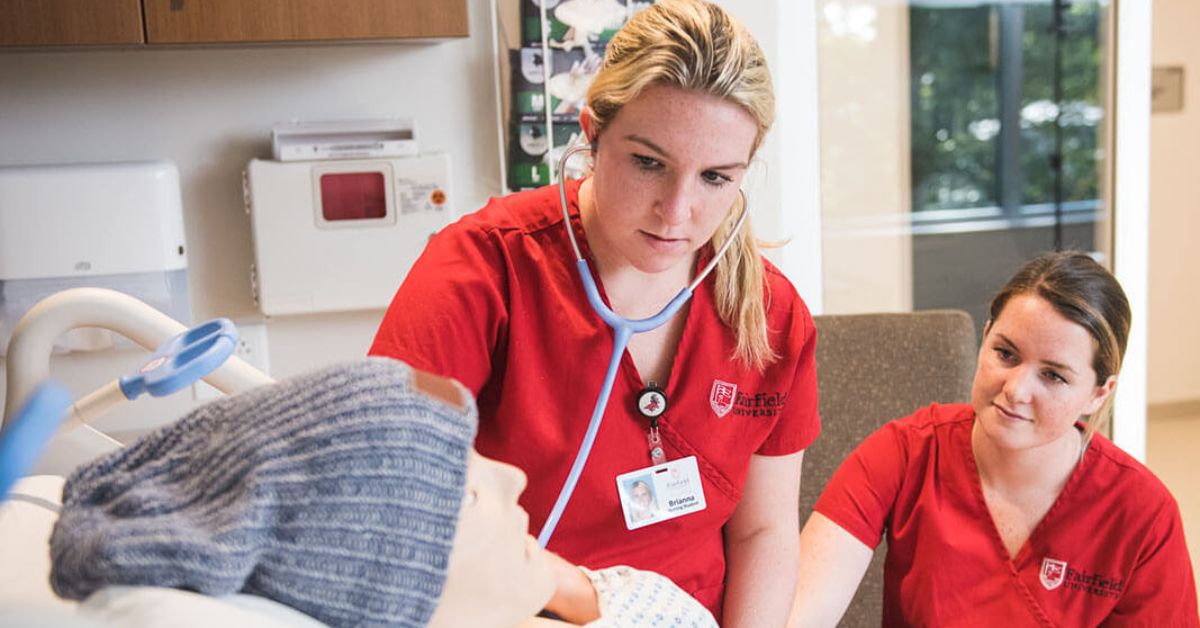
Good Minors for Nursing Majors can help nursing students expand their academic knowledge, develop complementary skills, and prepare for different career opportunities in healthcare. While a nursing major provides the clinical foundation needed for professional nursing practice, a well-chosen minor can add expertise in areas such as psychology, public health, nutrition, communication, business, technology, education, or healthcare administration.
Choosing a minor is a personal academic decision. The right option depends on your career goals, interests, university requirements, available courses, and the amount of time you can realistically dedicate to additional coursework.
A nursing minor should ideally complement your Bachelor of Science in Nursing or other nursing program rather than create unnecessary academic pressure. Understanding how different minors connect with nursing can help students make a more informed decision.
In This Article
Why Nursing Majors Consider a Minor
A minor is a secondary academic field that typically requires fewer courses than a major. For nursing students, a minor can provide knowledge outside the traditional nursing curriculum while strengthening skills that may become useful throughout a healthcare career.
Expanding Your Nursing Knowledge
Nursing students already study subjects such as anatomy, physiology, pharmacology, microbiology, health assessment, patient care, and nursing practice. A minor can introduce another perspective that supports these areas.
For example, a psychology minor can help students better understand human behavior, while a public health minor can provide additional knowledge about disease prevention and population health.
Developing Transferable Skills
Some minors focus on skills that can be valuable in almost any nursing workplace. Communication, leadership, technology, business, writing, and organizational skills can help nurses work effectively with patients, families, colleagues, and healthcare organizations.
Supporting Future Career Goals
A minor may also support a specific career direction. Students interested in nurse leadership may benefit from business or healthcare administration. Those interested in community health may prefer public health. Students considering nursing education may find psychology or education useful.
Psychology Minor
Psychology is one of the most relevant minors for nursing majors because nursing involves constant interaction with people experiencing illness, stress, pain, fear, uncertainty, and major life changes.
How Psychology Supports Nursing
A psychology minor can help nursing students learn more about human behavior, development, motivation, cognition, emotions, and interpersonal relationships.
This knowledge can complement nursing education by helping students understand why patients may respond differently to illness or treatment.
For example, a patient may have difficulty following a treatment plan because of anxiety, fear, limited understanding, or other behavioral factors. Understanding basic psychological concepts can help nurses communicate more effectively and approach patients with greater empathy.
Career Applications
Psychology can be useful in many nursing environments, including mental health, pediatrics, geriatrics, emergency care, rehabilitation, community health, and primary care.
It can also provide useful preparation for nurses interested in behavioral health or advanced nursing education.
Public Health Minor
A public health minor can be an excellent choice for nursing students interested in preventing illness and improving health at the community or population level.
Understanding Population Health
Traditional nursing education often focuses heavily on individual patient care. Public health expands that perspective by examining communities and populations.
Students may study epidemiology, health promotion, disease prevention, environmental health, health policy, and social determinants of health.
This broader perspective can help nurses understand how factors such as housing, income, education, environment, access to healthcare, and community resources influence health outcomes.
Career Applications
Public health knowledge can be useful for community health nurses, school nurses, public health professionals, infection prevention roles, health educators, and nurses working with community-based organizations.
It can also strengthen a nurse’s ability to participate in vaccination programs, health screenings, wellness initiatives, and disease-prevention programs.
Nutrition Minor
Nutrition is closely connected to health, recovery, chronic disease management, and overall wellbeing. A nutrition minor can therefore complement nursing education in practical ways.
Connecting Nutrition and Patient Care
Nurses frequently educate patients about healthy eating, hydration, dietary restrictions, and nutrition-related aspects of disease management.
A nutrition minor can provide deeper knowledge about nutrients, dietary patterns, metabolism, and the relationship between nutrition and health.
For example, nurses may care for patients with diabetes, cardiovascular conditions, gastrointestinal disorders, kidney disease, or other conditions where nutrition can be an important part of overall care.
Benefits for Nursing Students
Nutrition knowledge can strengthen patient education and interdisciplinary communication. It can also be useful for nurses interested in wellness, community health, preventive care, or chronic disease management.
However, nursing students should understand the professional scope of nursing and the role of registered dietitians and other specialists when specialized nutrition care is required.
Health Administration Minor
Students interested in leadership and healthcare management may consider a health administration minor.
Learning About Healthcare Systems
Healthcare administration courses can introduce students to topics such as healthcare organizations, management, finance, quality improvement, healthcare policy, and organizational leadership.
These subjects can provide a broader understanding of how healthcare systems operate beyond direct bedside care.
Preparing for Leadership
Nurses who eventually move into charge nurse, supervisor, manager, quality improvement, or administrative roles may find healthcare administration knowledge valuable.
The minor does not automatically qualify a nurse for a management position, but it can provide useful academic preparation for future leadership development.
Business Minor
A business minor may seem unrelated to nursing at first, but healthcare is also a large and complex industry that depends on leadership, finance, management, communication, and organizational decision-making.
Business Skills for Nurses
Business coursework can teach concepts related to accounting, management, marketing, entrepreneurship, operations, and organizational strategy.
These skills may be particularly useful for nurses interested in healthcare leadership or entrepreneurship.
Nursing Entrepreneurship
Nurses increasingly work in areas beyond traditional hospital positions. Some develop healthcare education businesses, consulting services, wellness programs, healthcare technology projects, or other professional ventures.
A business minor can provide a foundation for understanding how organizations operate and how services are developed and managed.
Communication Minor
Communication is one of the most important skills in nursing. Nurses must communicate clearly with patients, families, physicians, nurses, therapists, administrators, and other healthcare professionals.
Improving Patient Communication
A communication minor can help students develop stronger skills in interpersonal communication, professional writing, presentations, listening, and public speaking.
These skills can support patient education and help nurses explain complex healthcare information in a way patients can understand.
Supporting Teamwork
Healthcare is highly collaborative. Miscommunication can create confusion and affect workflow, while clear communication can support coordination and patient safety.
Communication coursework may help nursing students become more comfortable with difficult conversations, presentations, group discussions, and professional interactions.
Education Minor
Students interested in becoming nurse educators may benefit from an education minor.
Learning How People Learn
An education minor can introduce concepts such as instructional design, learning theory, classroom management, assessment, and teaching strategies.
These skills can be useful when educating patients, mentoring nursing students, training coworkers, or eventually pursuing formal nursing education roles.
Patient Education
Teaching is already an important part of nursing. Patients often need instructions about medications, wound care, lifestyle changes, follow-up appointments, disease management, and home care.
An education background can help nursing students think more carefully about how to communicate information according to a patient’s learning needs.
Sociology Minor
Sociology examines society, social relationships, institutions, groups, and patterns of human behavior. It can provide valuable context for understanding health disparities and patient experiences.
Understanding Social Determinants of Health
Patients do not live in isolation. Their health can be influenced by family circumstances, employment, housing, education, income, social support, and access to healthcare.
A sociology minor can help nursing students understand how social environments influence health and healthcare experiences.
Supporting Patient-Centered Care
Sociological knowledge can encourage students to look beyond a diagnosis and consider the broader circumstances affecting a patient’s ability to maintain health.
This perspective can be useful in community nursing, public health, social services, mental health, and care coordination.
Computer Science or Information Technology Minor
Technology is becoming increasingly important in healthcare. Electronic health records, telehealth, remote monitoring, clinical decision-support systems, data analytics, and artificial intelligence are changing how healthcare professionals work.
Nursing Informatics
A computer science or information technology minor can provide foundational knowledge about technology, databases, programming, information systems, or data management.
Students interested in nursing informatics may find this background especially valuable.
Preparing for Digital Healthcare
Technology-focused education can help nurses better understand the systems they use every day.
It may also support future opportunities in healthcare technology, clinical informatics, health data, digital health, and technology implementation.
Statistics or Data Science Minor
Healthcare increasingly relies on data. Nurses encounter patient measurements, quality indicators, research findings, clinical outcomes, and population health information.
Understanding Healthcare Data
A statistics or data science minor can help nursing students develop skills in interpreting data, identifying patterns, evaluating research, and understanding statistical concepts.
This can be particularly useful for students interested in evidence-based practice and nursing research.
Supporting Evidence-Based Nursing
Evidence-based nursing requires professionals to evaluate research and determine whether findings can inform clinical practice.
A stronger understanding of statistics can help nurses interpret research more confidently and recognize limitations in studies or data.
Foreign Language Minor
A foreign language minor can be useful for nurses who expect to work with culturally and linguistically diverse patient populations.
Improving Communication
Language barriers can make healthcare communication more difficult. Learning another language may help nurses communicate more effectively with some patients and families.
However, nurses should still use qualified medical interpreters when required, particularly for important clinical information where accuracy is essential.
Cultural Understanding
Language study can also introduce students to cultural perspectives and communication practices. This can complement culturally responsive nursing care.
A language minor may be particularly useful for nurses planning careers in diverse urban communities, international healthcare, humanitarian work, or global health.
Health Informatics Minor
Health informatics combines healthcare, information management, and technology. It is an increasingly relevant field for nursing students interested in the digital transformation of healthcare.
Technology and Patient Care
Health informatics professionals work with electronic health information, clinical systems, data, workflow, and technology implementation.
A nursing student with additional informatics knowledge may be better prepared to understand how technology affects clinical workflows.
Career Opportunities
Health informatics can support career interests in clinical informatics, electronic health record implementation, healthcare data, quality improvement, and digital health.
Students interested in this area should also explore whether their university offers a dedicated health informatics minor rather than a general technology program.
Global Health Minor
A global health minor can be a strong option for students interested in international healthcare, health equity, infectious diseases, humanitarian work, and population health.
Understanding Global Healthcare
Global health examines health issues that cross geographic and national boundaries. Students may study infectious diseases, healthcare access, maternal and child health, health disparities, international health systems, and global health policy.
Benefits for Nursing Students
Global health education can help nursing students understand how healthcare challenges differ across communities and countries.
It may also encourage students to consider health from a broader perspective and understand how economic, environmental, cultural, and political factors can affect population health.
Gerontology Minor
As populations age, nurses increasingly provide care for older adults in hospitals, outpatient clinics, rehabilitation centers, long-term care facilities, home healthcare, and community settings. A gerontology minor can give nursing students additional knowledge about the aging process and the unique healthcare needs of older adults.
Understanding Aging
A gerontology minor focuses on the physical, psychological, social, and sometimes economic aspects of aging. Nursing students can learn how aging affects health, independence, mobility, communication, relationships, and quality of life.
Coursework may also introduce topics such as healthy aging, chronic disease management, cognitive changes, caregiving, elder support services, and healthcare challenges affecting older adults. This additional knowledge can help nursing students understand that older patients may have healthcare needs that extend beyond treating a single illness.
For example, an older adult may be managing multiple chronic conditions while also dealing with mobility limitations, medication management, changes in independence, or the need for family and community support. Understanding these factors can help nurses approach care from a broader perspective.
Nursing Career Applications
A gerontology minor can be particularly relevant for students interested in geriatric nursing, long-term care, rehabilitation, home healthcare, community health, and care coordination. Nurses working with older adults often collaborate with families, caregivers, physicians, therapists, social workers, and other healthcare professionals.
How to Choose the Right Minor for Nursing
Choosing a minor should begin with your long-term interests rather than simply selecting the subject that sounds most impressive.
Consider Your Career Goals
Think about where you want your nursing career to go. A student interested in community healthcare may benefit from public health, while someone interested in technology may prefer health informatics.
Consider Your Strengths
Your existing interests and academic strengths also matter. If you enjoy communication and presentations, communication or education may be a natural fit.
If you enjoy data and technology, statistics, data science, or informatics may be more appropriate.
Check Course Requirements
Before selecting a minor, review the required courses, credit hours, prerequisites, and scheduling requirements.
Nursing programs can already have demanding schedules, clinical rotations, laboratories, and examinations. Make sure the additional coursework is manageable.
Consider the Cost and Time
A minor may require additional semesters, tuition, textbooks, or course fees depending on your university.
Evaluate whether the additional education provides meaningful value for your academic and career goals.
Best Minors for Different Nursing Career Goals
Different nursing career paths require different knowledge and skills, so choosing a minor that complements your professional interests can be a useful part of your academic planning. The best minor depends on the type of patients you want to serve, the healthcare setting you prefer, and the long-term direction you want your nursing career to take.
For Mental Health Nursing
Psychology or sociology can be valuable for nursing students interested in mental health nursing. Psychology provides additional knowledge about human behavior, emotions, development, motivation, and mental health conditions. Sociology can help students understand social relationships and environmental factors that may influence wellbeing. Together, these subjects can strengthen communication, empathy, and patient-centered care.
For Community Health Nursing
Students interested in community health may consider public health, sociology, global health, or nutrition. These minors can provide a broader understanding of disease prevention, health promotion, social determinants of health, nutrition, and population health. This knowledge can support careers involving community education, health screenings, prevention programs, and public health initiatives.
For Nurse Leadership
Healthcare administration, business, communication, or leadership-related coursework can complement an interest in nursing leadership. These subjects can introduce students to management, organizational communication, decision-making, healthcare systems, and team coordination. Such knowledge may be useful for nurses who eventually pursue supervisory or management responsibilities.
For Nursing Informatics
Health informatics, computer science, information technology, statistics, or data science can benefit students interested in nursing technology. These areas can provide skills related to healthcare data, electronic health records, analytics, digital systems, and technology implementation.
For Nurse Education
Students interested in teaching may benefit from education, psychology, communication, or instructional design. These subjects can strengthen skills in learning theory, presentations, curriculum development, and patient education.
For Pediatric Nursing
Psychology, child development, education, or nutrition can provide additional knowledge for students interested in caring for children and families. These subjects can support understanding of child development, communication, learning, and healthy growth.
For Geriatric Nursing
Gerontology, psychology, sociology, or public health can complement an interest in older adult care. These minors can help students better understand aging, chronic health conditions, independence, social support, and the broader needs of older patients.
Is a Minor Necessary for Nursing Students?
A minor is not required for becoming a successful nurse. The nursing major itself provides the core education needed for professional nursing practice.
For some students, completing a minor can provide valuable additional knowledge. For others, using those elective credits for nursing-related courses, certifications, research, internships, or other educational experiences may be more useful.
The decision should depend on individual goals, university requirements, time, finances, and career plans.
What is the best minor for a nursing major?
There is no single best minor for every nursing major because students have different interests and career goals. Psychology, public health, nutrition, communication, healthcare administration, education, business, and health informatics are all examples of minors that can complement a nursing degree. The best choice is one that supports your professional interests while fitting your academic schedule and university requirements.
Is psychology a good minor for nursing?
Yes, psychology can be a valuable minor for nursing students. It can provide additional knowledge about human behavior, emotions, development, motivation, communication, and interpersonal relationships. These skills can be particularly useful when working with patients experiencing stress, anxiety, behavioral health concerns, chronic illness, or major life changes.
Is public health a good minor for nursing students?
Public health can be especially useful for students interested in community healthcare and population health. Coursework may introduce concepts such as disease prevention, epidemiology, health promotion, health education, environmental health, and social determinants of health. This knowledge can complement nursing practice in community and public health settings.
Can a business minor help a nurse?
A business minor can provide useful knowledge about management, finance, organizational strategy, leadership, marketing, and entrepreneurship. These skills may benefit nurses who eventually want to pursue leadership positions, healthcare administration, management, or healthcare-related business opportunities.
Should nursing students minor in something related to healthcare?
Not necessarily. A healthcare-related minor can complement nursing education, but students can also benefit from studying subjects outside healthcare. Communication, psychology, education, technology, statistics, or business can provide skills that nursing coursework may not emphasize as extensively. The best option depends on the student’s interests, career plans, available courses, time, and academic priorities.
Must Read:
- What is Your Weakness in a Nursing Interview: The Ultimate Answer
- 2 Vital Nursing Theories & Important Nurse Theorists
- Renting to Traveling Nurses – How to Get Started
Final Thoughts:
Good Minors for Nursing Majors can provide an opportunity to expand knowledge beyond traditional nursing coursework and develop skills that may support long-term career goals. Psychology, public health, nutrition, communication, education, healthcare administration, business, technology, informatics, statistics, global health, and gerontology are among the many options nursing students can consider.
The right minor depends on your interests, academic situation, career goals, and available resources. A nursing student interested in patient behavior may benefit from psychology, while someone interested in population health may prefer public health. Students interested in leadership, technology, education, or research can select minors that strengthen those particular areas.
Ultimately, a minor should add meaningful value to your nursing education rather than simply add another credential. Choose a subject that interests you, complements your nursing goals, and gives you skills you can realistically apply throughout your healthcare career.