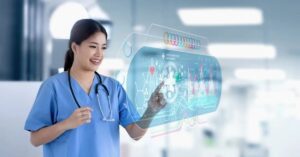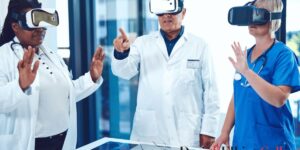

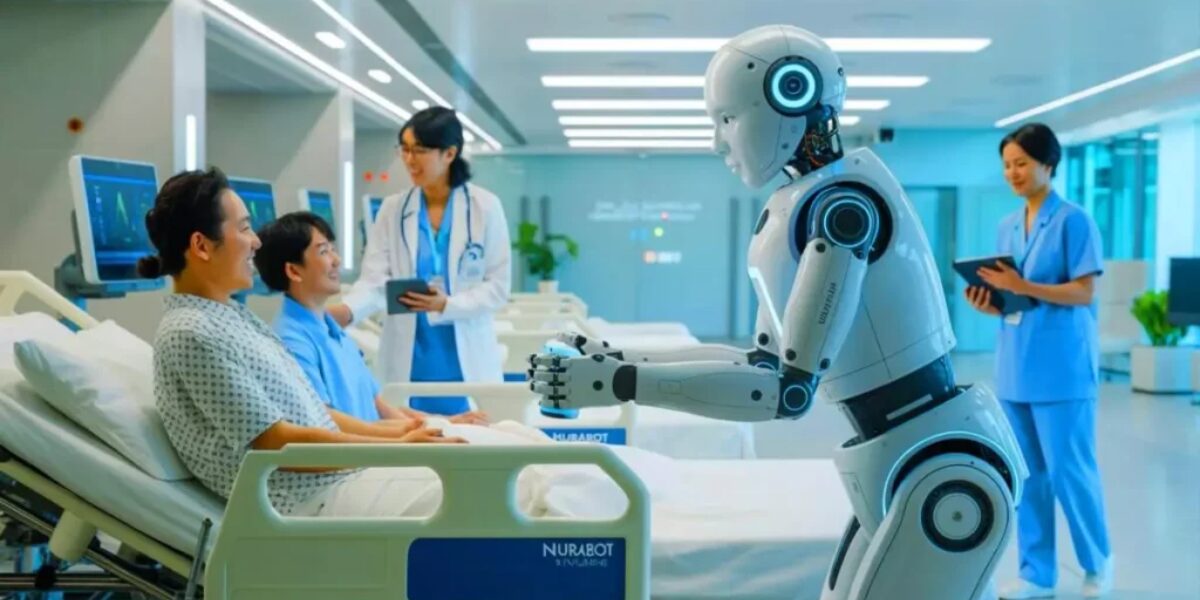
Healthcare is entering a new era where technology and patient care work together to improve outcomes, efficiency, and safety. In 2026, smart hospitals are becoming the future of healthcare by integrating artificial intelligence (AI), the Internet of Things (IoT), robotics, cloud computing, electronic health records (EHRs), and advanced automation into everyday operations. These innovations are transforming the way nurses deliver care, manage workloads, and interact with patients.
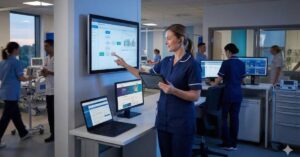
Unlike traditional hospitals, smart hospitals use connected devices, real-time data, predictive analytics, and intelligent systems to streamline clinical workflows and support better decision-making. For nurses, this means spending less time on paperwork and routine administrative tasks while focusing more on direct patient care, education, and emotional support.
This article explores how smart hospitals are transforming nursing in 2026, the technologies driving this change, the benefits and challenges for nurses, and the skills needed to thrive in the future of healthcare.
In This Article
What Is a Smart Hospital?
A smart hospital is a healthcare facility that uses advanced digital technologies to improve patient care, increase operational efficiency, and enhance communication among healthcare professionals. These hospitals connect medical devices, software systems, and clinical data into one integrated ecosystem that supports informed decision-making and better patient outcomes.
Smart hospitals rely on technologies such as:
- Artificial intelligence (AI)
- Internet of Things (IoT)
- Electronic health records (EHRs)
- Wearable health devices
- Robotics
- Cloud computing
- Telemedicine
- Remote patient monitoring
- Predictive analytics
- Automated medication systems
By combining these technologies, smart hospitals create safer, faster, and more personalized healthcare experiences for patients while reducing the administrative burden on nurses.
Why Smart Hospitals Matter in 2026
Healthcare organizations worldwide face several ongoing challenges, including nursing shortages, rising patient volumes, aging populations, and increasing healthcare costs. Smart hospitals address these challenges by automating repetitive tasks, improving communication, and enabling more efficient use of healthcare resources.
For nurses, smart hospitals provide tools that simplify documentation, improve care coordination, reduce medical errors, and enhance patient monitoring. Instead of replacing nurses, these technologies empower them to focus on critical thinking, patient advocacy, and compassionate care.
Technologies Powering Smart Hospitals
Artificial intelligence has become a core component of smart hospitals. AI analyzes patient information, identifies health risks, predicts complications, and assists with clinical decision-making.
Nurses use AI to:
- Prioritize patient care
- Detect early signs of deterioration
- Generate clinical documentation
- Review patient histories
- Improve workflow efficiency
AI serves as a decision-support tool, allowing nurses to make faster and more informed clinical decisions.
Internet of Things (IoT)
IoT connects medical devices so they can communicate with healthcare systems in real time.
Examples include:
- Smart infusion pumps
- Connected heart monitors
- Digital thermometers
- Smart hospital beds
- Wearable sensors
- Wireless blood pressure monitors
These devices automatically transmit patient data, reducing manual charting while improving monitoring accuracy.
Electronic Health Records
Modern EHR systems are far more advanced than earlier versions.
Today’s smart EHR platforms can:
- Suggest documentation
- Summarize patient histories
- Flag medication interactions
- Alert nurses to abnormal laboratory results
- Recommend evidence-based interventions
These improvements reduce documentation time and support better clinical decisions.
Robotics
Robots are increasingly used to assist healthcare teams.
Hospital robots may:
- Deliver medications
- Transport laboratory samples
- Move medical equipment
- Disinfect patient rooms
- Assist with inventory management
By handling routine logistical tasks, robots free nurses to spend more time caring for patients.
Remote Patient Monitoring
Smart hospitals continuously monitor patients using wearable devices and wireless sensors.
These technologies track:
- Heart rate
- Oxygen saturation
- Blood pressure
- Blood glucose
- Respiratory rate
- Body temperature
If a patient’s condition changes, nurses receive real-time alerts, allowing earlier intervention and improved patient safety.
How Smart Hospitals Are Changing Nursing Roles
Documentation has traditionally consumed a significant portion of a nurse’s shift.
AI-assisted documentation systems automatically:
- Capture clinical notes
- Organize patient information
- Generate summaries
- Update records
As a result, nurses spend more time with patients and less time completing paperwork.
Smarter Clinical Decision-Making
AI-powered decision support systems analyze large volumes of clinical data within seconds.
These systems can:
- Predict sepsis
- Identify patient deterioration
- Recommend preventive interventions
- Highlight medication risks
- Prioritize urgent patients
Nurses use these insights alongside their clinical judgment to improve patient outcomes.
Improved Patient Monitoring
Traditional patient monitoring often depends on periodic vital sign checks.
Smart hospitals enable continuous monitoring through connected devices.
This allows nurses to identify problems before symptoms become severe, reducing emergency situations and improving patient safety.
Better Medication Management
Medication errors remain a major healthcare concern.
Smart hospitals reduce these risks using:
- Barcode medication administration
- Smart medication cabinets
- AI verification systems
- Automated dispensing units
These technologies improve medication accuracy while supporting nurses during administration.
Enhanced Patient Communication
Digital communication tools allow nurses to stay connected with patients even when they are not physically present.
Patients can:
- Request assistance electronically
- Access educational materials
- Communicate through secure messaging
- Receive medication reminders
These systems improve patient engagement and satisfaction.
Benefits of Smart Hospitals for Nurses
Smart hospitals are transforming the nursing profession by making healthcare more efficient, connected, and patient-centered. By integrating technologies such as artificial intelligence (AI), Internet of Things (IoT) devices, electronic health records (EHRs), and automation, these healthcare facilities help nurses deliver higher-quality care while reducing administrative burdens. As a result, nurses can work more effectively, improve patient outcomes, and enjoy greater professional satisfaction.
Reduced Administrative Burden
One of the biggest advantages of smart hospitals is the automation of repetitive administrative tasks. AI-powered documentation systems, digital charting tools, and automated scheduling significantly reduce the time nurses spend on paperwork. Instead of manually entering patient information for hours, nurses can focus on direct patient care, health education, and collaborating with physicians and other healthcare professionals. This improves productivity while allowing nurses to build stronger relationships with their patients.
Improved Patient Safety
Smart hospitals enhance patient safety through continuous monitoring, predictive analytics, and real-time alerts. Connected medical devices can detect changes in a patient’s condition, such as abnormal heart rate, oxygen levels, or blood pressure, and immediately notify the nursing team. Early detection enables faster interventions, reduces medical errors, and helps prevent complications before they become life-threatening emergencies.
Better Workflow Efficiency
Integrated digital systems streamline clinical workflows by connecting patient records, laboratory results, medication information, and communication platforms. Nurses can quickly access accurate patient data without switching between multiple systems or duplicating documentation. This seamless flow of information improves teamwork, speeds up clinical decision-making, and ensures patients receive timely and coordinated care.
Increased Job Satisfaction
By reducing paperwork and minimizing routine administrative responsibilities, smart hospitals allow nurses to spend more time doing what they value most—caring for patients. Lower workloads and improved efficiency help reduce stress, decrease burnout, and contribute to greater job satisfaction. A more supportive work environment also promotes better employee retention and overall well-being.
Enhanced Professional Development
Working in a technology-driven healthcare environment helps nurses develop valuable digital competencies, including AI literacy, data interpretation, and healthcare informatics. These skills not only improve daily clinical practice but also open doors to advanced career opportunities in nursing leadership, digital health, telehealth, and nursing informatics. As healthcare technology continues to evolve, nurses with strong technical expertise will be well-positioned for long-term career growth and success.
Benefits for Patients
Smart hospitals also improve the patient experience.
Patients benefit from:
- Faster diagnosis
- Personalized treatment plans
- Continuous monitoring
- Shorter hospital stays
- Fewer medication errors
- Better communication
- Improved safety
- Greater convenience
These improvements contribute to higher quality healthcare and better clinical outcomes.
New Career Opportunities in Smart Hospitals
The rapid adoption of smart hospital technologies is creating exciting new career opportunities for nurses. As healthcare organizations integrate artificial intelligence (AI), digital health platforms, connected medical devices, and advanced data systems into everyday practice, they need skilled nursing professionals who can bridge the gap between technology and patient care. These emerging roles allow nurses to expand their expertise, take on leadership responsibilities, and contribute to healthcare innovation while continuing to improve patient outcomes.
Nursing Informatics Specialist
Nursing informatics specialists combine clinical nursing knowledge with information technology to improve healthcare systems and patient care. They help design, implement, and optimize electronic health records (EHRs), analyze healthcare data, improve clinical documentation, and train healthcare staff on new digital systems. As smart hospitals continue investing in digital transformation, nursing informatics remains one of the fastest-growing and most rewarding nursing specialties.
Virtual Nurse
Virtual nurses provide patient care remotely using secure digital communication platforms. Their responsibilities include conducting admission interviews, educating patients and families, coordinating discharge planning, reviewing medications, and providing follow-up care after hospital discharge. By handling these tasks virtually, they support bedside nurses, improve patient experiences, and help healthcare organizations deliver efficient, patient-centered care.
AI Clinical Nurse Specialist
AI clinical nurse specialists focus on implementing and optimizing artificial intelligence solutions within healthcare settings. They evaluate AI-powered clinical tools, collaborate with technology teams, train nursing staff, monitor system performance, and ensure AI is used safely and ethically. Their clinical expertise helps healthcare organizations integrate advanced technologies while maintaining high standards of patient care and safety.
Remote Patient Monitoring Nurse
Remote patient monitoring nurses oversee patients using wearable devices and connected health technologies that continuously track vital signs and other health indicators. They analyze incoming data, identify early warning signs, communicate with patients, and coordinate timely interventions when necessary. This role is becoming increasingly important as healthcare shifts toward home-based and virtual care models.
Digital Health Coordinator
Digital health coordinators manage healthcare technology initiatives, including telehealth services, mobile health applications, remote monitoring programs, and digital patient engagement platforms. They work closely with clinical teams, IT professionals, and healthcare administrators to ensure new technologies are successfully implemented and integrated into daily operations. This role helps improve workflow efficiency, enhance patient access to care, and support the ongoing digital transformation of modern healthcare.
Challenges of Smart Hospitals
While smart hospitals offer significant benefits for patients and healthcare professionals, they also present several challenges that organizations must address to ensure successful implementation. Integrating advanced technologies such as artificial intelligence (AI), Internet of Things (IoT) devices, electronic health records (EHRs), and automation requires careful planning, ongoing investment, and continuous staff training. Understanding these challenges helps nurses adapt to technological changes while maintaining safe, high-quality patient care.
Technology Adoption
Adopting new healthcare technologies can be challenging, particularly during the early stages of implementation. Nurses may need time to become familiar with AI-powered documentation systems, smart medical devices, telehealth platforms, and updated electronic health records. Learning new workflows while continuing to provide patient care can initially increase stress and reduce productivity. To support a smooth transition, healthcare organizations should provide comprehensive training programs, technical support, and opportunities for hands-on practice so nurses can confidently use new technologies.
Data Privacy and Cybersecurity
Protecting sensitive patient information is one of the biggest concerns in smart hospitals. Connected devices, cloud-based systems, and digital health platforms increase the amount of electronic patient data being stored and shared. Nurses must follow strict privacy regulations, cybersecurity protocols, and organizational policies to prevent unauthorized access, data breaches, and cyber threats. Regular security training and awareness of best practices are essential for safeguarding confidential patient information.
System Downtime
Although technology improves efficiency, system failures or network outages can temporarily disrupt hospital operations. If electronic health records, AI-powered tools, or connected monitoring systems become unavailable, nurses may experience delays in accessing patient information or documenting care. Smart hospitals must develop reliable backup procedures, emergency response plans, and alternative documentation methods to ensure patient care continues safely during technical disruptions.
Ongoing Training Requirements
Healthcare technology continues to evolve rapidly, making continuous education an essential part of modern nursing practice. New software updates, AI applications, digital workflows, and connected medical devices are introduced regularly. Nurses must participate in ongoing professional development, continuing education courses, workshops, and technology training programs to keep their knowledge and skills current. Lifelong learning not only improves confidence in using new systems but also helps nurses deliver safe, efficient, and evidence-based care in increasingly technology-driven healthcare environments.
Skills Nurses Need in Smart Hospitals
As smart hospitals become more common, nurses must develop a combination of clinical expertise and digital competencies to provide safe, efficient, and patient-centered care. Advanced technologies such as artificial intelligence (AI), electronic health records (EHRs), connected medical devices, and telehealth platforms are changing the way healthcare is delivered. While technology improves efficiency, nurses remain responsible for making clinical decisions, communicating with patients, and ensuring high-quality care. Developing the following skills will help nurses succeed in technology-driven healthcare environments.
Digital Literacy
Digital literacy has become a core nursing competency in smart hospitals. Nurses must understand how to use electronic health records, AI-powered clinical decision support systems, remote patient monitoring devices, telehealth platforms, and other digital healthcare tools. Being comfortable with modern technology enables nurses to work more efficiently, reduce documentation errors, and provide better patient care while adapting to rapidly changing healthcare systems.
Critical Thinking
Artificial intelligence can analyze patient data and provide clinical recommendations, but it cannot replace human judgment. Nurses must carefully evaluate AI-generated insights, assess each patient’s unique condition, and make informed evidence-based decisions. Strong critical thinking skills help nurses identify potential risks, question inaccurate recommendations, and ensure patient safety in complex clinical situations.
Data Interpretation
Smart hospitals generate large volumes of digital health information through connected medical devices, wearable technology, and AI-powered analytics. Nurses need the ability to interpret this data accurately, recognize important trends, and respond quickly to changes in a patient’s condition. Effective data interpretation supports early intervention, improves clinical outcomes, and enhances overall patient safety.
Communication
Although technology streamlines healthcare delivery, compassionate communication remains one of the most valuable nursing skills. Nurses must explain diagnoses, treatment plans, and healthcare technologies in ways patients and families can easily understand. Building trust, providing emotional support, and collaborating effectively with multidisciplinary healthcare teams continue to be essential responsibilities that technology cannot replace.
Adaptability
Healthcare technology evolves rapidly, making adaptability an essential professional skill. Nurses must be willing to learn new software, adopt updated clinical workflows, and embrace innovative healthcare solutions. A flexible mindset helps nurses remain confident and effective as hospitals continue introducing advanced digital systems and AI-powered tools.
Collaboration
Smart hospitals rely on teamwork across multiple disciplines. Nurses regularly collaborate with physicians, pharmacists, IT professionals, data analysts, biomedical engineers, and healthcare administrators to ensure technology is implemented safely and effectively. Strong collaboration skills improve communication, streamline patient care, support successful technology adoption, and contribute to better healthcare outcomes for patients.
The Role of AI in Smart Hospitals
Artificial intelligence supports nurses in many ways.
Common AI applications include:
- Predictive analytics
- Clinical documentation
- Patient prioritization
- Staffing optimization
- Medication safety
- Diagnostic support
- Resource allocation
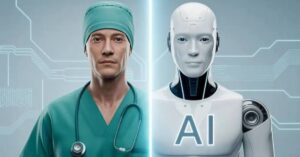
Importantly, AI does not replace nurses. Instead, it strengthens their ability to provide safe, efficient, and patient-centered care.
Smart Hospital Trends Beyond 2026
Healthcare technology continues to evolve rapidly.
Future trends include:
- AI-powered virtual assistants
- Voice-controlled documentation
- Autonomous service robots
- Smart intensive care units
- Digital twins for patient care
- Personalized treatment recommendations
- Advanced wearable monitoring
- Predictive staffing systems
- Ambient clinical intelligence
- Expanded hospital-at-home programs
These innovations will continue transforming nursing while improving healthcare delivery.
How Nurses Can Prepare for Smart Hospitals
As healthcare continues to embrace digital transformation, nurses must prepare for the growing use of smart technologies in hospitals and healthcare facilities. Smart hospitals rely on artificial intelligence (AI), Internet of Things (IoT) devices, electronic health records (EHRs), telehealth platforms, and advanced automation to improve patient care and operational efficiency. To succeed in these technology-driven environments, nurses should invest in lifelong learning, develop digital competencies, and stay informed about emerging healthcare innovations.
Learn Healthcare Technology
The first step is to become familiar with the technologies commonly used in smart hospitals. Nurses should understand the basics of artificial intelligence, IoT-enabled medical devices, electronic health records, telehealth platforms, remote patient monitoring systems, and AI-assisted clinical documentation tools. Building confidence with these technologies makes it easier to adapt to new workflows, improve efficiency, and deliver high-quality patient care.
Complete Continuing Education
Continuing education is essential for nurses who want to stay competitive in the evolving healthcare industry. Enrolling in courses focused on nursing informatics, digital health, healthcare analytics, artificial intelligence, cybersecurity, and healthcare technology can strengthen both clinical and technical knowledge. These educational opportunities also demonstrate a commitment to professional development and lifelong learning, making nurses more attractive to employers.
Earn Specialty Certifications
Obtaining specialty certifications in nursing informatics, healthcare technology, digital health, or related fields can significantly enhance career opportunities. Certifications validate a nurse’s expertise in managing healthcare technologies and often qualify professionals for advanced roles in nursing leadership, health informatics, telehealth, and AI implementation. As smart hospitals continue to expand, certified nurses will be well-positioned for career advancement.
Strengthen Leadership Skills
Technology adoption requires strong nursing leadership. Future nurse leaders will help implement new digital systems, train healthcare teams, manage workflow changes, and encourage the safe and effective use of technology. Developing leadership, communication, problem-solving, and change management skills enables nurses to guide colleagues through digital transformation while maintaining high standards of patient care.
Stay Updated
Healthcare technology evolves rapidly, making continuous learning essential. Nurses should regularly read professional nursing journals, attend industry conferences, participate in webinars, join professional organizations, and follow trusted healthcare technology publications. Staying informed about the latest developments in artificial intelligence, smart hospital innovations, and evidence-based practices helps nurses remain adaptable, improve their clinical expertise, and prepare for the future of modern healthcare.
What is a smart hospital?
A smart hospital uses advanced technologies such as artificial intelligence, IoT devices, robotics, electronic health records, and automation to improve patient care, increase efficiency, and support healthcare professionals.
How do smart hospitals help nurses?
Smart hospitals reduce administrative work through automation, improve patient monitoring with connected devices, enhance clinical decision-making using AI, and streamline workflows so nurses can focus more on direct patient care.
Will smart hospitals replace nurses?
No. Smart hospitals are designed to support nurses, not replace them. While technology automates repetitive tasks, nurses remain essential for clinical judgment, compassionate care, patient education, and complex decision-making.
What skills are important for nurses working in smart hospitals?
Key skills include digital literacy, critical thinking, data interpretation, communication, adaptability, collaboration, and a willingness to learn new healthcare technologies.
Are smart hospitals becoming more common?
Yes. Healthcare organizations around the world are investing in smart hospital technologies to improve patient outcomes, reduce costs, enhance operational efficiency, and address workforce challenges. The adoption of AI and connected healthcare systems is expected to continue growing in the coming years.
Must Read:
- Future Nursing Careers That Will Grow Because of AI
- Best Online CE Courses for Nurses in 2026
- Best AI Apps for Nurses to Save Time During Shifts
Final Thoughts:
Smart hospitals are transforming nursing in 2026 by combining advanced technologies with compassionate, patient-centered care. Artificial intelligence, connected medical devices, robotics, electronic health records, and predictive analytics are helping nurses work more efficiently while improving patient safety and healthcare quality.
Rather than replacing nurses, smart hospitals empower them with better tools, actionable insights, and streamlined workflows. As healthcare continues to evolve, nurses who embrace digital transformation, develop technology skills, and commit to lifelong learning will be well positioned for success. The future of nursing lies in blending human expertise with intelligent technology, ensuring that patients receive safer, more personalized, and more effective care in the years ahead.