

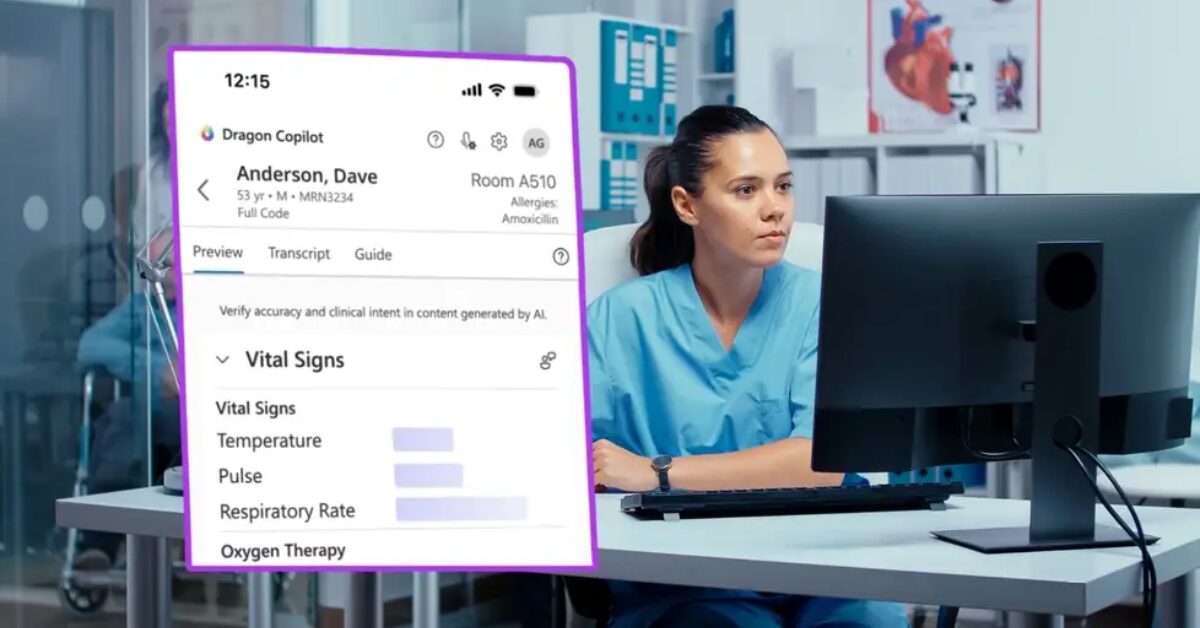
Artificial intelligence (AI) is transforming healthcare, and nursing is one of the professions benefiting the most. Nurses spend a significant portion of every shift documenting patient information, managing medications, coordinating care, and communicating with healthcare teams. While these responsibilities are essential, they often leave less time for direct patient care.
AI-powered nursing apps are helping solve this challenge by automating repetitive tasks, improving workflow efficiency, reducing documentation time, and supporting faster clinical decision-making. From voice-powered charting tools to medication safety apps and clinical reference platforms, AI is becoming an essential part of modern nursing practice.
The best AI apps for nurses are not designed to replace nursing expertise. Instead, they act as intelligent assistants that help nurses work more efficiently, reduce stress, and spend more time with patients.
In this guide, you’ll learn about the best AI apps for nurses to save time during shifts, their key features, benefits, and how they improve patient care.
In This Article
Why Nurses Are Using AI Apps
Healthcare environments are becoming increasingly demanding. Nurses often manage multiple patients while completing documentation, administering medications, coordinating care, and responding to emergencies.
AI applications help by:
- Reducing paperwork
- Improving documentation accuracy
- Organizing clinical information
- Supporting medication safety
- Assisting with clinical decision-making
- Enhancing communication
- Saving valuable time
These tools help nurses focus on what matters most: patient care.
Benefits of AI Apps for Nurses
AI-powered applications offer numerous benefits that help nurses work more efficiently during busy hospital shifts. By automating routine tasks and providing real-time support, these tools allow nurses to focus more on patient care while reducing administrative responsibilities. As healthcare technology continues to evolve, AI apps are becoming valuable assistants that improve productivity, accuracy, and overall job satisfaction.
Faster Documentation
One of the biggest advantages of AI apps is faster documentation. Voice recognition technology and automated charting tools allow nurses to dictate patient notes instead of typing them manually. AI can organize clinical information into electronic health records, reducing documentation time and improving accuracy.
Better Time Management
AI applications help nurses manage their workload by organizing schedules, setting reminders, prioritizing tasks, and providing quick access to patient information. This allows nurses to use their time more effectively during demanding shifts.
Improved Patient Safety
Many AI apps include medication alerts, allergy checks, and clinical decision support features. These tools help nurses identify potential risks, reduce medication errors, and make informed clinical decisions, ultimately improving patient safety.
Reduced Burnout and Better Communication
By automating repetitive administrative tasks, AI reduces paperwork, lowers stress, and improves job satisfaction. AI-powered communication platforms also enable secure and efficient collaboration between nurses, physicians, pharmacists, and other healthcare professionals. Better communication improves care coordination, supports faster decision-making, and helps deliver safer, more patient-centered healthcare.
Microsoft Dragon Medical One
Dragon Medical One is one of the most popular AI-powered documentation tools used in healthcare.
Key Features
- Voice recognition documentation
- Fast clinical note creation
- Cloud-based access
- Medical vocabulary recognition
- Integration with electronic health records
Benefits for Nurses
Instead of typing lengthy patient notes, nurses can dictate assessments and care updates.
This significantly reduces documentation time while improving workflow efficiency.
Microsoft Nuance DAX Copilot
Nuance DAX Copilot combines conversational AI with ambient listening technology.
Key Features
- Automatically creates clinical documentation
- Captures patient conversations
- Generates structured notes
- Integrates with EHR systems
Benefits
Nurses spend less time documenting and more time engaging with patients.
UpToDate
Although primarily known as a clinical decision support platform, UpToDate now includes AI-powered search and evidence recommendations.
Features
- Evidence-based clinical guidance
- Drug information
- Treatment recommendations
- Medical calculators
- Disease management support
Benefits
Nurses quickly access reliable clinical information without searching multiple resources.
VisualDx
VisualDx is an AI-supported clinical decision support app that helps healthcare professionals identify skin conditions and evaluate patient symptoms more accurately. It combines artificial intelligence with a large medical image database to assist nurses in recognizing diseases that may be difficult to diagnose through observation alone. The app is widely used in hospitals, clinics, and emergency departments to support faster and more informed clinical decisions.
Features
- AI-assisted skin condition identification
- Symptom comparison and analysis
- Extensive clinical image library
- Differential diagnosis support
- Evidence-based medical information
- Search by symptoms, appearance, or patient characteristics
Benefits
VisualDx helps nurses recognize unusual skin conditions, compare symptoms with similar medical cases, and communicate their findings more effectively to physicians and specialists. It improves clinical confidence, supports early diagnosis, and contributes to better patient outcomes by providing quick access to reliable visual references and evidence-based recommendations.
Epocrates
Epocrates is one of the most trusted and widely used medication reference apps in healthcare. It provides nurses with instant access to comprehensive drug information, helping them administer medications safely and accurately during busy shifts. The app is designed to reduce medication errors and support evidence-based clinical decision-making.
Features
- Drug interaction checker
- Pill identification tool
- Dosage guidelines
- Clinical calculators
- Medication safety alerts
- Drug monographs and prescribing information
- Allergy and contraindication checks
Benefits
Epocrates enables nurses to verify medications quickly before administration, ensuring the correct dosage, route, and timing for each patient. Its drug interaction checker helps identify potentially harmful medication combinations, while medication safety alerts reduce the risk of adverse drug events. By providing fast and reliable drug information at the point of care, Epocrates improves patient safety, increases nursing confidence, and saves valuable time during clinical shifts.ly and reduce administration errors.
Medscape
Medscape provides comprehensive medical reference information.
Features
- Disease reference
- Drug database
- Medical news
- Clinical guidelines
- Continuing education
Benefits
Provides quick access to updated clinical information during patient care.
Wolters Kluwer Lippincott Advisor
This evidence-based nursing reference platform supports clinical decisions.
Features
- Nursing procedures
- Care plans
- Drug administration guidance
- Clinical best practices
Benefits
Helps nurses confirm procedures while improving confidence in decision-making.
Carepatron AI
Carepatron uses AI to simplify clinical administration.
Features
- Automated note generation
- Appointment scheduling
- Patient management
- Workflow automation
Benefits
Reduces paperwork and improves organizational efficiency.
Suki AI
Suki AI is an intelligent healthcare assistant designed to reduce documentation burden.
Features
- Voice-powered documentation
- AI-generated clinical notes
- Fast navigation
- Medical terminology recognition
Benefits
Allows nurses to document patient encounters much faster than traditional typing.
Doximity
Doximity combines communication and AI-powered workflow support.
Features
- Secure messaging
- Video calls
- Clinical collaboration
- Professional networking
Benefits
Improves communication between healthcare professionals while reducing delays.
Google Cloud Healthcare AI Tools
Healthcare organizations increasingly use Google’s AI technologies.
Features
- Medical data analysis
- Predictive analytics
- Document processing
- AI-assisted workflows
Benefits
Supports large healthcare systems in improving efficiency and patient care.
Oracle Health Clinical AI
Oracle Health integrates AI into electronic health records.
Features
- Automated documentation
- Voice-assisted charting
- Clinical summaries
- Smart recommendations
Benefits
Helps nurses complete documentation more efficiently while improving accuracy.
Features to Look for in AI Nursing Apps
Choosing the right AI nursing app depends on your clinical responsibilities, workplace requirements, and daily workflow. Not every app offers the same capabilities, so it is important to select one that improves efficiency while supporting patient safety and data security. The best AI nursing apps combine advanced technology with user-friendly features that help nurses save time and deliver high-quality care.
Voice Recognition
Voice recognition is one of the most valuable features in AI nursing apps. It allows nurses to dictate patient notes instead of typing them manually, converting speech into accurate clinical documentation within seconds. Fast speech-to-text technology reduces documentation time, minimizes repetitive typing, and allows nurses to spend more time providing direct patient care.
Electronic Health Record Integration
An effective AI app should integrate seamlessly with the hospital’s Electronic Health Record (EHR) system. This enables patient information, laboratory results, medications, and clinical notes to be synchronized automatically, eliminating duplicate data entry and improving workflow efficiency. Seamless integration also ensures that healthcare teams have access to accurate and up-to-date patient records.
Clinical Decision Support
Many AI nursing apps provide evidence-based clinical decision support to assist nurses in making informed decisions. These tools can identify abnormal vital signs, suggest appropriate interventions, highlight potential risks, and provide access to current clinical guidelines. While AI supports decision-making, nurses should always use their professional judgment when caring for patients.
Medication Safety Tools
Medication safety is a critical aspect of nursing practice. AI apps with drug interaction checkers, dosage calculators, allergy alerts, and medication safety warnings help reduce medication errors and improve patient safety. These features allow nurses to verify prescriptions quickly before administering medications.
Mobile Accessibility
Mobile accessibility enables nurses to use AI apps on smartphones or tablets while moving throughout the healthcare facility. Quick access to patient information, medication references, clinical guidelines, and communication tools improves efficiency and supports faster clinical decisions without requiring nurses to return to a workstation.
Security Features
Because AI nursing apps handle sensitive patient information, strong security features are essential. High-quality apps should include data encryption, secure login authentication, role-based access controls, and compliance with healthcare privacy regulations. Protecting patient confidentiality is critical for maintaining trust and ensuring the safe use of digital healthcare technologies.
How AI Apps Improve Nursing Workflow
AI applications streamline many daily nursing responsibilities.
Examples include:
- Faster patient documentation
- Automated reminders
- Medication verification
- Clinical information retrieval
- Shift scheduling
- Task prioritization
- Care coordination
Reducing repetitive work allows nurses to concentrate on patient-centered care.
Can AI Apps Reduce Nurse Burnout?
Administrative work contributes significantly to burnout.
AI helps reduce stress by:
- Automating documentation
- Organizing workflows
- Reducing duplicate data entry
- Supporting clinical decisions
- Improving communication
While AI cannot eliminate emotional stress, it reduces administrative burdens that often contribute to fatigue.
Challenges of AI Apps for Nurses
Although AI applications offer many advantages, they also come with certain challenges that healthcare organizations and nursing professionals must consider. Successful adoption requires proper planning, ongoing training, and strong technical support to ensure these tools enhance patient care without creating additional problems. Understanding these limitations helps nurses use AI responsibly while maintaining high standards of clinical practice.
Learning Curve
One of the biggest challenges of adopting AI apps is the learning curve. New software requires training, practice, and time before nurses can use it confidently. Healthcare professionals must become familiar with voice recognition tools, digital documentation systems, app navigation, and AI-assisted workflows. Without proper education and ongoing support, new technology may initially slow productivity and increase frustration instead of improving efficiency.
Privacy Concerns
AI nursing apps often process sensitive patient information, including medical histories, laboratory results, treatment plans, and personal health records. Protecting this data is essential for maintaining patient trust and complying with healthcare privacy regulations. Healthcare organizations must use strong cybersecurity measures such as data encryption, secure authentication, and access controls to prevent unauthorized access and data breaches.
Technology Dependence
While AI can provide valuable clinical support, nurses should never rely entirely on technology. AI-generated recommendations should always be reviewed using professional judgment and clinical experience. Every patient is unique, and nursing decisions should consider individual circumstances that AI may not fully understand. Technology should support clinical decision-making, not replace the expertise of qualified nurses.
Cost
Many advanced AI platforms require significant financial investment for software licensing, hardware upgrades, implementation, and staff training. Smaller hospitals, clinics, and healthcare organizations may find these costs challenging, making widespread adoption more difficult despite the long-term benefits.
System Downtime
Like any digital technology, AI applications can experience technical failures, software bugs, or network outages. During system downtime, nurses may temporarily lose access to documentation tools or clinical information, disrupting normal workflows. Healthcare organizations should maintain reliable backup procedures and provide technical support to ensure patient care continues safely during unexpected interruptions.
Best Practices for Using AI Apps
Healthcare organizations should encourage responsible AI adoption.
Recommendations include:
- Verify AI-generated documentation
- Protect patient confidentiality
- Participate in ongoing training
- Report software issues promptly
- Use AI as a support tool rather than a replacement for professional judgment
These practices maximize benefits while minimizing risks.
The Future of AI Apps in Nursing
AI technology continues evolving rapidly.
Future nursing apps may include:
- Real-time multilingual translation
- Predictive patient monitoring
- Voice-controlled care plans
- AI-powered shift optimization
- Personalized workflow assistants
- Automated discharge planning
These innovations will continue reducing administrative burden while supporting better patient care.
Choosing the Best AI App
The ideal AI app depends on your role and workplace.
For documentation:
- Dragon Medical One
- Nuance DAX Copilot
- Suki AI
For medication safety:
- Epocrates
For clinical reference:
- UpToDate
- Medscape
- Lippincott Advisor
For workflow management:
- Carepatron AI
- Oracle Health Clinical AI
Healthcare organizations should evaluate usability, security, integration, and training requirements before implementation.
Must Read:
- Can AI Reduce Nurse Burnout in Hospitals?
- AI Documentation for Nurses: Pros, Cons & Risks
- AI vs Human Nurses: What Patients Really Prefer
Conclusion:
The best AI apps for nurses to save time during shifts are transforming modern healthcare by reducing administrative workload, improving documentation, supporting medication safety, and enhancing clinical decision-making.
Applications such as Dragon Medical One, Nuance DAX Copilot, Suki AI, Epocrates, UpToDate, VisualDx, and Oracle Health Clinical AI help nurses work more efficiently while maintaining high standards of patient care.
Although AI cannot replace the compassion, critical thinking, and clinical expertise of nurses, it serves as a valuable partner that automates repetitive tasks and streamlines daily workflows.
As healthcare technology continues to advance, nurses who embrace AI-powered tools will be better equipped to deliver safer, faster, and more patient-centered care while reducing stress and improving job satisfaction.