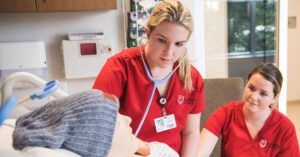

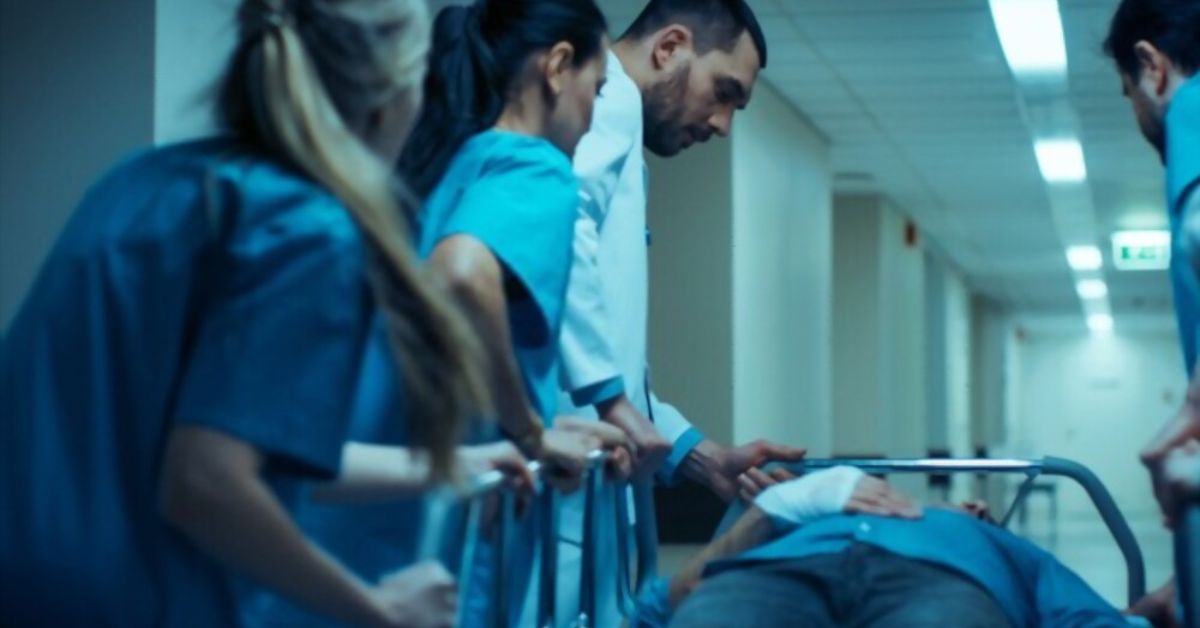
A day in the life of an ER nurse in 2026 can be fast-paced, unpredictable, physically demanding, and incredibly rewarding. Unlike many nursing specialties where patient schedules may be more predictable, emergency room nurses rarely know what their next patient will need.
One moment, an ER nurse may be assessing someone with a minor injury. Minutes later, they could be assisting with a serious trauma, monitoring a patient with breathing difficulties, or responding to a sudden change in someone’s condition.
In 2026, emergency nursing continues to evolve alongside healthcare technology. Electronic health records, digital monitoring systems, automated medication systems, telehealth tools, and AI-assisted workflows may be part of the modern emergency department. However, technology does not replace the core responsibilities of an ER nurse. Clinical judgment, communication, compassion, teamwork, and quick decision-making remain essential.
This guide explores what an ER nurse does during a typical shift, what skills are required, what challenges nurses face, and why emergency nursing continues to attract healthcare professionals.
In This Article
What Does an ER Nurse Do?
An ER nurse, also known as an emergency room nurse or emergency department nurse, provides care to patients who arrive at a hospital seeking immediate medical attention.
Patients can have a wide range of conditions, from minor injuries to serious or potentially life-threatening emergencies.
Common ER nurse responsibilities include:
- Assessing patients
- Performing triage
- Checking vital signs
- Monitoring patients
- Administering medications
- Starting IVs
- Collecting specimens
- Assisting with procedures
- Providing wound care
- Supporting emergency interventions
- Communicating with doctors and specialists
- Documenting patient care
- Educating patients and families
- Preparing patients for discharge
- Preparing patients for admission
- Giving patient handoffs
The biggest difference between emergency nursing and many other nursing roles is unpredictability.
An ER nurse needs to be prepared for constant changes in patient volume and condition.
Starting the ER Nurse Shift
An ER nurse usually begins a shift by receiving a handoff from the previous nursing team.
The handoff provides important information about patients currently in the emergency department.
This may include their symptoms, current condition, medications, recent changes, test results, pending procedures, and expected next steps.
The nurse may also review the overall status of the department.
For example, they may want to know:
- How many patients are currently being treated?
- How crowded is the waiting area?
- Are ambulances expected?
- Are trauma cases already in progress?
- Are patients waiting for hospital admission?
- Are there available treatment rooms?
This information helps the nurse understand what kind of shift they may be walking into.
However, an ER nurse knows that even the best plan can change quickly.
Checking the Emergency Department
Before becoming deeply involved in patient care, nurses may check their assigned treatment area and ensure essential equipment and supplies are available.
Depending on the department, this can include:
- Gloves
- IV supplies
- Syringes
- Dressings
- Monitoring equipment
- Oxygen supplies
- Emergency equipment
- Protective equipment
- Wound-care supplies
- Frequently used medical items
Organization is especially important in emergency nursing.
When a seriously ill patient arrives, nurses need to focus on patient care rather than searching for basic supplies.
A few minutes spent preparing the work area can make a busy shift easier to manage.
The First Patient of the Day
The first patient could arrive with almost any complaint.
For example, an ER nurse might receive a patient experiencing severe abdominal pain, another patient who has fallen, and someone complaining of shortness of breath.
The nurse begins assessing the patient and collecting relevant information.
This can include:
- Vital signs
- Symptoms
- Pain level
- Medical history
- Medication information
- Allergies
- Current concerns
- Level of consciousness
- Relevant physical findings
Emergency nursing requires more than simply recording information.
The nurse must identify which findings may require immediate attention.
Understanding Triage
Triage is one of the most important parts of emergency nursing.
Patients aren’t necessarily treated in the exact order in which they arrive.
A patient who walked into the ER five minutes ago could require immediate attention, while someone who has been waiting longer may have a less urgent condition.
The purpose of triage is to help identify patients who need faster evaluation and treatment.
An ER nurse may assess symptoms, vital signs, appearance, medical history, and other relevant factors.
Triage requires strong clinical judgment because patients can deteriorate while waiting.
A patient’s priority can also change if new symptoms develop.
Managing Multiple Patients
One of the biggest challenges for an ER nurse is managing multiple patients at the same time.
A nurse might have one patient waiting for medication, another waiting for imaging, a third requiring reassessment, and another preparing for discharge.
Then a new patient arrives.
Suddenly, one of the existing patients may develop concerning symptoms.
The nurse must quickly reconsider priorities.
This is why ER nurse time management is so important.
Emergency nurses don’t simply follow a fixed checklist.
They constantly reassess what needs to happen next.
What Types of Patients Does an ER Nurse See?
Emergency departments treat a huge variety of conditions.
An ER nurse may care for patients experiencing:
- Minor cuts
- Sprains
- Fractures
- Fever
- Infections
- Abdominal pain
- Chest discomfort
- Breathing difficulties
- Allergic reactions
- Dehydration
- Falls
- Severe pain
- Medication-related concerns
- Mental health emergencies
- Substance-related emergencies
- Major injuries
- Serious medical conditions
This variety is one of the most attractive aspects of emergency nursing.
A nurse can learn from every shift because no two days are exactly alike.
Administering Medications
Medication administration is another common responsibility.
Depending on the patient’s condition and treatment plan, ER nurses may administer medications for pain, nausea, infections, allergic reactions, breathing problems, cardiac conditions, or other acute concerns.
The nurse must carefully verify medications and monitor the patient’s response.
Emergency patients may sometimes arrive without complete medical information.
They may not remember all their medications or may be unable to provide a full medical history.
This makes careful assessment and communication especially important.
Starting IVs and Collecting Specimens
Many emergency patients require IV access.
An ER nurse may start an IV line to provide medications or fluids or to facilitate other aspects of treatment.
The nurse may also collect blood and other specimens for laboratory testing.
These are common nursing procedures, but they still require attention to detail.
While performing the procedure, the nurse also observes the patient.
A patient may become anxious, experience increased pain, or show signs of deterioration.
Emergency nursing involves performing technical tasks while continuously assessing the patient.
When a Trauma Patient Arrives
A trauma case can immediately change the pace of an emergency department.
Several healthcare professionals may become involved at the same time.
Depending on the situation, an ER nurse may assist with:
- Initial assessment
- Vital-sign monitoring
- IV access
- Medication administration
- Blood collection
- Wound care
- Patient positioning
- Monitoring
- Communication
- Documentation
- Preparation for diagnostic testing
Trauma care requires excellent teamwork.
Every healthcare professional needs to understand their role and communicate clearly.
For many ER nurses, trauma care is one of the most intense and meaningful parts of the job.
Recognizing When a Patient Is Getting Worse
One of the most valuable skills an ER nurse develops is the ability to recognize patient deterioration.
A patient who initially appears stable can suddenly develop changes in:
- Breathing
- Heart rate
- Blood pressure
- Oxygenation
- Consciousness
- Pain
- Neurological status
- Overall appearance
The nurse needs to recognize concerning changes and respond according to the patient’s condition and established clinical procedures.
Sometimes the change is obvious.
Other times, it may be subtle.
Experienced nurses learn to pay attention to both monitor readings and the patient’s overall appearance and behavior.
Working With the Healthcare Team
Emergency nursing is highly collaborative.
An ER nurse may work with:
- Emergency physicians
- Advanced practice providers
- Respiratory therapists
- Pharmacists
- Laboratory professionals
- Radiology staff
- Patient care technicians
- Social workers
- Specialists
- Other nurses
Communication happens throughout the shift.
A nurse may report a change in a patient’s condition, communicate test results, clarify instructions, or coordinate a patient’s transfer.
Good communication can make a major difference in a busy emergency department.
Talking With Patients
Patients don’t arrive at the ER only with physical symptoms.
Many are frightened, anxious, uncomfortable, or confused.
An ER nurse may need to explain what is happening, what tests are being performed, why monitoring is necessary, and what the next step may be.
Good patient communication requires listening as well as speaking.
A patient may provide an important piece of information simply because the nurse took the time to listen.
Nurses also need to avoid unnecessary medical jargon and explain information in a way the patient can understand.
Supporting Families
Family members may also need support during an emergency.
They may be worried about a loved one’s condition and unsure about what happens next.
Depending on the situation and privacy requirements, nurses may help explain the general process and provide appropriate updates.
Family members may ask questions about:
- Tests
- Procedures
- Treatment
- Waiting times
- Admission
- Discharge
- Next steps
Remaining calm and respectful can help reduce some of the stress surrounding an emergency visit.
Documentation During an ER Shift
Documentation remains a major part of nursing.
ER nurses may document:
- Patient assessments
- Vital signs
- Medications
- Procedures
- Patient responses
- Communication
- Changes in condition
- Patient education
- Discharge instructions
Electronic health records are now central to many nursing workflows.
However, documentation must be balanced with direct patient care.
A nurse needs to record important information accurately without losing awareness of what’s happening around them.
Technology and ER Nursing in 2026
Technology has become increasingly important in modern healthcare.
Depending on the hospital, an ER nurse may use:
- Electronic health records
- Digital monitoring systems
- Automated medication systems
- Electronic communication platforms
- Clinical decision-support tools
- Digital imaging systems
- AI-assisted healthcare technology
AI may help organize information, identify patterns, support administrative tasks, or assist certain clinical workflows.
However, nurses still need to evaluate information carefully.
Technology can provide an alert or recommendation, but the nurse must consider the patient’s complete clinical situation.
Human judgment remains essential.
What Happens During a Busy ER Shift?
Some shifts can become extremely busy.
The waiting room may fill up.
Multiple ambulances may arrive.
Treatment rooms may become occupied.
At the same time, existing patients may require medication, procedures, reassessment, or admission.
An ER nurse must constantly adjust priorities.
The most important task can change within minutes.
This requires focus, flexibility, and good communication with the rest of the healthcare team.
Caring for Mental Health Emergencies
Mental health emergencies are also an important part of emergency nursing.
ER nurses may encounter patients experiencing:
- Severe anxiety
- Psychosis
- Suicidal thoughts
- Severe agitation
- Substance-related emergencies
- Behavioral changes
- Other mental health crises
These situations require careful communication and attention to safety.
A nurse may need to create a calmer environment while following the hospital’s established procedures.
Mental health emergencies can be challenging because the patient’s behavior and emotional state may change quickly.
Caring for Pediatric Patients
Children can require a different approach in the emergency department.
Young patients may be frightened and may have difficulty describing their symptoms.
An ER nurse caring for a child needs to consider:
- Age
- Development
- Weight
- Communication ability
- Parent or caregiver observations
- Pediatric assessment requirements
Communication needs to be age appropriate.
Helping a child feel safe can make examinations and procedures easier for everyone involved.
Preparing Patients for Tests
Many ER patients require diagnostic testing.
Depending on their symptoms, they may need laboratory work, imaging, monitoring, or other assessments.
The nurse may help prepare the patient, collect specimens, coordinate with other departments, and monitor the patient’s condition.
The nurse also needs to keep track of what is still pending.
A patient waiting for test results may still need medication, reassessment, or other care.
Reassessing Patients While They Wait
Waiting for results doesn’t mean patient care stops.
A patient’s condition can change while they are waiting for imaging, laboratory results, or a consultation.
An ER nurse may need to reassess symptoms and vital signs and communicate significant changes to the healthcare team.
This ongoing monitoring is one of the reasons emergency nursing requires constant attention.
Discharging Patients
Many emergency patients are discharged home.
Before discharge, an ER nurse may provide education about:
- Medications
- Follow-up appointments
- Home care
- Warning signs
- Activity restrictions
- Wound care
- When to seek additional care
Patient education is especially important because people may be overwhelmed during an emergency visit.
Clear instructions can help patients understand what to do after leaving the hospital.
Admitting Patients to the Hospital
Some patients require continued inpatient care.
The ER nurse may continue monitoring and treatment while the patient waits for an available hospital bed.
When the patient is transferred, the ER nurse provides a handoff to the receiving team.
The handoff may include:
- Current condition
- Treatments provided
- Medications
- Test results
- Pending tasks
- Recent changes
- Safety concerns
Good communication during this transition supports continuity of care.
The Physical Demands of Emergency Nursing
Emergency nursing can be physically demanding.
Nurses may spend much of their shift walking and standing.
They may assist with patient transfers, repositioning, procedures, and other physically demanding tasks.
Long shifts can also contribute to fatigue.
Comfortable nursing shoes, appropriate workwear, hydration, nutrition, and proper body mechanics can help nurses manage the physical demands of the profession.
The Emotional Demands of Emergency Nursing
Emergency nursing can also be emotionally challenging.
Nurses may care for people experiencing:
- Severe injuries
- Sudden illness
- Serious pain
- Mental health crises
- Traumatic events
- Life-threatening conditions
- Loss
Some situations can be difficult to process.
Supportive coworkers, healthy personal routines, professional resources, and workplace support can help nurses manage the emotional demands of the job.
Emotional resilience doesn’t mean ignoring difficult experiences.
It means developing healthy ways to process them.
What Happens During a Slow ER Shift?
Not every emergency department shift is chaotic.
There may be quieter periods when nurses can:
- Complete documentation
- Restock supplies
- Organize equipment
- Review patient information
- Help coworkers
- Complete required tasks
- Prepare for new patients
However, emergency departments need to stay prepared.
A quiet period can quickly turn into a busy situation when multiple patients arrive at once.
Skills Every ER Nurse Needs in 2026
Emergency nursing requires much more than basic clinical knowledge. ER nurses work in unpredictable environments where patient conditions can change quickly and multiple priorities may compete for attention. In 2026, successful emergency nurses need a balanced combination of clinical expertise, communication abilities, technology skills, and emotional resilience.
Clinical Judgment
Strong clinical judgment is essential for every ER nurse. Nurses must recognize important symptoms, identify changes in a patient’s condition, and understand when additional assessment or intervention may be necessary. Good judgment helps nurses prioritize patient needs while maintaining a strong focus on safety.
Critical Thinking
Emergency departments rarely follow a predictable routine. Nurses may care for several patients with completely different conditions at the same time. Critical thinking allows ER nurses to evaluate information, identify priorities, and make appropriate decisions when situations change quickly.
Communication
Clear communication is one of the most important ER nursing skills. Nurses regularly communicate with patients, families, physicians, specialists, and other healthcare professionals. They need to explain information clearly, report changes accurately, and listen carefully to patient concerns.
Time Management
ER nurses often have multiple responsibilities competing for their attention. Effective time management helps them organize medications, assessments, documentation, procedures, and reassessments without losing sight of patient safety.
Adaptability
An emergency department can become busy without warning. ER nurses need to adapt quickly when patient volume increases, priorities change, or unexpected emergencies occur.
Technical Skills
Confidence with common nursing procedures and emergency equipment is essential. ER nurses may perform IV placement, medication administration, wound care, monitoring, specimen collection, and other clinical tasks.
Emotional Resilience
Emergency nursing can be physically and emotionally demanding. Nurses need healthy ways to manage stressful situations while continuing to provide professional and compassionate care.
Technology Skills
Modern ER nurses also need digital confidence. Electronic health records, patient monitoring systems, automated medication technology, and other healthcare tools are increasingly part of everyday emergency nursing.
Day Shift vs. Night Shift
Emergency departments operate around the clock, so nurses may work days, evenings, nights, weekends, and holidays.
Day shifts may involve significant patient volume and activity throughout the hospital.
Night shifts can have a different rhythm, but serious emergencies can happen at any hour.
Night-shift nurses also need to manage sleep and recovery around an unusual schedule.
Anyone considering emergency nursing should understand that shift work is an important part of the career.
What Does an ER Nurse Carry?
ER nurses often keep several practical items nearby during their shifts.
Common items may include:
- Stethoscope
- Pens
- Badge
- Watch
- Small notebook
- Water bottle
- Phone
- Charger
- Personal hygiene products
The exact list varies from nurse to nurse.
The goal is to carry useful essentials without creating unnecessary clutter.
Why Choose a Career as an ER Nurse?
There are many reasons nurses choose emergency nursing.
Some enjoy the fast pace.
Others like working with a wide range of patients.
Some appreciate the teamwork and collaboration.
Others enjoy solving problems under pressure.
Emergency nursing can also expose nurses to many different clinical situations, helping them develop broad experience.
For people who enjoy variety and continuous learning, the emergency department can be an exciting environment.
Common Challenges of Being an ER Nurse
Emergency nursing has many rewards, but it also has significant challenges.
These can include:
- Long shifts
- Physical fatigue
- High patient volumes
- Emotional stress
- Unpredictable schedules
- Difficult patient interactions
- Heavy documentation
- Constant interruptions
- Rapidly changing priorities
Understanding these realities is important for anyone thinking about becoming an ER nurse.
The specialty requires preparation, flexibility, and the ability to remain professional under pressure.
What Makes a Great ER Nurse?
Being a great ER nurse isn’t simply about moving quickly.
A strong emergency nurse knows how to prioritize.
They recognize changes in patient condition.
They listen carefully.
They communicate clearly.
They support their coworkers.
They remain calm when the department becomes busy.
They understand that every patient deserves respectful and compassionate care.
The best ER nurses combine clinical knowledge with human connection.
Ending the ER Nurse Shift
As the end of the shift approaches, the nurse begins preparing for handoff.
Some patients may have been discharged.
Others may have been admitted.
New patients may still be arriving.
The outgoing nurse needs to organize important information about patients who remain in the department.
This may include:
- Current condition
- Recent changes
- Medications
- Pending tests
- Outstanding tasks
- Admission status
- Safety concerns
The incoming nurse needs enough information to continue care safely.
After completing the handoff and required documentation, the ER nurse can finally leave for the day.
Must Read:
- TikTok Nursing Trends That Are Actually Helpful
- Best Nursing Shoes for Long Shifts
- Best Water Bottles for Nurses During Long Shifts
Final Thoughts:
A day in the life of an ER nurse in 2026 can look completely different from one shift to the next.
An ordinary shift may involve patient assessments, triage, medication administration, IV placement, documentation, patient education, diagnostic testing, and discharge planning.
Another shift may involve trauma care, critically ill patients, mental health emergencies, or several urgent cases arriving within a short period.
Technology is playing a larger role in emergency nursing, but the fundamentals remain the same.
Patients need nurses who can recognize changes.
Families need clear communication.
Healthcare teams need accurate observations and reliable collaboration.
And people experiencing emergencies need compassionate human care.
Emergency nursing is fast-paced, physically demanding, emotionally challenging, and unpredictable. Yet for nurses who enjoy variety, teamwork, critical thinking, and meaningful patient interaction, it can also be an extremely rewarding career.
The defining feature of emergency nursing is simple: you never really know what the next patient will bring.