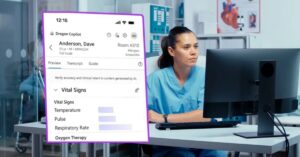

The nursing profession is evolving rapidly, and remote healthcare opportunities are growing faster than ever before. Advances in telemedicine, digital healthcare platforms, artificial intelligence, and remote patient monitoring technologies have transformed how nurses deliver care. As healthcare organizations continue investing in virtual healthcare services, nurses now have access to a wide range of remote career opportunities that offer flexibility, competitive salaries, and long-term growth potential.
Remote nursing jobs allow healthcare professionals to provide patient care, education, care coordination, and clinical support without working in a traditional hospital or clinic setting. Many of these positions can be performed entirely from home, making them attractive options for nurses seeking better work-life balance and reduced physical demands.
In 2026, remote nursing is no longer a niche career path. It has become a major part of modern healthcare delivery. This guide explores the best remote nursing jobs in 2026, including responsibilities, required skills, salary expectations, benefits, and future career opportunities.
In This Article
Why Remote Nursing Is Growing in 2026
Remote nursing is experiencing unprecedented growth in 2026 as healthcare organizations adapt to changing patient needs, technological advancements, and evolving healthcare delivery models. What was once considered a niche career path has become a major component of modern healthcare. Several important trends are driving the increasing demand for remote nursing professionals across the healthcare industry.
Expansion of Telemedicine
Virtual healthcare services have become a standard part of patient care. Hospitals, clinics, insurance companies, and telehealth providers are increasingly relying on nurses to support telemedicine programs and remote patient interactions. From virtual consultations to chronic disease management, telemedicine has created numerous opportunities for nurses to provide care without being physically present with patients.
Healthcare Technology Advancements
Rapid advancements in healthcare technology have made remote nursing more effective and efficient than ever before. Digital healthcare tools, electronic health records (EHR), wearable health devices, mobile health applications, and remote monitoring systems allow nurses to assess patient conditions, track health data, and coordinate care from virtually anywhere. These innovations continue to expand the scope of remote nursing roles.
Growing Demand for Flexible Healthcare Services
Modern patients increasingly prefer convenient healthcare options that fit their lifestyles. Remote healthcare services allow individuals to receive medical guidance, follow-up care, and health monitoring from the comfort of their homes. This growing preference for convenience has significantly increased demand for remote nursing services.
Healthcare Workforce Shortages
Many healthcare systems continue facing nursing shortages and staffing challenges. Remote nursing helps organizations maximize available nursing resources while expanding patient access to care. Virtual care models allow healthcare providers to serve more patients efficiently without requiring additional physical facilities.
Increased Focus on Preventive Care
Healthcare organizations are placing greater emphasis on disease prevention, wellness programs, and chronic condition management. Remote nurses play an important role in monitoring patients, providing education, supporting healthy lifestyle changes, and identifying potential health concerns before they become serious problems.
Telehealth Nurse
Telehealth nursing remains one of the most popular and fastest-growing remote nursing careers in 2026. As healthcare organizations continue expanding virtual care services, telehealth nurses play a critical role in providing patient support, education, and clinical guidance through digital healthcare platforms. This specialty allows nurses to combine their clinical expertise with modern technology while enjoying the flexibility of remote work.
Responsibilities
Telehealth nurses provide healthcare support remotely using various communication technologies. They interact with patients through:
- Video consultations
- Phone calls
- Secure messaging systems
- Virtual healthcare platforms
Their responsibilities often include assessing symptoms, reviewing patient concerns, providing medical guidance, educating patients about treatment plans, monitoring ongoing health conditions, and coordinating care with physicians and other healthcare professionals. Telehealth nurses also help determine when patients require in-person medical attention or emergency care.
Why It Is Popular
Telehealth nursing has become a preferred career choice for many healthcare professionals because it offers a combination of flexibility, stability, and professional growth. Nurses can work from home while continuing to make a meaningful impact on patient care.
Key reasons for its popularity include:
- Flexible work arrangements
- Strong job demand
- Better work-life balance
- Reduced physical strain
- Opportunities to work with diverse patient populations
- Growing healthcare technology integration
This role is especially appealing to experienced nurses seeking alternatives to traditional bedside nursing.
Career Outlook
The future of telehealth nursing is extremely promising. As telemedicine continues expanding worldwide, healthcare organizations are investing heavily in virtual care programs, remote patient monitoring, and digital health services. This ongoing growth is creating a steady demand for qualified telehealth professionals.
Remote Nurse Case Manager
Remote nurse case managers play a vital role in modern healthcare by coordinating services, supporting patients, and ensuring continuity of care throughout the treatment process. These professionals work remotely while helping patients navigate complex healthcare systems, access necessary resources, and achieve better health outcomes. As telehealth and care coordination programs continue to expand, remote nurse case management has become one of the most in-demand remote nursing careers.
Responsibilities
Remote nurse case managers work closely with patients, physicians, specialists, insurance providers, and caregivers to ensure healthcare services are delivered efficiently and effectively.
Their duties typically include:
- Care coordination
- Reviewing treatment plans
- Patient advocacy
- Monitoring patient progress
- Communicating with healthcare providers
- Educating patients about treatment options
- Assisting with healthcare resource navigation
- Supporting discharge and follow-up planning
By coordinating various aspects of patient care, case managers help improve treatment outcomes and reduce unnecessary healthcare utilization.
Benefits
One of the biggest advantages of becoming a remote nurse case manager is the opportunity to combine clinical expertise with healthcare management. This role allows nurses to continue making a meaningful impact on patient care without the physical demands of traditional bedside nursing.
Key benefits include:
- Remote work flexibility
- Competitive salaries
- Reduced physical strain
- Professional growth opportunities
- Strong job stability
- Meaningful patient interaction
- Leadership and care coordination experience
Many nurses find this specialty rewarding because it allows them to advocate for patients and contribute to long-term health improvements.
Demand
The demand for remote nurse case managers continues to grow as healthcare organizations focus on improving patient outcomes, reducing costs, and expanding virtual care services. Insurance companies, healthcare systems, managed care organizations, and telehealth providers are actively investing in case management programs to support complex patient populations.
Remote Patient Monitoring Nurse
Remote patient monitoring nurses are becoming increasingly important in modern healthcare as telemedicine and digital health technologies continue to expand. These professionals use connected healthcare devices and monitoring systems to track patient health remotely, allowing healthcare teams to identify potential problems early and provide timely interventions. Remote patient monitoring has become a key component of preventive care, chronic disease management, and home-based healthcare services.
Responsibilities
Remote patient monitoring nurses oversee and evaluate health data collected through digital devices and wearable healthcare technology. Their role involves reviewing patient information, identifying concerning trends, communicating with patients, and coordinating care with healthcare providers.
These nurses commonly monitor:
- Blood pressure
- Heart rate
- Blood glucose levels
- Oxygen saturation
- Weight changes
- Activity levels
Digital devices automatically send patient information to healthcare teams, allowing nurses to assess health conditions without requiring in-person visits. When abnormalities are detected, nurses may contact patients, provide guidance, or notify physicians for further evaluation.
Benefits
Remote patient monitoring offers significant benefits for both patients and healthcare organizations. By continuously tracking health data, nurses can identify concerns before they become serious medical issues.
Key benefits include:
- Early detection of health problems
- Improved chronic disease management
- Reduced hospital admissions
- Better patient outcomes
- Increased healthcare accessibility
- Enhanced preventive care services
This proactive approach helps patients receive timely support while reducing healthcare costs and improving overall quality of care.
Future Growth
The future of remote patient monitoring is extremely promising. The growing use of wearable healthcare technology, smart medical devices, mobile health applications, and connected healthcare systems is driving demand for nurses with remote monitoring expertise.nology is creating significant demand for remote monitoring nurses.
Utilization Review Nurse
Utilization review nurses play an important role in ensuring that healthcare services are medically appropriate, cost-effective, and aligned with established healthcare guidelines. This specialty combines clinical nursing knowledge with healthcare administration and insurance processes, making it one of the most popular remote nursing careers in 2026. Many utilization review positions can be performed entirely from home, offering flexibility and a structured work environment.
Responsibilities
Utilization review nurses assess healthcare services and treatment plans to determine whether they meet medical necessity criteria and organizational standards. Their work helps improve healthcare efficiency while ensuring patients receive appropriate care.
Common duties include:
- Reviewing medical records
- Evaluating treatment necessity
- Ensuring compliance with healthcare guidelines
- Supporting insurance authorization processes
- Assessing hospital admissions and lengths of stay
- Communicating with healthcare providers
- Documenting review decisions and recommendations
These professionals work closely with physicians, healthcare facilities, and insurance companies to support quality patient care and efficient resource utilization.
Why This Role Is Attractive
Many nurses are drawn to utilization review because it offers an opportunity to use clinical expertise without the physical demands of bedside care. Most positions follow regular business hours and can often be performed remotely.
Key benefits include:
- Fully remote work opportunities
- Predictable schedules
- Reduced physical strain
- Strong work-life balance
- Competitive salaries
- Professional career growth
The role is especially appealing to experienced nurses seeking a transition into administrative or non-clinical healthcare careers.
Industry Demand
Insurance providers, managed care organizations, hospitals, and healthcare systems continue hiring utilization review specialists as they focus on improving healthcare quality and controlling costs. The growing complexity of healthcare regulations and reimbursement processes has increased the need for qualified professionals in this field.
Nurse Health Coach
Nurse health coaches are becoming increasingly important in modern healthcare as organizations place greater emphasis on preventive care, wellness programs, and long-term health improvement. Rather than focusing solely on treating illness, nurse health coaches help patients develop healthier habits, manage chronic conditions, and achieve personal wellness goals. Many of these roles can be performed remotely, making them an attractive option for nurses seeking flexible career opportunities.
Responsibilities
Nurse health coaches work closely with patients to encourage positive lifestyle changes and improve overall health outcomes. Through education, motivation, and ongoing support, they help individuals take a more active role in managing their health.
Health coaches commonly help patients:
- Improve nutrition
- Increase physical activity
- Manage chronic conditions
- Achieve wellness goals
- Reduce health risks
- Develop healthier lifestyle habits
- Improve treatment adherence
They may also provide guidance on stress management, weight control, smoking cessation, and disease prevention strategies.
Benefits
One of the biggest advantages of becoming a nurse health coach is the opportunity to focus on patient education and long-term health improvement. Instead of primarily treating acute medical issues, health coaches help patients make sustainable changes that can improve their quality of life.
Additional benefits include:
- Remote work opportunities
- Flexible schedules
- Reduced physical demands
- Strong patient relationships
- Meaningful impact on preventive healthcare
- Growing career opportunities
Career Outlook
The demand for nurse health coaches continues to grow as healthcare systems increasingly prioritize wellness, disease prevention, and population health management. Employers recognize that helping patients adopt healthier lifestyles can reduce healthcare costs and improve long-term outcomes.
Telehealth Triage Nurse
Telehealth triage nurses are an essential part of modern virtual healthcare systems. These professionals assess patient symptoms remotely and determine the most appropriate level of care based on the patient’s condition. By providing timely guidance and directing patients to the right healthcare resources, telehealth triage nurses help improve patient outcomes and support more efficient healthcare delivery.
Responsibilities
Telehealth triage nurses use phone calls, video consultations, and digital healthcare platforms to evaluate patient concerns and determine the urgency of medical needs.
These professionals commonly:
- Evaluate symptoms
- Assess health risks
- Recommend appropriate care options
- Refer emergency cases to hospitals or urgent care facilities
- Provide self-care guidance when appropriate
- Educate patients about treatment recommendations
- Document patient interactions and assessments
Strong clinical judgment and communication skills are essential because nurses must make decisions without performing physical examinations.
Benefits
Telehealth triage plays a critical role in improving healthcare efficiency and patient access to care. By helping patients receive the right level of treatment at the right time, triage nurses contribute to better healthcare outcomes and resource management.
Key benefits include:
- Reduced emergency room overcrowding
- Improved healthcare efficiency
- Faster patient access to medical guidance
- Increased convenience for patients
- Flexible remote work opportunities
- Meaningful impact on patient care
Future Demand
Healthcare organizations increasingly rely on virtual triage services to manage growing patient volumes and improve access to healthcare. As telemedicine adoption continues to expand, telehealth triage nurses are expected to remain in high demand across hospitals, healthcare systems, insurance providers, and telehealth companies.y rely on virtual triage services to manage patient flow.
Nursing Informatics Specialist
Nursing informatics is one of the fastest-growing specialties in modern healthcare, combining clinical nursing knowledge with technology, data management, and healthcare information systems. As healthcare organizations continue adopting digital solutions, nursing informatics specialists play a critical role in improving patient care, streamlining workflows, and supporting healthcare innovation.
Responsibilities
Nursing informatics specialists serve as a bridge between healthcare professionals and technology teams. They help ensure that digital healthcare systems are effective, user-friendly, and aligned with clinical needs.
These professionals commonly:
- Manage healthcare systems
- Analyze patient data
- Improve electronic health records (EHR)
- Support digital healthcare initiatives
- Optimize clinical workflows
- Assist with healthcare software implementation
- Train healthcare staff on technology systems
By improving how healthcare information is collected and used, nursing informatics specialists contribute to better decision-making and improved patient outcomes.
Benefits
Nursing informatics offers numerous advantages for nurses interested in technology-focused careers. These roles often involve less direct patient care while still allowing professionals to make a meaningful impact on healthcare delivery.
Key benefits include:
- Competitive salaries
- Leadership opportunities
- Remote work options
- Reduced physical demands
- Strong job stability
- Involvement in healthcare innovation
Many nursing informatics professionals advance into management, consulting, or executive-level healthcare technology positions.
Future Outlook
The future of nursing informatics is extremely promising as healthcare organizations continue investing in digital transformation. Technologies such as artificial intelligence, data analytics, telehealth platforms, and electronic health records are increasing the demand for professionals who understand both healthcare and technology.areers continue expanding rapidly.
Chronic Care Management Nurse
Chronic care management nurses support patients with long-term health conditions.
Common Conditions
These include:
- Diabetes
- Hypertension
- Heart disease
- COPD
Responsibilities
Nurses monitor treatment progress, provide education, and coordinate healthcare services.
Why This Career Is Growing
The rising prevalence of chronic diseases continues increasing demand for these specialists.
Behavioral Health Nurse
Behavioral health nurses play a vital role in supporting individuals experiencing mental health conditions, emotional challenges, and substance use disorders. As telehealth services continue to expand, many behavioral health nursing positions can now be performed remotely, allowing nurses to provide care through virtual healthcare platforms. This growing field offers meaningful career opportunities for nurses who are passionate about mental health and patient support.
Responsibilities
Behavioral health nurses work closely with patients, healthcare providers, counselors, and mental health specialists to support treatment plans and improve overall well-being.
They commonly assist patients experiencing:
- Anxiety
- Depression
- Substance use disorders
- Mental health challenges
- Stress-related conditions
- Behavioral and emotional disorders
Their responsibilities may include conducting assessments, monitoring patient progress, providing education, coordinating care, supporting treatment adherence, and helping patients access mental health resources.
Benefits
Behavioral health nurses play a critical role in expanding access to mental healthcare, particularly for individuals who may not have easy access to in-person services. Through telehealth platforms, nurses can reach patients in rural, underserved, or remote communities.
Additional benefits include:
- Meaningful patient impact
- Remote work opportunities
- Growing job demand
- Strong professional fulfillment
- Opportunities for specialization
- Flexible work environments
Future Demand
Demand for behavioral health services continues to grow as awareness of mental health issues increases worldwide. Healthcare organizations are investing heavily in telehealth mental health programs to meet the rising need for accessible and affordable care.ntinues rising globally.
Nurse Educator
Remote nurse educators play an important role in healthcare by providing training, education, and professional development through virtual platforms. As online learning and digital healthcare education continue to grow, nurse educators are becoming increasingly valuable to healthcare organizations, nursing schools, and training programs.
Responsibilities
Remote nurse educators use virtual classrooms, video conferencing tools, and online learning platforms to teach and support a variety of audiences. They may educate:
- Nursing students
- Healthcare staff
- Patients
- Caregivers
Their responsibilities often include developing educational materials, conducting virtual training sessions, evaluating learner progress, and providing guidance on healthcare best practices. Some nurse educators also assist with onboarding new employees and delivering continuing education programs for healthcare professionals.
Benefits
One of the greatest benefits of becoming a remote nurse educator is the opportunity to share knowledge and shape future healthcare professionals. These roles allow experienced nurses to use their clinical expertise while working in a less physically demanding environment.
Additional benefits include:
- Flexible work arrangements
- Reduced physical strain
- Professional leadership opportunities
- Meaningful impact on healthcare education
- Work-from-home possibilities
Career Outlook
The demand for remote nurse educators is expected to continue growing as healthcare organizations and educational institutions expand online learning programs. Advances in digital technology, virtual classrooms, and distance learning platforms are creating new opportunities for nurses interested in education and training.nding.
Clinical Documentation Specialist
Clinical documentation specialists play a critical role in ensuring that healthcare records are accurate, complete, and compliant with industry regulations. These professionals use their nursing knowledge and attention to detail to improve the quality of medical documentation, support healthcare providers, and contribute to better patient care outcomes. Many clinical documentation positions can be performed remotely, making this an attractive career option for nurses seeking non-bedside roles.
Responsibilities
Clinical documentation specialists review patient records and work closely with healthcare providers to ensure medical documentation accurately reflects patient conditions, treatments, and outcomes.
Their responsibilities often include:
- Reviewing medical records
- Improving documentation quality
- Supporting regulatory compliance
- Assisting healthcare providers
- Identifying missing or incomplete information
- Ensuring accurate clinical coding support
- Promoting documentation best practices
By maintaining high-quality records, these professionals help healthcare organizations improve efficiency, compliance, and reimbursement processes.
Benefits
One of the major advantages of this role is that it requires strong clinical knowledge while involving minimal direct patient interaction. Nurses can continue using their healthcare expertise without the physical demands associated with bedside care.
Additional benefits include:
- Remote work opportunities
- Regular business-hour schedules
- Reduced physical strain
- Strong demand across healthcare organizations
- Opportunities for career advancement
- Professional work environment
Career Outlook
As healthcare systems continue focusing on documentation accuracy, regulatory requirements, and data quality, demand for clinical documentation specialists is expected to remain strong. Nurses with clinical experience, analytical skills, and attention to detail can build successful long-term careers in this growing healthcare specialty.
Industries Hiring Remote Nurses
Remote nursing professionals can work across a variety of industries as healthcare organizations continue embracing telehealth, digital health solutions, and virtual patient care. The growing demand for remote healthcare services has created numerous opportunities for nurses who want flexible careers while continuing to make a meaningful impact on patient outcomes.
Healthcare Organizations
Hospitals, clinics, and healthcare systems continue expanding virtual care programs to improve patient access and reduce healthcare costs. Remote nurses support services such as telehealth consultations, chronic disease management, patient education, follow-up care, and care coordination. Many healthcare organizations now maintain dedicated virtual care teams.
Insurance Companies
Insurance providers are among the largest employers of remote nurses. They hire nursing professionals for roles such as:
- Case Management
- Utilization Review
- Healthcare Coordination
- Disease Management
- Patient Advocacy
These positions focus on improving patient outcomes while ensuring efficient use of healthcare resources.
Telemedicine Companies
Virtual healthcare organizations actively recruit remote nursing professionals to support telehealth services. Nurses in these roles may conduct symptom assessments, provide health education, monitor patient progress, and coordinate virtual care through digital platforms.
Government Agencies
Public health programs and government healthcare agencies increasingly use telehealth services to expand healthcare access, particularly for rural communities, elderly populations, and underserved groups. Remote nurses support health education, disease prevention initiatives, and care management programs.
Healthcare Technology Companies
Digital health firms employ nurses to support healthcare software development, remote monitoring programs, patient engagement initiatives, and clinical technology solutions. Nurses provide valuable clinical insight that helps improve digital healthcare products and services.
Growing Career Opportunities
As healthcare technology continues advancing, remote nursing opportunities across these industries are expected to grow significantly. Nurses with strong clinical backgrounds, communication skills, and technology proficiency will be well-positioned to take advantage of these expanding career options in the digital healthcare sector.
Skills Required for Remote Nursing Jobs
Successful remote nurses possess a combination of clinical expertise, communication abilities, technology proficiency, and organizational skills. Since remote healthcare relies heavily on virtual interactions and digital tools, nurses must be able to provide high-quality patient care while working independently and efficiently. Developing these essential skills can improve job performance and increase career opportunities in the growing field of remote nursing.
Communication Skills
Clear and effective communication is essential in virtual healthcare settings. Remote nurses interact with patients, physicians, caregivers, and healthcare teams through phone calls, video consultations, emails, and secure messaging platforms. Strong communication helps build trust, improve patient understanding, and ensure accurate healthcare guidance.
Technology Skills
Technology is a core component of remote nursing. Nurses regularly use:
- Telehealth systems
- Electronic health records (EHR)
- Video conferencing tools
- Healthcare software
- Remote patient monitoring platforms
Comfort with digital tools allows nurses to manage patient information, conduct virtual appointments, and coordinate care effectively.
Clinical Expertise
Strong clinical knowledge supports accurate patient assessments and informed decision-making. Remote nurses must understand medical conditions, medications, treatment plans, and healthcare procedures. Since physical examinations are limited in virtual care, clinical expertise becomes even more important when evaluating patient concerns.
Critical Thinking
Remote healthcare often requires independent decision-making. Nurses must assess symptoms, identify potential risks, analyze patient information, and determine appropriate next steps. Critical thinking helps ensure patient safety and supports effective care delivery.
Time Management
Remote nurses often manage multiple appointments, patient communications, follow-up tasks, and documentation responsibilities throughout the day. Strong time management skills help maintain productivity, improve workflow efficiency, and ensure patients receive timely support.
Certifications That Improve Opportunities
Professional certifications can significantly improve employability, increase earning potential, and help nurses stand out in the growing remote healthcare job market. As remote nursing continues to expand, employers increasingly seek candidates who possess specialized knowledge and advanced skills in areas such as case management, telehealth, healthcare technology, and behavioral health.
Certified Case Manager (CCM)
The Certified Case Manager (CCM) credential is one of the most respected certifications in healthcare case management. It is particularly useful for nurses pursuing remote roles in care coordination, patient advocacy, utilization management, and chronic disease management. This certification demonstrates expertise in coordinating healthcare services and improving patient outcomes.
Nursing Informatics Certification
Nursing informatics certification supports technology-focused nursing careers and is highly valuable in digital healthcare environments. Nurses with this credential develop expertise in electronic health records, healthcare data management, clinical information systems, and healthcare technology implementation. As healthcare becomes more technology-driven, informatics professionals are increasingly in demand.
Telehealth Training Programs
Specialized telehealth training programs help nurses develop the skills required for virtual healthcare delivery. These programs focus on telemedicine best practices, remote patient communication, digital healthcare technologies, and virtual patient assessment techniques. Completing telehealth training demonstrates readiness to work in modern remote healthcare settings.
Behavioral Health Certifications
Behavioral health certifications are valuable for nurses interested in mental health and substance use treatment. These credentials strengthen expertise in patient counseling, behavioral health assessment, crisis intervention, and mental health care coordination. As demand for virtual mental health services grows, certified behavioral health nurses have excellent career opportunities.
Salary Expectations for Remote Nurses
Remote nursing salaries vary based on several factors, including specialization, clinical experience, certifications, employer type, and geographic location. As telehealth and digital healthcare continue to grow, many organizations are offering competitive compensation packages to attract qualified nursing professionals. Remote nursing can provide excellent earning potential while also offering flexibility and work-from-home opportunities.
Entry-Level Nurses
New remote nurses typically earn competitive salaries while building experience in virtual healthcare environments. Entry-level positions may include telehealth support, patient education, care coordination, and remote monitoring roles. These positions allow nurses to develop valuable skills in digital healthcare while creating a pathway for future career advancement.
Experienced Nurses
Experienced nurses often qualify for higher-paying remote positions, particularly in specialized areas that require advanced clinical knowledge and leadership skills.
Examples include:
- Case Management
- Nursing Informatics
- Behavioral Health Nursing
- Utilization Review
- Telehealth Leadership
- Chronic Care Management
These specialized roles typically involve greater responsibilities and often offer higher compensation and career advancement opportunities.
Factors Affecting Salary
Several factors influence earning potential in remote nursing, including:
- Clinical experience
- Professional certifications
- Industry specialization
- Geographic location
- Employer type
- Technology expertise
- Leadership experience
Nurses who earn specialized certifications and gain expertise in telehealth, case management, or healthcare technology often have stronger earning potential.
Benefits of Remote Nursing Careers
Remote nursing offers numerous advantages for healthcare professionals seeking flexibility, career advancement, and a more balanced lifestyle. As telehealth and digital healthcare continue to expand, remote nursing has become an attractive alternative to traditional bedside roles. These positions allow nurses to continue making a meaningful impact on patient care while enjoying greater convenience and professional flexibility.
Work From Home Flexibility
One of the most appealing benefits of remote nursing is the ability to work entirely from home. Many remote nursing positions allow professionals to provide patient care, care coordination, education, and healthcare support without commuting to a healthcare facility. Working from home can create a more comfortable and personalized work environment.
Better Work-Life Balance
Remote work eliminates daily commuting, saving valuable time and reducing stress. Many nurses find that remote positions offer greater scheduling flexibility, allowing them to better manage personal responsibilities, family commitments, and self-care activities. This improved balance can contribute to overall well-being and job satisfaction.
Reduced Physical Demands
Unlike traditional bedside nursing, remote nursing generally involves less standing, lifting, and physical strain. Nurses spend more time using digital healthcare platforms and communicating with patients virtually, which can help reduce fatigue and support long-term career sustainability.
Career Growth Opportunities
The rapid growth of telehealth, remote patient monitoring, healthcare technology, and digital care coordination continues creating new nursing specialties and advancement opportunities. Nurses who develop technology skills and specialized expertise can explore a variety of rewarding career paths.
Increased Job Satisfaction
Many nurses appreciate the flexibility, autonomy, and independence that remote work provides. The ability to help patients while working in a less physically demanding environment often leads to higher job satisfaction and improved professional fulfillment.
Challenges of Remote Nursing
While remote nursing offers flexibility, career growth, and improved work-life balance, it also presents several challenges that nurses must be prepared to manage. Understanding these challenges can help healthcare professionals adapt successfully to virtual care environments and provide high-quality patient support.
Technology Dependence
Remote nursing relies heavily on technology. Nurses need reliable internet access, functional hardware, and secure healthcare software to perform their daily responsibilities. Technical issues such as internet outages, software glitches, or system failures can disrupt patient care and reduce productivity. Staying familiar with healthcare technology and having backup solutions are important for minimizing disruptions.
Limited Face-to-Face Interaction
One of the biggest challenges of remote nursing is the lack of direct patient contact. Many nurses value the personal connections they build through in-person interactions. Virtual communication can sometimes make it more difficult to establish the same level of rapport and emotional connection with patients and colleagues.
Maintaining Patient Engagement
Engaging patients remotely requires strong communication and interpersonal skills. Nurses must ensure that patients clearly understand medical advice, treatment plans, and follow-up instructions. Building trust through video calls, phone conversations, and digital messaging often requires extra effort compared to traditional face-to-face care.
Data Privacy Concerns
Protecting patient information remains a top priority in remote healthcare settings. Nurses must follow strict privacy regulations and use secure communication platforms to safeguard sensitive medical data. Maintaining confidentiality and preventing unauthorized access to patient records are essential responsibilities in remote nursing.
Future of Remote Nursing Jobs
The future of remote nursing jobs looks exceptionally bright as healthcare organizations continue embracing digital transformation, telemedicine, and advanced healthcare technologies. Remote nursing is becoming an essential part of modern healthcare delivery, creating new opportunities for nurses who want flexible and technology-driven careers.
Artificial Intelligence Integration
Artificial intelligence is expected to play a major role in the future of remote nursing. AI-powered tools will help nurses analyze patient data, identify health risks, automate routine administrative tasks, and improve care coordination. By reducing paperwork and streamlining workflows, AI can allow nurses to focus more on patient care and clinical decision-making.
Expansion of Telemedicine
Healthcare organizations continue investing heavily in telemedicine services to improve access to care and increase operational efficiency. Virtual consultations, remote follow-ups, and digital patient support programs are becoming standard healthcare practices. This expansion will create even more opportunities for telehealth nurses, case managers, and virtual care coordinators.
Growth of Remote Monitoring
Wearable devices and connected healthcare systems are transforming patient care. Remote nursing professionals will increasingly monitor health indicators such as blood pressure, heart rate, blood glucose levels, and oxygen saturation from a distance. As remote patient monitoring programs grow, demand for nurses with digital healthcare skills will continue to rise.
More Specialized Careers
Emerging technologies will create additional remote nursing specialties and leadership opportunities. Areas such as nursing informatics, digital health coaching, telehealth leadership, remote patient monitoring, and healthcare analytics are expected to experience significant growth in the coming years.
Must Read:
- Telehealth Nursing Careers Explained
- Remote Case Management Jobs for Nurses
- Can Nurses Work Fully Remote in 2026?
Final Thoughts:
The best remote nursing jobs in 2026 offer flexibility, competitive salaries, career advancement opportunities, and the ability to make a meaningful impact on patient care. Careers such as telehealth nursing, remote case management, utilization review, nursing informatics, behavioral health nursing, and remote patient monitoring are expected to remain among the most in-demand remote healthcare roles.
As healthcare technology continues evolving, nurses who develop strong communication abilities, technology skills, and specialized expertise will be well-positioned for success. Remote nursing is no longer simply an alternative to bedside care. It has become a major part of the future of healthcare, providing exciting opportunities for nurses seeking flexible and rewarding careers in a rapidly changing healthcare landscape.