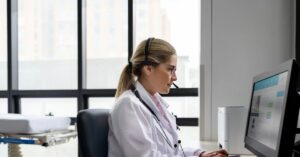


The demand for Nurse Practitioners (NPs) continues to grow rapidly across the United States. As healthcare systems face provider shortages and increasing patient needs, Nurse Practitioners are becoming essential healthcare professionals in primary care, specialty care, mental health, and telemedicine settings. To meet this growing demand, many registered nurses are pursuing advanced education through online Nurse Practitioner programs.
Online NP programs offer flexibility, accessibility, and high-quality education that allows working nurses to continue their careers while earning advanced degrees. Modern online learning platforms, virtual simulations, and clinical placement support have made online NP education more effective than ever.
Choosing the best online NP program is one of the most important decisions for aspiring Nurse Practitioners. The right program can provide strong clinical training, experienced faculty, certification preparation, and excellent career opportunities after graduation.
This guide explores the best online NP programs in America, program types, admission requirements, career opportunities, salary expectations, and factors to consider when selecting an online Nurse Practitioner program.
In This Article
What Is a Nurse Practitioner Program?
A Nurse Practitioner program is an advanced nursing education pathway designed to prepare registered nurses for advanced clinical practice roles. NP programs provide education in diagnosis, treatment, disease management, patient assessment, and healthcare leadership.
After completing an NP program, graduates may qualify for national certification and state licensure as Nurse Practitioners.
Common NP responsibilities include:
- Diagnosing illnesses
- Prescribing medications
- Developing treatment plans
- Ordering diagnostic tests
- Managing chronic conditions
- Providing preventive care
Many states allow Nurse Practitioners to practice independently.
Why Choose an Online NP Program?
Online NP programs have become increasingly popular among working nurses because they provide a flexible and convenient pathway to advanced nursing careers. These programs allow students to earn a graduate degree while continuing to work and manage personal responsibilities. As healthcare demand grows and technology continues to improve, online Nurse Practitioner education has become a practical option for many aspiring advanced practice nurses.
Flexibility
Flexibility is one of the most significant advantages of online NP programs. Online learning allows students to complete coursework from home while maintaining employment and family responsibilities. Many programs offer flexible scheduling options, enabling nurses to study during evenings, weekends, or other convenient times. This flexibility makes it possible to pursue higher education without leaving a current nursing position.
Accessibility
Online education provides access to high-quality Nurse Practitioner programs regardless of geographic location. Students can attend programs offered by universities across the country without relocating. This expanded access allows nurses to choose programs that best fit their career goals, preferred specialties, and educational needs while avoiding the costs and challenges associated with moving.
Career Advancement
An NP degree opens doors to leadership roles, specialty practice, and increased earning potential. Graduates often qualify for advanced clinical positions with greater autonomy and responsibility. The additional education and training gained through NP programs can lead to expanded career opportunities in primary care, specialty medicine, telehealth, healthcare leadership, and many other areas of healthcare.
Work-Life Balance
Many nurses appreciate the ability to continue working while pursuing graduate education. Online NP programs help students maintain income, gain ongoing clinical experience, and support their families while advancing their education. This balance between work and school can make earning an advanced degree more manageable and financially feasible.
Technology Integration
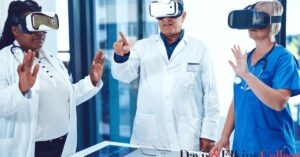
Modern online programs use advanced learning platforms, virtual classrooms, and interactive educational tools to create engaging learning experiences. Students often participate in virtual discussions, online simulations, video lectures, and collaborative projects. These technologies not only support learning but also help prepare future Nurse Practitioners for healthcare environments that increasingly rely on digital systems and telehealth services.
Types of Online NP Programs
Several Nurse Practitioner specializations are available through online education, allowing nurses to choose a career path that matches their professional interests and long-term goals. Each specialization focuses on a specific patient population or healthcare area, providing advanced clinical training and specialized knowledge. Among these options, the Family Nurse Practitioner program remains one of the most popular choices for aspiring Nurse Practitioners.
Family Nurse Practitioner (FNP)
Family Nurse Practitioner programs prepare nurses to provide primary care across the lifespan. Students learn how to assess, diagnose, treat, and manage a wide variety of health conditions affecting patients from infancy through older adulthood. The curriculum typically includes advanced courses in health assessment, pharmacology, pathophysiology, disease prevention, and patient management.
Family Nurse Practitioners play a critical role in delivering comprehensive healthcare services. They focus not only on treating illnesses but also on promoting wellness, preventing disease, and helping patients maintain long-term health. Their broad training allows them to care for diverse patient populations and address many common healthcare needs.
Psychiatric Mental Health Nurse Practitioner (PMHNP)
Psychiatric Mental Health Nurse Practitioner (PMHNP) programs prepare nurses to diagnose, treat, and manage a wide range of mental health conditions. As awareness of mental health issues continues to grow and healthcare systems expand behavioral health services, Psychiatric Mental Health Nurse Practitioners have become some of the most sought-after advanced practice providers in the healthcare industry.
PMHNPs work with patients experiencing conditions such as anxiety disorders, depression, bipolar disorder, schizophrenia, post-traumatic stress disorder, and substance use disorders. Their advanced training enables them to provide comprehensive mental healthcare while collaborating with other healthcare professionals when necessary.
Responsibilities
Psychiatric Mental Health Nurse Practitioners perform a variety of clinical duties focused on improving mental health outcomes and supporting patient well-being. Their responsibilities often include mental health assessments, medication management, therapy support, and crisis intervention. They evaluate patient symptoms, develop treatment plans, monitor progress, and make adjustments to care strategies as needed.
In many healthcare settings, PMHNPs also provide patient education, coordinate care with healthcare teams, and help patients and families better understand mental health conditions and treatment options.
Work Settings
Psychiatric Mental Health Nurse Practitioners can work in a variety of healthcare environments. Common employment settings include psychiatric hospitals, outpatient mental health clinics, private practices, community health centers, substance abuse treatment facilities, and telehealth organizations. The rapid growth of virtual mental healthcare has also created significant opportunities for remote psychiatric nursing careers.s growing nationwide.
Adult-Gerontology Nurse Practitioner (AGNP)
These professionals specialize in caring for adults and older adults.
Common focus areas include:
- Chronic disease management
- Preventive healthcare
- Geriatric medicine
- Long-term care
The aging population continues increasing demand for AGNPs.
Pediatric Nurse Practitioner (PNP)
Pediatric Nurse Practitioners (PNPs) specialize in providing healthcare services for infants, children, adolescents, and young adults. These advanced practice nurses play a vital role in supporting healthy growth and development while diagnosing, treating, and managing a wide range of pediatric health conditions. Their expertise allows them to deliver comprehensive care tailored to the unique needs of younger patients and their families.
Responsibilities
Pediatric Nurse Practitioners perform a variety of clinical duties focused on maintaining and improving children’s health. Their responsibilities include conducting wellness exams, treating childhood illnesses, providing preventive care, and offering family education. During routine visits, PNPs assess growth and development, monitor physical and emotional health, administer vaccinations, and identify potential health concerns early.
They also diagnose and treat common childhood conditions such as ear infections, respiratory illnesses, allergies, and minor injuries. In addition to managing acute illnesses, Pediatric Nurse Practitioners help children with chronic health conditions by developing long-term care plans and monitoring treatment progress.
Acute Care Nurse Practitioner (ACNP)
Acute Care NPs work with patients experiencing serious or complex health conditions.
Practice settings often include:
- Hospitals
- Intensive care units
- Emergency departments
- Specialty practices
Best Online NP Programs in America
Several universities consistently rank among the top online NP programs.
Duke University
Duke’s online NP programs are widely respected for academic excellence and clinical preparation.
Strengths include:
- National reputation
- Experienced faculty
- Strong clinical partnerships
- Certification exam preparation
Popular specialties include:
- Family NP
- Adult-Gerontology NP
- Psychiatric Mental Health NP
Vanderbilt University
Vanderbilt University offers one of the nation’s most respected nursing programs and is widely recognized for its commitment to academic excellence, clinical training, and healthcare innovation. The university has built a strong reputation for preparing highly skilled Nurse Practitioners who are ready to meet the demands of today’s evolving healthcare environment. Its online NP programs combine rigorous coursework with comprehensive clinical experiences, making Vanderbilt a popular choice among aspiring advanced practice nurses.
Strong Graduation Rates
One of Vanderbilt’s greatest strengths is its consistently strong graduation rates. The university provides extensive academic resources, student support services, and faculty mentorship to help students successfully complete their programs. These support systems contribute to high levels of student achievement and professional success.
Extensive Clinical Support
Clinical education is a critical component of Nurse Practitioner training, and Vanderbilt places significant emphasis on providing quality clinical experiences. Students benefit from extensive clinical support that helps them develop advanced assessment, diagnosis, and patient management skills. These experiences prepare graduates to confidently transition into advanced practice roles upon completion of their education.
Innovative Curriculum
Vanderbilt’s curriculum is designed to reflect current healthcare trends and industry needs. Students learn evidence-based practice, advanced clinical decision-making, healthcare leadership, and patient-centered care strategies. The program continuously evolves to incorporate emerging healthcare technologies, telehealth concepts, and innovative treatment approaches.
Experienced Faculty
The university’s faculty includes highly accomplished nursing professionals, researchers, and healthcare leaders with extensive clinical expertise. Their real-world experience provides valuable insights that help students connect theoretical knowledge with practical application. Faculty members also serve as mentors who support students throughout their educational journey.
Georgetown University
Georgetown provides flexible online NP programs with strong clinical training.
Highlights include:
- Interactive learning platform
- National clinical placement support
- Experienced nursing faculty
- Strong alumni network
Popular programs include:
- Family NP
- Women’s Health NP
- Adult-Gerontology NP
Ohio State University
Ohio State offers highly respected online nursing programs.
Benefits include:
- Competitive tuition
- Strong academic support
- National reputation
- Multiple specialization options
University of South Carolina
The University of South Carolina has become a popular choice for nurses seeking high-quality online Nurse Practitioner education. Known for its commitment to academic excellence and student success, the university offers programs designed to meet the needs of working healthcare professionals. Its online NP pathways provide a balance of flexibility, affordability, and strong clinical preparation, making it an attractive option for nurses pursuing advanced practice careers.
Flexible Scheduling
One of the primary reasons many students choose the University of South Carolina is its flexible scheduling options. The online format allows nurses to continue working while completing their graduate education. Coursework is designed to accommodate busy schedules, helping students balance professional responsibilities, family commitments, and academic requirements more effectively.
Affordable Tuition
Affordability is another major advantage of the University of South Carolina’s online NP programs. Compared to many private institutions, the university offers competitive tuition rates that can help reduce the overall cost of earning an advanced nursing degree. This makes higher education more accessible for nurses seeking career advancement without taking on excessive financial burdens.
Strong Certification Preparation
The university places significant emphasis on preparing students for national Nurse Practitioner certification examinations. Through comprehensive coursework, evidence-based learning, and advanced clinical training, students develop the knowledge and skills necessary to perform well on certification exams and succeed in professional practice. Strong certification preparation can improve confidence and support successful career transitions after graduation.
Clinical Placement Assistance
Clinical experiences are an essential part of Nurse Practitioner education, and the University of South Carolina provides support to help students secure appropriate clinical placements. This assistance can reduce some of the challenges associated with finding qualified preceptors and clinical sites. By helping students gain valuable hands-on experience, the university ensures graduates are well prepared for advanced practice roles.
University of Alabama at Birmingham
Often known as UAB, this program consistently receives high rankings.
Strengths include:
- Affordable tuition
- Excellent faculty
- Strong clinical training
- Multiple NP specialties
Frontier Nursing University
Frontier is well known for advanced nursing education.
Key benefits include:
- NP-focused curriculum
- Flexible online learning
- Clinical placement support
- Strong community health emphasis
Purdue University Global
Purdue University Global is a well-known institution that offers accessible online nursing education options for working healthcare professionals. Designed with flexibility and convenience in mind, the university provides programs that allow nurses to advance their education while maintaining their professional and personal responsibilities. Its online learning environment and career-focused approach have made it a popular choice among nurses pursuing advanced practice and leadership opportunities.
Flexible Schedules
One of the biggest advantages of Purdue University Global is its flexible scheduling options. The university understands that many nursing students are balancing demanding work schedules, family commitments, and other responsibilities. Online coursework allows students to study at times that fit their lifestyles, making it easier to pursue higher education without disrupting their careers.
Working Nurse Support
Purdue Global is designed to support working nurses throughout their educational journey. The university offers academic resources, student support services, and learning tools that help students successfully manage the challenges of graduate-level education. This supportive environment can be especially valuable for nurses who are returning to school after spending several years in clinical practice.
Career-Focused Curriculum
The curriculum at Purdue University Global is structured to prepare students for real-world healthcare challenges. Courses emphasize practical knowledge, evidence-based practice, leadership development, and advanced clinical skills. By focusing on career readiness, the university helps students develop competencies that are highly valued by healthcare employers.
Students gain knowledge in areas such as patient care management, healthcare technology, clinical decision-making, healthcare policy, and professional leadership. These skills can support career advancement across a variety of healthcare settings.
Nationwide Accessibility
One of Purdue Global’s greatest strengths is its nationwide accessibility. Because programs are delivered online, students from across the United States can enroll without relocating. This allows nurses to access quality education regardless of where they live and provides opportunities for those who may not have convenient access to traditional campus-based programs.
Maryville University
Maryville University continues gaining popularity among nursing students seeking flexible and high-quality online education. The university has established a strong reputation for providing accessible Nurse Practitioner programs that are designed to meet the needs of working healthcare professionals. With a focus on student success, career preparation, and academic excellence, Maryville has become a preferred choice for many nurses pursuing advanced practice degrees.
No Campus Residency Requirements
One of the most attractive features of Maryville University’s online nursing programs is the absence of campus residency requirements. Students can complete their coursework without traveling to campus for mandatory in-person sessions. This convenience allows nurses from across the country to pursue advanced education while remaining in their current communities and employment positions.
Flexible Online Format
Maryville offers a flexible online learning format that helps students balance education with work and personal responsibilities. Coursework is designed to accommodate busy schedules, making it easier for nurses to continue working while progressing toward their educational goals. This flexibility is especially beneficial for healthcare professionals who work variable shifts or have family commitments.
Comprehensive Student Support
Student success is a major priority at Maryville University. The institution provides comprehensive support services that help students navigate their academic journey. Academic advisors, faculty mentors, technical support teams, and student resources are available to assist learners throughout their programs. This support system helps create a positive educational experience and encourages student achievement.
Strong Certification Preparation
Maryville places significant emphasis on preparing students for national Nurse Practitioner certification examinations. The curriculum is designed to build advanced clinical knowledge, critical thinking abilities, and evidence-based practice skills that support certification success. Through rigorous coursework and clinical experiences, students gain the preparation needed to pursue professional certification and transition confidently into advanced practice roles.
Walden University
Walden offers multiple online NP pathways designed for working professionals.
Benefits include:
- Flexible learning schedules
- Large student support network
- Diverse specialization options
Admission Requirements
Most online Nurse Practitioner programs have similar admission requirements designed to ensure students are prepared for the academic and clinical demands of graduate-level nursing education. While specific requirements may vary by university, applicants are generally expected to demonstrate a strong educational background, professional nursing experience, and the ability to succeed in advanced practice training.
Active RN License
Applicants typically need an active Registered Nurse (RN) license before applying to an NP program. This requirement ensures that students have met professional nursing standards and are legally authorized to practice nursing.
Nursing Degree
Most programs require applicants to hold a Bachelor of Science in Nursing (BSN) from an accredited institution. However, some universities offer RN-to-MSN pathways that allow registered nurses with associate degrees to progress directly into graduate nursing education.
GPA Requirements
Many programs require a minimum undergraduate GPA for admission consideration. Competitive programs often prefer applicants who have demonstrated strong academic performance during their previous nursing education.
Clinical Experience
Healthcare experience is often preferred or required for admission. Many universities value applicants who have worked in clinical settings because practical nursing experience helps students better understand advanced patient care concepts and clinical decision-making.
Professional References
Applicants commonly submit professional references as part of the admission process. These references may come from employers, nursing supervisors, faculty members, or other healthcare professionals who can evaluate the applicant’s clinical abilities, professionalism, leadership potential, and readiness for graduate education.
Clinical Training Requirements
Clinical training is one of the most important components of Nurse Practitioner education. While online NP programs allow students to complete much of their coursework remotely, hands-on clinical experiences are essential for developing advanced practice skills. These experiences provide opportunities to apply classroom knowledge in real healthcare settings while working directly with patients and healthcare teams.
Clinical Hours
Most NP programs require students to complete hundreds of supervised clinical hours before graduation. The exact number varies depending on the university and specialization, but these hours are designed to ensure students gain sufficient experience in patient assessment, diagnosis, treatment planning, and healthcare management. Clinical training helps students build confidence and prepare for independent practice after graduation.
Clinical Placements
Students often complete clinical experiences in a variety of healthcare settings. These placements expose future Nurse Practitioners to different patient populations, healthcare challenges, and treatment approaches. Common clinical placement locations include primary care clinics, hospitals, specialty practices, and community health settings. Through these experiences, students gain valuable insight into the day-to-day responsibilities of advanced practice nursing.
Preceptors
Clinical training occurs under the supervision of experienced healthcare providers known as preceptors. These professionals serve as mentors and instructors, guiding students through patient care activities and helping them develop clinical judgment and decision-making skills. Preceptors may include Nurse Practitioners, physicians, and other qualified healthcare professionals who provide feedback, support, and real-world learning opportunities throughout the clinical experience.
Accreditation Matters
Choosing an accredited Nurse Practitioner program is one of the most important decisions prospective students can make. Accreditation serves as an indicator of educational quality and confirms that a program meets established academic and professional standards. Attending an accredited program can significantly impact certification eligibility, licensure opportunities, employment prospects, and overall career success.
Why Accreditation Is Important
Accreditation ensures that a nursing program provides a high-quality education that meets industry standards. Accredited programs undergo regular evaluations to verify that their curriculum, faculty qualifications, student support services, and clinical training experiences meet rigorous requirements. This process helps ensure that graduates are prepared to provide safe and effective patient care.
Accreditation is also important because many certification boards and state licensing agencies require applicants to graduate from an accredited program before becoming eligible for certification examinations. Employers often prefer or require candidates who have completed accredited nursing programs as well.
Major Accrediting Organizations
Several organizations are responsible for evaluating and accrediting nursing programs in the United States. Two of the most widely recognized accrediting bodies are the Commission on Collegiate Nursing Education (CCNE) and the Accreditation Commission for Education in Nursing (ACEN). These organizations establish standards designed to promote excellence in nursing education and ensure graduates are prepared for professional practice.efore enrolling.
Cost of Online NP Programs
Program costs vary significantly.
Factors Affecting Cost
Tuition depends on:
- University type
- Residency status
- Program length
- Specialty selection
Financial Aid
Students may qualify for:
- Scholarships
- Grants
- Employer tuition assistance
- Student loans
Online Learning Experience
Modern Nurse Practitioner programs use advanced educational technologies to create engaging and effective learning environments. Online education has evolved significantly over the years, allowing students to receive high-quality instruction while maintaining flexibility and convenience. Today’s online NP programs combine academic rigor with innovative digital tools that support both learning and professional development.
Virtual Classrooms
Virtual classrooms are a central component of online NP education. Students attend lectures through online platforms that allow them to interact with instructors and classmates from virtually anywhere. These virtual learning environments provide access to course materials, recorded lectures, assignments, and collaborative activities. The flexibility of virtual classrooms makes it easier for working nurses to balance education with professional and personal responsibilities.
Interactive Learning
Online NP programs often incorporate a variety of interactive learning methods designed to enhance student engagement and improve knowledge retention. Rather than relying solely on traditional lectures, programs use educational tools that encourage active participation and critical thinking.
Students frequently learn through video instruction, discussion boards, case studies, and virtual simulations. These activities help students apply theoretical concepts to real-world clinical situations while developing problem-solving and decision-making skills. Interactive learning also promotes collaboration among students and helps create a more dynamic educational experience.
Faculty Support
Despite being delivered online, most NP programs provide direct access to instructors and academic support resources. Faculty members are available to answer questions, provide feedback, offer guidance, and support student success throughout the program. Many universities also provide academic advisors, technical support teams, tutoring services, and career resources to help students navigate their educational journey.nstructors and advisors.
Benefits of Online NP Education
Online Nurse Practitioner education has become an increasingly popular option for nurses seeking advanced degrees and career advancement opportunities. The flexibility and accessibility of online learning allow students to pursue graduate education while continuing to meet professional and personal obligations. As healthcare and technology continue evolving, online NP programs provide numerous benefits that make them an attractive choice for aspiring Nurse Practitioners.
Flexibility
One of the greatest advantages of online NP education is flexibility. Students can often complete coursework around work schedules, family responsibilities, and other commitments. Unlike traditional classroom programs, online courses allow learners to access lectures, assignments, and study materials at convenient times. This flexibility makes it possible for many nurses to continue working while pursuing an advanced degree.
Geographic Freedom
Online NP programs provide students with the freedom to study from nearly anywhere. Nurses are no longer limited to universities located within commuting distance of their homes. Instead, they can choose from programs offered by institutions across the country without relocating. This geographic flexibility expands educational opportunities and allows students to select programs that best fit their career goals and preferred specialties.
Career Continuity
Many nurses choose online NP programs because they can continue working while studying. Maintaining employment during graduate education allows students to gain valuable clinical experience, preserve their income, and reduce financial stress. Continuing to work also helps nurses apply newly acquired knowledge directly to their professional practice, creating a stronger connection between education and real-world healthcare experiences.
Technology Skills
Online learning helps students develop digital healthcare competencies that are increasingly valuable in modern healthcare environments. Through virtual classrooms, learning management systems, telehealth technologies, and online collaboration tools, students gain experience with technologies commonly used in healthcare settings. These skills can improve professional readiness and support career success as healthcare organizations continue adopting digital solutions.
Challenges of Online NP Programs
Online education offers flexibility and convenience, but it also presents several challenges that students should carefully consider before enrolling in a Nurse Practitioner program. While many nurses successfully complete online degrees, balancing academic requirements with professional and personal responsibilities can be demanding. Understanding these challenges can help students prepare for success throughout their educational journey.
Time Management
Time management is one of the most common challenges faced by online NP students. Many students continue working as registered nurses while pursuing graduate education, which requires balancing multiple responsibilities simultaneously. Students must manage work commitments, family responsibilities, clinical training, and coursework while maintaining academic performance. Effective scheduling, organization, and prioritization are essential for meeting deadlines and completing program requirements successfully.
Self-Discipline
Online learning requires a high level of self-discipline because students have greater responsibility for managing their own education. Without regular classroom attendance and face-to-face interactions, students must stay motivated and committed to their studies independently. Success requires strong motivation and organization, as well as the ability to maintain consistent study habits. Students who develop effective routines and remain focused on their goals are often better prepared to thrive in an online learning environment.
Clinical Placement Logistics
Clinical experiences are a vital component of Nurse Practitioner education. While some universities provide extensive support with clinical placements, other programs require students to take an active role in securing clinical sites and qualified preceptors. Finding appropriate placements, coordinating schedules, and meeting clinical hour requirements can sometimes be challenging, particularly in highly competitive healthcare markets. Prospective students should carefully review a program’s clinical placement policies before enrolling. securing clinical sites.
Career Opportunities After Graduation
Graduating from a Nurse Practitioner program opens the door to a wide range of rewarding career opportunities. As healthcare systems continue expanding and patient demand increases, Nurse Practitioners are becoming essential providers in primary care, specialty medicine, hospitals, and virtual healthcare settings. The advanced clinical skills gained through NP education allow graduates to pursue diverse career paths while enjoying strong job security and competitive compensation.
Primary Care
Primary care remains one of the most common career paths for Nurse Practitioners. Many NPs work in family medicine practices, community health centers, and outpatient clinics where they provide comprehensive healthcare services to patients of all ages.
Responsibilities often include:
- Preventive care services
- Health assessments
- Chronic disease management
- Diagnosis and treatment of common illnesses
- Patient education and wellness counseling
Primary care NPs play a crucial role in improving healthcare access and promoting long-term patient health.
Specialty Care
Nurse Practitioners can also pursue careers in specialized areas of medicine. Specialty practice often allows NPs to focus on specific patient populations or medical conditions while developing advanced expertise.
Popular specialty opportunities include:
- Cardiology
- Psychiatry
- Oncology
- Women’s Health
- Endocrinology
- Gastroenterology
- Dermatology
These specialties often offer strong career growth opportunities and competitive compensation.
Telehealth
Virtual healthcare continues creating new employment opportunities for Nurse Practitioners. Telehealth positions allow NPs to assess patients, manage chronic conditions, provide follow-up care, and offer health education through digital platforms.
Benefits of telehealth careers include:
- Flexible work schedules
- Remote work opportunities
- Expanded patient reach
- Improved work-life balance
- Growing industry demand
As telemedicine adoption continues increasing, telehealth remains one of the fastest-growing NP career paths.
Hospital Medicine
Hospital-based Nurse Practitioners provide care for patients with acute and complex medical conditions. Acute Care Nurse Practitioners and other hospital specialists are highly sought after in healthcare systems across the country.
Hospital medicine opportunities may include:
- Inpatient care
- Critical care services
- Emergency medicine
- Surgical specialties
- Intensive care units
These positions often involve advanced clinical responsibilities and collaboration with multidisciplinary healthcare teams.
Expanding Career Possibilities
Beyond traditional clinical roles, Nurse Practitioners may also pursue careers in healthcare leadership, education, research, case management, healthcare consulting, and nursing informatics. The versatility of an NP degree allows professionals to adapt their careers as healthcare needs evolve.
Salary Expectations for Nurse Practitioners
NPs continue earning competitive salaries.
Factors Affecting Salary
Compensation varies based on:
- Specialty
- Location
- Experience
- Employer type
Highest Paying Specialties
Common high-paying specialties include:
- Psychiatric Mental Health NP
- Acute Care NP
- Emergency NP
- Cardiology NP
Future of Online NP Education
Online Nurse Practitioner education continues evolving rapidly as healthcare and technology advance. What was once considered an alternative learning format has become a mainstream pathway for nurses seeking advanced practice careers. As demand for Nurse Practitioners grows and educational technology improves, online NP programs are expected to become even more accessible, effective, and career-focused in the coming years.
Increased Demand
Healthcare workforce shortages continue increasing demand for Nurse Practitioners across the United States. Hospitals, clinics, telehealth providers, and healthcare organizations are actively seeking advanced practice nurses to help meet growing patient needs. As a result, universities are expanding online NP programs to educate more qualified healthcare professionals and address workforce gaps.
Key drivers of demand include:
- Physician shortages
- Aging population
- Increased healthcare utilization
- Expansion of primary care services
- Growing need for mental health providers
This demand is expected to support continued growth in online NP education.
Advanced Learning Technology
Technology is transforming the way Nurse Practitioner students learn. Modern online programs use sophisticated educational tools that create engaging and interactive learning experiences.
Examples include:
- Virtual simulations
- AI-driven learning platforms
- Interactive case studies
- Virtual patient scenarios
- Online skills assessments
- Real-time collaboration tools
These innovations help students develop clinical reasoning, decision-making, and patient management skills in a flexible learning environment.
Telehealth Integration
As virtual healthcare becomes a permanent part of healthcare delivery, NP programs are increasingly incorporating telemedicine training into their curricula. Students learn how to provide care through digital platforms while developing the communication and technology skills needed for remote healthcare delivery.
Telehealth education often includes:
- Virtual patient assessments
- Remote care coordination
- Digital health technologies
- Telemedicine best practices
- Patient privacy and cybersecurity training
This preparation helps graduates succeed in the growing field of virtual healthcare.
Expanded Accessibility
One of the most significant trends in online NP education is increased accessibility. More universities continue developing online nursing pathways, allowing students from diverse geographic locations to pursue advanced nursing degrees without relocating.
Benefits of expanded accessibility include:
- Greater educational opportunities
- Flexible scheduling for working nurses
- Reduced travel requirements
- Access to nationally recognized programs
- Improved career advancement opportunities
This accessibility helps address healthcare workforce shortages while supporting nurses seeking professional growth.
Looking Ahead
The future of online NP education is extremely promising. Advances in technology, growing healthcare demand, and increased acceptance of online learning are reshaping nursing education. Universities are continually improving program quality, expanding specialty options, and enhancing clinical training experiences.
How to Choose the Best Online NP Program
Selecting the right online Nurse Practitioner program is one of the most important decisions an aspiring NP can make. With numerous universities offering online nursing degrees, it is essential to carefully evaluate each program to ensure it aligns with your career goals, learning preferences, and financial situation. A well-chosen program can provide excellent clinical preparation, strong certification outcomes, and valuable career opportunities after graduation.
Accreditation
Accreditation should be the first factor you consider when evaluating an online NP program. Accredited programs meet established educational standards and are recognized by employers, licensing boards, and certification organizations.
Benefits of attending an accredited program include:
- Eligibility for certification exams
- Access to financial aid opportunities
- Recognition by employers
- Assurance of educational quality
Before applying, verify that the nursing program is accredited by a recognized accrediting organization.
Certification Pass Rates
Certification pass rates provide valuable insight into how effectively a program prepares students for national Nurse Practitioner certification examinations. Programs with consistently high pass rates often demonstrate strong academic instruction, comprehensive clinical training, and effective student support systems.
When researching schools, look for:
- First-time certification pass rates
- Graduation rates
- Employment outcomes for graduates
These metrics can help you assess overall program quality.
Clinical Support
Clinical experiences are a critical component of NP education. Some universities provide extensive assistance in securing clinical placements, while others expect students to find their own preceptors and practice sites.
Evaluate whether the program offers:
- Clinical placement assistance
- Preceptor support
- Diverse clinical experiences
- Local placement opportunities
Strong clinical support can significantly reduce stress during your education.
Faculty Experience
Experienced faculty members contribute greatly to student success. Instructors with extensive clinical backgrounds, advanced certifications, research experience, and leadership expertise can provide valuable insights that extend beyond textbook learning.
Consider factors such as:
- Faculty credentials
- Clinical experience
- Research involvement
- Student accessibility and support
Learning from experienced professionals can enhance both your education and career preparation.
Program Flexibility
Many online NP students continue working while pursuing their degrees. Program flexibility is therefore an important consideration.
Look for features such as:
- Part-time study options
- Full-time pathways
- Asynchronous coursework
- Flexible scheduling
- Multiple start dates
A flexible program can make it easier to balance work, family responsibilities, and academic commitments.
Cost
Tuition and educational expenses vary significantly among online NP programs. While affordability is important, the lowest-cost option is not always the best choice. Consider the overall value provided by the program.
Compare:
- Tuition rates
- Technology fees
- Clinical placement costs
- Travel requirements
- Financial aid opportunities
- Scholarship availability
Many employers also offer tuition reimbursement programs that can help reduce educational expenses.
Making the Right Decision
Choosing the best online NP program requires careful research and planning. By evaluating accreditation, certification pass rates, clinical support, faculty expertise, program flexibility, and overall cost, you can identify a program that supports your professional goals and prepares you for long-term success.
Must Read:
- Highest Paying NP States in 2026
- Best Remote Nursing Jobs in 2026
- Telehealth Nursing Careers Explained
Final Thoughts:
The best online NP programs in America provide flexible, high-quality education that prepares nurses for advanced clinical practice and leadership roles. Universities such as Duke, Vanderbilt, Georgetown, Ohio State, UAB, Frontier Nursing University, Maryville University, and others continue setting the standard for excellence in online Nurse Practitioner education.
As healthcare demand continues growing, Nurse Practitioners will remain among the most valuable healthcare professionals in the nation. Choosing the right online NP program can open the door to rewarding career opportunities, increased earning potential, greater professional autonomy, and the ability to make a lasting impact on patient care.
For registered nurses seeking career advancement, online NP programs offer one of the most effective and flexible pathways to achieving long-term professional success in 2026 and beyond.