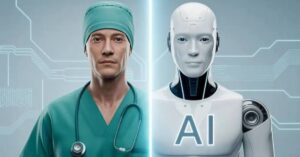


Artificial intelligence (AI) is rapidly changing healthcare. From improving diagnostic accuracy to reducing paperwork, AI is becoming an important part of modern medicine. Healthcare organizations across the world are investing heavily in digital technologies that can improve patient outcomes and make clinical work more efficient.
For nurse practitioners (NPs), the rise of AI presents both opportunities and challenges. Nurse practitioners are responsible for providing patient-centred care, diagnosing illnesses, prescribing treatments, and educating patients. As AI tools become more common in hospitals and clinics, understanding how these technologies work is no longer optional. It is becoming an essential skill.
Many healthcare professionals worry that AI may replace clinicians. However, AI is not designed to replace nurse practitioners. Instead, it acts as a supportive tool that can enhance decision-making, reduce repetitive tasks, and allow clinicians to spend more time focusing on patient care.
The future of healthcare will likely involve close collaboration between humans and intelligent technologies. Nurse practitioners who understand AI and its practical applications will be better prepared to thrive in this changing environment.
This guide explains everything nurse practitioners need to know about AI, including how it works, its benefits, potential risks, ethical considerations, and the skills needed to succeed in an AI-driven healthcare system.
In This Article
What Is Artificial Intelligence in Healthcare?
Artificial intelligence refers to computer systems that perform tasks requiring human intelligence. These tasks include learning from data, recognising patterns, making predictions, and understanding language.
In healthcare, AI analyses enormous amounts of information and assists clinicians in making faster and more accurate decisions.
AI in healthcare includes technologies such as:
- Machine learning
- Deep learning
- Natural language processing
- Predictive analytics
- Computer vision
- Conversational AI
Healthcare providers use AI in several areas, including:
- Electronic health records
- Medical imaging
- Remote patient monitoring
- Clinical decision support
- Telehealth services
- Population health management
The goal of AI is not to replace healthcare providers. Instead, it helps clinicians make informed decisions and improves efficiency.
Why Nurse Practitioners Need to Understand AI
Healthcare is changing rapidly. Nurse practitioners who understand AI can adapt more easily to new technologies and deliver better patient care.
There are several reasons why AI knowledge is important.
Better Patient Outcomes
AI systems can identify patterns that humans may miss. These insights can help clinicians detect diseases earlier and intervene before conditions become severe.
Improved Efficiency
Administrative work consumes a significant amount of a nurse practitioner’s time. AI can automate many repetitive tasks.
Enhanced Clinical Decisions
AI tools can provide evidence-based recommendations that support clinical judgment.
Career Advancement
Healthcare employers increasingly value professionals who understand digital technologies and healthcare informatics.
Better Patient Engagement
AI-powered applications can improve communication and help patients become more involved in their care.
Types of AI Technologies Used in Healthcare
Machine Learning
Machine learning enables computers to learn from data and improve their performance without explicit programming.
Examples include:
- Predicting patient outcomes
- Assessing disease risks
- Analysing treatment effectiveness
Deep Learning
Deep learning is a more advanced form of machine learning that uses artificial neural networks.
Applications include:
- Detecting cancer
- Reading medical images
- Identifying heart abnormalities
Natural Language Processing
Natural language processing allows computers to understand human language.
Healthcare applications include:
- Medical transcription
- Voice recognition
- Clinical documentation
- Chatbots
Predictive Analytics
Predictive analytics identifies trends and predicts future outcomes.
Examples include:
- Risk of hospital readmission
- Risk of sepsis
- Medication adherence prediction
Computer Vision
Computer vision enables computers to analyse visual information.
Applications include:
- X-rays
- MRI scans
- CT scans
- Skin lesion assessments
How AI Is Transforming Healthcare
Artificial intelligence is reshaping the healthcare industry by helping medical professionals deliver faster, safer, and more personalised care. From diagnosing diseases to managing hospital operations, AI technologies are becoming an essential part of modern medicine.
Hospitals, clinics, and healthcare providers are increasingly adopting AI-powered tools to improve efficiency and enhance patient outcomes. While AI cannot replace healthcare professionals, it can significantly support decision-making and reduce administrative burdens.
Faster Diagnoses
One of the biggest advantages of AI in healthcare is its ability to analyse enormous amounts of medical data within seconds. Traditional diagnostic processes often require clinicians to review patient histories, laboratory reports, imaging results, and clinical notes manually. AI systems can process this information much more quickly and identify patterns that may indicate a particular disease or condition.
For example, AI algorithms can examine symptoms and patient data to predict the likelihood of conditions such as heart disease, diabetes, or infections. In emergency settings, AI tools can rapidly assess patient information and alert healthcare teams to life-threatening conditions that require immediate attention.
Faster diagnoses can lead to:
- Earlier treatment interventions
- Reduced complications
- Better patient outcomes
- Lower healthcare costs
- Improved patient satisfaction
For nurse practitioners, AI-supported diagnostic tools can serve as valuable assistants, helping them make informed clinical decisions more efficiently.
Improved Imaging Interpretation
Medical imaging plays a crucial role in diagnosing many diseases. Radiologists and healthcare providers rely on X-rays, CT scans, MRIs, and ultrasound images to identify abnormalities. However, reviewing thousands of images can be time-consuming and may occasionally result in missed findings.
AI-powered imaging systems can analyse medical images with remarkable speed and accuracy. These systems are trained to recognise patterns associated with conditions such as:
- Breast cancer
- Lung cancer
- Brain tumours
- Fractures
- Diabetic retinopathy
- Heart disease
AI can highlight suspicious areas on an image, allowing radiologists and clinicians to focus their attention more effectively. In some cases, AI systems can detect subtle abnormalities that may not be immediately visible to the human eye.
Although AI improves imaging interpretation, it does not replace radiologists or nurse practitioners. Instead, it acts as a second set of eyes that supports clinical expertise and helps reduce diagnostic errors.
Enhanced Chronic Disease Management
Chronic diseases such as diabetes, hypertension, heart failure, and chronic obstructive pulmonary disease affect millions of people worldwide. Managing these conditions requires continuous monitoring and regular communication between patients and healthcare providers.
AI is making chronic disease management more proactive and personalised. Through wearable devices, mobile applications, and remote monitoring systems, AI can collect and analyse real-time health information.
Examples include:
- Continuous glucose monitoring for diabetes patients
- Smart blood pressure monitors
- Wearable heart rhythm trackers
- Remote oxygen monitoring devices
AI systems can detect changes in a patient’s health status and notify healthcare providers before complications become serious. This early warning capability allows nurse practitioners to intervene quickly and adjust treatment plans when necessary.
Benefits of AI in chronic disease management include:
- Fewer hospital admissions
- Better medication adherence
- Improved disease control
- Reduced healthcare costs
- Greater patient engagement
By helping patients manage their conditions more effectively, AI supports long-term health and improves quality of life.
Personalised Treatment Plans
Every patient is unique. Factors such as genetics, lifestyle, medical history, age, and environmental influences can affect how a person responds to treatment. Traditional healthcare approaches often rely on general treatment guidelines that may not work equally well for every patient.
Artificial intelligence is helping move healthcare toward personalised medicine. AI systems can analyse large datasets and identify the most effective treatments for individual patients based on their specific characteristics.
For example, AI can assist healthcare providers by:
- Predicting how patients may respond to medications
- Identifying the risk of treatment side effects
- Recommending customised care plans
- Suggesting preventive interventions
- Supporting precision medicine strategies
For nurse practitioners, personalised treatment recommendations can improve clinical decision-making and help deliver more patient-centred care.
Better Workflow Management
Healthcare organisations face ongoing challenges related to staffing shortages, administrative burdens, and increasing patient demands. AI is helping address these challenges by improving workflow management and operational efficiency.
AI-powered systems can automate many administrative tasks, including:
- Appointment scheduling
- Patient registration
- Medical documentation
- Billing and coding
- Resource allocation
- Staff scheduling
Hospitals also use AI to predict patient admissions and optimise bed management. These insights help healthcare organisations allocate resources more effectively and reduce delays in patient care.
For nurse practitioners, better workflow management means:
- Less time spent on paperwork
- More time with patients
- Reduced stress and burnout
- Improved communication among care teams
- Increased productivity
By streamlining operations and reducing inefficiencies, AI allows healthcare professionals to focus on what matters most: providing high-quality patient care.
Common AI Applications Nurse Practitioners Encounter
Electronic Health Records
Many EHR systems already use AI to:
- Flag abnormal results
- Generate reminders
- Identify medication interactions
Telehealth Platforms
AI supports telehealth by:
- Triaging patients
- Scheduling appointments
- Assisting symptom assessments
Remote Monitoring Devices
Examples include:
- Blood pressure monitors
- Continuous glucose monitors
- Heart rhythm monitors
Clinical Decision Support Systems
These systems help clinicians by:
- Suggesting diagnoses
- Providing treatment recommendations
- Identifying medication risks
Chatbots and Virtual Assistants
These tools can:
- Answer patient questions
- Provide medication reminders
- Schedule appointments
Benefits of AI for Nurse Practitioners
Reduced Administrative Burden
Documentation and paperwork contribute significantly to clinician burnout.
AI can automate:
- Charting
- Billing
- Appointment reminders
- Prescription renewals
More Time with Patients
By reducing administrative work, nurse practitioners can focus more on direct patient care.
Increased Diagnostic Accuracy
AI can analyse large amounts of information and identify subtle patterns that may indicate disease.
Early Disease Detection
AI systems can detect conditions before symptoms become severe.
Examples include:
- Cancer
- Heart disease
- Diabetes complications
Better Population Health Management
AI can identify high-risk patient groups and help healthcare providers intervene earlier.
Improved Medication Safety
AI systems can alert clinicians to:
- Drug interactions
- Allergies
- Duplicate medications
AI and Clinical Decision-Making
Clinical decision support systems are becoming increasingly sophisticated.
These tools can:
- Recommend treatments
- Provide evidence-based guidelines
- Identify high-risk patients
However, nurse practitioners should never rely entirely on AI recommendations.
Clinical judgment remains essential because AI cannot fully understand:
- Social circumstances
- Cultural considerations
- Patient preferences
- Emotional factors
AI and Diagnostic Assistance
AI has significantly improved diagnostic capabilities.
Dermatology
AI can identify suspicious skin lesions and assist in early skin cancer detection.
Cardiology
AI can detect abnormal heart rhythms and predict cardiovascular risks.
Ophthalmology
AI can screen patients for diabetic retinopathy.
Oncology
AI can assist in identifying cancerous changes in imaging studies.
Although these technologies are impressive, nurse practitioners should use them as supportive tools rather than replacements for clinical reasoning.
AI and Remote Patient Monitoring
Remote patient monitoring has grown rapidly in recent years.
AI systems can continuously monitor:
- Blood glucose
- Blood pressure
- Oxygen levels
- Heart rate
Benefits include:
- Earlier interventions
- Reduced hospital admissions
- Better chronic disease management
- Improved patient satisfaction
Remote monitoring is particularly valuable for patients with:
- Diabetes
- Heart failure
- Hypertension
- Chronic respiratory conditions
AI and Patient Education
Patient education is one of the most important responsibilities of nurse practitioners.
AI can help by creating:
- Personalised educational materials
- Medication reminders
- Lifestyle recommendations
Patients can also use AI-powered applications to:
- Track symptoms
- Monitor health metrics
- Receive educational content
AI and Mental Health Care
Mental health services are increasingly using AI.
Examples include:
- Depression screening tools
- Anxiety assessments
- Virtual therapy assistants
- Suicide risk prediction systems
AI can help identify patients who need additional support, but it cannot replace mental health professionals or therapeutic relationships.
Ethical Considerations of AI in Healthcare
Ethics plays a major role in AI adoption.
Patient Privacy
Healthcare data is highly sensitive.
Nurse practitioners must ensure:
- Secure data handling
- Compliance with privacy regulations
- Proper consent procedures
Bias in Algorithms
AI systems learn from historical data.
If the data is biased, recommendations may also be biased.
Potential consequences include:
- Unequal treatment
- Diagnostic errors
- Healthcare disparities
Accountability
Who is responsible if AI makes a mistake?
The answer remains clear. Healthcare providers are ultimately responsible for patient care decisions.
Transparency
Patients should know when AI influences their care.
Clear communication builds trust and promotes ethical practice.
Challenges of AI for Nurse Practitioners
Technology Costs
AI implementation can be expensive.
Healthcare organisations must invest in:
- Software
- Training
- Infrastructure
- Security
Resistance to Change
Some healthcare professionals are hesitant to adopt new technologies.
Education and training can reduce concerns.
Data Quality Issues
AI systems are only as good as the data they use.
Poor-quality data can lead to inaccurate recommendations.
Overreliance on Technology
Excessive dependence on AI may reduce critical thinking.
Nurse practitioners must continue to apply clinical reasoning.
Skills Nurse Practitioners Need in the Age of AI
Digital Literacy
Understanding healthcare technology is becoming increasingly important.
Data Interpretation
Nurse practitioners should understand how to interpret AI-generated information.
Critical Thinking
AI recommendations should always be evaluated carefully.
Communication Skills
Patients may have questions about AI.
Nurse practitioners should explain:
- How AI works
- Its benefits
- Its limitations
Lifelong Learning
Healthcare technology evolves rapidly.
Continuous education is essential.
Can AI Replace Nurse Practitioners?
The short answer is no.
AI cannot replace:
- Empathy
- Compassion
- Human connection
- Clinical intuition
- Complex decision-making
Patients value the relationships they build with healthcare providers.
AI can process data, but it cannot replicate the human aspects of nursing.
The future will likely involve collaboration between clinicians and technology rather than replacement.
How Nurse Practitioners Can Prepare for the Future
Stay Educated
Read about healthcare technology trends and attend professional training.
Learn Healthcare Informatics
Understanding data systems will become increasingly valuable.
Participate in Technology Projects
Being involved in AI implementation can improve digital skills.
Advocate for Ethical AI
Nurse practitioners should support fairness, privacy, and transparency.
Maintain Human-Centred Care
Technology should enhance patient care rather than replace personal interactions.
Practical Tips for Using AI in Clinical Practice
- Verify AI recommendations.
- Protect patient information.
- Continue developing clinical skills.
- Stay informed about new technologies.
- Educate patients about AI tools.
- Report system errors and limitations.
- Avoid relying solely on automated decisions.
The Future of AI in Nursing Practice
The use of AI in healthcare will continue to expand.
Future innovations may include:
- Advanced virtual assistants
- Predictive health monitoring
- Precision medicine platforms
- Robotics in patient care
- Generative AI documentation tools
Nurse practitioners who embrace technological change will be better positioned for success.
AI has the potential to improve efficiency, reduce burnout, and support better patient outcomes. However, the human qualities that define nursing, including empathy, compassion, and critical thinking, will remain irreplaceable.
Must Read:
- How To Work From Home as a Nurse?
- Night Shift Survival Guide for Nurses
- Hospital Stress vs Travel Nursing
Final Thoughts:
Artificial intelligence is transforming healthcare at an unprecedented pace. For nurse practitioners, AI offers exciting opportunities to improve patient outcomes, enhance workflow efficiency, and reduce administrative burdens. Technologies such as predictive analytics, remote monitoring, and intelligent documentation systems are already becoming part of everyday practice.
At the same time, AI presents challenges involving ethics, privacy, accountability, and bias. Nurse practitioners must remain informed and use clinical judgment when evaluating AI recommendations.
The future of healthcare is not about choosing between humans and machines. It is about creating effective partnerships between healthcare professionals and intelligent technologies.
Nurse practitioners who understand AI, develop digital skills, and continue prioritising patient-centred care will play a vital role in shaping the future of modern healthcare.