
The healthcare industry has changed dramatically over the past decade. One of the most exciting developments is the growing number of opportunities for nurses to work remotely. If you are wondering how to work from home as a nurse, you are not alone. Thousands of healthcare professionals are searching for flexible career options that allow them to use their clinical expertise without spending long shifts in hospitals or clinics.
The demand for remote healthcare services continues to increase. Telemedicine, virtual patient care, healthcare consulting, medical documentation, and insurance review services have created numerous opportunities for nurses who want to transition into remote work.
Learning how to work from home as a nurse can help you achieve better work-life balance, reduce commuting stress, increase job satisfaction, and potentially earn a competitive income. Whether you are a registered nurse (RN), licensed practical nurse (LPN), nurse practitioner (NP), or specialized healthcare professional, remote nursing opportunities are more accessible than ever.
Many healthcare organizations now rely on virtual healthcare services to support patients, manage chronic conditions, provide education, and coordinate care. This shift has opened doors for nurses who want greater flexibility while continuing to make a meaningful impact on patient outcomes.
This comprehensive guide explains everything you need to know about how to work from home as a nurse, including the best remote nursing jobs, required qualifications, expected salaries, equipment needs, application strategies, and practical tips for long-term success.
In This Article
Why More Nurses Are Choosing Remote Work
Before learning how to work from home as a nurse, it is important to understand why remote nursing has become so popular.
Better Work-Life Balance
Traditional nursing often involves long shifts, night duties, weekends, and holidays. Remote nursing positions frequently offer more predictable schedules and greater flexibility.
Reduced Physical Demands
Hospital nursing can be physically exhausting. Remote roles eliminate many physically demanding tasks such as lifting patients and standing for extended periods.
Lower Stress Levels
Many nurses experience burnout due to heavy workloads and staffing shortages. Working remotely can reduce some of these stress factors while allowing nurses to continue helping patients.
Increased Career Options
When learning how to work from home as a nurse, many professionals discover opportunities they never knew existed, including healthcare technology, education, consulting, and case management.
Geographic Freedom
Remote nursing jobs allow professionals to work from almost any location while supporting patients and healthcare organizations across different regions.
Can Nurses Really Work From Home?
Yes, nurses can absolutely work from home. Advances in healthcare technology have made virtual care delivery both effective and practical.
Healthcare organizations now hire nurses for:
- Telehealth services
- Nurse triage
- Case management
- Medical writing
- Insurance review
- Healthcare coaching
- Clinical documentation
- Quality assurance
- Patient education
- Care coordination
Understanding how to work from home as a nurse starts with recognizing that nursing skills are valuable far beyond bedside care.
Essential Requirements for Working From Home as a Nurse
Before applying for remote positions, you should ensure you meet certain requirements.
Active Nursing License
Most employers require:
- Registered Nurse (RN) license
- Licensed Practical Nurse (LPN) license
- Nurse Practitioner (NP) certification
Licenses must typically remain active and in good standing.
Clinical Experience
Many remote nursing positions require:
- 2 to 5 years of clinical experience
- Specialized healthcare knowledge
- Strong patient communication skills
Clinical experience helps nurses make informed decisions while working independently.
Computer Skills
Anyone researching how to work from home as a nurse must develop strong digital skills.
Important competencies include:
- Electronic health records (EHR)
- Video conferencing software
- Telehealth platforms
- Medical documentation systems
- Secure messaging tools
Communication Skills
Remote nurses spend much of their day communicating through:
- Phone calls
- Video consultations
- Email correspondence
- Patient portals
- Documentation systems
Strong communication skills are essential for success.
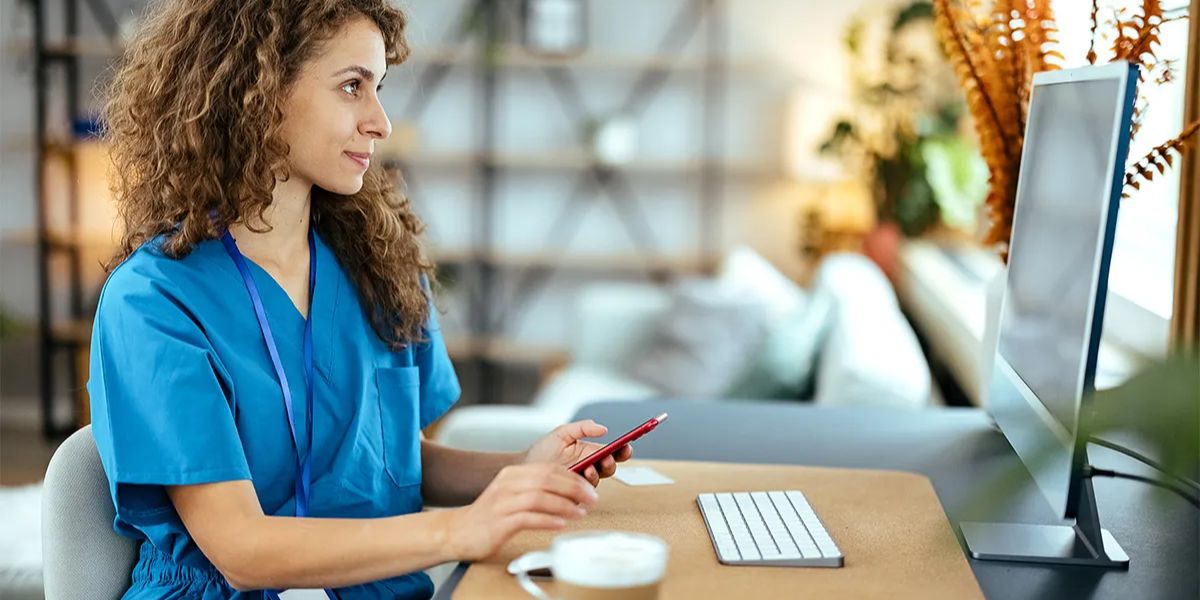
Home Office Setup
Most employers require:
- High-speed internet
- Quiet workspace
- Computer or laptop
- Webcam
- Headset
- Secure network connection
Best Work From Home Jobs for Nurses
Understanding how to work from home as a nurse means exploring the various career options available.
1. Telehealth Nurse
Telehealth nursing is one of the most common remote nursing careers.
Responsibilities include:
- Conducting virtual assessments
- Monitoring patient symptoms
- Providing healthcare advice
- Coordinating care plans
- Educating patients
Telehealth nurses communicate through video calls, phone consultations, and online healthcare platforms.
2. Nurse Case Manager
Case managers coordinate patient care throughout treatment journeys.
Tasks include:
- Reviewing treatment plans
- Coordinating healthcare services
- Monitoring patient progress
- Managing healthcare resources
- Communicating with providers
This role is ideal for nurses with strong organizational skills.
3. Nurse Triage Specialist
A triage nurse assesses symptoms and determines the appropriate level of care.
Responsibilities include:
- Answering patient calls
- Evaluating symptoms
- Recommending next steps
- Providing health guidance
- Escalating urgent cases
Many hospitals and healthcare providers hire remote triage nurses.
4. Clinical Documentation Specialist
Clinical documentation specialists review medical records to ensure accuracy and compliance.
Responsibilities include:
- Reviewing patient charts
- Improving documentation quality
- Supporting coding accuracy
- Ensuring regulatory compliance
This role is popular among experienced nurses seeking non-clinical positions.
5. Utilization Review Nurse
Utilization review nurses assess whether treatments meet insurance requirements.
Tasks include:
- Reviewing medical records
- Evaluating treatment necessity
- Authorizing services
- Coordinating with providers
- Managing healthcare costs
Insurance companies frequently hire remote utilization review nurses.
6. Healthcare Coach
Healthcare coaches help patients improve health outcomes through education and support.
Responsibilities include:
- Lifestyle counseling
- Chronic disease management
- Goal setting
- Health education
- Wellness monitoring
Healthcare coaching continues to grow as preventive healthcare becomes more important.
7. Nurse Educator
Nurse educators train students, staff members, and healthcare professionals.
Opportunities include:
- Online nursing schools
- Virtual training programs
- Continuing education courses
- Healthcare certification programs
This is an excellent option for experienced nurses with teaching abilities.
8. Medical Writer
Medical writing combines nursing expertise with communication skills.
Projects may include:
- Healthcare articles
- Patient education materials
- Clinical research summaries
- Medical website content
- Product documentation
Many nurses build successful freelance writing careers from home.
9. Legal Nurse Consultant
Legal nurse consultants assist attorneys with healthcare-related cases.
Responsibilities include:
- Reviewing medical records
- Analyzing healthcare documentation
- Preparing case reports
- Serving as expert consultants
This specialized field can provide substantial earning potential.
10. Nurse Recruiter
Healthcare recruiters help organizations hire nursing professionals.
Responsibilities include:
- Candidate screening
- Interview coordination
- Job placement
- Talent acquisition
- Workforce planning
Nursing experience provides valuable insight into healthcare hiring needs.
Step-by-Step Guide: How To Work From Home as a Nurse
Step 1: Evaluate Your Skills
The first step in learning how to work from home as a nurse is identifying your strengths.
Consider:
- Clinical specialties
- Certifications
- Leadership experience
- Technology skills
- Communication abilities
Step 2: Choose Your Remote Career Path
Different nursing backgrounds fit different remote roles.
For example:
- ICU nurses often excel in telehealth.
- Case managers transition naturally into remote case management.
- Educators may thrive in online teaching.
Step 3: Update Your Resume
Highlight:
- Clinical achievements
- Technology experience
- Remote work skills
- Communication abilities
- Certifications
Tailor your resume for each position.
Step 4: Build Technical Skills
Employers often prefer candidates familiar with:
- Telehealth software
- Healthcare databases
- Medical documentation systems
- HIPAA compliance practices
Step 5: Create a Professional Workspace
A dedicated workspace improves productivity and professionalism.
Your workspace should include:
- Reliable internet
- Comfortable desk
- Ergonomic chair
- Proper lighting
- Noise reduction measures
Step 6: Search for Remote Nursing Jobs
Use job boards that specialize in healthcare positions.
Search terms include:
- Remote nurse
- Telehealth nurse
- Virtual nurse
- Nurse case manager
- Utilization review nurse
Step 7: Prepare for Virtual Interviews
Many employers conduct online interviews.
Practice:
- Video interview skills
- Technical troubleshooting
- Professional communication
- Remote work discussions
Step 8: Continue Professional Development
Healthcare constantly evolves.
Stay current through:
- Certifications
- Continuing education
- Industry conferences
- Professional organizations
Best Certifications for Remote Nurses
Additional certifications can improve job opportunities.
Certified Case Manager (CCM)
Valuable for case management positions.
Certified Professional in Healthcare Quality (CPHQ)
Useful for quality assurance and compliance roles.
Ambulatory Care Nursing Certification
Beneficial for telehealth nursing.
Nursing Informatics Certification
Supports healthcare technology careers.
Certified Diabetes Care and Education Specialist
Excellent for patient education roles.
How Much Can Nurses Earn Working From Home?
One of the most common questions about how to work from home as a nurse concerns salary expectations.
Typical annual salary ranges include:
| Position | Estimated Salary |
|---|---|
| Telehealth Nurse | $60,000 – $95,000 |
| Nurse Case Manager | $70,000 – $110,000 |
| Utilization Review Nurse | $75,000 – $115,000 |
| Nurse Educator | $65,000 – $110,000 |
| Legal Nurse Consultant | $80,000 – $150,000+ |
| Medical Writer | $60,000 – $120,000+ |
Actual earnings depend on:
- Experience
- Certifications
- Location
- Employer
- Specialty area
Skills That Make Remote Nurses Successful
Time Management
Remote workers must manage schedules independently.
Self-Motivation
Employers value nurses who can work with minimal supervision.
Problem-Solving
Remote nurses frequently make decisions independently.
Attention to Detail
Accurate documentation remains critical in virtual healthcare settings.
Emotional Intelligence
Building rapport virtually requires strong interpersonal skills.
Adaptability
Technology and healthcare regulations constantly evolve.
Advantages of Working From Home as a Nurse
Flexible Schedule
Many remote positions offer flexible working hours.
Reduced Commuting Costs
Working from home eliminates transportation expenses.
Improved Job Satisfaction
Many nurses appreciate greater control over their schedules.
Expanded Career Opportunities
Remote work allows access to employers nationwide.
Enhanced Family Time
Flexible schedules can improve work-life balance.
Reduced Workplace Exposure
Remote nurses avoid many workplace hazards and infectious exposures.
Challenges of Working From Home as a Nurse
Isolation
Remote work can feel less social than hospital environments.
Technology Issues
Internet or software problems can affect productivity.
Distractions
Home environments may present interruptions.
Limited Physical Patient Interaction
Some nurses miss direct patient care experiences.
Boundaries Between Work and Home
Separating professional and personal life requires discipline.
How to Overcome Remote Nursing Challenges
Maintain Professional Routines
Start and end work consistently each day.
Stay Connected
Participate in virtual meetings and professional networks.
Create Clear Boundaries
Use a dedicated workspace whenever possible.
Continue Learning
Regular training keeps skills current and marketable.
Take Scheduled Breaks
Frequent breaks help prevent fatigue and burnout.
Top Companies Hiring Remote Nurses
Many organizations actively recruit remote nursing professionals.
Examples include:
- Health insurance companies
- Telemedicine providers
- Hospital systems
- Government healthcare programs
- Healthcare technology companies
- Managed care organizations
Search company career pages regularly for new opportunities.
Freelance Opportunities for Nurses
Learning how to work from home as a nurse may also lead to self-employment opportunities.
Popular freelance options include:
Health Content Writing
Create healthcare articles and educational materials.
Consulting Services
Provide expertise to healthcare organizations.
Coaching Programs
Offer wellness or disease management coaching.
Online Courses
Develop nursing education content.
Healthcare Speaking Engagements
Conduct webinars and virtual workshops.
Freelancing offers flexibility but requires business development skills.
Remote Nursing Career Growth
Remote nursing careers can provide substantial advancement opportunities.
Possible progression paths include:
- Senior Telehealth Nurse
- Clinical Manager
- Healthcare Consultant
- Director of Patient Services
- Nurse Educator
- Healthcare Executive
Many nurses discover entirely new career paths after transitioning to remote work.
Common Mistakes to Avoid
Applying Without Relevant Experience
Many remote positions require clinical experience.
Ignoring Technology Skills
Technical competence is essential.
Using Generic Resumes
Customize applications for each role.
Neglecting Certifications
Specialized credentials can improve competitiveness.
Poor Home Office Setup
Professional environments support productivity and performance.
Future of Remote Nursing
The future looks bright for nurses interested in remote careers.
Industry trends include:
- Expanded telehealth adoption
- Increased virtual monitoring
- Growth in healthcare technology
- Rising demand for chronic care management
- Greater use of artificial intelligence in healthcare
As healthcare continues to evolve, remote nursing opportunities will likely expand even further.
Must Read:
- Night Shift Survival Guide for Nurses
- Future of Nurse Practitioners in the U.S. Healthcare System
- Hospital Stress vs Travel Nursing: Which Is Better?
Final Words:
Learning how to work from home as a nurse can open the door to a rewarding and flexible healthcare career. Remote nursing allows professionals to leverage their clinical expertise while enjoying greater schedule flexibility, reduced commuting stress, and access to diverse career opportunities. From telehealth and case management to medical writing and healthcare coaching, nurses now have more options than ever before to build successful careers outside traditional clinical settings.
The key to success lies in preparing strategically. Develop strong communication skills, gain relevant clinical experience, stay current with healthcare technology, and pursue certifications that align with your chosen specialty. A professional home office, reliable technology, and a commitment to continuous learning can significantly improve your chances of securing and thriving in a remote nursing position.
As healthcare organizations continue investing in virtual care and digital health services, the demand for qualified remote nurses is expected to grow. Whether you are seeking better work-life balance, a career change, or new professional challenges, understanding how to work from home as a nurse can help you take advantage of one of the fastest-growing opportunities in modern healthcare. With the right preparation and dedication, remote nursing can provide both professional fulfillment and long-term career stability.