
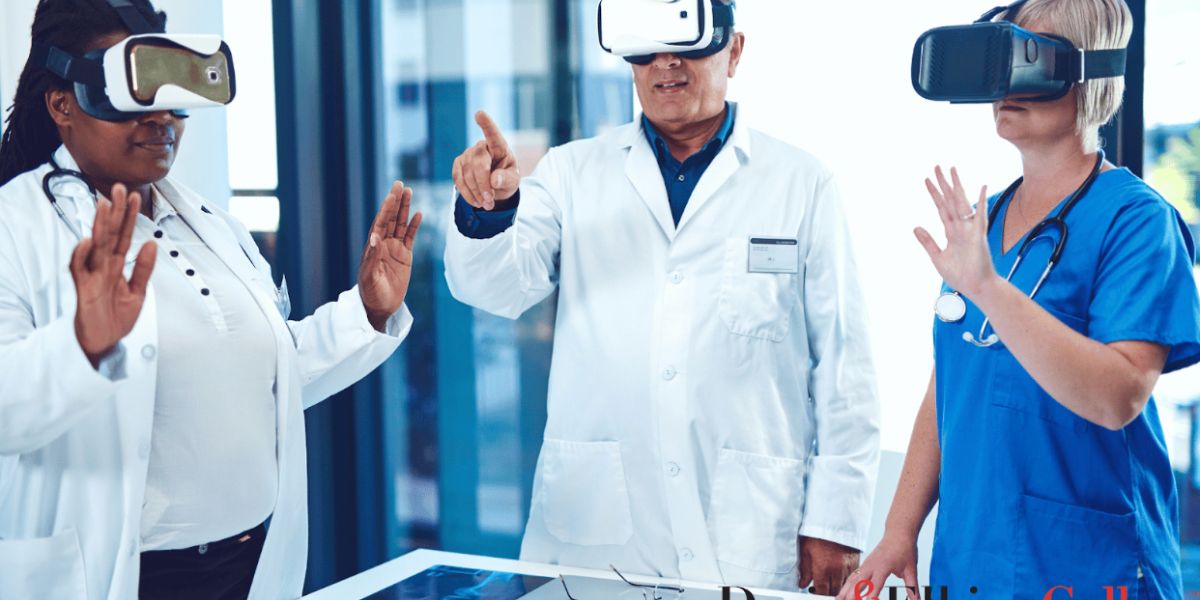
Artificial intelligence (AI) is reshaping healthcare at an unprecedented pace, creating new opportunities for nurses while transforming traditional roles. Rather than replacing nurses, AI is becoming a powerful tool that enhances clinical decision-making, automates routine tasks, improves patient monitoring, and supports personalized care. As hospitals, clinics, and healthcare organizations increasingly adopt AI-powered technologies, the demand for nurses with digital skills and technology expertise is growing rapidly.
In 2026, nursing is no longer limited to bedside care. New career paths are emerging that combine clinical knowledge with artificial intelligence, data analytics, informatics, telehealth, and healthcare innovation. Nurses who embrace these changes can enjoy rewarding careers with expanded responsibilities, higher earning potential, and opportunities to shape the future of patient care.
This guide explores the future nursing careers that will grow because of AI, the skills required for these roles, and how nurses can prepare for the next generation of healthcare.
In This Article
Why AI Is Creating New Opportunities for Nurses
Healthcare systems worldwide face increasing challenges, including nursing shortages, aging populations, rising healthcare costs, and growing patient demands. Artificial intelligence helps address these issues by improving efficiency and reducing administrative workloads.
AI can assist with:
- Clinical documentation
- Patient monitoring
- Risk prediction
- Medical imaging support
- Scheduling
- Medication management
- Virtual consultations
- Data analysis
While AI automates repetitive tasks, it also creates new responsibilities that require human expertise. Nurses remain essential because patient care depends on compassion, critical thinking, communication, and clinical judgment—qualities AI cannot replace.
How AI Is Changing the Nursing Profession
The nursing profession is becoming more technology-driven than ever before.
Instead of spending hours on paperwork, nurses can use AI-powered systems to:
- Generate clinical notes
- Monitor patient vital signs
- Identify high-risk patients
- Support clinical decisions
- Improve care coordination
- Reduce documentation time
This shift allows nurses to focus more on direct patient care while taking on leadership roles in digital healthcare.
Future Nursing Careers That Will Expand Because of AI
One of the fastest-growing roles is the AI Clinical Nurse Specialist.
These professionals bridge the gap between nursing practice and healthcare technology.
Responsibilities include:
- Evaluating AI tools
- Training clinical staff
- Improving AI workflows
- Monitoring system performance
- Ensuring patient safety
- Supporting AI implementation
Hospitals increasingly need nurses who understand both patient care and artificial intelligence.
Nursing Informatics Specialist
Nursing informatics has become one of the most promising career paths.
These specialists combine nursing knowledge with information technology.
Daily responsibilities may include:
- Managing electronic health records
- Improving documentation systems
- Analyzing healthcare data
- Implementing digital solutions
- Optimizing clinical workflows
- Supporting software upgrades
AI makes nursing informatics even more valuable because healthcare organizations need experts who understand both technology and clinical practice.
Virtual Nurse
Virtual nursing has grown significantly in 2026.
Rather than providing bedside care, virtual nurses support patients remotely using digital communication platforms.
Common responsibilities include:
- Admission interviews
- Patient education
- Discharge planning
- Medication counseling
- Follow-up appointments
- Chronic disease management
AI assists virtual nurses by summarizing patient information, documenting conversations, and identifying care priorities.
Telehealth Nurse
Telehealth continues expanding as patients seek convenient access to healthcare.
Telehealth nurses use AI-supported platforms to:
- Conduct virtual assessments
- Monitor chronic illnesses
- Educate patients
- Coordinate care
- Review remote monitoring data
AI improves telehealth by highlighting abnormal patient trends before virtual appointments begin.
AI Documentation Nurse
Documentation remains one of the most time-consuming nursing responsibilities.
AI documentation nurses help healthcare organizations optimize digital documentation systems.
Responsibilities include:
- Testing AI charting tools
- Improving documentation quality
- Training nursing staff
- Reviewing workflow efficiency
- Reducing charting errors
This role combines clinical expertise with technology implementation.
Remote Patient Monitoring Nurse
Wearable devices and home monitoring systems generate enormous amounts of health data.
Remote monitoring nurses oversee patients outside hospital settings.
They monitor:
- Blood pressure
- Blood glucose
- Oxygen levels
- Heart rate
- Weight changes
- Cardiac rhythm
AI analyzes incoming data and alerts nurses when intervention may be needed.
This career is expected to grow rapidly as healthcare shifts toward home-based care.
AI Quality Improvement Nurse
Healthcare organizations increasingly rely on data to improve patient outcomes.
AI quality improvement nurses analyze clinical information to identify trends.
Responsibilities include:
- Monitoring patient safety indicators
- Reviewing readmission rates
- Tracking infection trends
- Evaluating workflow performance
- Supporting quality improvement initiatives
AI provides advanced analytics while nurses interpret findings and recommend improvements.
Digital Health Nurse
Digital health nurses specialize in modern healthcare technology.
They help organizations implement:
- Mobile health applications
- AI platforms
- Patient portals
- Digital education tools
- Wearable technology
- Remote monitoring systems
Their goal is improving healthcare access while enhancing patient engagement.
Clinical Data Nurse
Healthcare generates massive amounts of patient information every day.
Clinical data nurses help transform that information into meaningful insights.
Responsibilities include:
- Data validation
- Clinical reporting
- Trend analysis
- Outcome measurement
- Population health management
AI assists with data processing, while nurses provide clinical interpretation.
AI Education Nurse
As hospitals adopt more technology, staff training becomes essential.
AI education nurses teach healthcare professionals how to use AI safely and effectively.
Training topics include:
- Documentation software
- AI clinical decision support
- Privacy practices
- Workflow optimization
- Technology ethics
Education roles are expected to expand significantly over the next decade.
Nurse Innovation Consultant
Healthcare organizations increasingly seek nurses who can improve systems through innovation.
Innovation consultants evaluate:
- Clinical workflows
- Technology adoption
- Staffing efficiency
- AI integration
- Patient experience
These professionals often work with healthcare leaders to redesign care delivery.
Population Health Nurse
Population health focuses on improving outcomes for entire communities.
AI supports these nurses by analyzing:
- Disease trends
- High-risk populations
- Preventive care gaps
- Vaccination rates
- Chronic disease patterns
Population health nurses use AI insights to develop targeted healthcare interventions.
Precision Medicine Nurse
Personalized healthcare continues expanding.
Precision medicine nurses help patients receive individualized treatment based on genetics, lifestyle, and clinical data.
AI helps analyze complex medical information, while nurses educate patients and coordinate care.
Nurse Researcher in AI Healthcare
Healthcare research increasingly incorporates artificial intelligence.
Nurse researchers study:
- AI effectiveness
- Patient outcomes
- Workflow improvements
- Technology safety
- Clinical best practices
Research roles are becoming more important as AI adoption accelerates.
Healthcare AI Compliance Nurse
AI must be implemented responsibly.
Compliance nurses ensure healthcare organizations follow:
- Privacy regulations
- Ethical standards
- Documentation requirements
- Clinical governance
- Risk management policies
This role protects both patients and healthcare organizations.
Skills Future Nurses Will Need
As artificial intelligence becomes a standard part of modern healthcare, nurses will need to develop new skills that combine clinical expertise with technological proficiency. While AI can improve efficiency and support decision-making, it cannot replace the knowledge, compassion, and judgment that nurses bring to patient care. Building these essential competencies will help nurses remain competitive and succeed in the evolving healthcare landscape.
Digital Literacy
Digital literacy is one of the most important skills for future nurses. Healthcare professionals must understand how to use electronic health records (EHRs), AI-powered clinical decision support systems, telehealth platforms, remote patient monitoring devices, and digital documentation tools. Becoming comfortable with healthcare technology enables nurses to work more efficiently, reduce errors, and provide better patient care.
Data Interpretation
AI systems generate large amounts of patient data and clinical insights. Nurses must be able to interpret this information accurately and determine how it applies to individual patients. Understanding trends, recognizing abnormal findings, and evaluating AI-generated recommendations are essential skills for making informed clinical decisions while ensuring patient safety.
Critical Thinking
Although AI can analyze data and suggest possible diagnoses or treatments, it cannot replace human clinical judgment. Nurses must continue using critical thinking skills to assess patient conditions, evaluate AI recommendations, identify potential errors, and make evidence-based decisions. Clinical experience and professional judgment remain essential components of high-quality nursing care.
Communication
Compassionate communication continues to be one of the most valuable nursing skills. AI cannot provide emotional support, build trust, or respond to patients’ unique concerns. Nurses must communicate clearly with patients, families, and healthcare teams while explaining medical information, addressing questions, and delivering personalized care with empathy and professionalism.
Leadership
As healthcare organizations adopt new technologies, nurses with leadership skills will play a vital role in guiding AI implementation. Future nurse leaders will help train colleagues, improve digital workflows, support technology adoption, and ensure AI tools are used safely and ethically to enhance patient outcomes.
Adaptability
Healthcare technology continues to evolve rapidly, making adaptability essential for long-term career success. Nurses who embrace lifelong learning, stay informed about emerging innovations, and remain open to new technologies will be better prepared for future opportunities. The ability to adapt to change will help nurses thrive in an increasingly AI-driven healthcare environment while continuing to provide exceptional patient care.
Benefits of AI-Powered Nursing Careers
Pursuing an AI-powered nursing career offers numerous advantages for healthcare professionals who want to stay ahead in a rapidly evolving industry. As hospitals and healthcare organizations continue to adopt artificial intelligence, nurses with digital skills are becoming increasingly valuable. These roles not only improve career prospects but also enhance job satisfaction by allowing nurses to focus more on patient care and less on administrative responsibilities.
Higher Demand
Healthcare organizations are actively seeking nurses who understand artificial intelligence, digital health tools, and healthcare technology. As AI becomes integrated into clinical workflows, the demand for nurses with expertise in informatics, telehealth, remote patient monitoring, and digital documentation continues to grow. This trend creates excellent job security and a wider range of employment opportunities across hospitals, clinics, technology companies, and healthcare organizations.
Better Career Growth
Technology-focused nursing careers often provide faster advancement opportunities than traditional roles. Nurses with AI knowledge can move into leadership positions such as nursing informatics specialists, digital health consultants, clinical technology managers, or AI implementation leaders. These specialized roles allow nurses to influence healthcare innovation while expanding their professional responsibilities.
Reduced Administrative Work
One of the biggest advantages of AI is its ability to automate repetitive administrative tasks. AI-powered tools can assist with clinical documentation, appointment scheduling, patient data analysis, and routine reporting. By reducing paperwork and manual data entry, nurses can spend more time delivering direct patient care, improving patient outcomes, and building stronger relationships with patients and families.
Competitive Salaries
Specialized nursing careers involving artificial intelligence and healthcare technology often offer higher salaries than many traditional nursing positions. Employers are willing to invest in professionals who can successfully implement digital solutions, improve operational efficiency, and support advanced healthcare technologies. As AI adoption continues to increase, compensation for these specialized roles is expected to remain competitive.
Improved Work-Life Balance
Many AI-related nursing careers provide greater flexibility than conventional bedside nursing roles. Positions in telehealth, virtual nursing, nursing informatics, remote patient monitoring, and healthcare consulting frequently offer hybrid or fully remote work options. This flexibility can help nurses achieve a healthier work-life balance while continuing to make a meaningful impact on patient care and healthcare innovation.
Will AI Replace Nurses?
This is one of the most common concerns among healthcare professionals.
The answer is no.
AI excels at:
- Data analysis
- Pattern recognition
- Documentation
- Administrative automation
However, AI cannot replace:
- Compassion
- Clinical judgment
- Emotional support
- Ethical decision-making
- Physical patient care
- Family communication
Patients still need trusted healthcare professionals who understand both medicine and humanity.
Challenges Nurses May Face
Although AI creates opportunities, it also brings challenges.
Common concerns include:
- Learning new technology
- Data privacy
- Workflow adjustments
- Ethical questions
- Technology costs
- Staff training
Continuous education helps nurses adapt successfully.
How Nurses Can Prepare for AI Careers
Nurses who want to build successful, future-ready careers should start developing AI-related skills today. As artificial intelligence becomes more common in hospitals, clinics, and other healthcare settings, employers are looking for nurses who can confidently work alongside advanced technologies while continuing to deliver high-quality patient care.
Learn About AI
Start by gaining a basic understanding of how artificial intelligence is used in healthcare. Learn how AI supports clinical decision-making, predicts patient risks, automates documentation, and improves workflow efficiency. Understanding both the benefits and limitations of AI will help nurses use these tools safely and effectively in everyday practice.
Complete Continuing Education
Enrolling in continuing education (CE) courses is one of the best ways to prepare for AI-driven healthcare. Focus on subjects such as nursing informatics, digital health, healthcare technology, data analytics, and telehealth. These courses build valuable knowledge and demonstrate a commitment to professional growth, making nurses more competitive in the job market.
Strengthen Technology Skills
Modern nurses should feel comfortable using digital healthcare systems. Gain hands-on experience with electronic health records (EHRs), telehealth platforms, clinical software, remote patient monitoring tools, and AI-assisted documentation systems. Strong technology skills improve efficiency and make it easier to adapt to new healthcare innovations.
Earn Specialty Certifications
Obtaining certifications in nursing informatics, healthcare technology, or related specialties can significantly enhance career opportunities. Specialty credentials validate your expertise, increase professional credibility, and may qualify you for leadership or advanced technology-focused nursing roles.
Stay Current with Healthcare Innovations
Artificial intelligence is evolving rapidly, so continuous learning is essential. Follow trusted healthcare organizations, attend webinars, participate in professional conferences, read nursing journals, and stay informed about emerging AI technologies and industry best practices. Keeping your knowledge up to date ensures you remain prepared for future changes in healthcare.logy news and industry developments.
Industries Hiring AI-Skilled Nurses
AI nursing careers extend beyond hospitals.
Growing employers include:
- Hospitals
- Health systems
- Insurance companies
- Telehealth providers
- Health technology companies
- Medical software developers
- Government healthcare agencies
- Research organizations
- Home healthcare providers
- Healthcare consulting firms
Career opportunities continue expanding as digital healthcare adoption increases.
Future Trends Beyond 2026
AI will continue changing nursing over the coming years.
Emerging trends include:
- AI-powered clinical assistants
- Smart hospital rooms
- Robotic workflow support
- Predictive healthcare analytics
- Personalized patient education
- Voice-controlled documentation
- Advanced wearable monitoring
- Virtual nursing command centers
Nurses with technology expertise will play a central role in implementing these innovations safely and effectively.
Will AI eliminate nursing jobs?
No. Artificial intelligence is expected to transform nursing roles rather than replace them. AI is highly effective at automating repetitive administrative tasks such as documentation, scheduling, and data analysis, allowing nurses to spend more time on direct patient care. While some routine responsibilities may become automated, the need for skilled nurses will continue to grow due to increasing healthcare demands, aging populations, and the importance of compassionate, patient-centered care. AI serves as a supportive tool that enhances nursing practice instead of replacing healthcare professionals.
Which nursing career will benefit most from AI?
Several nursing specialties are expected to experience significant growth because of AI adoption. Nursing informatics, virtual nursing, telehealth nursing, AI clinical specialist roles, remote patient monitoring, and digital health coordination are among the fastest-growing career paths. These positions combine clinical expertise with healthcare technology, enabling nurses to improve patient care, optimize workflows, and support the implementation of AI-powered systems in hospitals and healthcare organizations.
Do nurses need coding skills to work with AI?
No. Most AI-related nursing positions do not require programming or software development skills. Instead, nurses benefit more from understanding digital health technologies, electronic health records, AI-assisted documentation systems, clinical workflows, and data interpretation. Strong clinical judgment, communication skills, and the ability to work alongside technology are far more valuable than coding knowledge in most nursing roles.
Is nursing informatics a good career in 2026?
Yes. Nursing informatics continues to be one of the most promising nursing specialties in 2026. As healthcare organizations invest in electronic health records, artificial intelligence, predictive analytics, and digital transformation, the demand for nurses with informatics expertise continues to grow. These professionals play a critical role in improving healthcare efficiency, patient safety, and clinical decision-making while enjoying excellent career advancement opportunities.
How can nurses prepare for AI-driven healthcare?
Nurses can prepare for the future by improving their digital literacy, taking continuing education courses in healthcare technology and artificial intelligence, learning how AI supports clinical practice, and strengthening their data interpretation skills. Staying informed about emerging healthcare technologies, participating in professional development programs, and embracing lifelong learning will help nurses remain competitive and thrive in an increasingly AI-powered healthcare environment.
Must Read:
- Best Online CE Courses for Nurses in 2026
- Best AI Apps for Nurses to Save Time During Shifts
- Can AI Reduce Nurse Burnout in Hospitals?
Final Thoughts:
Artificial intelligence is opening innovative career paths that combine clinical expertise with advanced technology. Roles in nursing informatics, telehealth, virtual care, AI implementation, digital health, quality improvement, and remote patient monitoring are expected to see significant growth in the coming years.
The future belongs to nurses who embrace lifelong learning and adapt to technological change. By building digital skills while maintaining the compassion, critical thinking, and patient advocacy that define nursing, healthcare professionals can position themselves for rewarding careers in an AI-powered healthcare system.
As hospitals and healthcare organizations continue investing in artificial intelligence, nurses will remain at the center of innovation, ensuring that technology enhances patient care while preserving the human connection that lies at the heart of nursing.