

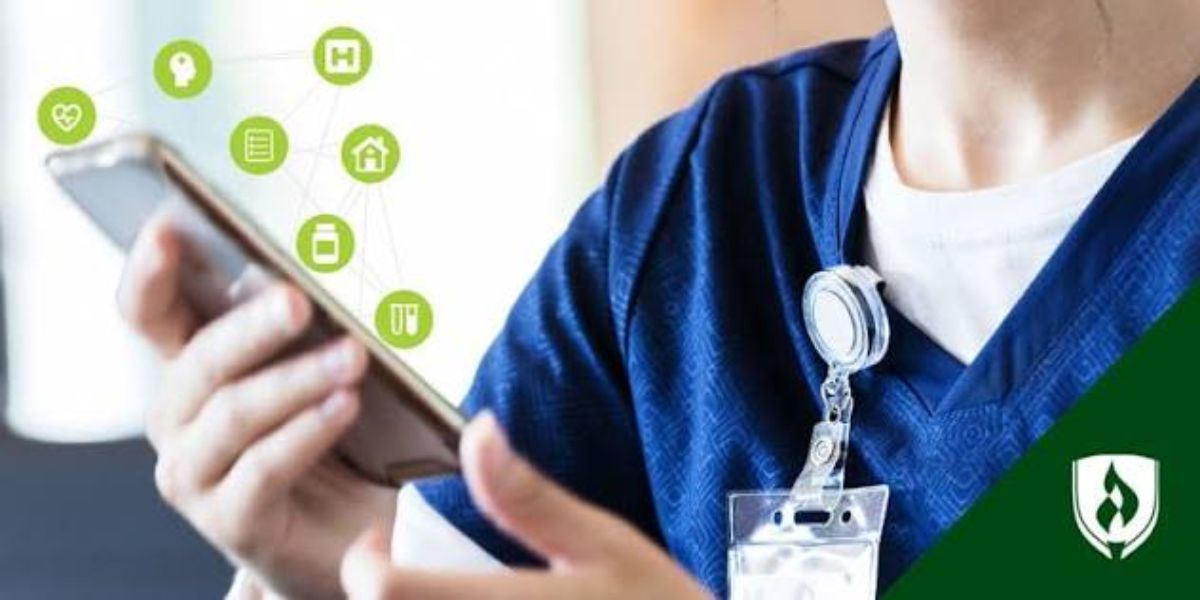
Technology has become an essential part of modern nursing, helping healthcare professionals provide safer, faster, and more efficient patient care. In 2026, mobile apps are no longer just convenient tools—they have become valuable resources for clinical decision-making, medication management, continuing education, communication, documentation, scheduling, and personal wellness.
Whether you’re a nursing student, a newly licensed Registered Nurse (RN), a Licensed Practical Nurse (LPN), a Nurse Practitioner (NP), or an experienced healthcare professional, the right mobile apps can simplify your daily workflow and improve productivity. From drug reference guides and medical calculators to AI-powered assistants and stress management tools, nursing apps help professionals stay organized and informed while delivering high-quality patient care.
This guide explores the best apps every nurse should download in 2026, along with their features, benefits, and how they support nursing practice.
In This Article
Why Nurses Should Use Mobile Apps
Healthcare is becoming increasingly digital, and nurses need quick access to reliable information while working in fast-paced clinical environments. Mobile applications provide instant access to clinical resources without requiring nurses to search through textbooks or lengthy manuals.
Some of the biggest benefits include:
- Faster clinical decision-making
- Easy access to drug information
- Better patient education
- Improved documentation
- Efficient shift management
- Continuing education support
- Better communication
- Reduced administrative workload
Using trusted nursing apps can improve both patient outcomes and workplace efficiency.
How to Choose the Right Nursing App
With thousands of healthcare apps available today, choosing the right one can be challenging. While many apps promise to improve productivity and support clinical decision-making, not all provide accurate, evidence-based, or secure information. Since nurses rely on these tools to assist with patient care, selecting high-quality applications is essential. Before downloading a nursing app, consider the following factors to ensure it meets your professional needs and supports safe clinical practice.
Clinical Accuracy
The most important factor is the reliability of the information provided. Always choose apps developed by reputable healthcare organizations, medical institutions, professional nursing associations, or trusted medical publishers. Reliable apps use evidence-based content that is regularly reviewed by healthcare experts. Avoid applications that lack credible sources or provide outdated medical information, as inaccurate guidance could affect patient safety.
Regular Updates
Healthcare is constantly evolving, with new medications, treatment guidelines, and clinical recommendations introduced regularly. A good nursing app should receive frequent updates to reflect the latest evidence-based practices and maintain compatibility with current mobile operating systems. Developers who actively maintain their applications also improve security, fix technical issues, and add useful new features.
User-Friendly Design
Nurses often work in fast-paced environments where every second matters. A well-designed app should have a clean layout, simple navigation, and quick access to important information. Features such as searchable content, organized menus, bookmarks, and intuitive interfaces allow nurses to find answers quickly without interrupting patient care. Easy-to-use applications improve efficiency and reduce frustration during busy shifts.
Security and Privacy
Patient confidentiality is a fundamental responsibility in healthcare. If an app stores or processes patient-related information, it should comply with healthcare privacy regulations and data protection standards. Look for apps that offer secure login methods, data encryption, and privacy safeguards. Never use unsecured applications to store confidential patient information on personal devices unless approved by your healthcare organization.
Offline Access
Reliable internet access is not always available in every healthcare setting. Some nursing apps allow users to download essential clinical content for offline use, making it possible to access medication guides, clinical references, treatment protocols, and educational resources without an active internet connection. Offline functionality ensures nurses can continue using important resources whenever and wherever they are needed.
Reviews and Professional Recommendations
Before installing an app, read user reviews and seek recommendations from colleagues, nurse educators, or healthcare organizations. Feedback from other nursing professionals can provide valuable insight into an app’s accuracy, usability, reliability, and overall performance. Apps that are widely used and recommended within the healthcare community are generally more trustworthy and practical for everyday clinical use.
Best Apps Every Nurse Should Download
The right mobile apps can make a significant difference in a nurse’s daily workflow by improving efficiency, supporting clinical decision-making, and providing quick access to reliable medical information. From medication references and clinical calculators to scheduling tools and continuing education resources, nursing apps help healthcare professionals deliver safer, more effective patient care. Whether you’re a nursing student, a registered nurse, or an advanced practice nurse, the following apps are among the most useful and trusted resources to download in 2026.
UpToDate
UpToDate remains one of the most trusted clinical decision support resources in healthcare.
Features
- Evidence-based treatment recommendations
- Clinical guidelines
- Disease information
- Drug references
- Patient education materials
Best For
- Hospital nurses
- Nurse practitioners
- Critical care nurses
- Emergency nurses
Epocrates
Epocrates is one of the most popular medication reference apps among healthcare professionals.
Features
- Drug information
- Dosage guidelines
- Drug interaction checker
- Pill identification
- Clinical calculators
Benefits
Quick medication verification improves patient safety and reduces medication errors.
Medscape
Medscape provides free medical news, drug information, and continuing education.
Features
- Drug database
- Clinical reference
- Medical news
- Procedure guides
- Continuing education
Why Nurses Use It
The app helps nurses stay updated with current medical research and treatment guidelines.
Davis’s Drug Guide
Davis’s Drug Guide is one of the most trusted medication reference apps for nurses, helping ensure safe and accurate medication administration. It provides comprehensive information on thousands of prescription and over-the-counter drugs, including recommended dosages, potential side effects, nursing considerations, drug interactions, administration guidelines, and essential patient teaching points. The app also highlights high-alert medications and important safety warnings, enabling nurses to identify potential risks before administering treatments. With its evidence-based content and user-friendly interface, Davis’s Drug Guide is an invaluable resource for nursing students, registered nurses, and advanced practice nurses committed to delivering safe, effective, and high-quality patient care.
MDCalc
MDCalc offers hundreds of clinical calculators used by healthcare professionals.
Popular calculators include:
- Stroke risk
- Sepsis scores
- Kidney function
- Heart failure assessment
- Pain scales
- Pulmonary embolism risk
These tools support evidence-based clinical decision-making.
Microsoft Dragon Copilot Mobile
AI-powered documentation continues expanding in healthcare.
Dragon Copilot allows nurses to:
- Dictate clinical notes
- Generate documentation
- Capture patient information
- Improve charting speed
This reduces administrative workload during busy shifts.
ChatGPT
AI assistants have become valuable learning and productivity tools for nurses.
Common uses include:
- Patient education material
- Medical terminology explanations
- Research summaries
- Professional writing
- Study support
- Continuing education assistance
It should complement, not replace, evidence-based clinical resources.
Figure 1
Figure 1 is often described as a social learning platform for healthcare professionals.
Features include:
- Clinical case discussions
- Medical images
- Expert opinions
- Learning opportunities
- Rare disease examples
It supports continuous professional development.
NurseGrid
NurseGrid is a scheduling app created specifically for nurses, making it easier to manage busy and often unpredictable work schedules. The app includes features such as a shift calendar, schedule sharing, overtime tracking, availability management, and team scheduling, allowing nurses to stay organized and coordinate shifts with colleagues. It also helps users monitor work hours, request schedule changes, and avoid conflicts between personal and professional commitments. By simplifying shift management and improving team coordination, NurseGrid reduces scheduling stress and helps nurses maintain a better work-life balance while staying prepared for upcoming shifts.
GoodRx
Although primarily designed for patients, GoodRx helps nurses understand medication pricing and availability.
It supports:
- Medication cost comparison
- Pharmacy discounts
- Prescription savings
- Drug availability
Useful during patient discharge education.
Lexicomp
Lexicomp is another trusted clinical reference app.
It includes:
- Drug database
- Clinical guidelines
- IV compatibility
- Pediatric dosing
- Toxicology
- Patient education
Many hospitals provide institutional access.
CDC App
The Centers for Disease Control and Prevention offers a mobile app with reliable public health information.
Topics include:
- Infection prevention
- Vaccination
- Disease outbreaks
- Public health guidance
- Clinical recommendations
A valuable resource for evidence-based practice.
Nursing Central
Nursing Central is a comprehensive mobile application that brings multiple nursing resources together in one convenient platform. It serves as an all-in-one clinical reference, making it easier for nurses to access essential information during busy shifts. The app includes a detailed drug guide, disease and disorder references, laboratory values, a medical dictionary, and step-by-step nursing procedures. Its searchable database allows healthcare professionals to quickly find accurate, evidence-based information at the point of care. Nursing Central is especially valuable for nursing students, registered nurses, and advanced practice nurses who need reliable clinical support for safe, informed, and efficient patient care.
Osmosis
Osmosis supports both nursing education and continuing professional development.
Learning tools include:
- Educational videos
- Clinical summaries
- Flashcards
- Practice questions
- Medical illustrations
Excellent for students and lifelong learners.
Headspace
Mental wellness is equally important for nurses.
Headspace helps reduce stress through:
- Guided meditation
- Sleep support
- Mindfulness exercises
- Breathing techniques
- Stress management
Burnout prevention is an important part of professional wellbeing.
Apps for Nursing Students
Students benefit from apps that strengthen learning.
Recommended options include:
- Osmosis
- Nursing Central
- Medscape
- MDCalc
- ChatGPT
- Figure 1
These support classroom learning and clinical placements.
Apps for Nurse Practitioners
Advanced practice nurses often require comprehensive clinical resources.
Useful apps include:
- UpToDate
- Epocrates
- Lexicomp
- Medscape
- MDCalc
- Dragon Copilot
These improve diagnostic accuracy and clinical efficiency.
AI Apps Changing Nursing in 2026
Artificial intelligence is becoming increasingly useful for nurses.
Popular AI-powered tools support:
- Documentation
- Patient education
- Scheduling
- Clinical decision support
- Medical writing
- Workflow automation
AI helps reduce administrative burden while supporting evidence-based care.
Benefits of Nursing Apps
Mobile technology has become an essential part of modern healthcare, and nursing apps are helping healthcare professionals work more efficiently than ever before. From accessing clinical guidelines and drug references to managing work schedules and continuing education, these apps provide valuable support throughout a nurse’s daily responsibilities. When used appropriately, reliable nursing apps can improve patient care, save time, and support ongoing professional development.
Faster Information Access
One of the greatest benefits of nursing apps is the ability to access important clinical information within seconds. Instead of searching through textbooks or lengthy reference manuals, nurses can quickly find evidence-based guidelines, medication details, disease information, laboratory values, and treatment recommendations using their smartphones or tablets. This rapid access to information supports timely decision-making and helps nurses respond confidently in fast-paced clinical environments.
Better Medication Safety
Medication administration is one of the most critical aspects of nursing care. Drug reference apps provide accurate information about medication dosages, side effects, contraindications, drug interactions, and administration guidelines. By verifying medication information before administration, nurses can reduce the risk of medication errors, improve patient safety, and ensure treatments are delivered according to current clinical recommendations.
Improved Clinical Confidence
Reliable nursing apps provide evidence-based resources that help nurses make informed clinical decisions. Access to trusted medical references, clinical calculators, treatment guidelines, and educational materials increases confidence when caring for patients with complex medical conditions. These tools also support newly licensed nurses as they transition into professional practice by providing quick access to accurate clinical information.
Increased Productivity
Many nursing apps automate routine administrative tasks such as documentation, scheduling, reminders, and clinical calculations. Reducing repetitive work allows nurses to spend more time on direct patient care and less time on paperwork. Improved workflow efficiency also helps reduce workplace stress while increasing overall productivity during busy shifts.
Better Organization
Managing rotating shifts, overtime, meetings, and continuing education can be challenging. Scheduling and productivity apps help nurses organize work calendars, track shifts, set reminders, and manage daily responsibilities more effectively. Better organization improves time management and helps maintain a healthier work-life balance.
Continuous Learning
Healthcare is constantly evolving, making lifelong learning an essential part of every nursing career. Educational apps provide access to continuing education courses, medical news, clinical updates, practice quizzes, videos, and evidence-based learning resources. These tools help nurses stay current with the latest healthcare advancements, strengthen clinical knowledge, prepare for specialty certifications, and meet continuing education requirements.
Tips for Using Nursing Apps Safely
Nursing apps have become valuable tools for improving efficiency, supporting clinical decision-making, and providing quick access to medical information. However, like any healthcare technology, they must be used responsibly to protect patient safety and maintain professional standards. While mobile apps can save time and enhance productivity, nurses should remember that these tools are designed to support clinical practice, not replace professional expertise. Following a few essential best practices can help ensure nursing apps are used safely and effectively.
Verify Information
Not all healthcare apps provide accurate or evidence-based information. Before relying on an app for clinical guidance, make sure it is developed by a reputable healthcare organization, medical publisher, or trusted professional body. Regularly compare app recommendations with current clinical guidelines, hospital protocols, and evidence-based resources. Verifying information helps prevent errors and ensures patients receive safe, high-quality care.
Protect Patient Privacy
Patient confidentiality is one of the most important responsibilities in nursing. Avoid entering or storing confidential patient information in unsecured mobile applications or personal devices unless they are approved by your healthcare organization and comply with privacy regulations. Always use secure passwords, enable device encryption when available, and log out of healthcare apps after use. Following cybersecurity best practices helps protect sensitive patient data from unauthorized access and potential data breaches.
Keep Apps Updated
Healthcare knowledge and technology evolve rapidly, making regular software updates essential. App updates often include improved clinical content, enhanced security features, bug fixes, and compatibility with the latest healthcare guidelines. Using outdated applications may increase the risk of inaccurate information or security vulnerabilities. Enable automatic updates whenever possible to ensure your apps remain current and reliable.
Use Clinical Judgment
Although nursing apps provide helpful recommendations, calculators, and clinical references, they should never replace professional judgment or critical thinking. Every patient is unique, and clinical decisions should always consider the individual’s medical history, symptoms, preferences, and overall condition. Nurses should use apps as decision-support tools while continuing to rely on their education, experience, and evidence-based practice to provide safe, compassionate, and patient-centered care.
Future of Nursing Apps
Healthcare apps continue evolving rapidly.
Future innovations may include:
- AI clinical assistants
- Voice-controlled documentation
- Augmented reality training
- Personalized learning
- Predictive patient monitoring
- Digital workflow optimization
- Smart wearable integration
- Virtual nursing support
These technologies will continue improving nursing practice
Which app is best for nurses?
There is no single best app for every nurse. UpToDate, Epocrates, Medscape, Davis’s Drug Guide, Nursing Central, and MDCalc are among the most widely used because they provide reliable clinical information and support evidence-based practice.
Are nursing apps safe to use?
Yes, provided they come from trusted healthcare organizations or reputable medical publishers. Nurses should avoid sharing patient information through unsecured applications and always follow their employer’s privacy and security policies.
Can AI apps replace nursing judgment?
No. AI-powered apps can assist with documentation, education, and clinical decision support, but they cannot replace the critical thinking, ethical decision-making, and compassionate care provided by nurses.
Which apps are best for nursing students?
Nursing students often benefit from educational apps such as Osmosis, Nursing Central, Medscape, MDCalc, Figure 1, and ChatGPT. These apps support classroom learning, clinical preparation, and exam review.
Do nurses need paid apps?
Not always. Many excellent resources, including Medscape, MDCalc, GoodRx, Figure 1, and the CDC app, are available free of charge. Premium apps may provide additional features, more comprehensive drug databases, or advanced clinical decision support.
Must Read:
- Will AI Replace Nurses? The Truth Every RN Should Know
- How Smart Hospitals Are Transforming Nursing in 2026
- Future Nursing Careers That Will Grow Because of AI
Final Thoughts:
Mobile technology has become an essential part of modern nursing practice. The best apps every nurse should download in 2026 help simplify documentation, improve medication safety, support evidence-based decision-making, enhance continuing education, and promote better organization both inside and outside the workplace.
Whether you are a nursing student preparing for clinical rotations, an experienced registered nurse managing complex patients, or a nurse practitioner delivering advanced care, the right combination of trusted healthcare apps can improve efficiency, strengthen clinical confidence, and support better patient outcomes.
As healthcare continues to evolve through artificial intelligence and digital innovation, nurses who embrace reliable mobile technology will be better equipped to provide safe, informed, and compassionate care in an increasingly connected healthcare environment.