

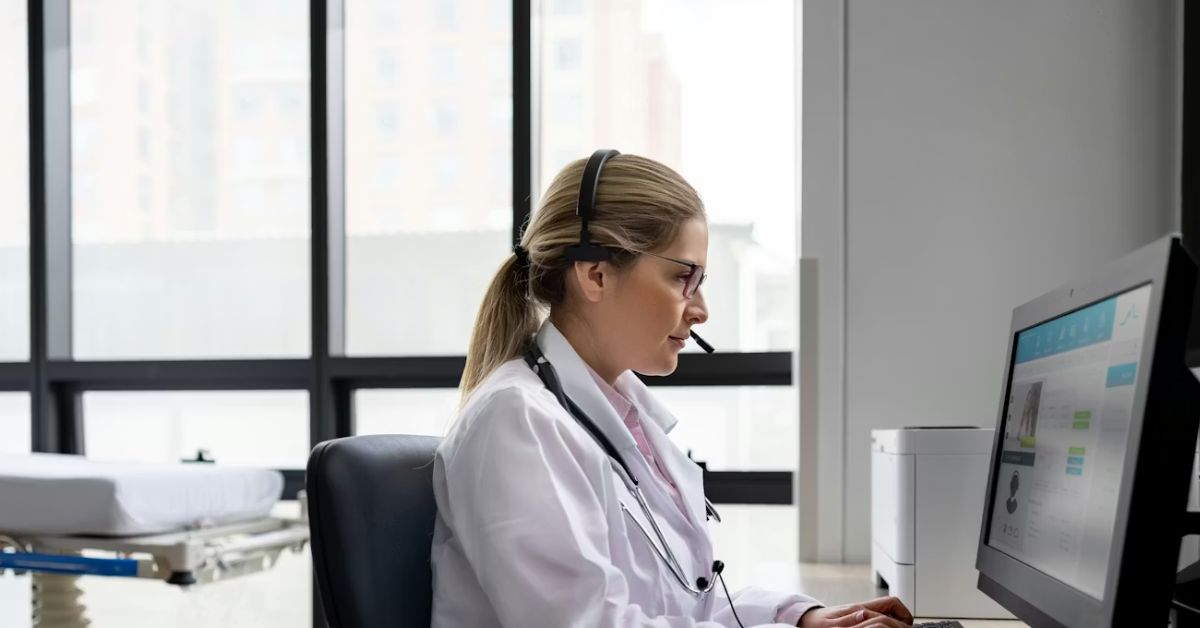
Healthcare is evolving faster than ever, and one of the biggest shifts is the rise of digital care. Patients today no longer depend only on hospitals or clinics. They can now consult healthcare professionals from anywhere, anytime. This transformation has created one of the most exciting career opportunities—telehealth nursing.
If you are searching for how to become a telehealth nurse, you are exploring a career that blends healthcare expertise with modern technology. It offers flexibility, strong earning potential, and long-term career growth.
Telehealth nurses are not just remote workers. They are essential healthcare providers who ensure patients receive timely, efficient, and accessible care. In this guide, you will learn everything about how to become a telehealth nurse, including education, skills, salary, and future scope.
In This Article
What is a Telehealth Nurse?
A telehealth nurse is a registered nurse who provides healthcare services remotely using digital communication tools.
Instead of meeting patients in person, they interact through:
- Video calls
- Phone consultations
- Online chat systems
- Remote monitoring devices
Their responsibilities include assessing symptoms, providing medical advice, monitoring chronic conditions, and guiding treatment plans.
They often act as the first point of contact for patients, making their role highly important in modern healthcare systems.
Why Telehealth Nursing is Growing Rapidly
Understanding how to become a telehealth nurse becomes more valuable when you see how fast this field is growing.
Several factors are driving this demand:
- Patients prefer convenient healthcare solutions
- Hospitals are overcrowded
- Digital healthcare platforms are expanding
- Chronic diseases require continuous monitoring
- Rural areas need better healthcare access
Telehealth is not just a trend. It is becoming a core part of healthcare delivery worldwide.
Step-by-Step Guide on How to Become a Telehealth Nurse
Building a career in telehealth nursing requires a structured approach. If you are serious about understanding how to become a telehealth nurse, following these steps will help you move in the right direction with clarity and confidence.
Get the Right Education
Your journey begins with a formal nursing qualification. This is the foundation of your entire career, as telehealth nursing still requires strong clinical expertise.
You can choose from the following options:
- B.Sc Nursing (most preferred)
- GNM (General Nursing and Midwifery)
- Post Basic B.Sc Nursing
A bachelor’s degree is often preferred because it provides deeper clinical knowledge and better career opportunities. Since telehealth nurses rely heavily on judgment rather than physical examination, having a strong academic background is essential.
Become a Registered Nurse
After completing your education, the next step is to become a licensed nurse. You must register with your state nursing council or the relevant authority.
This step is mandatory because it legally allows you to practice as a nurse. Without proper registration, you cannot work in any healthcare setting, including telehealth. It also ensures that you meet professional standards required for patient care.
Gain Clinical Experience
One of the most important steps in learning how to become a telehealth nurse is gaining hands-on experience in a clinical setting.
Telehealth nursing requires strong decision-making skills, which come from real-world exposure. Working in hospitals or clinics helps you understand patient conditions, treatment processes, and emergency situations.
Recommended areas of experience include:
- Emergency care
- Intensive Care Unit (ICU)
- General ward
- Outpatient departments
Even one to two years of experience can make a significant difference. It builds confidence and prepares you to handle patients independently in a remote environment.
Learn Telehealth Technology
Technology is the backbone of telehealth nursing. To succeed in this field, you must be comfortable using digital tools and platforms.
Key technologies you should learn include:
- Electronic Health Records (EHR)
- Telemedicine platforms
- Video consultation tools
- Remote patient monitoring systems
Being familiar with these tools allows you to work efficiently and provide seamless care to patients. It also helps you adapt quickly to different healthcare systems and platforms.
Develop Specialized Knowledge
Specialization is not mandatory, but it can give you a strong advantage in your career. If you want to stand out while learning how to become a telehealth nurse, consider focusing on specific areas.
Popular specializations include:
- Chronic disease management
- Mental health support
- Pediatric care
- Geriatric care
- Women’s health
Specialized nurses are often in higher demand and can access better job opportunities and higher salaries.
Apply for Telehealth Jobs
Once you have the required education, experience, and skills, you are ready to start applying for telehealth roles.
You can explore opportunities in:
- Telemedicine companies
- Hospitals offering remote care services
- Insurance companies
- Healthcare startups
- International telehealth platforms
The demand for telehealth professionals is growing rapidly, which means more opportunities for skilled nurses. With the right preparation, you can secure a stable and rewarding position in this field.
Skills Required to Become a Telehealth Nurse
To succeed in this field, understanding how to become a telehealth nurse is only the first step. The real difference comes from the skills you bring into practice. Since telehealth nursing depends on remote care, your abilities must go beyond basic clinical training. You need a balanced mix of medical expertise, communication, and technical confidence to deliver effective patient care.
Strong Communication Skills
Communication is the most important skill in telehealth nursing. Without face-to-face interaction, your voice and words become your primary tools. You must be able to explain medical information clearly, ask the right questions, and actively listen to patients. Clear communication helps avoid misunderstandings and ensures patients follow the correct treatment plan. It also builds trust, which is essential when providing care remotely.
Clinical Knowledge
A strong clinical foundation is essential because telehealth nurses cannot physically examine patients. You must rely on your medical knowledge to assess symptoms, understand conditions, and recommend appropriate care. This includes knowledge of common illnesses, medications, and treatment protocols. The stronger your clinical understanding, the more confident and accurate your decisions will be.
Critical Thinking
Telehealth nurses often work with limited information, so critical thinking plays a key role. You need to quickly analyze patient symptoms, identify potential risks, and decide the next steps. This could involve guiding the patient, recommending treatment, or advising immediate medical attention. Strong decision-making skills ensure patient safety and effective care.
Technical Skills
Technology is at the core of telehealth nursing. You must be comfortable using digital tools such as electronic health records, telemedicine platforms, and video consultation software. Basic troubleshooting skills are also helpful in case of technical issues. Being confident with technology allows you to work efficiently and provide a smooth experience for patients.
Emotional Intelligence
Patients may feel anxious or uncertain when discussing their health remotely. Emotional intelligence helps you understand their feelings and respond with empathy. A calm and supportive approach reassures patients and improves their overall experience. This skill is especially important when dealing with sensitive or stressful situations.
Time Management
Telehealth nurses often handle multiple patients during a shift. Good time management helps you stay organized, prioritize tasks, and give each patient the attention they need. Efficient time management not only improves productivity but also ensures that no patient feels rushed or ignored.ntly is important.
Telehealth Nurse Salary
Understanding salary is an important part of learning how to become a telehealth nurse, as this career offers both financial stability and growth opportunities.
Salary in India
Telehealth nurse salaries in India vary based on experience, skills, and employer type. Entry-level nurses usually earn between ₹3–5 LPA. With a few years of experience, this can increase to ₹6–10 LPA. Highly experienced professionals, especially those with specialized knowledge, can earn ₹10–15 LPA or more. As telehealth continues to grow, salary ranges are expected to improve further.
Salary Abroad
International opportunities offer significantly higher salaries for telehealth nurses. In the USA, nurses can earn between ₹50–80 LPA depending on their role and experience. In the UK, salaries typically range from ₹30–50 LPA. In countries like the UAE, telehealth nurses can earn around ₹25–45 LPA. These roles often come with additional benefits, making them highly attractive.
Factors Affecting Salary
Several factors influence how much a telehealth nurse earns. Experience is one of the biggest factors, as skilled professionals are in higher demand. Certifications and additional training can increase earning potential. Specialization in areas like chronic disease management or mental health also plays a key role. The type of employer, whether a hospital, startup, or international company, can impact salary. Location is another important factor, especially for global opportunities.
Benefits of Becoming a Telehealth Nurse
Choosing a career in telehealth nursing comes with several advantages that make it highly appealing, especially in today’s digital world. If you are exploring how to become a telehealth nurse, understanding these benefits will help you see why this career is growing so rapidly.
Work from Home
One of the biggest benefits of telehealth nursing is the ability to work from home. Many telehealth nurses provide care remotely, eliminating the need for daily travel. This not only saves time but also reduces commuting stress and expenses. Working from home also allows you to create a comfortable and personalized work environment.
Better Work-Life Balance
Telehealth nursing often offers more predictable and flexible schedules compared to traditional hospital roles. Fixed shifts and fewer emergency duties allow you to maintain a healthier balance between your personal and professional life. This is especially beneficial for those who want to spend more time with family or focus on personal goals.
Less Physical Stress
Unlike hospital nursing, telehealth roles are less physically demanding. There is no need for long hours of standing, lifting patients, or handling physically exhausting tasks. This makes telehealth nursing a great option for those who want to continue their career without physical strain.
High Demand
Telehealth is one of the fastest-growing sectors in healthcare. As more patients prefer remote consultations, the demand for telehealth nurses continues to rise. This ensures better job security and more career opportunities in the long run.
Global Opportunities
Another major advantage is the ability to work with international companies. Telehealth breaks geographical barriers, allowing you to provide care to patients from different countries. This opens doors to higher salaries, diverse work experiences, and global career growth.
Challenges of Telehealth Nursing
While telehealth nursing offers many benefits, it also comes with certain challenges that you should understand when learning how to become a telehealth nurse. Being aware of these challenges helps you prepare better and perform your role more effectively.
Limited Physical Examination
One of the biggest challenges in telehealth nursing is the lack of physical interaction. You cannot physically examine patients, which means you must rely entirely on their descriptions of symptoms. This can sometimes make it difficult to assess conditions accurately. To overcome this, you need strong questioning skills and clinical judgment to gather the right information.
Technology Issues
Telehealth depends heavily on technology, which means technical problems can disrupt care. Poor internet connections, software glitches, or device issues can affect communication between you and the patient. These interruptions can delay consultations and impact patient experience. Being familiar with basic troubleshooting can help manage such situations effectively.
Communication Barriers
Since all interactions are virtual, communication gaps can occur. Patients may struggle to explain their symptoms clearly, or you might miss subtle cues that are easier to notice in person. Misunderstandings can lead to incorrect assessments. This makes clear, simple, and patient-friendly communication extremely important.
High Responsibility
Telehealth nurses carry a high level of responsibility because their decisions directly impact patient health. Without physical examination, you must rely on your knowledge and judgment to guide patients correctly. Knowing when to handle a case remotely and when to escalate it for in-person care is critical for patient safety.y impact patient health.
Career Scope of Telehealth Nursing
The career scope in telehealth nursing is expanding rapidly as healthcare continues to move toward digital solutions. If you are exploring how to become a telehealth nurse, understanding the wide range of career opportunities and future growth is essential. This field not only offers diverse roles but also long-term stability and global demand.
Career Opportunities
Telehealth nursing opens the door to multiple specialized roles, allowing you to choose a path that matches your interests and expertise.
A Telehealth Triage Nurse is often the first point of contact for patients. They assess symptoms, prioritize cases, and guide patients on the next steps. This role requires quick decision-making and strong clinical judgment.
A Remote Case Manager focuses on long-term patient care. They monitor patient progress, coordinate with healthcare providers, and ensure that treatment plans are followed effectively. This role is common in chronic disease management.
A Health Coach works closely with patients to improve their lifestyle and overall well-being. They guide patients on nutrition, exercise, and preventive care, helping them manage conditions and stay healthy.
A Nurse Informaticist combines nursing with technology. They work with healthcare data, improve digital systems, and help healthcare organizations use technology more effectively.
A Tele-ICU Nurse supports critical care patients remotely. They assist ICU teams by monitoring patient data and providing expert guidance, making this one of the most advanced roles in telehealth nursing.
Future Scope
The future of telehealth nursing is extremely promising and continues to grow with advancements in technology.
Artificial intelligence is transforming healthcare by helping in diagnosis, patient monitoring, and decision-making. Telehealth nurses will increasingly work alongside AI tools to improve patient care.
Wearable devices such as smartwatches and health trackers allow continuous monitoring of patient health. This creates more opportunities for nurses to track and manage conditions remotely.
Remote monitoring systems are becoming more advanced, enabling real-time patient data tracking. This improves early detection and preventive care.
The overall growth of digital healthcare adoption is creating more demand for telehealth professionals. As more healthcare services move online, telehealth nurses will play a central role in delivering efficient and accessible care.
Telehealth vs Traditional Nursing
| Feature | Telehealth Nursing | Traditional Nursing |
|---|---|---|
| Work Location | Remote | Hospital |
| Flexibility | High | Limited |
| Physical Effort | Low | High |
| Risk Exposure | Low | High |
How to Start Without Experience
If you are new and learning how to become a telehealth nurse, follow these steps:
- Gain hospital experience
- Learn digital tools
- Take online courses
- Apply for entry-level roles
Telehealth Nursing in India
India is rapidly adopting digital healthcare solutions.
Key growth factors include:
- Increasing internet access
- Government healthcare programs
- Rising demand for remote consultations
Is Telehealth Nursing the Right Career for You?
If you want:
- Flexible work
- Good salary
- Less physical stress
- Long-term growth
Then telehealth nursing is a great career choice.
Must Read:
- The Black Angels: Nurses Who Shaped Healing and History
- Your Path to Impact: How to Become a Diabetes Nurse Educator
- Do’s and Don’ts: Writing a Nurse Resignation Letter
Final Thoughts:
Now you have a complete understanding of how to become a telehealth nurse.
This career is more than just remote work. It represents the future of healthcare. Telehealth nurses are making healthcare more accessible, efficient, and patient-focused.
If you are ready to combine medical knowledge with modern technology, this career offers strong growth and exciting opportunities.