

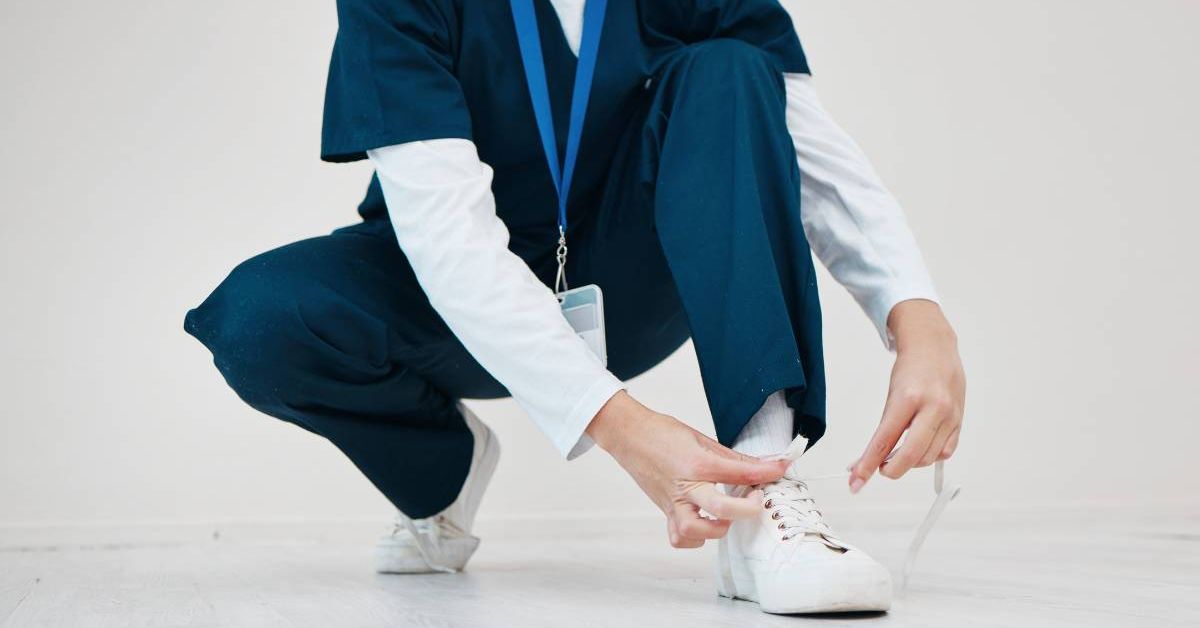
Best Men’s Nursing Shoes can make a significant difference during long healthcare shifts. Nurses spend hours walking between patient rooms, standing at nursing stations, assisting patients, and responding to unexpected situations. The wrong footwear can leave your feet, ankles, knees, and back feeling exhausted before the shift is over.
For male nurses, choosing the right nursing shoes is about more than appearance. Comfort, support, cushioning, stability, durability, breathability, and easy cleaning are all important considerations.
A good pair of nursing shoes should support the demands of a busy healthcare environment. Whether you work in a hospital, emergency department, intensive care unit, clinic, nursing home, or another healthcare setting, your footwear needs to handle long hours and frequent movement.
The best men’s nursing shoes are not necessarily the most expensive shoes. They are the ones that fit properly, provide appropriate support, and suit your specific work environment.
In This Article
Why Nursing Shoes Matter for Male Nurses
Nursing can be physically demanding. A typical shift may involve thousands of steps, prolonged standing, bending, turning, lifting, and moving quickly between different areas of a healthcare facility.
Wearing ordinary sneakers may seem sufficient, but nursing shoes often need to provide features that are especially useful for healthcare professionals.
Long Hours on Your Feet
Nurses may spend most of their shift standing or walking. Without adequate cushioning and support, prolonged standing can contribute to foot discomfort and general fatigue.
A well-designed nursing shoe can provide cushioning under the foot while helping create a more comfortable base for long periods of activity.
Constant Movement
Nurses rarely remain in one location for an entire shift.
You may walk from a patient’s room to the medication area, then to the nursing station, supply room, treatment area, or another department.
Lightweight shoes can make repeated movement more comfortable.
Key Features of the Best Men’s Nursing Shoes
Choosing nursing footwear becomes easier when you know which features matter most.
Comfortable Cushioning
Cushioning helps absorb some of the impact created by walking and standing.
Look for shoes that provide comfortable cushioning without making your feet feel unstable. Extremely soft footwear is not automatically better. The ideal level of cushioning depends on your feet, walking pattern, and personal preference.
Arch Support
Arch support can contribute to overall comfort during extended periods of standing.
Different people have different arch shapes, so there is no single level of support that works for everyone.
If a shoe’s built-in support does not feel comfortable, a suitable insole may be worth considering.
Slip-Resistant Outsole
Healthcare environments can involve spills and wet surfaces.
A slip-resistant outsole can provide additional traction when walking across potentially slippery floors.
Always check your employer’s footwear requirements because some healthcare facilities have specific standards for workplace shoes.
Lightweight Construction
Heavy shoes can become tiring during a long shift.
Lightweight nursing shoes may make walking more comfortable, especially for nurses who regularly move between multiple units or patient rooms.
However, lightweight construction should not come at the expense of stability or durability.
Breathable Materials
Feet can become warm and sweaty during long shifts.
Breathable materials can help improve airflow and comfort.
This can be especially useful for nurses who work in warm environments or spend most of their shifts walking.
Easy-to-Clean Exterior
Healthcare workers frequently encounter spills and other messes.
Shoes that can be wiped clean easily are generally more practical than delicate footwear that requires complicated cleaning.
Consider smooth, water-resistant, or otherwise easy-care materials when appropriate for your workplace.
Best Types of Men’s Nursing Shoes
There is no universal best nursing shoe for every male nurse. Different styles offer different advantages.
Athletic Nursing Shoes
Athletic-style shoes are popular because they combine cushioning, flexibility, support, and a familiar sneaker-like design.
They may be particularly suitable for nurses who walk frequently during their shifts.
A good athletic nursing shoe should provide enough stability for quick changes in direction while remaining comfortable over many hours.
Slip-On Nursing Shoes
Slip-on footwear can be convenient for nurses who value easy on-and-off use.
They may also reduce the time required to put on or remove shoes before and after work.
However, make sure the shoe fits securely. A loose slip-on can create instability and may increase the risk of discomfort while walking.
Clog-Style Nursing Shoes
Clogs are another option commonly considered by healthcare professionals.
Their roomy design can be comfortable for some people, particularly those who prefer additional space around the toes.
However, fit and workplace requirements are important. Some facilities may have specific policies regarding open-back or clog-style footwear.
Walking Shoes
Walking shoes can be a good option for nurses who spend most of their shifts moving around.
They often prioritize cushioning, stability, and comfortable movement.
Look for a walking shoe that provides sufficient support without feeling overly rigid.
Work Shoes
Some male nurses prefer work-oriented footwear designed for durability and protection.
These shoes may offer sturdy construction and supportive soles.
The trade-off can be additional weight, so consider how much walking your job requires.
How to Choose the Right Size
Even a high-quality nursing shoe can become uncomfortable if the size is wrong.
Foot size can change throughout the day, and feet may swell slightly after hours of standing.
Measure Your Feet
Consider measuring your feet toward the end of the day when they may be at their largest.
Measure both feet because one foot can be slightly larger than the other.
Choose a size that accommodates your larger foot comfortably.
Leave Enough Toe Room
Your toes should have enough room to move naturally.
Your toes should not be pressed against the front of the shoe while walking.
Too little space can contribute to discomfort during long shifts.
Check the Heel Fit
The heel should feel secure without excessive pressure.
A shoe that slips significantly at the heel can make walking uncomfortable and may affect stability.
How Much Cushioning Do Nurses Need?
Cushioning is an important consideration, but more cushioning does not automatically mean more comfort.
Some nurses prefer soft, responsive cushioning, while others prefer a firmer and more stable platform.
Consider Your Work Environment
If you spend most of your shift walking on hard hospital floors, cushioning may be particularly important.
If your job requires frequent changes in direction or standing in one location, stability may be equally important.
The best combination is usually a balance between comfort, support, and stability.
Why Slip Resistance Is Important
Hospital and clinical environments can contain liquids, cleaning solutions, and other substances that may make floors slippery.
Nurses need footwear that provides dependable traction.
Check the Outsole
Pay attention to the tread pattern and the manufacturer’s slip-resistance claims.
A shoe with a suitable outsole can provide better traction than a smooth-soled casual sneaker.
Remember that no shoe can eliminate the risk of slipping completely. Walking carefully and following workplace safety procedures remain important.
Men’s Nursing Shoes for 12-Hour Shifts
A 12-hour nursing shift can put considerable demands on footwear.
Shoes that feel comfortable for a short shopping trip may not feel equally comfortable after an entire shift.
Prioritize All-Day Comfort
For extended shifts, look for:
- Supportive cushioning
- Comfortable fit
- Adequate toe space
- Stable construction
- Good traction
- Breathable materials
- Reasonable weight
- Durable construction
The goal is to minimize unnecessary discomfort while allowing you to move efficiently.
Best Men’s Nursing Shoes for Hospital Nurses
Hospital nurses often walk and stand on hard flooring for many hours.
Their footwear may also encounter spills and require frequent cleaning.
What Hospital Nurses Should Look For
A hospital-friendly nursing shoe should ideally be comfortable, stable, easy to clean, and appropriate for workplace requirements.
Traction is especially important in environments where floors may occasionally become wet.
Nurses who work across large hospital campuses may also benefit from lightweight footwear because they can accumulate significant walking distance during a shift.
Best Men’s Nursing Shoes for Emergency Nurses
Emergency nurses often work in unpredictable environments.
They may move rapidly between patients and treatment areas and spend significant periods standing.
Focus on Stability and Traction
Emergency nurses may benefit from footwear that combines cushioning with stability.
A shoe that feels secure during quick movement can be more practical than an extremely soft shoe with a less stable platform.
Easy cleaning can also be important because emergency departments can involve a wide range of clinical exposures.
Best Men’s Nursing Shoes for ICU Nurses
ICU nurses may spend long periods standing beside patients while also moving between rooms, equipment, and nursing stations.
Comfort and Support Are Priorities
A supportive shoe can help make prolonged standing more comfortable.
Because ICU environments require careful movement around equipment and patient beds, stable footwear with good traction can also be useful.
Quiet movement may be another personal preference for nurses who work in environments where minimizing unnecessary noise matters.
Best Men’s Nursing Shoes for Scrubs
Many male nurses want shoes that complement their nursing uniform while remaining functional.
Fortunately, nursing footwear is available in many styles.
Match Function With Style
A professional-looking shoe can complement scrub pants without sacrificing comfort.
Neutral footwear colors are often versatile, but workplace dress codes should always be considered.
Your shoes should ultimately be selected based on safety and comfort rather than appearance alone.
Common Mistakes When Buying Men’s Nursing Shoes
Buying nursing shoes based only on appearance can result in discomfort later.
Choosing the Wrong Size
A shoe that feels slightly tight in the store may become significantly less comfortable after hours of standing.
Do not assume your usual shoe size will fit every brand or model the same way.
Buying Without Considering Your Shift
A shoe designed for casual everyday use may not provide enough support for a 12-hour nursing shift.
Think about how much you walk and stand during a typical workday.
Ignoring Workplace Requirements
Some healthcare employers have rules regarding footwear style, color, coverage, material, or slip resistance.
Check workplace policies before buying a new pair.
Prioritizing Price Over Fit
Saving money is useful, but inexpensive footwear that causes persistent discomfort may not be a good value.
Consider durability and comfort alongside the initial price.
Buying Only One Pair
Wearing the same pair every day can increase wear and may not give the footwear enough time to air out between shifts.
If practical, rotating between two pairs can be useful.
How to Break In New Nursing Shoes
New nursing shoes should ideally be introduced gradually.
Wearing a completely new pair for your longest shift immediately may result in unexpected pressure points or discomfort.
Start With Shorter Periods
Wear the shoes around the house or during shorter periods before using them for a full shift.
Pay attention to areas where rubbing, pressure, or slipping occurs.
If the shoe remains uncomfortable despite adjustment, the problem may be the fit rather than a lack of break-in time.
How to Care for Men’s Nursing Shoes
Proper care can extend the useful life of nursing footwear.
Clean Shoes Regularly
Follow the manufacturer’s cleaning instructions.
Remove dirt and spills as soon as practical.
Avoid using cleaning products that can damage the material.
Allow Shoes to Dry
If shoes become wet, allow them to dry properly before wearing them again.
Avoid excessive heat unless specifically recommended by the manufacturer because high temperatures can damage certain materials or adhesives.
Check the Outsole
Inspect the outsole regularly for excessive wear.
If the tread has become significantly worn, traction may be reduced.
Replacing worn footwear is an important part of maintaining workplace safety.
When Should You Replace Nursing Shoes?
There is no universal replacement schedule.
The lifespan of nursing shoes depends on factors such as usage, construction, body weight, walking patterns, flooring, and maintenance.
Signs You Need New Shoes
Consider replacing your nursing shoes if you notice:
- Worn-out tread
- Reduced cushioning
- Persistent foot discomfort
- Cracked materials
- Uneven sole wear
- Poor heel stability
- Loss of structural support
- Visible damage
A shoe can look acceptable from the outside while its cushioning and support have already deteriorated.
Nursing Shoes and Foot Health
Footwear is only one part of maintaining foot comfort.
Nurses should also pay attention to proper fit, recovery, hygiene, and overall physical health.
Listen to Your Feet
Persistent pain should not simply be ignored because nursing involves long shifts.
If discomfort continues or becomes severe, consider discussing it with an appropriate healthcare professional.
Nurses spend much of their careers on their feet, so taking foot comfort seriously can support long-term workability.
Tips for Making Nursing Shoes More Comfortable
Even a good nursing shoe may benefit from small adjustments.
Consider Appropriate Insoles
Some nurses find that supportive insoles improve comfort.
However, an insole should fit properly inside the shoe without making the shoe too tight.
Wear Suitable Socks
Comfortable nursing socks can complement supportive footwear.
Choose socks that fit well and manage moisture appropriately for your working environment.
Avoid socks that bunch up or create pressure points.
Rotate Your Footwear
If possible, alternating between two suitable pairs can allow each pair to rest between shifts.
This can also help you identify which footwear provides the best comfort over time.
How Much Should You Spend on Men’s Nursing Shoes?
There is no specific amount that every nurse should spend.
A more expensive shoe is not automatically better.
Think About Value
Consider the total value of the footwear.
A durable pair that remains comfortable through many shifts may offer better value than a cheaper pair that quickly loses cushioning or causes discomfort.
Your priorities should include fit, support, traction, durability, workplace compatibility, and personal comfort.
What are the best men’s nursing shoes for long shifts?
The best men’s nursing shoes for long shifts should provide a comfortable fit, adequate cushioning, reliable support, good traction, and enough durability for repeated use. Personal foot shape and workplace requirements should also influence the choice.
Are running shoes good for nursing?
Running-style shoes can work well for some nurses because they often provide cushioning and lightweight construction. However, make sure the outsole provides appropriate traction and that the shoe meets your employer’s requirements.
Should nursing shoes be waterproof?
Water-resistant or easy-to-clean materials can be useful in healthcare environments. However, complete waterproofing is not always necessary. Choose materials based on your workplace, exposure to liquids, and cleaning requirements.
How often should nurses replace their shoes?
Replacement depends on how frequently the shoes are used and how quickly they wear. Look for signs such as worn tread, reduced cushioning, structural damage, or persistent discomfort.
Are clogs good for male nurses?
Clogs can be comfortable for some male nurses, particularly those who prefer a roomy design. However, nurses should check workplace policies and ensure the shoes provide secure footing and appropriate coverage.
Can nursing shoes prevent foot pain?
Supportive, properly fitted footwear may help reduce discomfort associated with prolonged standing and walking, but shoes cannot guarantee that foot pain will be prevented. Persistent pain should be evaluated appropriately.
Must Read:
- Nursing Empowerment: A Pathway to Professional Success and Patient-Centric Care
- Things Nobody Tells You Before Becoming a Nurse
- Real Stories From Nurses Working 12-Hour Shifts
Final Thoughts:
Choosing the Best Men’s Nursing Shoes is an important decision for healthcare professionals who spend long hours walking and standing.
The ideal nursing shoe should provide a combination of comfort, support, cushioning, stability, traction, breathability, durability, and easy maintenance. There is no single shoe that works perfectly for every male nurse because individual foot shape, nursing specialty, shift length, and workplace requirements vary.
Before purchasing, consider how you actually spend your shifts. If you walk continuously, prioritize lightweight comfort and cushioning. If you spend long periods standing, focus on support and stability. If your workplace frequently deals with spills, choose footwear that is easy to clean and provides appropriate traction.