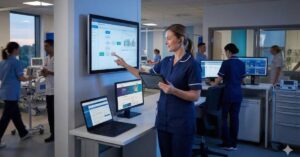

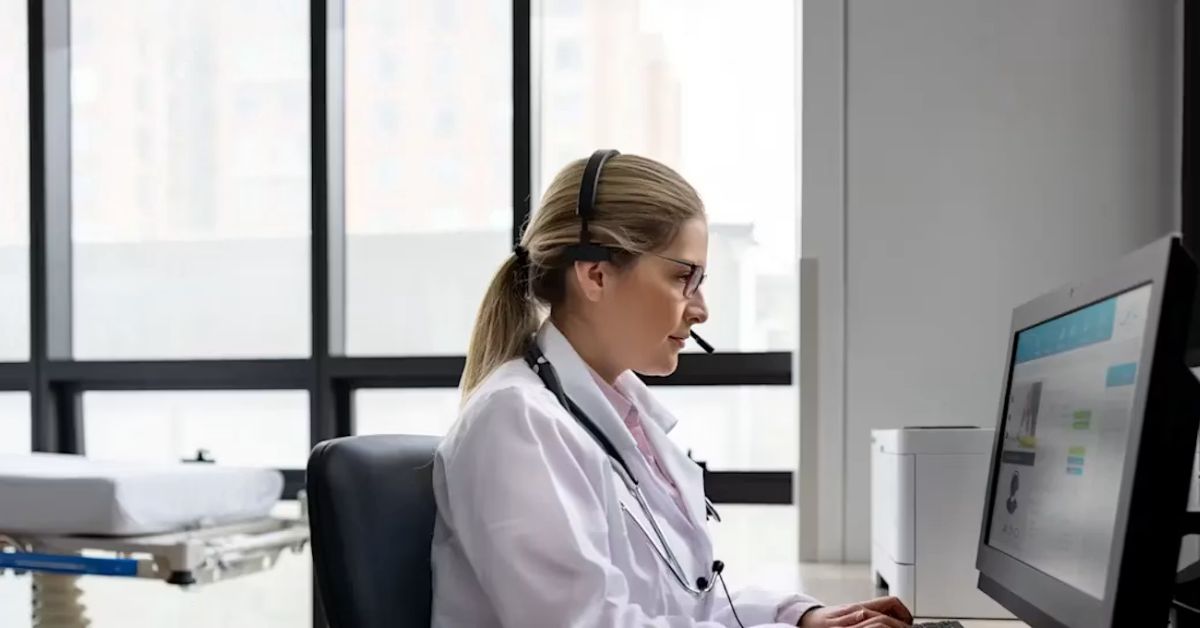
The healthcare industry is experiencing a major transformation, and one of the most significant changes is the rapid growth of telehealth services. As virtual healthcare becomes a standard part of patient care, Telehealth Nurse Practitioner jobs are growing Fast in 2026. Healthcare organizations, insurance companies, hospitals, and digital health providers are actively recruiting Nurse Practitioners who can deliver high-quality care through virtual platforms.
Telehealth has evolved from a convenient healthcare option into an essential component of modern medicine. Patients increasingly prefer virtual appointments for routine care, chronic disease management, mental health services, and follow-up visits. This shift has created strong demand for qualified Nurse Practitioners who can effectively provide healthcare services remotely.
For advanced practice nurses seeking flexibility, career growth, and strong earning potential, telehealth offers one of the most promising career paths available today.
In This Article
What Is a Telehealth Nurse Practitioner?
A Telehealth Nurse Practitioner is an advanced practice registered nurse who provides healthcare services through digital communication technologies. Rather than meeting patients exclusively in traditional healthcare settings, Telehealth NPs conduct consultations using video conferencing, telephone calls, secure messaging systems, and remote monitoring technologies.
These professionals assess symptoms, diagnose illnesses, prescribe medications, provide treatment recommendations, monitor chronic conditions, and educate patients from a distance. Telehealth Nurse Practitioners maintain the same clinical standards as in-person providers while using technology to improve accessibility and convenience.
Why Telehealth Is Growing Rapidly
Several healthcare trends are driving the rapid expansion of telehealth services in 2026. What was once considered a supplemental healthcare option has become a mainstream method of delivering medical care. Healthcare organizations, providers, and patients increasingly recognize the value of virtual healthcare because it improves accessibility, convenience, efficiency, and overall patient experience. As technology continues advancing and healthcare demands increase, telehealth is becoming an essential part of modern healthcare delivery.
Increased Patient Demand
Patients increasingly appreciate the convenience of receiving healthcare from home. Virtual appointments eliminate travel time, reduce waiting room visits, and make healthcare more accessible for busy individuals. Many patients find telehealth especially useful for routine consultations, follow-up appointments, medication management, and chronic disease monitoring. The ability to receive care quickly and conveniently has contributed significantly to the growing popularity of telehealth services.
Healthcare Provider Shortages
Many communities continue facing shortages of physicians and healthcare specialists. These shortages can make it difficult for patients to access timely care, particularly in underserved regions. Telehealth helps bridge these gaps by connecting patients with qualified providers regardless of geographic location. Nurse Practitioners, physicians, and specialists can provide consultations remotely, helping healthcare organizations extend services to more patients without requiring additional physical facilities.
Technological Advancements
Rapid improvements in healthcare technology have made virtual care more effective and efficient than ever before. Advanced video conferencing platforms, secure communication systems, electronic health records, and remote monitoring devices enable providers to deliver high-quality care while maintaining patient privacy and safety. These technologies allow healthcare professionals to assess symptoms, monitor health conditions, review patient data, and coordinate care in ways that were not possible just a few years ago.
Rural Healthcare Access
Telehealth plays an important role in serving rural and underserved populations where healthcare resources may be limited. Patients living in remote areas often face long travel distances to reach healthcare facilities. Telehealth reduces these barriers by allowing individuals to connect with healthcare providers from their homes or local community centers. This improved access helps patients receive earlier interventions, better chronic disease management, and more consistent healthcare support.
Cost Reduction
Healthcare organizations often use telehealth services to reduce costs while improving patient outcomes and access to care. Virtual healthcare can decrease unnecessary emergency room visits, reduce hospital readmissions, and improve management of chronic conditions. By providing care more efficiently, telehealth helps organizations optimize resources while maintaining high-quality patient care. These financial benefits continue encouraging healthcare systems to expand telehealth programs.
Why Telehealth Nurse Practitioner Jobs Are Growing Fast
The demand for Telehealth Nurse Practitioners has increased dramatically as healthcare systems continue expanding virtual care programs. Advances in technology, changing patient preferences, and ongoing healthcare workforce shortages have transformed telehealth into a vital component of healthcare delivery. As a result, organizations across the healthcare industry are actively seeking Nurse Practitioners who can provide high-quality care through virtual platforms.
Expansion of Digital Healthcare
Healthcare organizations are investing heavily in telemedicine platforms and remote patient care services. These investments require experienced Nurse Practitioners capable of managing virtual patient interactions and supporting digital healthcare initiatives.
Key factors driving growth include:
- Expansion of telemedicine programs
- Increased investment in healthcare technology
- Growth of remote patient monitoring services
- Development of virtual care departments
- Rising demand for digital healthcare solutions
As virtual healthcare becomes more sophisticated, the need for qualified telehealth providers continues increasing.
Increased Acceptance of Virtual Care
Patients and healthcare providers have become increasingly comfortable with telehealth services. What was once considered an alternative form of care is now viewed as a routine and effective healthcare option.
Reasons for growing acceptance include:
- Greater convenience for patients
- Reduced travel requirements
- Faster access to healthcare providers
- Improved appointment availability
- Positive patient experiences with telehealth
This widespread acceptance has encouraged healthcare organizations to expand virtual care offerings.
Responsibilities of a Telehealth Nurse Practitioner
Telehealth Nurse Practitioners perform many of the same duties as traditional Nurse Practitioners while utilizing technology to connect with patients remotely. They play a vital role in expanding healthcare access, improving patient convenience, and supporting ongoing health management through virtual care platforms. As telehealth continues growing, these professionals are becoming increasingly important members of modern healthcare teams.
Virtual Patient Assessments
One of the primary responsibilities of a Telehealth Nurse Practitioner involves evaluating patient symptoms through video consultations, phone calls, and digital communication platforms. During these virtual visits, providers gather medical histories, assess symptoms, review health concerns, and determine appropriate next steps for care.
Common assessment activities include:
- Reviewing patient medical history
- Evaluating symptoms and concerns
- Assessing health risks
- Determining urgency of care needs
- Recommending treatment options
Strong assessment skills are essential because telehealth providers often rely on patient communication and visual observations rather than physical examinations
Top Telehealth Specialties for Nurse Practitioners
Several Nurse Practitioner specialties are particularly well suited for telehealth practice. Advances in digital healthcare technology have made it possible for providers to deliver high-quality care remotely across a variety of medical disciplines. As virtual healthcare continues expanding, certain NP specialties are experiencing especially strong demand due to their ability to effectively serve patients through online platforms.
Family Nurse Practitioner
Family Nurse Practitioners are among the most active providers in telehealth. Their broad scope of practice allows them to care for patients of all ages and address a wide range of health concerns through virtual consultations.
Common telehealth services provided by Family Nurse Practitioners include routine consultations, medication management, preventive care, chronic disease monitoring, treatment of minor illnesses, and follow-up appointments. Their versatility makes them highly valuable in digital healthcare settings and one of the most sought-after telehealth specialties.
Psychiatric Mental Health Nurse Practitioner
Mental healthcare is one of the fastest-growing telehealth specialties. Many behavioral health services can be delivered effectively through secure video consultations and digital communication platforms, making telepsychiatry increasingly popular among patients and providers.
Psychiatric Mental Health Nurse Practitioners provide therapy support, medication management, mental health assessments, crisis intervention, and ongoing behavioral healthcare services. As mental health awareness continues increasing and provider shortages persist, demand for psychiatric telehealth professionals remains exceptionally strong.
Adult-Gerontology Nurse Practitioner
Adult-Gerontology Nurse Practitioners frequently use telehealth to support adult and elderly patient populations. Virtual healthcare is particularly beneficial for older adults who may face transportation challenges or mobility limitations.
These providers often use telehealth to manage chronic illnesses, monitor treatment plans, provide preventive healthcare services, and conduct routine follow-up appointments. Their role in supporting long-term health management makes them an important part of the telehealth workforce.
Women’s Health Nurse Practitioner
Women’s Health Nurse Practitioners are increasingly utilizing telehealth to provide accessible and convenient healthcare services. Many aspects of women’s healthcare can be effectively managed through virtual consultations and ongoing patient communication.
Services such as contraceptive counseling, preventive screenings, follow-up care, reproductive health education, menopause management, and wellness consultations can often be provided remotely. Telehealth helps improve access to specialized women’s healthcare while offering greater convenience for patients.
Pediatric Nurse Practitioner
Pediatric Nurse Practitioners also benefit from the growing adoption of telehealth services. Virtual visits allow providers to assess minor illnesses, monitor recovery, and educate families without requiring unnecessary travel to healthcare facilities.
Benefits of Telehealth Nurse Practitioner Careers
Telehealth careers offer numerous advantages for Nurse Practitioners and continue attracting healthcare professionals seeking flexibility, career growth, and innovative work environments. As virtual healthcare becomes a permanent part of modern medicine, Telehealth Nurse Practitioners enjoy unique benefits that support both professional success and personal well-being.
Flexible Work Environment
One of the biggest advantages of telehealth nursing is workplace flexibility. Many telehealth positions allow Nurse Practitioners to work remotely from home or in hybrid settings.
Benefits of flexible work environments include:
- Remote work opportunities
- Greater scheduling flexibility
- Reduced commuting time
- Increased workplace convenience
- Better control over daily routines
Improved Work-Life Balance
Telehealth careers often support a healthier work-life balance compared to traditional healthcare settings. The ability to work remotely can reduce stress and provide more time for personal responsibilities.
Advantages may include:
- More family time
- Less commuting stress
- Improved schedule flexibility
- Better work-life integration
- Reduced workplace fatigue
Expanded Patient Reach
Telehealth enables Nurse Practitioners to provide care to patients across broader geographic regions. This allows providers to help individuals who may otherwise struggle to access healthcare services.
Key benefits include:
- Serving rural communities
- Reaching underserved populations
- Expanding healthcare access
- Supporting patients with mobility challenges
- Improving healthcare convenience
Skills Needed for Telehealth Nurse Practitioner Jobs
Success in telehealth requires a combination of clinical expertise, communication abilities, and technological proficiency. Unlike traditional healthcare settings, telehealth Nurse Practitioners must deliver high-quality patient care through virtual platforms while effectively managing digital healthcare tools. As telemedicine continues expanding, employers increasingly seek professionals who possess both advanced clinical knowledge and the skills needed to thrive in remote healthcare environments.
Communication Skills
Strong communication is essential because virtual interactions rely heavily on verbal and visual communication. Telehealth Nurse Practitioners must clearly explain medical information, ask detailed assessment questions, and ensure patients fully understand treatment recommendations. Since physical interaction is limited, providers must pay close attention to tone of voice, patient concerns, and nonverbal cues that may be visible during video consultations.
Effective communication also helps build trust, strengthen patient relationships, and improve healthcare outcomes.
Clinical Assessment Abilities
Telehealth providers must accurately evaluate symptoms without conducting traditional hands-on examinations. This requires strong assessment skills and the ability to gather detailed information through patient interviews, observation, and available health data.
Experienced Telehealth Nurse Practitioners know how to identify warning signs, determine appropriate levels of care, and recognize situations that require in-person evaluation or emergency intervention. Strong clinical judgment is critical for making safe and effective healthcare decisions in virtual environments.
Technology Proficiency
Comfort with telehealth platforms, electronic health records, and healthcare software is critical for success in digital healthcare. Telehealth Nurse Practitioners regularly use video conferencing systems, remote monitoring devices, secure messaging tools, and digital documentation platforms.
Providers who are comfortable learning and adapting to new technologies often perform more efficiently and can better support patients using virtual healthcare systems.
Critical Thinking
Telehealth Nurse Practitioners must make informed decisions based on patient history, symptoms, available data, and virtual assessments. Critical thinking skills help providers analyze information, identify potential health risks, prioritize patient needs, and develop appropriate treatment plans.
The ability to solve problems quickly and make sound clinical decisions is especially important when managing complex patient situations remotely.
Time Management
Managing multiple virtual appointments requires strong organizational skills and effective time management. Telehealth providers often balance patient consultations, documentation requirements, follow-up communications, and care coordination activities throughout the day.
Efficient scheduling, attention to detail, and the ability to prioritize tasks help ensure smooth workflow and high-quality patient care. Strong time management skills also contribute to improved productivity and reduced workplace stress.
Technology Used in Telehealth Practice
Technology serves as the foundation of telehealth nursing and enables Nurse Practitioners to deliver high-quality healthcare services remotely. Modern telehealth systems combine communication tools, patient monitoring devices, and digital healthcare platforms to improve access, efficiency, and patient outcomes. As virtual healthcare continues expanding, technology remains essential to the success of telehealth practice.
Video Consultation Platforms
Secure video consultation platforms support real-time patient interactions and allow providers to conduct virtual appointments from virtually any location. These systems enable Nurse Practitioners to evaluate symptoms, discuss treatment plans, provide patient education, and monitor progress without requiring in-person visits.
Common benefits include:
- Real-time patient communication
- Improved healthcare accessibility
- Reduced travel requirements
- Faster appointment scheduling
- Convenient follow-up care
Video technology has become one of the most important tools in modern telehealth delivery.
Electronic Health Records
Electronic Health Record (EHR) systems allow providers to access and update patient information efficiently. These digital records help ensure continuity of care and support informed clinical decision-making during virtual visits.
EHR systems typically allow providers to:
- Review medical histories
- Access laboratory results
- Document patient encounters
- Prescribe medications electronically
- Coordinate care with other providers
The integration of EHR technology helps improve efficiency and patient safety throughout the healthcare process.
Remote Monitoring Devices
Remote monitoring technology allows patients to share health information directly with healthcare providers from home. Patients may use devices that track:
- Blood pressure
- Heart rate
- Blood glucose levels
- Oxygen saturation
- Body weight
- Physical activity levels
These devices provide valuable real-time health data that helps Nurse Practitioners monitor chronic conditions, identify potential health concerns, and make timely treatment adjustments.
Secure Communication Tools
Secure communication platforms help maintain patient privacy while supporting ongoing healthcare communication. Encrypted messaging systems allow providers and patients to exchange important healthcare information safely and efficiently.
These tools are commonly used for:
- Appointment reminders
- Medication questions
- Follow-up communication
- Treatment plan updates
- Patient education
- Care coordination
Strong security measures help protect sensitive health information while ensuring compliance with healthcare privacy regulations.
The Future of Telehealth Technology
As digital healthcare continues evolving, telehealth technology is becoming increasingly sophisticated. Advances in artificial intelligence, remote monitoring, healthcare analytics, and digital communication platforms will continue enhancing the effectiveness of virtual care. Nurse Practitioners who are comfortable using these technologies will be well positioned to succeed in the rapidly growing field of telehealth nursing.
Industries Hiring Telehealth Nurse Practitioners
Telehealth Nurse Practitioners are employed across a wide range of healthcare sectors as virtual care becomes an increasingly important part of modern healthcare delivery. The growing demand for accessible, convenient, and cost-effective healthcare services has created numerous employment opportunities for Nurse Practitioners with telehealth expertise. From hospitals to technology companies, organizations are actively seeking skilled providers who can deliver quality patient care through digital platforms.
Hospitals and Health Systems
Many hospitals and health systems have established virtual care departments and telehealth programs to improve patient access and expand healthcare services. Telehealth Nurse Practitioners support a variety of functions, including virtual consultations, follow-up appointments, chronic disease management, and remote patient monitoring. As healthcare systems continue investing in digital healthcare infrastructure, employment opportunities within hospital-based telehealth programs continue to grow.
Telemedicine Companies
Telemedicine companies are among the largest employers of Telehealth Nurse Practitioners. These organizations specialize in providing healthcare services through virtual platforms and often operate nationwide networks of healthcare providers. Telehealth NPs working for digital healthcare companies may provide primary care, mental health services, urgent care consultations, preventive healthcare, and ongoing patient support through video visits and secure messaging systems.
Insurance Companies
Insurance organizations increasingly employ Nurse Practitioners to support virtual care coordination and chronic disease management programs. These professionals help improve patient outcomes while reducing healthcare costs through preventive care initiatives and ongoing health monitoring. Telehealth NPs may also assist with care management, patient education, utilization review, and healthcare navigation services.
Government Healthcare Programs
Public health organizations and government healthcare programs use telehealth services to expand healthcare access, particularly in underserved and rural communities. Telehealth Nurse Practitioners working within government programs may provide preventive care, chronic disease management, behavioral health services, and health education. Their work helps improve healthcare accessibility while addressing provider shortages in areas where medical resources may be limited.
Healthcare Technology Companies
Healthcare technology companies hire Nurse Practitioners to support digital healthcare initiatives and product development. These organizations develop telehealth platforms, remote monitoring systems, healthcare software, and other technology solutions designed to improve patient care. Telehealth NPs contribute valuable clinical expertise by helping design, implement, evaluate, and optimize healthcare technologies that support virtual care delivery.
Expanding Career Opportunities
As telehealth adoption continues increasing, employment opportunities for Nurse Practitioners are expected to expand across multiple industries. Healthcare organizations are recognizing the value of virtual care and investing heavily in technologies and services that support remote healthcare delivery. This trend is creating diverse career pathways for Telehealth Nurse Practitioners who want to combine clinical expertise with innovative healthcare technologies.
Salary Potential for Telehealth Nurse Practitioners
Telehealth Nurse Practitioners often earn competitive salaries comparable to traditional clinical roles.
Factors Affecting Compensation
Several factors influence earning potential:
- Clinical experience
- Specialty certification
- Geographic location
- Employer type
- Scope of responsibilities
High-Paying Telehealth Specialties
Psychiatric Mental Health Nurse Practitioners, Family Nurse Practitioners, and chronic care management specialists often enjoy strong earning potential in virtual healthcare settings.
Future Salary Trends
As demand for telehealth services continues increasing, compensation for qualified providers is expected to remain competitive.
Challenges of Telehealth Nursing
While telehealth offers many benefits, there are also challenges that Nurse Practitioners and healthcare organizations must address. Understanding these challenges can help providers deliver more effective virtual care and improve patient outcomes.
Technology Dependence
Telehealth relies heavily on digital infrastructure and technology. Common challenges include:
- Internet connectivity issues
- Software malfunctions
- Video conferencing disruptions
- Device compatibility problems
- Technical difficulties for patients
- Cybersecurity concerns
- Electronic health record integration challenges
Reliable internet access and secure digital platforms are essential for successful telehealth delivery.
Limited Physical Examination
Unlike traditional healthcare settings, telehealth providers cannot perform hands-on physical assessments. This can create challenges such as:
- Limited ability to perform comprehensive examinations
- Greater reliance on patient-reported symptoms
- Difficulty assessing certain medical conditions remotely
- Increased need for clinical judgment
- Potential need for in-person referrals
- Reduced access to immediate diagnostic testing
Providers must rely heavily on patient communication, medical history, and visual observation during virtual visits.
Educational Requirements
Most Telehealth Nurse Practitioner positions require graduate-level nursing education and advanced clinical training. Because Telehealth NPs provide many of the same healthcare services as traditional Nurse Practitioners, they must meet the same educational, certification, and licensing standards. Employers typically seek candidates with strong clinical backgrounds, advanced nursing credentials, and an understanding of virtual healthcare delivery.
Master of Science in Nursing (MSN)
Many Telehealth Nurse Practitioners hold a Master of Science in Nursing degree. MSN programs provide advanced education in patient assessment, diagnosis, treatment planning, pharmacology, and evidence-based practice. Students also complete supervised clinical training that prepares them for advanced practice nursing roles.
An MSN remains one of the most common pathways to becoming a Nurse Practitioner and qualifying for telehealth positions. Graduates can pursue specialties such as Family Nurse Practitioner, Psychiatric Mental Health Nurse Practitioner, Adult-Gerontology Nurse Practitioner, Pediatric Nurse Practitioner, and Women’s Health Nurse Practitioner.
Doctor of Nursing Practice (DNP)
Some telehealth positions may prefer or require a Doctor of Nursing Practice degree. The DNP is a terminal nursing degree that provides advanced training in clinical practice, healthcare leadership, quality improvement, and healthcare systems management.
As healthcare organizations continue emphasizing leadership, innovation, and evidence-based care, DNP-prepared Nurse Practitioners may have access to additional career advancement opportunities within telehealth and digital healthcare environments.
Certification
National certification within a Nurse Practitioner specialty is generally required before practicing as a Telehealth Nurse Practitioner. Certification demonstrates clinical competency and verifies that providers have met professional standards within their specialty area.
Common certifications include:
- Family Nurse Practitioner (FNP)
- Psychiatric Mental Health Nurse Practitioner (PMHNP)
- Adult-Gerontology Nurse Practitioner (AGNP)
- Pediatric Nurse Practitioner (PNP)
- Women’s Health Nurse Practitioner (WHNP)
Employers often require certification before hiring Nurse Practitioners for telehealth roles.
Certifications That Improve Opportunities
Professional certifications can significantly strengthen a Telehealth Nurse Practitioner’s resume and improve career opportunities. As virtual healthcare continues expanding, employers increasingly value candidates who possess specialized knowledge in telehealth delivery, healthcare technology, care coordination, and behavioral health. Additional certifications demonstrate a commitment to professional development and can help Nurse Practitioners stand out in a competitive job market.
Telehealth Certification
Telehealth Certification is one of the most relevant credentials for professionals working in virtual healthcare. Specialized telehealth training demonstrates expertise in remote patient care, virtual communication, telemedicine regulations, digital healthcare technologies, and best practices for online healthcare delivery. Employers often view telehealth certification as evidence that a provider is prepared to deliver safe, effective, and high-quality care through virtual platforms.
Nursing Informatics Certification
Nursing Informatics Certification is particularly valuable for Telehealth Nurse Practitioners because it combines clinical nursing knowledge with technology and data management expertise. Technology-focused credentials support digital healthcare careers by helping providers understand electronic health records, healthcare analytics, digital workflows, and healthcare information systems. As telehealth increasingly relies on advanced technology, informatics skills have become highly desirable.
Case Management Certification
Case Management Certification is useful for Nurse Practitioners involved in chronic disease management, care coordination, and population health programs. Telehealth providers often work with patients who require ongoing monitoring and support for long-term health conditions. Certification in case management demonstrates expertise in coordinating healthcare services, improving patient outcomes, managing resources, and facilitating continuity of care across healthcare settings.
Behavioral Health Certifications
Behavioral Health Certifications are especially valuable for mental health telehealth providers. As telepsychiatry and virtual behavioral healthcare continue growing, specialized credentials can help demonstrate expertise in managing mental health conditions, supporting patient wellness, and delivering effective behavioral healthcare services remotely. These certifications may improve employment opportunities for Psychiatric Mental Health Nurse Practitioners and other providers working in behavioral health settings.
Future of Telehealth Nurse Practitioner Careers
The future of telehealth Nurse Practitioner careers appears exceptionally promising as healthcare organizations continue embracing digital healthcare solutions. Advances in technology, changing patient expectations, and growing healthcare demands are transforming the way care is delivered. Telehealth Nurse Practitioners are expected to play an increasingly important role in improving healthcare accessibility, managing chronic conditions, and supporting preventive care initiatives across diverse patient populations.
Artificial Intelligence Integration
Artificial intelligence is expected to become a valuable tool for Telehealth Nurse Practitioners. AI-powered technologies can assist with clinical decision-making, patient monitoring, risk identification, and administrative tasks. These tools help providers analyze patient data more efficiently, identify potential health concerns earlier, and improve overall workflow efficiency. By reducing administrative burdens, AI allows Nurse Practitioners to focus more attention on direct patient care and clinical outcomes.
Expansion of Remote Monitoring
Connected healthcare devices and wearable technologies continue transforming virtual healthcare delivery. Patients can now transmit health information such as blood pressure, heart rate, blood glucose levels, oxygen saturation, and other important metrics directly to healthcare providers. As remote monitoring technology becomes more advanced and widely available, demand for Telehealth Nurse Practitioners who can interpret data and manage patient care remotely is expected to increase significantly.
Growth of Preventive Healthcare
Healthcare systems are placing greater emphasis on prevention rather than simply treating illness after it occurs. Telehealth supports proactive health management by allowing providers to monitor patients regularly, identify risk factors early, and encourage healthy lifestyle choices. Telehealth Nurse Practitioners are well positioned to lead preventive care initiatives that improve long-term patient outcomes while reducing healthcare costs.
Greater Healthcare Accessibility
Virtual care continues helping healthcare organizations reach underserved and remote populations. Many patients face barriers related to transportation, mobility limitations, provider shortages, or geographic distance. Telehealth helps overcome these challenges by connecting patients with healthcare professionals regardless of location. This increased accessibility is expected to remain a major driver of telehealth growth in the future.
Increased Employer Adoption
More healthcare organizations are expected to expand telehealth programs in the coming years. Hospitals, health systems, insurance companies, telemedicine providers, and healthcare technology firms continue investing in virtual care services. As employer adoption increases, Telehealth Nurse Practitioners will have access to a growing number of career opportunities, leadership roles, and specialized positions within the digital healthcare industry.
Must Read:
- How To Become a Nurse Practitioner Faster
- Most In-Demand Nurse Practitioner Jobs in 2026
- Most In-Demand Nurse Practitioner Jobs in 2026
Conclusion:
Telehealth Nurse Practitioner jobs are among the fastest-growing healthcare careers in 2026. Driven by technological advancements, patient demand, provider shortages, and healthcare accessibility initiatives, telehealth has become a critical component of modern healthcare delivery.
These positions offer flexibility, strong earning potential, career growth opportunities, and the ability to reach diverse patient populations. As virtual healthcare continues expanding, Telehealth Nurse Practitioners will remain essential providers helping shape the future of healthcare.
For nurses seeking a rewarding advanced practice career that combines clinical expertise with innovative technology, telehealth represents one of the most exciting and rapidly growing opportunities in today’s healthcare industry.