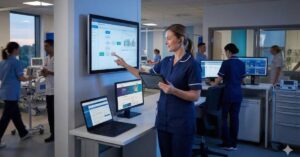

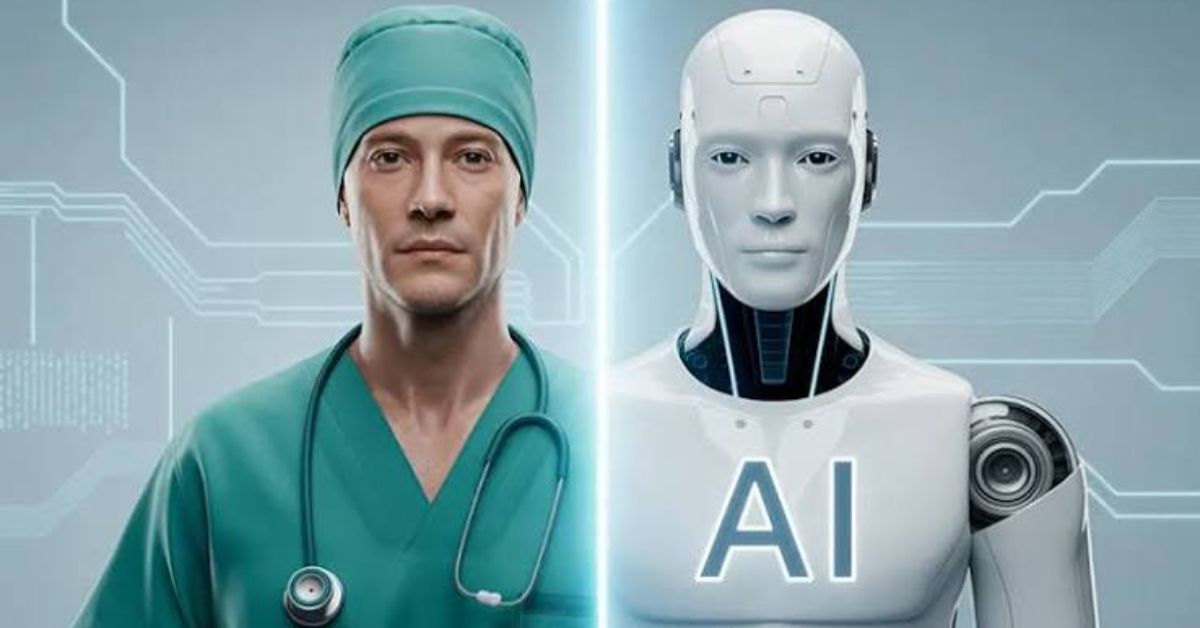
Artificial intelligence (AI) is transforming the healthcare industry at an unprecedented pace, and nursing is one of the professions experiencing the greatest impact. In 2026, AI is no longer a futuristic concept. It is actively supporting nurses in hospitals, clinics, long-term care facilities, home healthcare, and telehealth services. From automating clinical documentation to improving patient monitoring and enhancing decision-making, AI is changing how nurses work every day.
Despite concerns about automation, AI is not replacing nurses. Instead, it is reshaping nursing jobs by eliminating repetitive administrative tasks, improving workflow efficiency, and creating new career opportunities in digital health and healthcare technology. The human skills that define nursing, such as empathy, critical thinking, communication, and clinical judgment, remain irreplaceable.
This guide explores how AI is changing nursing jobs in 2026, the benefits and challenges of AI adoption, emerging nursing careers, essential skills for the future, and practical ways nurses can prepare for an AI-powered healthcare environment.
In This Article
Why AI Is Transforming Nursing
Healthcare systems around the world are facing growing challenges, including nursing shortages, increasing patient volumes, rising healthcare costs, and an aging population. AI helps healthcare organizations address these challenges by improving efficiency and supporting better clinical decisions.
Today, AI is commonly used to:
- Automate clinical documentation
- Analyze patient data
- Predict health risks
- Improve medication safety
- Support telehealth services
- Optimize nurse scheduling
- Enhance remote patient monitoring
- Assist with clinical decision-making
By reducing administrative workloads, AI allows nurses to spend more time providing direct patient care.
What Is AI in Nursing?
Artificial intelligence in nursing refers to the use of intelligent software, machine learning, predictive analytics, and automation to support nursing practice. These technologies analyze large amounts of healthcare data, identify patterns, and provide recommendations that help nurses make informed clinical decisions.
Rather than replacing nurses, AI functions as a decision-support tool that improves efficiency while allowing healthcare professionals to focus on patient-centered care.
How AI Is Changing Daily Nursing Responsibilities
Documentation is one of the most time-consuming responsibilities in nursing. AI-powered documentation systems can automatically generate clinical notes, organize patient information, and summarize care activities.
Benefits include:
- Faster charting
- More accurate records
- Reduced paperwork
- Improved workflow
- More time for patient interaction
This allows nurses to focus on providing quality care instead of spending hours completing documentation.
Smarter Clinical Decision Support
AI systems analyze patient records, laboratory results, medications, and vital signs to identify potential risks.
These systems can:
- Predict patient deterioration
- Detect sepsis earlier
- Identify medication interactions
- Recommend evidence-based interventions
- Highlight abnormal test results
Nurses use these insights to support clinical judgment while making informed patient care decisions.
Improved Patient Monitoring
Remote monitoring technology has become increasingly common in hospitals and home healthcare settings.
Connected devices continuously monitor:
- Heart rate
- Blood pressure
- Oxygen saturation
- Blood glucose
- Respiratory rate
- Temperature
When AI detects abnormal trends, nurses receive immediate alerts, enabling earlier intervention and reducing the risk of complications.
Better Medication Management
Medication errors remain a major patient safety concern. AI helps improve medication administration by identifying:
- Drug interactions
- Incorrect dosages
- Allergy risks
- Duplicate therapies
- Contraindications
These tools support nurses in delivering safer medication management while reducing preventable errors.
Enhanced Patient Education
AI-powered educational platforms help nurses provide personalized patient education by generating easy-to-understand information about medications, treatment plans, lifestyle changes, and disease management.
These tools improve patient understanding while allowing nurses to spend more time addressing individual concerns.
New Nursing Careers Created by AI
Artificial intelligence is creating exciting career opportunities that extend far beyond traditional bedside nursing. As healthcare organizations continue to adopt digital technologies, they need nurses who can combine clinical expertise with knowledge of artificial intelligence, healthcare technology, and digital health systems. These emerging roles focus on improving patient outcomes, optimizing clinical workflows, and supporting the successful implementation of innovative healthcare solutions. As healthcare becomes increasingly technology-driven, these careers are expected to grow significantly in the coming years.
Nursing Informatics Specialist
Nursing informatics specialists bridge the gap between nursing practice and healthcare technology. They work with electronic health records (EHRs), clinical information systems, and healthcare data to improve documentation, streamline workflows, and enhance patient care. They also train healthcare staff, analyze clinical data, and collaborate with IT professionals to ensure digital systems meet the needs of both nurses and patients. This specialty continues to be one of the fastest-growing areas in modern nursing.
AI Clinical Nurse Specialist
AI clinical nurse specialists focus on implementing, evaluating, and optimizing artificial intelligence solutions within healthcare organizations. They assess AI-powered clinical tools, monitor their effectiveness, educate nursing teams on proper usage, and work closely with technology developers to improve healthcare applications. Their expertise ensures that AI systems support safe, ethical, and evidence-based patient care while integrating smoothly into clinical workflows.
Virtual Nurse
Virtual nursing is rapidly expanding as telehealth becomes more common. Virtual nurses provide patient education, conduct admission and discharge interviews, review medications, coordinate follow-up care, and answer patient questions through secure digital communication platforms. By handling many non-bedside responsibilities remotely, virtual nurses improve patient access to healthcare while allowing bedside nurses to focus on direct clinical care.
Remote Patient Monitoring Nurse
Remote patient monitoring nurses care for patients using wearable devices and connected health technologies that continuously track vital signs such as heart rate, blood pressure, oxygen saturation, and blood glucose levels. AI analyzes this data in real time and alerts nurses when unusual patterns or potential health risks are detected. These nurses assess incoming information, communicate with patients, and coordinate timely interventions that help prevent complications and reduce hospital readmissions.
Digital Health Coordinator
Digital health coordinators manage healthcare technology initiatives, including telehealth services, mobile health applications, remote monitoring programs, and digital transformation projects. They work with healthcare providers, administrators, and IT teams to implement new technologies, improve digital workflows, and ensure healthcare systems operate efficiently. Their role is essential in helping organizations successfully adopt innovative healthcare solutions while maintaining high standards of patient care.
Benefits of AI for Nursing Jobs
Artificial intelligence is reshaping nursing jobs by making healthcare more efficient, improving patient safety, and reducing the administrative burden placed on healthcare professionals. Rather than replacing nurses, AI supports them by automating routine tasks, providing valuable clinical insights, and creating new career opportunities. As healthcare organizations continue to adopt AI-powered technologies, nurses can focus more on delivering compassionate, patient-centered care while expanding their professional skills and career prospects.
Reduced Administrative Work
One of the most significant advantages of AI is its ability to automate repetitive administrative tasks. AI-powered systems can assist with clinical documentation, appointment scheduling, patient record management, and routine reporting. By reducing the time spent on paperwork and data entry, nurses can dedicate more attention to direct patient care, collaborate more effectively with healthcare teams, and improve the overall quality of care.
Better Patient Safety
AI enhances patient safety by analyzing large volumes of clinical data and identifying potential health risks before they become serious complications. Predictive AI can detect early signs of patient deterioration, medication interactions, abnormal vital signs, and other clinical concerns in real time. These early warnings enable nurses to respond quickly, initiate timely interventions, and reduce the likelihood of preventable medical emergencies, ultimately leading to better patient outcomes.
Increased Productivity
Artificial intelligence streamlines nursing workflows by automating routine processes and improving access to clinical information. Tasks such as retrieving patient records, generating documentation, scheduling shifts, and organizing healthcare data become faster and more efficient. Improved productivity allows nurses to manage their responsibilities more effectively while reducing workplace stress and supporting smoother day-to-day operations within healthcare facilities.
More Time With Patients
Administrative responsibilities often take valuable time away from direct patient care. By handling routine documentation and repetitive tasks, AI gives nurses more opportunities to spend time at the bedside. This allows nurses to perform comprehensive patient assessments, provide education, answer questions, offer emotional support, and build stronger therapeutic relationships with patients and their families. Increased face-to-face interaction contributes to higher patient satisfaction and improved quality of care.
Career Advancement
The rapid growth of artificial intelligence is creating exciting new career opportunities within the nursing profession. Technology-focused specialties such as nursing informatics, digital health, telehealth, AI clinical support, remote patient monitoring, and healthcare technology management are experiencing increasing demand. Nurses who develop digital skills and gain experience with AI-powered healthcare systems are well-positioned for leadership roles, higher earning potential, and long-term career growth. Embracing AI not only enhances current nursing practice but also opens the door to innovative and rewarding professional opportunities in the future of healthcare.
Challenges Nurses Face with AI
Artificial intelligence is transforming healthcare by improving efficiency, reducing administrative workloads, and supporting clinical decision-making. However, adopting AI also presents several challenges that nurses must understand and manage effectively. While AI is a valuable tool, it should complement rather than replace professional nursing expertise. Successfully integrating AI into healthcare requires continuous learning, careful oversight, and a strong commitment to patient safety and ethical practice.
Learning New Technology
One of the biggest challenges nurses face is adapting to new AI-powered technologies. Hospitals and healthcare organizations are increasingly introducing intelligent documentation systems, clinical decision support tools, remote patient monitoring platforms, and automated workflows. Learning how to use these systems effectively requires ongoing education, hands-on training, and practice. Healthcare organizations should provide comprehensive training programs and technical support to help nurses build confidence and successfully integrate AI into their daily routines.
Data Privacy
Artificial intelligence relies on large volumes of patient data to generate insights and recommendations. Protecting this sensitive information is a critical responsibility for both healthcare organizations and nursing professionals. Nurses must ensure they use only secure, approved AI platforms that comply with healthcare privacy regulations and organizational policies. Following cybersecurity best practices, protecting login credentials, and handling patient information responsibly are essential for maintaining confidentiality and preventing data breaches.
Accuracy Verification
Although AI can analyze medical information quickly and identify potential health risks, it is not always accurate. AI-generated recommendations should never be accepted without careful evaluation. Nurses must verify AI outputs using evidence-based clinical guidelines, hospital protocols, and their own professional judgment before making patient care decisions. Every patient has unique needs, and human oversight remains essential to ensure safe, personalized, and effective treatment.
Ethical Concerns
Ethical decision-making continues to be a fundamental part of nursing practice, even in an AI-driven healthcare environment. While AI can provide recommendations and automate certain tasks, it cannot understand human values, cultural differences, or individual patient preferences. Nurses remain fully responsible for all patient care decisions and must ensure that AI is used fairly, transparently, and in the patient’s best interest. Maintaining accountability, respecting patient autonomy, obtaining informed consent when appropriate, and delivering compassionate care are responsibilities that technology cannot replace.
Nursing Skills That Matter More Than Ever
As artificial intelligence takes over routine administrative tasks, the human skills that define exceptional nursing are becoming even more valuable. While AI can process data, identify patterns, and support clinical decisions, it cannot replace the compassion, critical thinking, and professional judgment that nurses provide every day. To thrive in an AI-powered healthcare environment, nurses must strengthen both their clinical expertise and digital competencies while continuing to deliver patient-centered care.
Clinical Judgment
Artificial intelligence can generate recommendations based on patient data, but it cannot fully understand every clinical situation. Nurses must evaluate AI-generated insights alongside the patient’s medical history, current condition, preferences, and overall health. Sound clinical judgment enables nurses to make safe, evidence-based decisions and determine the most appropriate care for each individual.
Critical Thinking
Modern healthcare often involves complex cases that require careful analysis and problem-solving. While AI can identify potential risks or suggest interventions, nurses must interpret the information, recognize limitations, and adapt care plans based on changing patient needs. Strong critical thinking ensures that technology supports rather than replaces professional decision-making.
Communication
Compassionate communication remains one of the most important nursing skills. Nurses educate patients about diagnoses, medications, treatment plans, and discharge instructions while providing reassurance and answering questions. They also communicate effectively with physicians, pharmacists, and other healthcare professionals to coordinate patient care. AI can assist with information, but it cannot replace meaningful human conversations.
Emotional Intelligence
Patients often experience fear, anxiety, and uncertainty during illness or hospitalization. Nurses provide empathy, encouragement, and emotional support that help patients and families cope with challenging situations. Emotional intelligence allows nurses to build trust, understand patient concerns, and create therapeutic relationships that technology simply cannot replicate.
Digital Literacy
As hospitals adopt AI-powered healthcare technologies, digital literacy has become an essential nursing competency. Nurses should be comfortable using electronic health records (EHRs), AI-assisted documentation tools, telehealth platforms, remote patient monitoring systems, and clinical decision support software. Strong digital skills improve workflow efficiency and help nurses confidently adapt to new healthcare technologies.
Adaptability
Healthcare technology continues to evolve rapidly, making adaptability one of the most valuable professional skills. Nurses must remain open to learning new systems, embracing innovative workflows, and continuously updating their knowledge through education and professional development. A flexible mindset allows nurses to successfully navigate technological change while continuing to provide safe, compassionate, and high-quality patient care.
Will AI Replace Nurses?
This is one of the most common questions in healthcare.
The answer is no.
AI excels at:
- Data analysis
- Pattern recognition
- Administrative automation
- Documentation
- Workflow optimization
However, AI cannot replace:
- Compassion
- Empathy
- Human connection
- Ethical reasoning
- Clinical judgment
- Hands-on patient care
Patients need healthcare professionals who understand both medicine and humanity.
AI in Different Nursing Specialties
Artificial intelligence is transforming every area of nursing by providing tools that improve patient monitoring, streamline clinical workflows, and support evidence-based decision-making. While the way AI is used varies across specialties, its primary purpose remains the same: to help nurses deliver safer, more efficient, and more personalized patient care. Below are some of the key ways AI is impacting different nursing specialties in 2026.
Critical Care Nursing
In intensive care units (ICUs), AI plays a vital role in monitoring critically ill patients. Predictive analytics continuously analyze vital signs, laboratory results, and clinical data to identify early signs of patient deterioration. Real-time alerts help critical care nurses respond quickly to conditions such as sepsis, respiratory failure, or cardiac complications, allowing earlier interventions that can improve patient outcomes and reduce mortality.
Emergency Nursing
Emergency departments are fast-paced environments where rapid decision-making is essential. AI supports emergency nurses by assisting with patient triage, prioritizing cases based on severity, predicting patient deterioration, and improving emergency department workflows. These intelligent systems help nurses identify high-risk patients more quickly, reduce waiting times, and improve the efficiency of emergency care while maintaining patient safety.
Pediatric Nursing
Pediatric nurses use AI-powered monitoring systems to track children’s vital signs and detect subtle changes in their health. Intelligent monitoring devices provide accurate, continuous data that helps identify potential complications earlier than traditional methods. AI also supports medication dosing calculations and clinical decision-making, enabling pediatric nurses to deliver safer, more personalized care for infants, children, and adolescents.
Home Healthcare Nursing
Artificial intelligence has significantly expanded the capabilities of home healthcare. Remote patient monitoring technologies allow nurses to track patients’ health from a distance using connected medical devices that measure heart rate, blood pressure, oxygen saturation, blood glucose, and other vital signs. AI analyzes this data in real time and alerts nurses when intervention may be needed, helping reduce hospital admissions while allowing patients to receive quality care in the comfort of their homes.
Mental Health Nursing
AI is becoming an important tool in mental health care by supporting symptom tracking, behavioural analysis, and risk assessment. Intelligent systems can help identify patterns that may indicate worsening depression, anxiety, or other mental health conditions. While AI provides valuable insights, mental health nurses remain essential for delivering therapeutic communication, emotional support, crisis intervention, and compassionate, patient-centered care. The human connection and trust developed between nurses and patients continue to play a critical role in successful mental health treatment.
How Nurses Can Prepare for AI-Driven Jobs
Artificial intelligence is rapidly transforming healthcare, creating new opportunities for nurses who are willing to embrace technology and expand their skills. As AI becomes integrated into clinical practice, nurses must prepare for evolving roles by investing in professional development, strengthening digital competencies, and staying informed about healthcare innovation. Developing these skills today will help nurses remain competitive and deliver high-quality, patient-centered care in the future.
Learn About AI
The first step is to understand how artificial intelligence is being used in healthcare. Nurses should learn how AI supports clinical decision-making, predictive analytics, patient monitoring, workflow automation, and clinical documentation. Knowing both the capabilities and limitations of AI enables nurses to use these tools safely while maintaining professional judgment and evidence-based practice.
Improve Digital Skills
Digital literacy is becoming a core nursing competency. Nurses should become comfortable using electronic health records (EHRs), telehealth platforms, remote patient monitoring systems, AI-assisted documentation tools, and other digital healthcare technologies. Strong technology skills improve workflow efficiency, reduce documentation errors, and make it easier to adapt to new healthcare systems introduced in hospitals and clinics.
Complete Continuing Education
Continuing education is essential in an AI-driven healthcare environment. Nurses should enroll in courses covering nursing informatics, healthcare technology, digital health, artificial intelligence, and data analytics. These programs help build technical knowledge, strengthen clinical skills, and prepare nurses for emerging technology-focused roles while meeting professional development requirements.
Earn Certifications
Specialty certifications demonstrate expertise and commitment to professional growth. Certifications in nursing informatics, healthcare technology, telehealth, or digital health can improve career prospects and qualify nurses for leadership positions in AI implementation, healthcare innovation, and clinical technology management. Employers increasingly value certified professionals who can support digital transformation initiatives.
Stay Current
Healthcare technology evolves rapidly, making lifelong learning more important than ever. Nurses should regularly read professional journals, follow respected healthcare organizations, attend conferences, participate in webinars, and stay informed about the latest developments in artificial intelligence and digital health. Keeping up with industry trends ensures nurses remain confident, adaptable, and prepared for future changes.
Future Trends in AI and Nursing
Healthcare technology continues advancing rapidly.
Emerging trends include:
- Smart hospitals
- AI-powered virtual nursing assistants
- Voice-controlled documentation
- Predictive staffing systems
- Hospital-at-home programs
- Personalized patient education
- Ambient clinical intelligence
- Advanced wearable health devices
- Robotic workflow support
- Digital twins for patient care
These innovations will continue transforming nursing jobs throughout the coming decade.
Benefits for Patients
AI not only supports nurses but also improves patient outcomes.
Patients benefit from:
- Earlier diagnosis
- Personalized treatment
- Continuous monitoring
- Fewer medication errors
- Faster clinical decisions
- Better communication
- Improved safety
- Higher quality care
Will AI replace nursing jobs?
No. AI is designed to support nurses by automating repetitive tasks and improving efficiency. Human skills such as empathy, communication, and clinical judgment remain essential and cannot be replaced by technology.
Which nursing jobs will grow because of AI?
Careers in nursing informatics, virtual nursing, telehealth, remote patient monitoring, digital health, AI clinical support, and healthcare technology are expected to experience strong growth in the coming years.
Do nurses need coding skills?
No. Most nursing roles involving AI do not require programming knowledge. Nurses benefit more from digital literacy, understanding healthcare technologies, and learning how to use AI tools effectively.
How does AI improve patient safety?
AI analyzes patient data in real time, identifies potential health risks, detects medication interactions, predicts complications, and alerts healthcare professionals to changes in patient conditions, allowing earlier intervention and better clinical outcomes.
How can nurses prepare for AI in healthcare?
Nurses should strengthen their digital skills, complete continuing education in healthcare technology, stay informed about AI developments, earn relevant certifications, and embrace lifelong learning to remain competitive in the evolving healthcare industry.
Must Read:
- Top AI Tools Every Nurse Should Use in 2026
- Best Apps Every Nurse Should Download
- Will AI Replace Nurses? The Truth Every RN Should Know
Final Thoughts:
Artificial intelligence is transforming nursing jobs in 2026 by making healthcare more efficient, data-driven, and patient-focused. Rather than replacing nurses, AI serves as a powerful assistant that reduces administrative workloads, enhances clinical decision-making, improves patient monitoring, and creates exciting new career opportunities in digital health and healthcare technology.
The future of nursing will continue to rely on the qualities that technology cannot replicate, including compassion, empathy, communication, critical thinking, and ethical judgment. Nurses who embrace AI, strengthen their digital skills, and commit to lifelong learning will be well prepared to thrive in an increasingly technology-enabled healthcare environment while continuing to deliver exceptional patient care.