

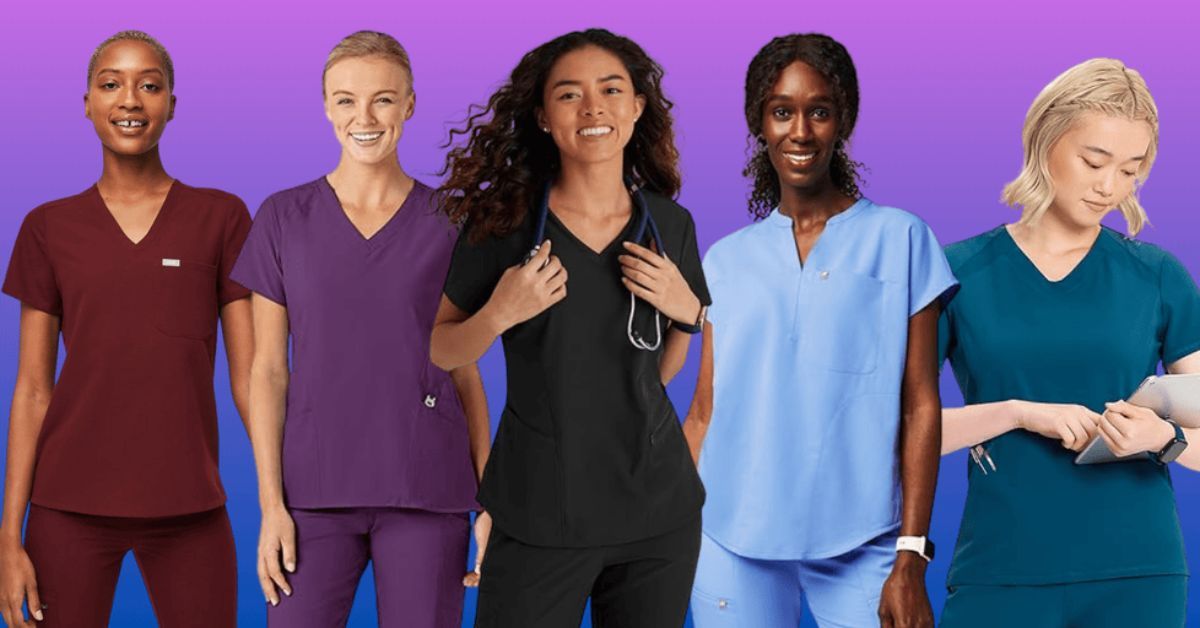
The right pair of scrubs can make a major difference during a long nursing shift. Nurses spend hours walking, bending, reaching, lifting, and moving between patients, so a uniform needs to provide more than a professional appearance. Comfort, flexibility, durability, pocket space, breathability, and proper fit are all important when choosing the best scrubs for nurses.
In 2026, nursing scrubs are available in a wide range of styles, fabrics, fits, and price points. Traditional medical uniforms remain popular for their durability and value, while newer performance scrubs focus on stretch, moisture management, lightweight construction, and modern designs. Brands such as FIGS, Cherokee, Grey’s Anatomy by Barco, Med Couture, Healing Hands, and others offer options designed for different nursing environments and preferences. Current nursing scrub guides also emphasize movement, durable fabrics, useful pockets, and comfort during long shifts as some of the most important features.
Whether you’re a nursing student buying your first uniform, an RN working three 12-hour shifts each week, or an experienced nurse replacing an old wardrobe, this guide explains what to look for and how to choose the best scrubs for your needs.
In This Article
Why Choosing the Right Scrubs Matters
Nursing is physically demanding work. A typical shift can involve standing for extended periods, walking long distances, bending over patients, moving equipment, and responding quickly to unexpected situations. Uncomfortable clothing can make these activities even more difficult.
Well-designed nursing scrubs should allow unrestricted movement while remaining comfortable throughout the entire shift. Stretch fabrics, flexible waistbands, breathable materials, and appropriate sizing can help nurses move naturally without constantly adjusting their clothing.
Durability is equally important. Nurses may wash their scrubs frequently, sometimes several times a week. High-quality fabric should maintain its shape, color, and performance after repeated washing.
The best scrubs should also support organization. Deep and strategically placed pockets provide convenient storage for pens, scissors, badge reels, phones, small clinical tools, and other essentials.
What to Look for in the Best Scrubs for Nurses
Before choosing a particular brand or style, consider the features that matter most in your daily work.
Comfort
Comfort should be one of your highest priorities. Nurses may spend an entire shift wearing the same uniform, so stiff fabrics, restrictive cuts, uncomfortable waistbands, and rough seams can become frustrating over time.
Look for soft materials and designs that allow natural movement. Stretch fabric can be particularly useful for nurses who frequently bend, squat, reach, and walk.
Four-Way Stretch
Four-way or multi-directional stretch is a popular feature in modern nursing scrubs. It allows the fabric to move with the body instead of restricting movement.
This can be especially useful for emergency nurses, ICU nurses, surgical staff, and other professionals who are constantly moving throughout their shifts.
Cherokee’s 2026 nursing scrub guide highlights stretch-focused styles designed to provide greater freedom of movement during demanding shifts.
Breathability
Healthcare environments can become warm, particularly during busy shifts. Breathable fabrics help improve comfort by allowing heat and moisture to escape.
If you regularly work long shifts or in warm environments, consider lightweight materials and moisture-wicking fabric.
Moisture Management
Moisture-wicking scrubs can help move perspiration away from the skin, keeping the fabric feeling more comfortable during active shifts.
This feature can be particularly valuable for nurses who spend most of their day walking between patient rooms or working in fast-paced departments.
Durability
Nursing uniforms are exposed to frequent washing, stains, friction, and daily wear. Durable fabric can help reduce fading, shrinking, pilling, and loss of shape.
Look for reinforced seams, quality stitching, reliable zippers, and fabrics designed for repeated washing.
Pockets
Pockets are not simply a style feature for nurses. They are practical storage tools.
Depending on your role, you may need space for:
- Pens
- Permanent markers
- Scissors
- Badge reels
- Phone
- Small notebook
- Gloves
- Clinical accessories
Think about what you actually carry during a shift before choosing a pocket configuration.
Best Scrub Brands for Nurses in 2026
There is no single best scrub brand for every nurse. Different brands focus on different combinations of comfort, durability, style, affordability, and performance.
FIGS
FIGS is one of the most recognizable premium medical apparel brands. Its nurse collection includes numerous scrub tops and pants with different cuts, colors, and fits.
The brand describes its FIONx fabric as durable, functional, moisture-wicking, anti-wrinkle, and designed for long shifts. Its current nurse collection includes styles such as Catarina, Casma, Rafaela, Zamora, Yola, and several other tops and pants.
FIGS is a strong choice for nurses who prioritize modern styling, premium materials, and a wide selection of contemporary fits.
Best for: Premium comfort and modern style.
Cherokee
Cherokee remains a popular choice for nurses who want practical, durable workwear at accessible price points. Its collections range from traditional workwear to newer performance-focused designs.
Cherokee’s current 2026 guidance emphasizes four-way stretch, moisture management, durable fabrics, useful pocket layouts, and designs intended for long nursing shifts.
Best for: Durability, variety, and value.
Grey’s Anatomy by Barco
Grey’s Anatomy by Barco is known for combining professional styling with flexible medical workwear. Its scrub collections include stretch fabrics and modern silhouettes.
These scrubs can appeal to nurses who want a polished appearance without sacrificing mobility.
Best for: Professional appearance and comfort.
Med Couture
Med Couture offers modern nursing uniforms with a focus on comfort, flexible construction, and contemporary styling. Its Touch collection includes jogger, yoga, drawstring, and other scrub pant styles.
Med Couture can be a useful option for nurses who want modern silhouettes and comfortable materials without necessarily moving into the highest premium price category.
Best for: Comfortable modern styles.
Healing Hands
Healing Hands is another popular option for nurses who prioritize soft fabrics and comfortable fits. Its collections include various scrub tops and pants designed for healthcare professionals.
Best for: Softness and everyday comfort.
Best Scrubs for 12-Hour Nursing Shifts
Nurses working 12-hour shifts need uniforms that remain comfortable from the beginning of the shift to the end.
Look for:
- Four-way stretch
- Breathable fabric
- Moisture-wicking properties
- Comfortable waistbands
- Lightweight construction
- Secure pockets
- Durable materials
A flexible waistband can make a major difference during a long shift. Scrub pants should stay in place without digging into the waist or requiring frequent adjustments.
Stretch fabric is also valuable because nurses may spend hours bending, walking, squatting, and reaching.
Best Scrubs for Nursing Students
Nursing students usually have different priorities from experienced professionals. Budget, durability, and compliance with school uniform requirements are often the most important considerations.
Before buying, check your nursing school’s dress code. Some programs require specific colors, styles, or brands.
For students, consider:
- Affordable scrub sets
- Durable fabrics
- Multiple pockets
- Easy-care materials
- Comfortable shoes
- A consistent color
- Easy-to-wash construction
Buying several affordable, durable sets can be more practical than spending the entire budget on one premium outfit.
Best Scrubs for Hospital Nurses
Hospital nurses often need highly functional uniforms because their shifts involve constant movement and frequent patient interactions.
Features worth prioritizing include deep pockets, durable fabrics, flexible construction, moisture management, and easy-care materials.
If you work in a hospital where uniforms are frequently exposed to spills or stains, choose fabrics that can be washed easily and maintain their appearance after repeated cleaning.
Best Scrubs for Emergency Nurses
Emergency nursing requires unrestricted movement and practical storage.
Emergency nurses may move rapidly between patients, assist with procedures, and carry several small tools throughout the shift.
The best scrubs for emergency nurses should therefore offer:
- Flexible fabric
- Secure pockets
- Comfortable waistbands
- Breathable construction
- Durable stitching
- Easy-care materials
A jogger or athletic-inspired scrub pant can work well for nurses who prefer a modern fit while maintaining mobility.
Best Scrubs for ICU Nurses
ICU nurses spend extended periods working closely with critically ill patients. Comfort and flexibility are particularly important.
Look for scrubs that allow easy bending and movement without excessive fabric. A moderate number of secure pockets can also help keep essential tools accessible.
Soft, breathable materials may be especially useful during long ICU shifts.
Best Scrubs for Home Healthcare Nurses
Home healthcare nurses have different requirements because they may travel between multiple locations during the day.
Lightweight scrubs are useful because nurses may spend time walking, driving, and moving equipment.
Prioritize:
- Comfortable fit
- Lightweight fabric
- Durable construction
- Easy cleaning
- Secure pockets
- Professional appearance
A uniform that looks professional while remaining comfortable during travel is particularly useful for home healthcare.
Best Scrub Pants for Nurses
Scrub pants are an essential part of a nurse’s workwear, and choosing the right style can significantly affect comfort during long shifts. Nurses spend hours walking, bending, lifting, and moving between patients, so scrub pants should provide flexibility without restricting movement. Different styles offer different benefits, from traditional professional designs to modern athletic-inspired options.
Straight-Leg Scrub Pants
Straight-leg scrub pants offer a classic and professional appearance that works well in almost any healthcare environment. Their relaxed leg design provides plenty of room for movement, making them a practical choice for nurses who prefer traditional workwear.
They are particularly useful for nurses who want a versatile style that can be worn across different departments and specialties. Straight-leg pants also tend to provide a comfortable fit without feeling overly loose or restrictive.
Jogger Scrub Pants
Jogger scrub pants have become increasingly popular among nurses because of their modern, athletic-inspired appearance. They typically feature tapered legs and elasticized ankles, creating a streamlined silhouette while allowing comfortable movement.
Joggers can be especially useful for nurses who prefer contemporary workwear and want their scrubs to provide a more fitted appearance. Look for stretch fabric and a comfortable waistband to ensure the pants remain practical during long shifts.
Cargo Scrub Pants
Cargo scrub pants are designed for nurses who need additional storage throughout their workday. Large side pockets provide convenient space for pens, scissors, notebooks, phones, and other small clinical essentials.
They are particularly useful for nurses who carry multiple tools and prefer keeping frequently used items close at hand. However, avoid overloading the pockets, as excessive weight can make the pants uncomfortable and interfere with movement.
Yoga-Style Scrub Pants
Yoga-style scrub pants combine the functionality of nursing uniforms with the comfort of athletic clothing. They often feature flexible waistbands, stretchy fabrics, and a comfortable fit that moves naturally with the body.
These pants are ideal for nurses who prioritize flexibility during long shifts. The stretchy construction makes bending, squatting, walking, and reaching easier, while the soft waistband can provide additional comfort during extended periods of standing.
Best Scrub Tops for Nurses
Scrub tops are available in a wide variety of cuts, fabrics, and fits, allowing nurses to choose styles that match their comfort preferences and workplace requirements. The best scrub top should provide enough room for movement while offering practical features such as useful pockets, breathable fabric, and durable construction. Choosing the right style can make a noticeable difference during long nursing shifts.
V-Neck Tops
V-neck scrub tops are among the most traditional and widely used nursing uniform styles. Their simple neckline provides a professional appearance and works well in hospitals, clinics, and other healthcare settings. V-neck tops are available in relaxed, classic, and modern fits, making it easier to find an option that suits different body types. They are a practical choice for nurses who prefer a straightforward and versatile uniform style.
Mock Wrap Tops
Mock wrap scrub tops provide a more tailored appearance while maintaining the functionality expected from nursing uniforms. The design creates a slightly more structured silhouette without significantly restricting movement. These tops can be a good choice for nurses who want their workwear to look polished while still providing practical features such as pockets and stretch fabric.
Classic Fit Tops
Classic-fit scrub tops generally provide more room through the chest, waist, and torso. They are particularly suitable for nurses who prioritize unrestricted movement and prefer a traditional nursing uniform style. The additional room can make bending, reaching, and moving patients more comfortable during demanding shifts. Classic-fit tops are also useful for nurses who prefer a less fitted appearance.
Oversized Tops
Oversized scrub tops provide additional room and a relaxed feel, making them appealing to nurses who prioritize comfort over a fitted silhouette. They can be especially useful during long shifts when unrestricted movement is important. However, nurses should avoid choosing an excessively oversized top because too much loose fabric can interfere with movement or become inconvenient around medical equipment.
How to Choose the Right Scrub Fit
Fit is one of the most important considerations when purchasing nursing scrubs.
A good fit should allow you to:
- Raise your arms comfortably
- Bend without restriction
- Sit comfortably
- Walk without fabric pulling
- Reach across patients
- Move quickly when necessary
Avoid scrubs that are excessively tight because they may restrict movement during patient care.
At the same time, extremely loose scrubs can become inconvenient by catching on equipment or creating unnecessary fabric around the body.
The ideal fit provides enough room for movement while maintaining a clean professional appearance.
How Many Sets of Scrubs Does a Nurse Need?
The number of scrub sets you need depends on your work schedule and laundry routine.
A full-time nurse working several shifts each week may benefit from having at least five to seven complete sets available. This provides enough rotation to avoid washing scrubs after every individual shift.
Some nurses prefer seven to ten sets so they have additional options and backups.
Nursing students may need fewer sets depending on their clinical schedule and school requirements.
Affordable vs Premium Nursing Scrubs
Premium scrubs can offer advanced fabrics, modern designs, and additional comfort, but they are not always necessary.
Affordable Scrubs
Budget-friendly scrubs are suitable for:
- Nursing students
- New graduates
- Part-time nurses
- Nurses building their first wardrobe
They can provide excellent value when selected carefully.
Premium Scrubs
Premium scrubs may offer:
- Softer materials
- Better stretch
- Modern fits
- Advanced fabric technology
- More refined construction
They may be worthwhile for nurses who wear scrubs every day and prioritize comfort.
How to Care for Nursing Scrubs
Proper washing can extend the life of your scrubs.
Always follow the care instructions on the garment label.
Helpful practices include washing similar colors together, avoiding unnecessary high heat, checking pockets before washing, and using appropriate detergent.
If your workplace has specific infection-control or laundering requirements, follow those instructions instead of relying solely on general garment-care advice.
Proper care helps preserve fabric stretch, color, and shape.
Common Mistakes When Buying Nursing Scrubs
Choosing the right nursing scrubs can improve comfort, mobility, and confidence throughout a long shift. However, nurses sometimes focus on appearance or price and overlook important practical details. Since scrubs are worn frequently and must withstand demanding work environments, it’s important to consider comfort, fit, fabric, storage, durability, and workplace requirements before making a purchase.
Choosing Style Over Comfort
Modern scrubs come in many fashionable colors, cuts, and designs, but appearance should not be the only priority. A stylish uniform is not useful if it becomes uncomfortable after several hours of walking, bending, standing, and patient care. Look for soft, flexible fabrics and a fit that allows unrestricted movement throughout your shift.
Ignoring Pocket Placement
Pockets are essential for many nurses because they provide convenient storage for pens, markers, phones, scissors, badge reels, and other small items. Before purchasing, check the number, depth, and location of pockets. Poorly positioned pockets can make essential items difficult to reach, while shallow pockets may cause items to fall out during movement.
Buying Without Checking the Size Chart
Scrub sizing can vary significantly between brands, collections, and styles. Avoid assuming that your usual clothing size will automatically fit. Always check the manufacturer’s size chart and, when possible, review information about the specific cut. A properly fitted scrub should provide enough room for movement without being excessively loose or restrictive.
Choosing Fabric Without Considering Your Environment
The right fabric depends on your workplace and climate. Heavy materials may feel uncomfortable in warm hospitals or during long shifts, while very lightweight fabrics may not provide the coverage or durability you prefer. Consider breathable, moisture-managing materials if you frequently work in warm or physically demanding environments.
Buying Too Few Sets
Having only one or two scrub sets can create unnecessary stress, especially when working several shifts each week. Additional sets provide flexibility when laundry is delayed, schedules change, or an unexpected spill occurs. Building a practical rotation can also help extend the life of each uniform.
Ignoring Workplace Requirements
Always check your employer’s dress code before purchasing scrubs. Some healthcare facilities have specific requirements for colors, styles, logos, or specialty departments. Buying uniforms that don’t meet workplace guidelines can result in unnecessary expenses and inconvenience.
What are the best scrubs for nurses in 2026?
The best scrubs depend on individual needs. FIGS is a strong premium option for modern styling and performance features, Cherokee offers extensive variety and durability, Grey’s Anatomy by Barco focuses on polished comfort, and Med Couture provides modern styles at different price points.
What scrubs are best for 12-hour shifts?
For 12-hour nursing shifts, prioritize four-way stretch, breathable materials, moisture management, comfortable waistbands, and durable construction. These features can improve comfort during extended periods of standing and movement.
Are FIGS scrubs worth the money?
FIGS can be worthwhile for nurses who prioritize premium materials, modern styling, and comfortable performance features. The brand’s current nurse collection includes a broad selection of tops and pants with different fits and colors.
Are Cherokee scrubs good for nurses?
Yes. Cherokee offers a wide range of nursing scrubs, including traditional and performance-focused collections. Its current 2026 offerings emphasize durability, movement, useful pockets, and fabric technologies designed for healthcare professionals.
How many pairs of scrubs should a nurse own?
Many full-time nurses find five to seven complete sets practical, while others prefer seven to ten for greater flexibility. Nursing students may need fewer depending on their clinical schedule and school requirements.
What makes a scrub comfortable?
Comfortable scrubs generally have a suitable fit, flexible fabric, breathable construction, a comfortable waistband, and enough room for unrestricted movement. The best combination depends on your body type, work environment, and personal preferences.
Must Read:
- Best Compression Socks for Nurses
- Best Shoes for Nurses With Plantar Fasciitis
- Best Gifts for Nurses in 2026
Final Thoughts:
The best scrubs for nurses in 2026 combine comfort, mobility, durability, practical storage, and professional style. There is no universal winner because every nurse has different requirements based on specialty, shift length, workplace rules, climate, and personal preferences.
For premium performance and contemporary designs, FIGS is worth considering. Cherokee remains a strong option for nurses looking for variety, durability, and value. Grey’s Anatomy by Barco can appeal to professionals who prefer a polished appearance, while Med Couture offers modern and comfortable alternatives.
The most important step is to prioritize how the scrubs perform during your actual shift. Choose fabrics that allow movement, pockets that fit your essential tools, a waistband that stays comfortable, and a size that lets you work without restriction.
Ultimately, the best nursing scrubs are the ones you can wear through a demanding shift without constantly thinking about your uniform. When your scrubs provide the right combination of comfort, fit, durability, and functionality, you can focus your attention where it belongs: on your patients and your nursing practice.