

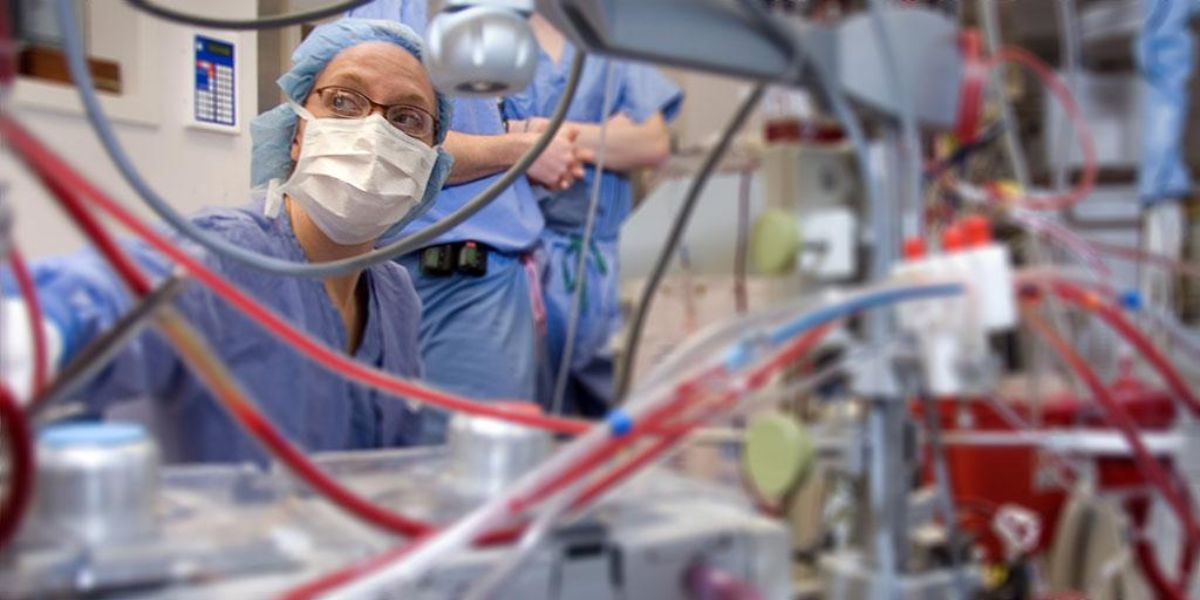
The healthcare field offers many specialized career paths, and one of the most advanced and highly respected roles is that of a cardiovascular perfusionist. For nurses who are interested in critical care, surgical environments, and advanced medical technology, transitioning from nursing to perfusion can be a rewarding and challenging career move. Cardiovascular perfusionists play a vital role during heart surgeries by operating life-support machines that take over the function of the heart and lungs.
This career path requires additional education, specialized training, and strong clinical skills. However, for nurses with experience in intensive care, cardiac units, or operating rooms, becoming a perfusionist can be a natural progression. This guide provides a complete overview of how to move from nursing to perfusion, including education requirements, certification, skills, salary, and career opportunities.
In This Article
What Is a Cardiovascular Perfusionist?
A cardiovascular perfusionist is a highly trained healthcare professional who operates the heart-lung machine during cardiac surgeries. This machine temporarily takes over the functions of the heart and lungs, allowing surgeons to perform procedures such as open-heart surgery safely.
Perfusionists are responsible for:
- Managing blood flow and oxygen levels
- Monitoring patient vital signs during surgery
- Administering medications through the perfusion system
- Maintaining the heart-lung machine
- Ensuring patient stability throughout surgical procedures
Their work is critical in procedures like bypass surgeries, heart transplants, and complex cardiovascular operations.
Why Nurses Choose to Become Perfusionists
Many nurses choose to transition into perfusion because it offers a higher level of specialization, increased responsibility, and opportunities for career growth.
Some common reasons include:
- Interest in cardiac surgery and advanced technology
- Desire for higher salary potential
- Opportunity to work in operating rooms
- Career advancement beyond traditional nursing roles
- Involvement in life-saving procedures
Nurses with backgrounds in critical care or cardiac units often find this transition smoother due to their existing clinical knowledge.
Educational Requirements for Becoming a Perfusionist
Becoming a cardiovascular perfusionist requires additional specialized education beyond a nursing degree. This training ensures that candidates develop the advanced knowledge and technical skills needed to manage life-support systems during cardiac surgeries. For nurses interested in this career path, the transition involves building on their existing medical background with focused perfusion education.
Earn a Bachelor’s Degree
The first step is obtaining a bachelor’s degree in a related field. Many nurses already meet this requirement by holding a Bachelor of Science in Nursing (BSN). This degree provides a strong foundation in anatomy, physiology, and patient care, which is essential for understanding the complex systems involved in perfusion.
Complete a Perfusion Program
After earning a bachelor’s degree, candidates must enroll in an accredited perfusion education program. These programs typically take one to two years to complete and combine classroom instruction with hands-on clinical training. Students learn how to operate heart-lung machines and manage patient circulation during surgery.
Coursework in these programs usually includes subjects such as cardiovascular physiology, perfusion technology, pharmacology, blood management, and surgical procedures. This comprehensive education prepares students to work effectively in high-pressure surgical environments and ensures they are ready for certification and professional practice.
Certification and Licensing
After completing a perfusion program, candidates must obtain certification before they can practice as cardiovascular perfusionists. Certification ensures that professionals meet established standards of knowledge, clinical competence, and patient safety. It also builds trust within surgical teams and healthcare institutions by confirming that the perfusionist is properly trained and qualified.
Certification Process
In many regions, perfusionists are certified by professional organizations such as the American Board of Cardiovascular Perfusion (ABCP). The certification process is designed to evaluate both theoretical understanding and practical skills required in real surgical environments.
The first step typically involves passing a written exam, which tests knowledge of cardiovascular physiology, perfusion techniques, pharmacology, and patient management. This ensures that candidates have a strong academic foundation.
Next, candidates must complete clinical case requirements. This includes performing a required number of supervised procedures during training. These clinical cases help demonstrate hands-on experience and the ability to operate critical equipment safely.
Finally, candidates must pass a clinical exam, which assesses their practical skills, decision-making abilities, and performance in real-life scenarios.
Importance of Certification
Certification demonstrates that a perfusionist has the necessary expertise to manage life-support systems during surgery. It also reflects a commitment to maintaining high professional standards and delivering safe, effective patient care in complex medical settings.on demonstrates that the perfusionist has the knowledge and skills required for safe practice.
Clinical Training and Experience
Clinical training is a critical part of perfusion education. During training, students work under supervision in hospitals and surgical settings.
They gain experience in:
- Operating heart-lung machines
- Monitoring patients during surgery
- Responding to emergencies
- Working with surgical teams
Hands-on experience prepares students for real-world scenarios in operating rooms.
Skills Required for Perfusionists
Cardiovascular perfusionists must develop a strong blend of technical expertise and essential personal skills to perform effectively in high-risk surgical environments. Their role involves managing life-support systems during complex procedures, which requires precision, focus, and teamwork.
Technical Skills
Perfusionists need a deep understanding of the cardiovascular system, including how blood circulation and oxygenation work within the body. They must be skilled in operating complex medical equipment such as the heart-lung machine, which temporarily replaces the function of the heart and lungs during surgery. In addition, they are responsible for managing blood flow, oxygen levels, and medication delivery throughout the procedure.
Critical Thinking
Quick and accurate decision-making is crucial in this role. During surgery, patient conditions can change rapidly, and perfusionists must respond immediately to maintain stability. Strong critical thinking skills help them analyze data and take appropriate action under pressure.
Attention to Detail
Precision is essential in perfusion. Even small errors in calculations, equipment settings, or monitoring can have serious consequences. Perfusionists must stay highly focused and attentive throughout surgical procedures.
Communication Skills
Perfusionists work as part of a surgical team alongside surgeons, anesthesiologists, and nurses. Clear communication ensures that everyone involved in the procedure stays informed and coordinated, which is vital for patient safety.work closely with surgeons, anesthesiologists, and nurses.
Work Environment of a Perfusionist
Perfusionists mainly work in hospital operating rooms where cardiac surgeries are performed. They are commonly found in cardiac surgery units, teaching hospitals, and specialized heart centers. These environments are highly technical and require close coordination with surgeons, anesthesiologists, and nursing staff. The role is fast-paced and demands constant focus, as perfusionists manage life-support systems during critical procedures. Work schedules can be demanding, often involving long hours and on-call responsibilities for emergency surgeries. Despite the pressure, many perfusionists find the environment rewarding because they play a key role in life-saving treatments and patient recovery.g hours, including emergency surgeries and on-call shifts.
Salary and Job Outlook
Perfusionists are among the higher-paid healthcare professionals due to their specialized skills.
Average salary ranges include:
- Entry-level perfusionist: $90,000–$110,000 per year
- Experienced perfusionist: $120,000–$150,000 per year
Demand for perfusionists remains steady due to the need for cardiac surgeries and advanced medical care.
Benefits of Becoming a Perfusionist
Becoming a cardiovascular perfusionist offers several strong advantages for nurses looking to advance their careers in healthcare. This role combines advanced clinical knowledge, technical expertise, and direct involvement in life-saving procedures, making it both professionally and financially rewarding.
High Salary Potential
One of the biggest benefits of this career is the earning potential. Perfusionists typically earn significantly higher salaries than registered nurses due to their specialized skills and critical responsibilities in the operating room. This financial growth makes the transition appealing for many healthcare professionals.
Career Advancement
Perfusion offers multiple opportunities for career growth. Experienced perfusionists can move into leadership positions, educational roles, or research-based careers. Some professionals also work in medical device development or training programs, expanding their impact within the healthcare industry.
Specialized Skill Set
Perfusionists develop expertise in a highly specialized field that involves operating complex medical equipment and managing patient circulation during surgery. This unique skill set not only increases professional value but also provides a sense of accomplishment by contributing directly to successful surgical outcomes.
Challenges of the Role
While a career as a cardiovascular perfusionist offers strong rewards and professional growth, it also comes with significant challenges. This role requires a high level of responsibility, technical precision, and the ability to perform under pressure. Understanding these challenges can help nurses prepare for the demands of transitioning into perfusion.
High Responsibility
One of the most critical challenges is the level of responsibility involved. Perfusionists manage life-support systems such as the heart-lung machine during cardiac surgeries. These machines temporarily take over the function of vital organs, meaning any error can have serious consequences. Perfusionists must remain highly focused and make accurate decisions throughout the procedure to ensure patient safety.
Stressful Environment
Perfusionists work in operating rooms, which are often high-pressure environments. Surgeries can be complex and unpredictable, requiring quick thinking and immediate response to changing patient conditions. The need to stay calm and focused during critical moments can be mentally demanding, especially during long or complicated procedures.
Irregular Hours
Another challenge is the work schedule. Perfusionists may need to be on call for emergency surgeries, which can happen at any time, including nights, weekends, and holidays. This can affect work-life balance and requires flexibility and commitment to patient care at all times.
Steps to Transition From Nursing to Perfusion
For nurses interested in this career path, the transition typically involves:
- Obtain a bachelor’s degree
- Gain clinical experience in cardiac or critical care
- Apply to an accredited perfusion program
- Complete education and clinical training
- Pass certification exams
- Begin working as a perfusionist
Tips for Success in Perfusion
- Build a strong foundation in cardiovascular science
- Gain experience in ICU or cardiac units
- Develop strong critical thinking skills
- Stay updated with medical advancements
- Seek mentorship from experienced perfusionists
Future Opportunities in Perfusion
The field of perfusion offers strong opportunities for career growth and professional development. As perfusionists gain experience, they can move into advanced roles that expand their impact within healthcare. Many professionals take on clinical leadership positions, overseeing perfusion teams and improving surgical practices. Others pursue teaching and academic roles, training future perfusionists in universities or medical programs. Opportunities also exist in research related to cardiovascular technology, where professionals contribute to advancements in patient care. Additionally, some perfusionists work in medical device development, helping design and improve life-support equipment used during cardiac surgeries.
Must Read:
- From RN to IBCLC: How To Become a Lactation Consultant
- NYC’s Largest Nursing Strike: What It Reveals About Continuity of Care
- Human Trafficking in Healthcare: How Nurses Can Identify and Respond
Conclusion:
Transitioning from nursing to becoming a cardiovascular perfusionist is a challenging but rewarding journey. This career allows healthcare professionals to work at the forefront of cardiac care, playing a critical role in life-saving surgeries.
With the right education, training, and dedication, nurses can successfully move into this specialized field and enjoy strong career growth, higher earning potential, and the satisfaction of making a significant impact on patient outcomes.