


Finding the right place to live is one of the most important parts of a successful travel nursing assignment. Travel nurse housing affects your budget, sleep quality, safety, daily routine, and overall job satisfaction. A good housing choice can make a tough shift feel manageable, while a poor one can turn a great contract into a stressful experience.
This complete guide to travel nurse housing tips focuses on safety, affordability, flexibility, and comfort. It is written for first-time travel nurses and experienced professionals who want better housing decisions in the U.S. You will learn how to compare housing options, avoid common mistakes, reduce costs, and choose locations that support both work and rest.
In This Article
Understanding Travel Nurse Housing Basics
Travel nurse housing refers to short-term, fully or semi-furnished accommodation used during temporary healthcare assignments. Most contracts last 8 to 26 weeks, which means traditional leases often do not work. Flexibility becomes more important than long-term ownership or décor preferences.
Travel nurse housing usually includes:
- Furnished apartments or houses
- Month-to-month or short-term leases
- Utilities included or capped
- Close proximity to hospitals or clinics
The goal of travel nurse housing is simple. You need a safe, quiet, affordable place that supports long work hours and recovery time. Understanding this purpose helps guide better decisions.
Why Housing Choice Matters for Travel Nurses
Housing is not just a place to sleep. It affects physical health, mental clarity, finances, and job performance.
Safety and Peace of Mind
After long shifts, travel nurses need environments that feel secure. Poorly chosen housing can increase stress and reduce sleep quality.
Financial Stability
Housing is often the largest expense after taxes. Overpaying reduces the value of travel nurse stipends and savings potential.
Commute and Energy Levels
Long or unsafe commutes increase fatigue. Travel nurse housing near work supports better routines and work-life balance.
Common Travel Nurse Housing Options in the U.S.
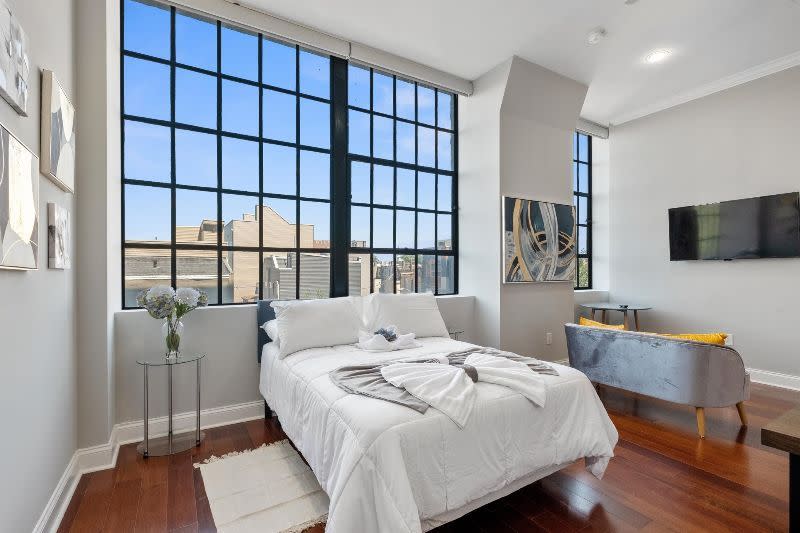
Each travel nurse housing option has advantages and drawbacks. Choosing the right one depends on assignment length, budget, and personal preferences.
Furnished Apartments
Furnished apartments are the most popular choice. They offer privacy, full kitchens, and a home-like feel.
Pros:
- Comfortable for longer stays
- Often cheaper than hotels monthly
- Better space and storage
Cons:
- Availability varies by city
- Deposits may apply
Hotels and Extended-Stay Hotels
Extended-stay hotels offer flexibility and minimal setup.
Pros:
- No long-term lease
- Utilities and cleaning included
- Easy check-in
Cons:
- Higher long-term cost
- Limited space
- Less privacy
Private Room Rentals
Renting a room in a house can save money.
Pros:
- Lower cost
- Often fully furnished
Cons:
- Shared spaces
- Less privacy
- House rules
Corporate Housing
Corporate housing companies offer fully furnished units with flexible leases.
Pros:
- Professional management
- Reliable quality
- Utilities included
Cons:
- Higher price
- Limited availability
Best Platforms to Find Travel Nurse Housing

Finding reliable platforms saves time and reduces risk.
Furnished Finder
This platform is designed specifically for travel nurses. It focuses on mid-term rentals near hospitals.
Why it works:
- Nurse-focused listings
- No booking fees for renters
- Direct contact with landlords
Airbnb
Airbnb offers flexibility and wide availability.
Tips for Airbnb:
- Negotiate monthly discounts
- Confirm utilities and internet
- Read reviews carefully
VRBO
Better for entire-home rentals and longer stays.
Local Facebook Groups
City-specific travel nurse housing groups often offer off-market deals.
How to Choose Safe Neighborhoods
Safety should always be a priority in travel nurse housing.
Research Crime Data
Use public crime maps and local police data to understand neighbourhood trends.
Visit Virtually
Use street view tools to inspect surroundings, lighting, and nearby buildings.
Ask Hospital Staff
Local nurses and hospital staff know which areas are safest for night shifts.
Trust Patterns, Not Assumptions
Avoid judging areas based on appearance alone. Use data, reviews, and local insight.
Budgeting Smartly for Travel Nurse Housing
Housing costs should align with your stipend.
Understand Your Stipend
Housing stipends are tax-free only if you maintain a tax home. Overspending reduces savings.
Ideal Housing Budget Rule
Aim to spend no more than 30 to 40 percent of your total assignment income on housing.
Hidden Costs to Check
- Utilities caps
- Parking fees
- Cleaning fees
- Internet charges
Always ask for a full cost breakdown before committing.
Furnished vs Unfurnished Housing
Furnished housing saves time and money upfront. Unfurnished housing may work for longer contracts or repeat locations.
Furnished housing is ideal when:
- Assignment is under 6 months
- You travel frequently
- You want minimal setup
Unfurnished housing may work when:
- You extend contracts
- You return to the same city
- You already own furniture
Most travel nurses prefer furnished options due to simplicity.
Lease Terms Every Travel Nurse Should Understand
Never sign a lease without reading these sections.
Lease Length
Confirm month-to-month or flexible termination options.
Cancellation Clause
Assignments can end early. Ensure you can exit with minimal penalty.
Deposit Terms
Ask when and how deposits are returned.
Utility Responsibility
Clarify who pays what and if caps apply.
Avoiding Travel Nurse Housing Scams
Scams target travel nurses due to urgency and distance.
Red flags include:
- Requests for wire transfers
- Refusal to show property
- Prices far below market
- Poor grammar and vague answers
Always verify ownership, use video tours, and avoid upfront payments before documentation.
Short Commute Strategies for Long Shifts
A short commute improves sleep and safety.
Tips:
- Aim for under 20 minutes commute
- Check night transport availability
- Confirm parking access
Living closer to work reduces burnout over long assignments.
Housing Tips for First-Time Travel Nurses
First-time travel nurses often overpay or rush decisions.
Key tips:
- Book short-term first, then extend
- Avoid locking into long leases early
- Ask recruiters for housing advice
- Keep options flexible
Experience improves decision-making, but caution helps early on.
Housing for Night-Shift Travel Nurses
Night shifts require quiet daytime environments.
Look for:
- Solid building construction
- Blackout curtains
- Noise rules
- Minimal foot traffic
Avoid properties near schools, construction zones, or busy streets.
Pet-Friendly Travel Nurse Housing
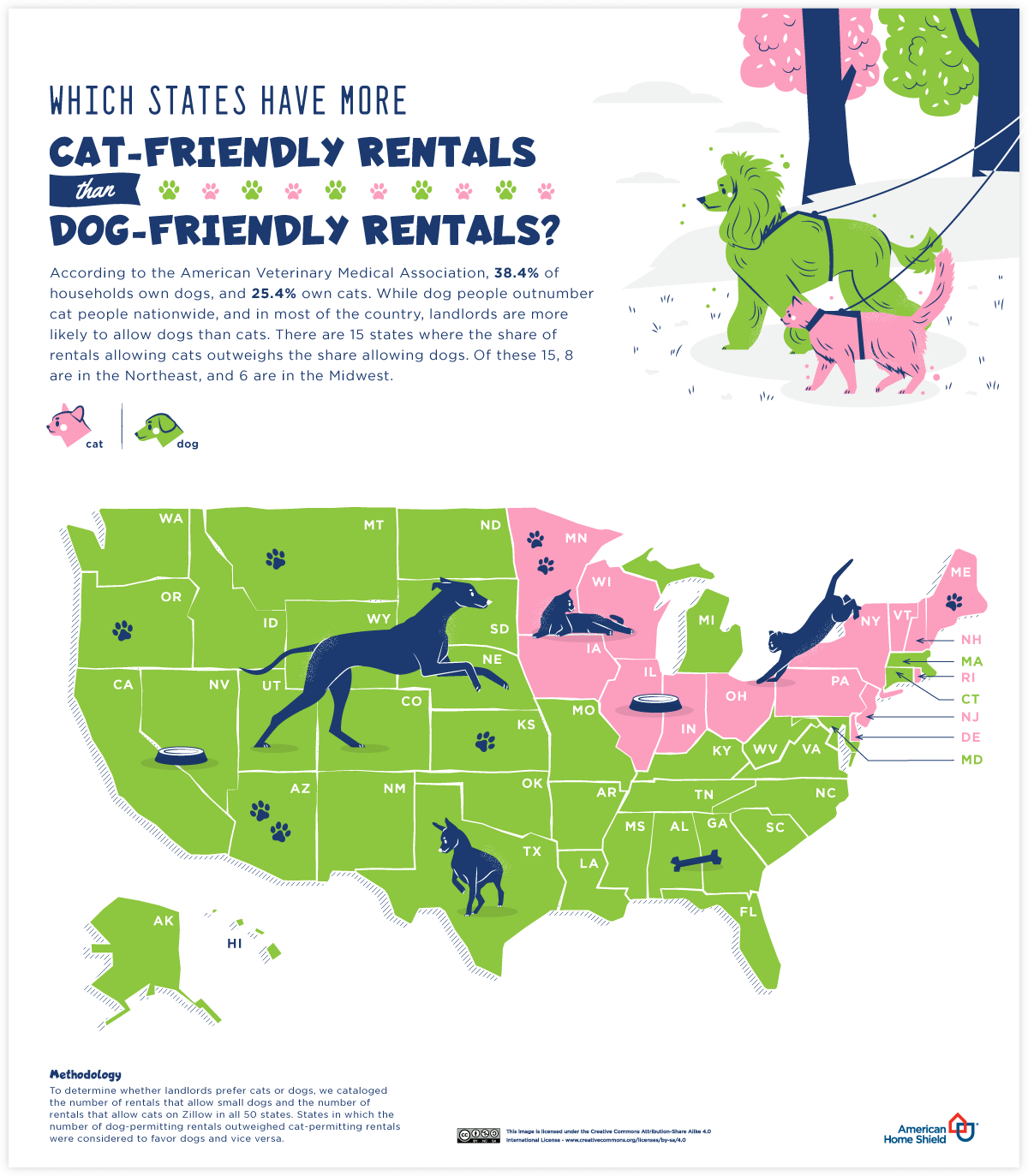
Travel nurses with pets need extra planning.
Checklist:
- Pet fees and deposits
- Breed or size restrictions
- Nearby parks
- Flooring type
Always get pet terms in writing.
Housing During High-Demand Assignments
During crises or peak seasons, housing becomes scarce.
Strategies:
- Book early
- Expand search radius slightly
- Consider private rooms temporarily
- Use extended-stay hotels short term
Flexibility prevents last-minute stress.
Travel Nurse Housing for Couples and Families
Families need space, safety, and schools.
Consider:
- Two-bedroom units
- Quiet suburbs
- Access to groceries and parks
Longer contracts work better for family relocation.
Furnishing Essentials Checklist
Even furnished housing may need extras.
Bring or buy:
- Bedding you like
- Personal cookware
- Extension cords
- Laundry supplies
Small comforts improve daily living.
When Agency Housing Makes Sense
Some agencies offer housing.
Pros:
- No upfront search
- Quick placement
Cons:
- Less choice
- Often higher cost
Agency housing works best for short or urgent assignments.
Tax Implications of Travel Nurse Housing
Housing stipends are tax-free only if you maintain a tax home.
Key points:
- Duplicate expenses required
- Keep rent receipts
- Consult a tax professional
Poor housing choices can impact tax compliance.
Building Long-Term Housing Strategies
Experienced travel nurses develop systems.
Best practices:
- Save landlord contacts
- Track good neighbourhoods
- Reuse furniture storage
- Build flexible routines
Housing becomes easier with experience.
Top U.S. Cities with Easier Travel Nurse Housing
Some cities offer better housing supply.
Examples:
- Houston
- Phoenix
- Cleveland
- Kansas City
High-cost cities require earlier planning and higher budgets.
Common Travel Nurse Housing Mistakes to Avoid
- Booking sight unseen without verification
- Ignoring cancellation clauses
- Underestimating commute time
- Choosing unsafe areas to save money
Learning from others’ mistakes saves stress and money.
How to Negotiate Rent Successfully
Many landlords prefer travel nurses due to steady income.
Negotiation tips:
- Ask for monthly discounts
- Offer flexible move-in dates
- Agree to professional cleaning
- Pay a month upfront if possible
Polite negotiation often works.
Must Read:
Final Thoughts:
Travel nurse housing is not just about finding a bed. It is about creating stability in a constantly changing work life. Safe and affordable housing improves rest, confidence, and financial outcomes. It supports better patient care and personal wellbeing.
The best travel nurse housing decisions come from planning, research, and flexibility. Use trusted platforms, prioritise safety, stay within budget, and always protect your ability to exit early if assignments change. Over time, housing becomes one of the strongest advantages of the travel nurse lifestyle rather than a source of stress.
With the right approach, travel nurse housing in the U.S. can be comfortable, secure, and cost-effective, allowing you to focus on what truly matters: your work, your growth, and your quality of life.