
Stepping Into the Real World of Nursing
Walking into an acute care unit for the first time felt like crossing an invisible line between theory and reality. Until then, nursing had lived mostly in textbooks, lecture halls, and simulation labs. In acute care, everything changed. The monitors were real. The patients were real. The responsibility was real.
Acute care nursing is intense by nature. Patients are admitted with serious illnesses, traumatic injuries, post surgical complications, or sudden medical emergencies. Every shift carries uncertainty. As a nursing student, this environment felt overwhelming at first. But it also felt purposeful. This was where nursing knowledge met human need in its most immediate form.
Reflecting on my journey through acute care clinical rotations, I see how deeply it shaped my skills, mindset, and professional identity. It strengthened my clinical judgment, sharpened my communication, and tested my emotional resilience. More than anything, it helped me understand what it truly means to be a nurse.
In This Article
Understanding Acute Care Nursing
Acute care focuses on short term treatment for severe or urgent health conditions. Patients require close monitoring, rapid interventions, and continuous assessment. Unlike long term care or community settings, acute care moves quickly. Conditions can change within minutes.
In this environment, nurses must:
- Monitor vital signs and recognize early signs of deterioration
- Administer medications safely and accurately
- Manage post operative recovery
- Respond to emergencies
- Educate patients and families
- Collaborate with interdisciplinary teams
As a student nurse, observing experienced registered nurses handle multiple complex patients was eye opening. They seemed calm under pressure, organized in chaos, and deeply attentive to subtle changes. I realized that acute care nursing is not only about skill. It is about awareness, anticipation, and critical thinking.
The First Week: Excitement Mixed With Fear
My first week in acute care was a blend of excitement and anxiety. I worried about making mistakes. Would I calculate medications correctly? Would I recognize complications? Would I slow down the team?
The sounds of alarms and rapid conversations made the unit feel intense. I remember checking and rechecking my notes before performing even simple tasks. But with each day, something shifted. The environment became less intimidating and more familiar.
Senior nurses reassured me that nervousness is normal. They encouraged questions and emphasized safety over speed. That support made a difference. I began to understand that growth comes from stepping into discomfort.
Strengthening Clinical Assessment Skills
Acute care sharpened my assessment abilities in ways no classroom ever could. Subtle signs mattered. A slight change in blood pressure, new confusion, or decreased urine output could indicate serious complications.
I learned to look beyond numbers. Instead of seeing a heart rate of 110 as just a value, I asked:
- Is the patient in pain?
- Could this indicate infection?
- Is anxiety playing a role?
- Has there been blood loss?
Critical thinking became central. Preceptors often responded to my questions with another question: “What do you think is happening?” At first, this felt intimidating. Over time, it strengthened my reasoning. I realized that assessment is not a checklist. It is a continuous process of observation, interpretation, and action.
Medication Administration: A Lesson in Precision
Administering medications in acute care carries serious responsibility. Each drug affects the body in specific ways. A small error can have major consequences.
I became disciplined about following safety protocols:
- Verifying patient identity
- Double checking dosages
- Reviewing allergies
- Understanding indications and side effects
The five rights of medication administration became more than academic guidelines. They became habits rooted in accountability. Through this process, I developed a deep respect for accuracy. Nursing requires both compassion and precision.
Learning Through Post Surgical Care
Many patients in acute care are recovering from surgery. Observing wound care, managing drains, and monitoring for complications taught me practical skills and attention to detail.
I learned to watch for:
- Signs of infection
- Uncontrolled pain
- Changes in incision appearance
- Abnormal drainage
Equally important was patient education. Explaining why movement prevents complications or why breathing exercises matter empowered patients to participate in their recovery. Acute care taught me that education is not an extra task. It is part of healing.
Emotional Lessons From Patient Interactions
One of the most powerful aspects of acute care nursing is human connection. Patients are often scared, vulnerable, and uncertain about their future.
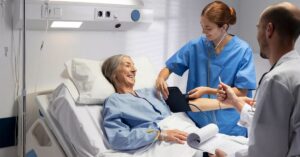
I remember sitting beside a patient after surgery. She was anxious and tearful. Instead of focusing only on clinical tasks, I listened. She spoke about her family and her fear of complications. That conversation did not require advanced skills. It required presence. In acute care, compassion is not optional. It is foundational.
There were also difficult moments. Witnessing serious illness and family distress challenged my emotional resilience. Processing these experiences through reflection and peer discussions helped me grow rather than withdraw.
Time Management and Prioritization
Acute care requires constant prioritization. Multiple patients may need attention at the same time. Learning to distinguish between urgent and non urgent tasks was one of my biggest growth areas.
For example:
- A patient with dropping oxygen levels requires immediate response.
- A routine dressing change can wait if the patient is stable.
Planning at the beginning of each shift improved efficiency. Reviewing charts, anticipating complications, and organizing tasks reduced stress. Over time, I developed confidence in managing responsibilities without feeling overwhelmed.
Communication: The Core of Safe Practice
Effective communication is essential in acute care nursing. Miscommunication can lead to serious errors.
Interdisciplinary Collaboration
Working with physicians, respiratory therapists, pharmacists, and other nurses showed me the importance of teamwork. Clear reporting, concise updates, and respectful dialogue improved patient outcomes.
Using structured tools like SBAR improved clarity. It helped organize information logically and ensured nothing important was missed.
Patient and Family Communication
Explaining complex information in simple language became an important skill. Families often felt confused or anxious. Avoiding medical jargon and encouraging questions built trust.
Trust improves cooperation, and cooperation improves recovery.
Facing Ethical Challenges
Acute care settings sometimes involve complex ethical decisions. Questions about life sustaining treatments, patient autonomy, and cultural values require sensitivity.
I learned that nursing ethics include:
- Respecting patient dignity
- Protecting confidentiality
- Advocating for informed consent
- Supporting patient choices
Even small actions, such as closing a curtain during care, reflect ethical awareness.
Building Resilience and Preventing Burnout
Acute care can be emotionally and physically demanding. Long shifts, high patient acuity, and unexpected emergencies create stress.
Developing healthy coping strategies became essential:
- Reflective journaling
- Talking with mentors
- Ensuring adequate rest
- Practicing mindfulness
Resilience is not about ignoring emotions. It is about managing them constructively. Learning self care as a student nurse lays the foundation for long term career sustainability.
Discovering Professional Identity
At the beginning of my acute care rotation, I saw myself as someone learning under supervision. By the end, I began to see myself as a future registered nurse. Confidence developed gradually. Each successful assessment, each effective communication, and each supportive patient interaction strengthened my professional identity.
Professional growth includes:
- Accountability
- Integrity
- Continuous learning
- Compassion
- Adaptability
Acute care accelerated this transformation.
Technology and Modern Acute Care
Acute care units rely heavily on technology:
- Electronic health records
- Cardiac monitoring systems
- Infusion pumps
- Diagnostic imaging support
Learning to navigate digital systems efficiently was essential. Technology enhances patient monitoring, but it does not replace clinical judgment. Balancing technical competence with human connection remains central to nursing practice.
Patient Advocacy in Action
One of the strongest lessons I learned in acute care was the true meaning of advocacy. Nurses are often the closest healthcare professionals to patients. We spend the most time at the bedside, observing changes, listening to concerns, and noticing subtle signs that others may not immediately see. In moments when patients feel vulnerable, overwhelmed, or unable to speak up for themselves, the nurse becomes their voice.
Advocacy in action looks practical and purposeful. It means questioning unclear or incomplete medical orders rather than assuming they are correct. It means ensuring that a patient’s pain is taken seriously and managed appropriately. It involves clarifying treatment plans when families are confused or anxious. It also includes addressing safety concerns immediately, whether that means preventing a fall risk or recognizing early signs of deterioration.
I watched experienced nurses advocate confidently yet respectfully. They communicated with physicians in a clear, evidence based manner. They spoke up without hesitation when something did not seem right. Their professionalism showed me that advocacy is not confrontation. It is collaboration focused on patient wellbeing.
Growth Through Reflection
Reflection became one of the most powerful tools in my development as a nursing student in acute care. After each clinical shift, I made it a habit to pause and think about what the day had taught me. Instead of simply moving on to the next assignment, I looked back with honesty and intention. This simple practice helped me grow faster and more meaningfully than I expected.
I often asked myself a few important questions. What went well today? This helped me recognize strengths I was building, whether it was improved communication with a patient or more confidence in performing a skill. Where did I struggle? Identifying challenges allowed me to address gaps in knowledge or areas where I needed guidance. How can I improve tomorrow? This question turned reflection into action.
Through this process, mistakes became opportunities instead of failures. Difficult patient interactions became lessons in empathy and communication. Complex clinical situations strengthened my reasoning skills. Reflection transformed daily experiences into long term growth. It helped me become more self aware, more accountable, and more prepared for the responsibilities of professional nursing practice.an setbacks.
Personal Transformation
Acute care nursing changed me in ways I did not fully expect. It challenged my confidence, tested my patience, and pushed me beyond what felt comfortable. In doing so, it strengthened my resilience. I learned that growth often comes from difficult moments, from shifts that feel overwhelming, and from situations that demand quick thinking and steady hands. Each challenge forced me to adapt, reflect, and improve.
My critical thinking skills became sharper with every patient encounter. I stopped seeing symptoms as isolated problems and began viewing them as pieces of a larger clinical picture. I learned to anticipate complications, question subtle changes, and connect assessment findings with potential outcomes. Attention to detail became a habit rather than an effort.
At the same time, my empathy deepened. Acute care exposed me to vulnerability in its rawest form. Patients were not just cases or diagnoses. They were individuals facing fear, uncertainty, and pain. Sitting with them, listening to their concerns, and offering reassurance reminded me that nursing is both technical and deeply human.
Preparing for the Future
As I move closer to becoming a registered nurse, I carry the lessons of acute care with a deep sense of responsibility and purpose. Clinical rotations have shown me that nursing is not only about performing tasks correctly, but about thinking critically, acting ethically, and caring genuinely. The fast paced hospital environment has strengthened my ability to remain calm under pressure while keeping patient safety at the center of every decision.
Patient safety will always guide my practice. From accurate medication administration to thorough assessments and clear documentation, I understand that small details can have significant consequences. I also recognize the importance of lifelong learning. Healthcare continues to evolve, and staying informed through research, continuing education, and professional development is essential for providing high quality care.
Clear communication is another foundation I will build on. Whether speaking with patients, families, or healthcare teams, honesty and clarity create trust and prevent errors. I will also advocate confidently for patients, ensuring their voices are heard and their dignity respected. Finally, I will practice self care, knowing that a healthy nurse provides better care. Acute care is demanding, yet it reveals the heart of nursing: compassion in action.
Must Read:
- Why Nurses Are Essential to Healthcare Tech Success
- Best Stethoscopes for Nurses: Top Picks for Every Need
- 2026 Top Workplaces for Nursing Winners Deliver on What Nurses Want
Conclusion:
Reflecting on my experience as a nursing student in acute care, I see a journey marked by growth, challenge, and transformation. The fast paced environment taught me to think critically and act responsibly. Patient interactions strengthened my compassion. Ethical challenges deepened my professionalism.
Acute care nursing is not just about treating illness. It is about supporting people during some of the most vulnerable moments of their lives. These reflections are more than memories. They are the foundation of a career built on competence, empathy, and purpose.