
Healthcare careers continue to grow, and medical imaging plays a central role in modern diagnosis and treatment. Two roles that often create confusion are radiology nurse and radiologic technologist. Both work in imaging environments, both interact with patients, and both are essential to radiology departments. However, their responsibilities, education paths, daily tasks, and career goals are very different.
This detailed guide explains the key differences between a radiology nurse and a radiologic technologist. It covers job roles, education, certifications, work environments, salary expectations, career growth, patient interaction, and which role may be right for you. If you are considering a career in medical imaging or nursing, this comparison will help you make a confident decision.
In This Article
Understanding the Radiology Department
Radiology departments support nearly every medical specialty. Imaging helps doctors diagnose injuries, detect disease, guide treatments, and monitor recovery. Because of this, radiology teams include professionals from different backgrounds who work together.
Radiology nurses and radiologic technologists often work side by side, but their scope of practice is distinct. One focuses on nursing care and patient management. The other focuses on imaging technology and image acquisition.
What Is a Radiologic Technologist?
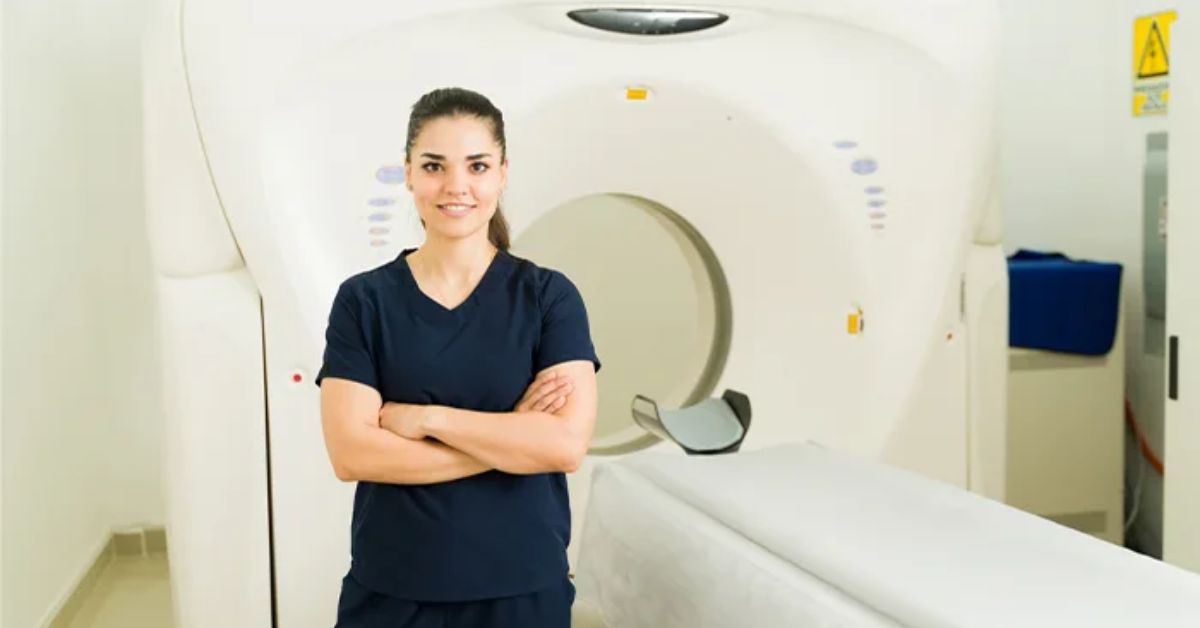
A radiologic technologist, sometimes called a radiographer, is a healthcare professional trained to perform medical imaging examinations. These professionals operate imaging equipment to capture images that help physicians diagnose medical conditions.
Core Responsibilities of a Radiologic Technologist
Radiologic technologists are responsible for:
- Positioning patients for imaging procedures
- Operating imaging machines such as X-ray, CT, or MRI
- Ensuring image quality and accuracy
- Following radiation safety protocols
- Protecting patients from unnecessary exposure
- Maintaining imaging equipment
- Recording patient data and procedure details
Their primary focus is producing clear, diagnostic images safely and efficiently.
What Is a Radiology Nurse?
A radiology nurse is a registered nurse who specialises in caring for patients undergoing imaging procedures or interventional radiology treatments. These nurses focus on patient assessment, medication administration, and monitoring before, during, and after procedures.
Core Responsibilities of a Radiology Nurse
Radiology nurses typically handle:
- Patient assessment and medical history review
- Preparing patients for imaging or procedures
- Administering medications and IV contrast
- Monitoring vital signs during procedures
- Managing pain and anxiety
- Responding to adverse reactions
- Post-procedure recovery and education
Their role centres on clinical nursing care rather than operating imaging equipment.
Education Requirements: Radiologic Technologist vs Radiology Nurse
Education is one of the most important differences between these two careers.
Education Path for a Radiologic Technologist
Radiologic technologists usually complete:
- An associate degree in radiologic technology
- Or a bachelor’s degree in radiologic sciences
These programmes include classroom instruction and hands-on clinical training. Coursework covers anatomy, radiation physics, patient positioning, imaging techniques, and radiation safety.
Graduates must pass a national certification exam to practise legally in most regions.
Education Path for a Radiology Nurse
Radiology nurses must first qualify as registered nurses. This requires:
- An associate degree in nursing (ADN) or
- A bachelor of science in nursing (BSN)
After becoming an RN, nurses gain clinical experience, often in critical care or emergency settings, before moving into radiology nursing. Additional training in imaging procedures and interventional care is common.
Certification and Licensing Differences
Both roles require professional certification, but the organisations and exams differ.
Radiologic Technologist Certification
Radiologic technologists are commonly certified by recognised radiology boards. Certification confirms competency in imaging procedures and radiation safety. Continuing education is required to maintain credentials.
Technologists may also pursue advanced certifications in areas such as CT, MRI, mammography, or interventional imaging.
Radiology Nurse Certification
Radiology nurses hold nursing licensure as registered nurses. Some pursue additional certifications related to radiology or vascular access, though this is not always mandatory. Ongoing nursing education and licence renewal are required.
Daily Work Environment
Although both professionals work in imaging settings, their daily routines differ.
Where Radiologic Technologists Work
Radiologic technologists commonly work in:
- Hospitals
- Diagnostic imaging centres
- Emergency departments
- Outpatient clinics
- Orthopaedic practices
Their day involves moving between imaging rooms, operating equipment, and assisting patients through imaging procedures.
Where Radiology Nurses Work
Radiology nurses typically work in:
- Hospital radiology departments
- Interventional radiology suites
- Cardiac catheterisation labs
- Outpatient imaging centres
Their day focuses on patient care, monitoring, medication administration, and recovery support.
Patient Interaction: Who Does What?
Both roles involve patient contact, but the nature of that interaction differs.
Radiologic Technologist Patient Interaction
Radiologic technologists:
- Explain imaging procedures briefly
- Position patients correctly
- Provide reassurance during scans
- Assist patients with limited mobility
Interaction is usually short and focused on the imaging process.
Radiology Nurse Patient Interaction
Radiology nurses:
- Conduct detailed patient assessments
- Answer questions about procedures
- Monitor patient comfort and safety
- Manage pain or allergic reactions
- Provide post-procedure instructions
Their interaction is more clinical and continuous.
Technical Skills vs Clinical Skills
This is one of the clearest differences between the roles.
Radiologic Technologist Skill Set
Radiologic technologists rely heavily on:
- Imaging equipment operation
- Technical precision
- Knowledge of anatomy and positioning
- Radiation protection techniques
Their expertise lies in producing high-quality diagnostic images.
Radiology Nurse Skill Set
Radiology nurses rely on:
- Clinical judgement
- Medication administration
- IV therapy
- Patient monitoring
- Emergency response skills
Their expertise lies in patient care and medical decision-making.
Salary Comparison: Radiology Nurse vs Radiologic Technologist
Salary varies by location, experience, and employer, but there are general trends.
Radiologic Technologist Salary
Radiologic technologists earn competitive salaries, especially with advanced certifications. Specialisations such as MRI or CT can significantly increase earning potential.
Radiology Nurse Salary
Radiology nurses often earn higher salaries than technologists due to their nursing background and clinical responsibilities. Nurses with experience in interventional radiology or critical care tend to earn more.
Career Growth and Advancement
Both roles offer opportunities for growth, but in different directions.
Career Growth for Radiologic Technologists
Radiologic technologists can advance by:
- Specialising in advanced imaging modalities
- Moving into supervisory roles
- Transitioning into education or training
- Pursuing management positions
Career Growth for Radiology Nurses
Radiology nurses can advance by:
- Specialising in interventional radiology
- Moving into nurse practitioner roles
- Entering leadership or management
- Transitioning into education or research
Work Schedules and Lifestyle
Work hours differ based on role and workplace.
Radiologic Technologist Schedules
Technologists often work:
- Full-time shifts
- Rotating schedules
- Weekends or holidays in hospitals
On-call work may be required for trauma imaging.
Radiology Nurse Schedules
Radiology nurses may work:
- Day shifts in outpatient centres
- On-call shifts for emergency procedures
- Longer procedures in interventional settings
Schedules can be demanding but predictable in some environments.
Stress Levels and Job Demands
Stress levels depend on work setting.
Stress for Radiologic Technologists
Stress may arise from:
- High patient volume
- Equipment demands
- Time-sensitive imaging
- Physical movement throughout shifts
Stress for Radiology Nurses
Stress may involve:
- Managing patient complications
- Emergency response
- Medication reactions
- High-risk procedures
Nursing roles often carry greater clinical responsibility.
Which Career Is Right for You?
Choosing between a radiology nurse and a radiologic technologist depends on interests and strengths.
Choose Radiologic Technologist If You:
- Enjoy technology and imaging
- Prefer technical precision
- Want focused patient interaction
- Are interested in imaging specialisation
Choose Radiology Nurse If You:
- Enjoy direct patient care
- Want clinical responsibility
- Are comfortable with medications and IVs
- Seek broader nursing career options
Job Outlook and Demand
Both careers have strong demand due to ageing populations and increasing use of imaging.
Radiologic technologists remain essential for diagnostics, while radiology nurses support growing interventional procedures. Job stability is strong in both fields.
Key Differences at a Glance
| Area | Radiologic Technologist | Radiology Nurse |
|---|---|---|
| Primary Focus | Imaging procedures | Patient care |
| Education | Radiology degree | Nursing degree |
| Certification | Imaging boards | Nursing licensure |
| Patient Care | Limited | Extensive |
| Salary Range | Moderate to high | High |
| Career Flexibility | Imaging focused | Broad nursing options |
Must Read:
- Top 10 Healthcare Documentaries You Need To Watch
- The Complete Travel Nurse Packing List
- Travel Nurse Contracts Explained
Final Thoughts:
Radiology nurses and radiologic technologists play equally important roles in healthcare, but their responsibilities are clearly different. One specialises in imaging technology, the other in patient care and clinical support. Both careers offer stability, respect, and long-term growth.
If you enjoy technology, precision, and imaging science, radiologic technologist may be the right path. If you prefer patient interaction, clinical judgement, and nursing responsibilities, radiology nursing offers a rewarding career.
Understanding these differences allows you to choose the role that aligns with your skills, interests, and long-term goals.