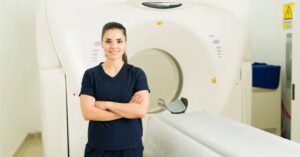


Public trust is not built overnight. It grows through consistent behavior, everyday integrity, and countless small moments of doing the right thing. Once again, nurses have been recognized as the most trusted profession in America in Gallup’s annual Honesty and Ethics poll. This marks another year that nurses have earned the highest ranking for honesty and ethical standards, reinforcing a reputation that has held strong for decades.
This recognition is more than a headline. It reflects how patients experience care at the bedside, how families remember moments of crisis, and how communities view the nursing profession. In a time when trust in many institutions fluctuates, nurses continue to stand out.
In this comprehensive guide, we will explore:
- What the Gallup Honesty and Ethics poll measures
- Why nurses consistently rank highest
- Historical trends in public trust
- Factors driving ethical credibility in nursing
- The impact on healthcare systems
- What this means for nursing leadership and policy
- How nurses can protect and strengthen this trust
If you are a nurse, healthcare leader, student, or healthcare communicator, this analysis will help you understand why trust in nursing remains strong and what it means for the future of healthcare.
In This Article
Understanding the Gallup Honesty and Ethics Poll
Each year, Gallup surveys Americans and asks them to rate the honesty and ethical standards of various professions. Respondents typically choose from categories such as:
- Very high
- High
- Average
- Low
- Very low
The poll includes a range of occupations across healthcare, business, government, and public service. For more than two decades, nurses have consistently ranked at the top of this list.
In the latest poll, approximately three-quarters of Americans rated nurses’ honesty and ethical standards as either “very high” or “high.” That is a remarkable level of public confidence, especially when compared to many other professions that experience far more fluctuation in public perception.
The consistency of this ranking matters just as much as the percentage itself. Trust is not a short-term trend for nurses. It is a long-standing reality.
Why Nurses Rank Highest in Honesty and Ethics
1. Direct Patient Contact
Nurses are often the healthcare professionals patients spend the most time with. They are present during:
- Admissions
- Procedures
- Recovery
- End-of-life care
- Health education
This proximity builds familiarity. Familiarity builds trust. When patients see nurses advocating for them, explaining treatments, and responding to concerns with empathy, they associate the profession with integrity.
2. Advocacy as a Core Role
Nursing is grounded in patient advocacy. Nurses are trained to:
- Protect patient safety
- Speak up about risks
- Ensure informed consent
- Safeguard patient rights
Advocacy creates a visible commitment to ethics. Patients recognize when someone is genuinely looking out for their well-being.
3. Emotional Intelligence and Compassion
Technical skills matter, but compassion leaves a lasting impression. Nurses frequently support patients during vulnerable moments:
- Serious diagnoses
- Chronic illness management
- Pain crises
- Family emergencies
When people feel emotionally supported, they are more likely to perceive care providers as ethical and trustworthy.
4. Code of Ethics and Professional Standards
Nursing practice is guided by strong ethical frameworks and regulatory standards. Professional codes emphasize:
- Respect for human dignity
- Commitment to patient welfare
- Accountability
- Confidentiality
- Justice in healthcare
These principles are not abstract. They are embedded into nursing education and reinforced in clinical practice.
Historical Trends in Public Trust
Nurses have led the Gallup honesty and ethics rankings for over twenty consecutive years. This long-term pattern tells us something important: trust in nursing is stable.
While public confidence in other professions may rise or fall based on political or economic shifts, nurses maintain a steady reputation. Even during periods of healthcare strain, such as public health crises, nurses often see an increase in public admiration.
Several factors contribute to this historical consistency:
- The nonpartisan nature of nursing care
- Daily visibility in hospitals and communities
- A reputation for service rather than profit
- Ethical training integrated into the profession
This stability makes nursing one of the most trusted pillars of the healthcare system.
The Impact of COVID-19 on Public Perception
The COVID-19 pandemic highlighted the critical role of nurses worldwide. Images of nurses working long hours in protective equipment, supporting isolated patients, and adapting to rapidly changing protocols reinforced public respect.
During the pandemic, many people saw firsthand:
- The physical demands of bedside care
- The emotional toll of healthcare crises
- The personal sacrifices nurses made
Although healthcare faced criticism in some areas, nurses remained widely respected. Their role as frontline caregivers strengthened public perception of their honesty and commitment.
The pandemic did not create trust in nursing. It amplified what was already there.
Ethical Standards in Nursing Practice
To understand why nurses consistently rank highest, it is important to explore what ethical nursing practice actually looks like in daily care.
Patient Confidentiality
Nurses protect patient information. Confidentiality is fundamental to maintaining trust. Patients feel safe sharing sensitive information because they believe it will be handled responsibly.
Informed Consent
Nurses ensure patients understand procedures, risks, and options. They clarify information in accessible language and verify comprehension.
Nonmaleficence and Beneficence
Nurses aim to:
- Prevent harm
- Promote well-being
These principles guide decisions about medication administration, monitoring, and care planning.
Cultural Sensitivity
Ethical care includes respect for cultural beliefs and personal values. Nurses are often trained in culturally competent care practices.
How Public Trust Benefits Healthcare
High public trust in nurses has measurable implications.
Improved Patient Compliance
Patients are more likely to follow treatment recommendations when they trust the healthcare professional providing guidance.
Better Health Outcomes
Trust improves communication. When patients share accurate information, clinicians can make better decisions.
Stronger Public Health Messaging
In public health campaigns, nurses often serve as credible messengers. Communities respond more positively to guidance delivered by trusted professionals.
Enhanced Organizational Reputation
Hospitals and clinics benefit from the credibility associated with their nursing staff. Trust at the bedside translates to institutional credibility.
Challenges That Could Affect Trust
While nurses currently hold the highest ranking, trust must be protected. Several challenges could influence public perception in the future:
Burnout and Workforce Shortages
Staffing shortages can affect patient experiences. Overworked nurses may struggle to maintain the level of attention they wish to provide.
Workplace Violence
Increasing incidents of violence against healthcare workers can impact morale and retention.
Technology Integration
Electronic health records and digital documentation sometimes reduce face-to-face interaction. Balancing technology with human connection is critical.
Misinformation in Healthcare
Social media can spread misleading health information. Nurses often find themselves countering myths while maintaining professional boundaries.
The Role of Nursing Leadership
Nurse leaders play a vital role in maintaining ethical standards and public trust.
Ethical Culture
Leaders must foster environments where:
- Reporting safety concerns is encouraged
- Transparency is valued
- Ethical dilemmas are discussed openly
Education and Training
Continuous education in ethics, communication, and patient safety strengthens professional integrity.
Policy Advocacy
Nursing leaders can advocate for policies that support safe staffing ratios and patient-centered care.
What This Means for Nursing Students
For students entering the profession, the Gallup ranking is both an honor and a responsibility.
It means:
- The public already trusts you
- Expectations are high
- Professional conduct matters deeply
Students should focus on developing:
- Strong communication skills
- Ethical decision-making abilities
- Cultural competence
- Emotional resilience
The future of public trust depends on how new nurses uphold professional values.
Media Representation and Public Image
Media portrayals influence perception. Positive stories about nursing contributions reinforce trust. Negative stereotypes can undermine it.
Healthcare organizations and nursing associations can support accurate representation by:
- Sharing real patient success stories
- Highlighting nursing leadership roles
- Educating the public about the scope of nursing practice
Transparent communication strengthens credibility.
The Psychology of Trust in Nursing
Trust does not appear instantly. It develops through repeated experiences that signal safety, reliability, and genuine care. In nursing, this trust is built on several psychological foundations that shape how patients perceive the profession.
Consistency
People trust what feels predictable. When nurses show up on time, follow through on promises, and maintain steady behavior even in high-pressure situations, patients feel secure. Consistency reduces anxiety. It tells patients that they are in capable hands and that their care will not depend on chance or mood.
Competence
Skill builds confidence. When a nurse administers medication accurately, responds quickly to changes in condition, or explains a procedure clearly, patients recognize expertise. Clinical competence strengthens ethical credibility because it demonstrates responsibility. Patients associate knowledge and precision with integrity.
Caring Behavior
Compassion has psychological weight. A calm tone, attentive listening, and small gestures of reassurance communicate that the patient matters as a person, not just a diagnosis. Genuine empathy strengthens emotional safety, which deepens trust.
Transparency
Clear communication reduces fear. When nurses explain what is happening, what to expect, and why decisions are made, uncertainty decreases. Transparency signals honesty.
When consistency, competence, compassion, and clarity work together, they create durable trust that lasts beyond a single interaction.
Global Perspective on Nursing Trust
While the Gallup poll reflects public opinion in the United States, trust in nurses is not limited to one country. Across Europe, Asia, Australia, and parts of Africa, surveys consistently place nurses among the most respected and trusted professionals in society. This pattern appears in both developed and developing healthcare systems, suggesting that public confidence in nursing is not tied to a single political or economic structure.
What makes this global trust so remarkable is its consistency. Healthcare systems differ widely in funding models, staffing ratios, and access to care. Cultural expectations around authority and communication also vary. Yet, regardless of geography, patients tend to view nurses as honest, compassionate, and ethically grounded.
Several universal factors help explain this trend. Nurses are often the most accessible healthcare professionals. They provide direct, hands-on care and remain physically present during critical moments. Whether in a rural clinic or a major urban hospital, the nurse is often the steady presence patients rely on.
Core nursing values such as compassion, advocacy, dignity, and respect resonate across cultures. These principles transcend language and borders. Even when healthcare technology and infrastructure differ, the human connection nurses provide remains constant.
Global trust in nursing reinforces the profession’s identity as a cornerstone of ethical, patient-centered care worldwide.
Protecting the Legacy of Trust
Trust is fragile. It must be nurtured intentionally.
Practical Steps for Nurses
- Communicate clearly and honestly
- Admit mistakes and report errors
- Respect patient autonomy
- Continue professional development
Practical Steps for Healthcare Organizations
- Support safe staffing
- Provide ethics training
- Encourage reporting without retaliation
- Promote work-life balance
Future Outlook for Nursing Ethics and Public Trust
Healthcare is changing at a pace few could have imagined a decade ago. Artificial intelligence assists with diagnosis. Telehealth connects patients across distances. Remote monitoring devices collect real-time data. Yet even as systems become more digital, the heart of care remains human.
Public trust gives nurses a unique responsibility in this evolving landscape. When patients feel uncertain about new technologies, they look to nurses for clarity. Nurses translate complex medical information into language people understand. They help patients feel safe when machines, screens, and algorithms are involved in decision-making.
In the years ahead, nurses will face ethical questions around data privacy, AI recommendations, and equitable access to care. They will need to balance efficiency with empathy, ensuring that speed and automation never replace compassion. They will also continue advocating for vulnerable populations who may struggle with digital access or health literacy.
As healthcare grows more advanced, the public will rely even more on nurses to anchor care in integrity, transparency, and human connection. Trust will remain the profession’s greatest strength.s nurses a powerful voice in shaping the direction of healthcare reform.
Why This Recognition Matters Beyond Headlines
The Gallup poll result is not simply a statistic. It is a reflection of millions of patient interactions.
Each IV inserted with care.
Each difficult conversation handled with patience.
Each moment of reassurance offered during uncertainty.
Those daily actions build a collective reputation.
For healthcare organizations, policymakers, and educators, this ranking reinforces the importance of investing in the nursing workforce. Protecting nurse well-being protects public trust. For nurses, it serves as affirmation that their work is seen and valued.
Must Read:
- Reflections of a Nursing Student in Acute Care
- Why Nurses Are Essential to Healthcare Tech Success
- Best Stethoscopes for Nurses: Top Picks for Every Need
Final Thoughts:
Nurses being ranked highest in honesty and ethics once again is a powerful testament to the profession’s enduring commitment to patient-centered care. It highlights the deep trust communities place in nurses during moments of vulnerability and uncertainty.
But trust is not automatic. It is earned, protected, and renewed through daily practice.
As healthcare systems face ongoing challenges, nurses remain a steady force grounded in ethical principles, advocacy, and compassion. That consistency is why they continue to lead public trust rankings year after year. The recognition is well deserved. The responsibility that comes with it is equally significant. And the future of healthcare will continue to depend on both.