

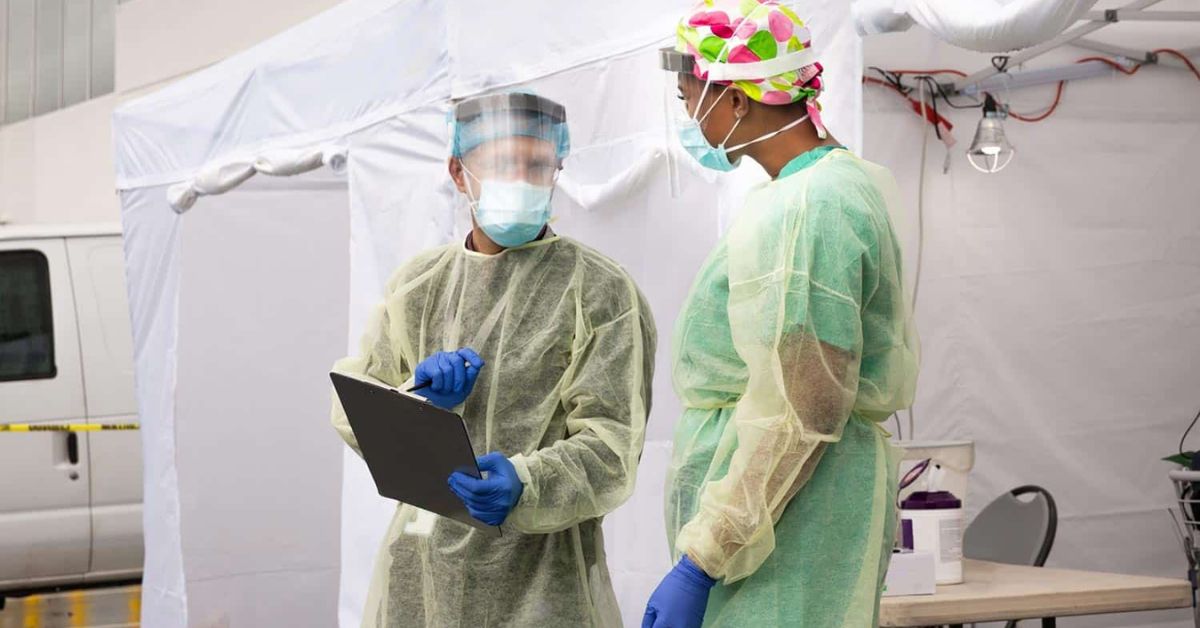
Natural disasters do not wait for preparation or permission. Earthquakes, floods, hurricanes, wildfires, and cyclones strike suddenly, leaving communities in chaos. In the middle of this destruction stand Nurses on the Front Lines of Natural Disasters, providing care when systems collapse and resources disappear. Their role is critical, visible, and lifesaving. Yet the emotional and mental cost they carry often stays hidden.
Nurses on the Front Lines of Natural Disasters face situations that test their clinical skills and personal strength at the same time. They treat injuries, comfort grieving families, and make urgent decisions under pressure. Many do this while worrying about their own safety or the safety of loved ones. This article explores the mental toll faced by Nurses on the Front Lines of Natural Disasters, why it happens, how it affects long-term wellbeing, and what realistic coping strategies can support them before, during, and after disasters.
In This Article
Understanding the Role of Disaster-Response Nurses
The responsibilities of Nurses on the Front Lines of Natural Disasters go far beyond standard hospital care. These nurses often work in temporary shelters, damaged hospitals, field clinics, or overcrowded emergency departments. They may lack proper equipment, stable power, clean water, or adequate staffing. Despite this, patients still depend on them.
Unlike routine nursing roles, Nurses on the Front Lines of Natural Disasters must adapt quickly. They handle mass casualties, triage under pressure, and prioritise care when not everyone can be treated at once. This responsibility alone places a heavy psychological load on Nurses on the Front Lines of Natural Disasters, as every decision carries emotional weight.
Disaster nursing also removes structure. Normal schedules vanish. Breaks become rare. Sleep is interrupted. Over time, this lack of routine adds to stress and exhaustion for Nurses on the Front Lines of Natural Disasters.
Why Natural Disasters Create Extreme Mental Pressure
Natural disasters create a unique mental environment that pushes Nurses on the Front Lines of Natural Disasters beyond ordinary stress levels. The scale of suffering is larger, the pace is faster, and the margin for error is smaller. Nurses are exposed to repeated trauma without the chance to pause or process it.
Another reason the mental toll is severe is personal involvement. Many Nurses on the Front Lines of Natural Disasters are part of the affected community. They may lose homes, face displacement, or worry about missing family members. Balancing professional duty with personal fear creates emotional conflict that is difficult to manage.
Uncertainty also plays a role. Disasters bring unpredictable conditions. Nurses do not know how long the crisis will last or when relief will arrive. This ongoing uncertainty keeps the nervous system on high alert, increasing mental fatigue for Nurses on the Front Lines of Natural Disasters.
Common Mental Health Challenges Faced by Nurses
The mental impact on Nurses on the Front Lines of Natural Disasters appears in many forms. Stress reactions often begin during the event. Nurses may feel anxious, overwhelmed, or emotionally numb. These reactions are normal responses to abnormal situations.
After the disaster, deeper issues may surface. Many Nurses on the Front Lines of Natural Disasters experience sleep disturbances, flashbacks, or feelings of guilt about patients they could not save. Moral distress is common when nurses are forced to choose between patients due to limited resources.
Burnout is another serious risk. Continuous exposure to trauma without recovery time drains emotional reserves. Over time, Nurses on the Front Lines of Natural Disasters may feel detached, hopeless, or physically exhausted. If left unaddressed, these symptoms can affect both personal wellbeing and professional performance.
Emotional Labour and Compassion Fatigue
Emotional labour is a major but often ignored part of disaster nursing. Nurses on the Front Lines of Natural Disasters must remain calm and supportive even when surrounded by grief, fear, and anger. They comfort families, listen to loss stories, and offer reassurance in moments of extreme pain.
Over time, this constant emotional giving can lead to compassion fatigue. Nurses on the Front Lines of Natural Disasters may find it harder to connect emotionally or feel drained by patient interactions. This is not a sign of weakness. It is a natural response to prolonged exposure to suffering.
Recognising compassion fatigue early is crucial. When Nurses on the Front Lines of Natural Disasters understand that emotional exhaustion is a predictable outcome, they are more likely to seek support instead of blaming themselves.
The Impact of Long Working Hours and Physical Exhaustion
Physical exhaustion directly affects mental health. Nurses on the Front Lines of Natural Disasters often work extended shifts with little rest. They may skip meals, hydrate poorly, and sleep in uncomfortable conditions. The body remains in survival mode, which reduces the brain’s ability to regulate emotions.
As fatigue increases, concentration drops. Small mistakes feel heavier. Emotional reactions become stronger. Nurses on the Front Lines of Natural Disasters may feel irritable or overwhelmed more easily, which adds to guilt and self-criticism.
Long-term exhaustion also slows recovery after the disaster ends. Even when normal schedules resume, the mental toll can linger for Nurses on the Front Lines of Natural Disasters, making rest and emotional reset difficult.
Trauma Exposure and Its Lasting Effects
Repeated exposure to trauma changes how the brain processes stress. Nurses on the Front Lines of Natural Disasters witness severe injuries, death, and loss on a large scale. Over time, these experiences may become deeply imprinted.
Some nurses develop symptoms associated with trauma-related stress. This may include intrusive memories, emotional numbness, or constant alertness. These reactions can appear weeks or months after the disaster, catching Nurses on the Front Lines of Natural Disasters off guard.
The delayed nature of trauma responses makes support even more important. Without proper follow-up, Nurses on the Front Lines of Natural Disasters may struggle silently while appearing functional on the surface.
Barriers to Seeking Mental Health Support
Despite facing intense stress, many Nurses on the Front Lines of Natural Disasters hesitate to seek help. One major barrier is professional culture. Nursing often values resilience and self-sacrifice, which can make asking for support feel like failure.
Time constraints are another challenge. After disasters, healthcare systems push to return to normal quickly. Nurses on the Front Lines of Natural Disasters may be expected to resume regular duties without mental health check-ins or recovery periods.
Stigma also plays a role. Some nurses fear judgement from colleagues or supervisors. Others worry about career impact. These concerns prevent Nurses on the Front Lines of Natural Disasters from accessing the support they need.
Healthy Coping Strategies During Disasters
Coping during a disaster is about survival, not perfection. Nurses on the Front Lines of Natural Disasters benefit from simple, practical strategies that fit chaotic environments. Small actions can make a meaningful difference.
Staying hydrated, eating when possible, and taking brief rest moments help regulate stress responses. Even a few minutes of controlled breathing can reduce mental overload for Nurses on the Front Lines of Natural Disasters.
Peer support is one of the strongest protective factors. Sharing experiences with colleagues who understand the situation helps reduce isolation. When Nurses on the Front Lines of Natural Disasters support each other, emotional weight becomes easier to carry.
The Importance of Post-Disaster Recovery Time
Recovery does not begin when the disaster ends. For Nurses on the Front Lines of Natural Disasters, mental recovery requires time, space, and support. Jumping back into full workloads too quickly increases the risk of long-term mental health issues.
Structured debriefing sessions allow nurses to talk through experiences in a safe setting. These conversations help Nurses on the Front Lines of Natural Disasters process events instead of suppressing emotions.
Rest is equally important. Adequate sleep, time off, and gradual workload re-entry allow the nervous system to reset. Without this, stress remains stored in the body, affecting long-term wellbeing.
Role of Healthcare Organisations in Mental Support
Healthcare organisations play a major role in protecting Nurses on the Front Lines of Natural Disasters. Mental health support should not be optional or reactive. It must be built into disaster planning.
Providing access to counselling, peer support programmes, and mental health screenings helps normalise care. When leadership openly acknowledges the mental toll, Nurses on the Front Lines of Natural Disasters feel safer seeking help.
Clear communication also reduces stress. Knowing what support is available and when relief will arrive helps Nurses on the Front Lines of Natural Disasters feel less isolated during crises.
Training and Mental Preparedness Before Disasters
Mental preparedness is as important as clinical training. Nurses on the Front Lines of Natural Disasters benefit from education that addresses emotional challenges, stress responses, and coping strategies before disasters occur.
Training that includes realistic scenarios helps nurses understand what emotional reactions to expect. This reduces shock and self-blame when stress symptoms appear. Prepared Nurses on the Front Lines of Natural Disasters are more likely to recognise early warning signs and seek help.
Mental preparedness also strengthens teamwork. When nurses know how stress affects behaviour, communication improves, and conflict decreases during high-pressure situations.
Family and Social Support Systems
Support outside the workplace matters deeply for Nurses on the Front Lines of Natural Disasters. Family and friends provide emotional grounding that professional environments cannot always offer.
Open communication helps loved ones understand the emotional strain nurses carry. When Nurses on the Front Lines of Natural Disasters feel understood at home, recovery becomes easier.
However, nurses may also feel the need to protect family members from distressing details. Finding balance between sharing and self-protection is part of healthy coping.
Long-Term Mental Health Monitoring
The mental toll of disaster work does not always resolve quickly. Nurses on the Front Lines of Natural Disasters benefit from long-term mental health monitoring, not just immediate post-event support.
Regular check-ins allow early identification of burnout or trauma-related symptoms. This proactive approach prevents issues from escalating. When Nurses on the Front Lines of Natural Disasters receive ongoing care, retention improves, and overall wellbeing strengthens.
Healthcare systems that invest in long-term support send a clear message that nurses’ mental health matters as much as physical safety.
Breaking the Silence Around Mental Strain
One of the most powerful steps forward is open conversation. Nurses on the Front Lines of Natural Disasters should not feel alone in their experiences. Sharing stories, challenges, and coping strategies reduces stigma.
When senior nurses and leaders speak openly about mental health, it sets a positive example. Younger Nurses on the Front Lines of Natural Disasters learn that seeking help is part of professional responsibility, not weakness.
Breaking silence builds stronger teams and healthier work cultures that can withstand future crises.
The Strength Behind the Uniform
The strength of Nurses on the Front Lines of Natural Disasters is undeniable. They show courage, skill, and compassion under extreme conditions. But strength does not mean immunity to mental strain.
Acknowledging the mental toll does not diminish their role. It honours it. When Nurses on the Front Lines of Natural Disasters receive proper mental support, they can continue serving communities without sacrificing their own wellbeing.
Supporting nurses is not optional. It is essential for sustainable disaster response and for the future of healthcare itself.
Must Read:
- Learn How Nurses Can Reduce Risk Factors for CAUTI?
- Workplace Violence: What’s Being Done To Keep Nurses Safe?
- How Cruise Ship Nurses Handle Emergency Patient Transfers
Final Thoughts:
Natural disasters will continue to occur, and Nurses on the Front Lines of Natural Disasters will continue to respond. Their contribution saves lives and restores hope in moments of crisis. Yet behind every uniform is a human being absorbing stress, trauma, and emotional weight.
Coping with the mental toll requires awareness, preparation, organisational support, and cultural change. When healthcare systems prioritise mental health alongside emergency response, Nurses on the Front Lines of Natural Disasters are better protected, more resilient, and more able to recover.
Taking care of those who care for others is not a luxury. It is a responsibility.