

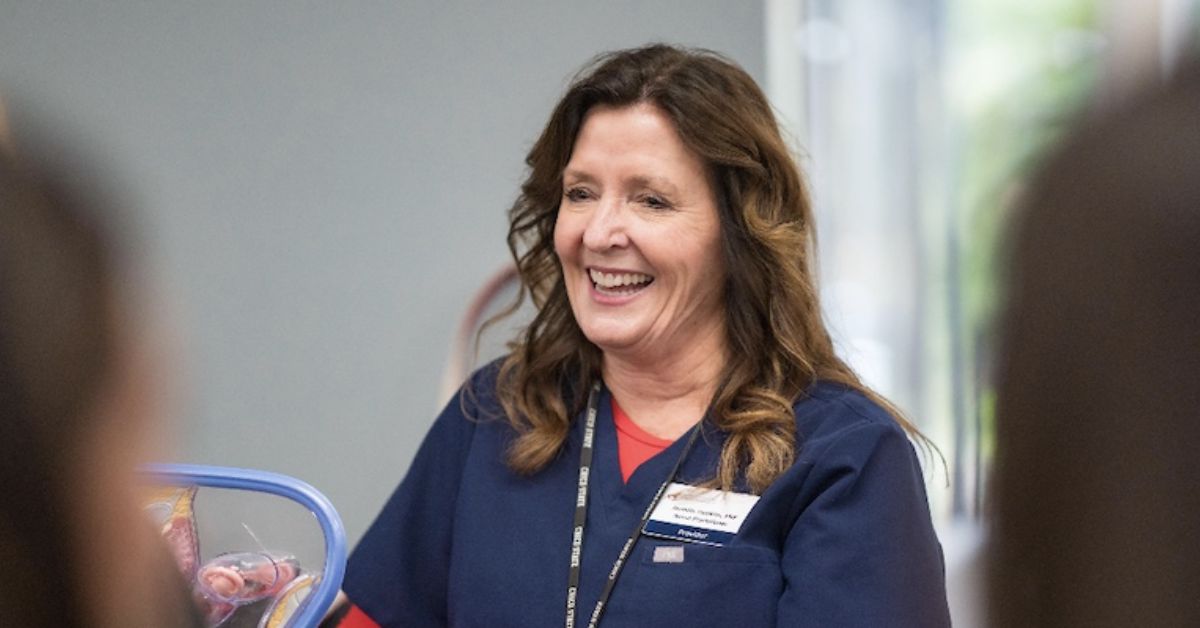
Endometriosis is a common, chronic condition that profoundly affects quality of life, fertility, and day to day functioning for millions of people around the world. Nurses are often the first healthcare professionals patients meet when they seek help for pelvic pain, heavy periods, or infertility.
Because of that frontline role, nurses are uniquely positioned to shorten diagnostic delay, improve access to effective treatment, and support people through long-term care.
This long-form article explains why nurse advocacy matters in endometriosis, summarizes current diagnostic and treatment approaches, and gives concrete, ready to implement strategies for nurses who want to lead change in their clinics, hospitals, and communities.
Short, evidence-backed claims you should know:
- Endometriosis affects roughly 1 in 10 people of reproductive age worldwide.
- Diagnostic delay can be years historically averaging many years between symptom onset and definitive diagnosis.
- International clinical guidelines (e.g., ESHRE) now recommend earlier, symptom-driven assessment and a multidisciplinary approach.
- First-line medical treatments are primarily hormonal (combined oral contraceptives, progestins), with newer options (GnRH antagonists, relugolix combination) available for some patients.
- Nurse-led models of care and nurse-centered counseling have proven effectiveness in improving patient experience, symptom management, and care coordination.
In This Article
Why Nurse Advocacy Matters In Endometriosis
Nurse advocacy is not a buzzword it’s a practical, measurable set of actions that improve patient outcomes. In endometriosis, advocacy includes recognizing symptoms early, educating patients and families, pushing for evidence-based referrals, coordinating multidisciplinary care, and addressing psychosocial needs.
Nurses often see patients repeatedly for menstrual problems, contraception consults, or chronic pelvic pain before other clinicians do. Those encounters are opportunities to: ask targeted questions, normalize reporting of symptoms, document patterns, and fast-track referrals when appropriate.
Clinical systems frequently fail people with endometriosis because symptoms are normalized (period pain “is just part of being a woman”), misattributed (as gastrointestinal or urinary problems), or minimized by providers. Nurses can change that dynamic by taking menstrual history seriously, using validated screening questions, and advocating for rapid pathways to specialty assessment.
When nurses document symptom patterns, emphasize functional impact (missed work/school, sexual dysfunction), and bring those data to the care team, they convert subjective complaints into clinical priorities.
The Scale Of The Problem: Prevalence And Diagnostic Delay
Endometriosis is common. Global estimates suggest about 10% of people of reproductive age are affected, with higher prevalence among those with chronic pelvic pain and infertility. Because symptoms vary and overlap with other conditions, many patients wait years for a confirmed diagnosis. Multiple systematic reviews and longitudinal studies document long diagnostic delays; while these numbers vary geographically and by health system, a multi year lag from first symptoms to confirmation is consistently reported.
This delay has consequences: prolonged pain, lost productivity, mental health consequences, and delayed fertility care where relevant. Nurses can play a critical role in shortening this window by recognizing early warning signs and pushing for timely investigation.
Why delays happen (brief summary):
- Symptoms are normalized as “typical” menstruation.
- Pain presentations mimic IBS, urinary disorders, or musculoskeletal pain.
- Lack of awareness among primary care clinicians and variability in referral thresholds.
- Limited access to specialists or diagnostic laparoscopy in some regions.
Given that timeline, nurse action to identify red flags and escalate care is one of the most direct ways to reduce avoidable suffering.
Current best-practice overview: diagnosis and treatment (concise clinical primer)
Diagnosis
- Clinical suspicion is based on history and physical examination, not only imaging. A focused menstrual and pain history is essential (onset, pattern, cyclical nature, relation to bowel/urination/sex, impact on daily life).
- Pelvic ultrasound is useful for endometriomas and some deep lesions, but normal imaging does not rule out endometriosis.
- Laparoscopy with histologic confirmation remains the gold standard for definitive diagnosis, though many guidelines now support empirical treatment based on clinical presentation to improve timely symptom control.
Treatment (stepped, individualized approach)
- First-line medical management often includes combined oral contraceptives (COCs) and various progestins to suppress menses and reduce pain.
- If first-line options fail or are contraindicated, GnRH analogs and, more recently, oral GnRH antagonists (with or without add back therapy) are available for moderate–severe pain. Aromatase inhibitors are an option for refractory cases.
- Conservative surgery (excision/ablation of lesions and adhesiolysis) is indicated for severe disease, pain refractory to medical therapy, or fertility optimization; the goal is removal of visible disease while preserving fertility where desired.
- Multidisciplinary management (pain specialists, gynecologists, physiotherapists, mental health professionals, fertility specialists, and specialized nurses) yields the best patient-centered outcomes.
Recent pharmaceutical advances such as combination oral GnRH antagonist therapies (e.g., relugolix/estradiol/norethisterone marketed in some regions as Ryeqo or combination therapies) have expanded outpatient medical options, making medical control of symptoms more achievable for many patients without injections or more invasive approaches. Nurses should be aware of these options and their place in therapy.
The Nurse’s Role Across The Care Pathway: Screening, Diagnosis, Treatment, and Follow Up
Nursing tasks are varied and essential across all phases of care. Below is a practical roadmap nurses can use to embed advocacy into daily practice.
1. Screening and early recognition
- Integrate targeted questions into routine visits. Ask about menstrual pain that interferes with normal activities, cyclical bowel or urinary symptoms, pain during sex, and any history of subfertility. Use standardized phrasing and avoid normalization (“Do your periods stop you from doing what you’d normally do?”).
- Document functional impact. Record missed work/school days, limitations in activity, and the psychological burden of chronic pelvic pain. This documentation helps prioritize referrals.
- Use brief screening tools where available or create a short clinic checklist (e.g., severe dysmenorrhea starting in adolescence, cyclical GI/urinary symptoms, dyspareunia, chronic pelvic pain).
2. Educating patients and families
- Provide clear, empathic information about what endometriosis is (ectopic growth of endometrial-like tissue), that painful periods are not necessarily “normal,” and that treatment options exist. Avoid overwhelming patients with jargon; use plain language.
- Explain the diagnostic pathway so patients know what to expect (imaging, potential laparoscopy, treatment options) and why early assessment matters for pain control and fertility planning.
- Share realistic expectations regarding symptom control vs cure; many treatments focus on symptom management and quality of life rather than immediate cure.
3. Facilitating referrals and diagnostics
- Create fast-track referral criteria with your local gynecology team (e.g., severe dysmenorrhea refractory to first-line treatments, cyclical urinary/bowel pain, significant functional impairment). Fast-track pathways reduce waiting time and diagnostic delay.
- Accompany patients through the process. Nurses can coordinate appointments, explain imaging results, and ensure the patient’s questions are captured for the specialist consult. This reduces fragmentation and patient anxiety.
4. Supporting shared decision making for treatment
- Explain treatment options medical vs surgical, side effects, impact on fertility, and likelihood of symptom relief. Provide patient facing decision aids when possible.
- Ensure informed consent includes discussion of expected outcomes and alternatives, particularly before surgical interventions.
- Monitor and manage side effects. Many hormonal options have tolerability issues (mood changes, bone density concerns with long term hypoestrogenism) nurses play a central role in monitoring and supporting adherence or switching therapies.
5. Coordinating multidisciplinary care and long term follow up
- Link patients to allied services (pelvic physiotherapy, pain psychology, fertility counseling, sexual health services, and support groups).
- Set up structured follow-up plans to assess symptom control, medication adherence, side effects, and psychosocial needs. Regular symptom scoring (e.g., pain scales, quality-of-life tools) can quantify progress.
- Provide continuity by being a reliable clinical contact; continuity of care reduces dropouts and improves long-term outcomes.
Nurse-led clinics or nurse practitioners specializing in gynecologic pain can centralize these roles and often provide faster, more holistic care that patients value. Evidence and practice reports show nurse-led counseling and management models improve patient experience and help standardize pathways.
Communication Skills That Matter: Scripts And Techniques Nurses Can Use Today
Effective communication is an intervention. Below are practical templates and techniques nurses can use in consultations and triage.
Opening questions (non-judgmental)
- “Tell me about the pain you feel during your periods how it starts, how long it lasts, and whether it stops you from doing things you normally do.”
- “Do you ever have pain with sex, bowel movements, or when you pee that seems to follow your cycle?”
Normalization vs validation
- Don’t dismiss: instead of “That’s normal,” say, “Period pain happens, but when it stops you from daily life we should look into it let’s discuss options.”
Explaining next steps
- “Based on what you’ve told me, I recommend we arrange an ultrasound and a specialist review. This doesn’t mean we’re certain of anything yet, but getting timely assessment helps us manage pain and discuss fertility planning.”
Managing expectations
- “Treatments aim to reduce pain and improve your quality of life. Some people need different combinations of therapies; it’s often a stepwise process.”
Safety netting
- “If your pain suddenly becomes much worse, or you develop new symptoms like fever or fainting, seek care right away. Otherwise I’ll contact you when your imaging is done and we’ll plan the next step together.”
These simple scripts reduce ambiguity and reassure patients that their concerns are being taken seriously. They also create a clear, documented pathway for follow up.
Practical Tools Nurses Can Implement In Clinic: Checklists, Templates, And Metrics
To translate advocacy into measurable action, consider adopting these low-effort, high-impact tools.
A. Endometriosis triage checklist (one-page)
- Onset of dysmenorrhea (age of onset)
- Pain severity (0–10) and functional impact (missed days)
- Dyspareunia (yes/no)
- Cyclical GI/urinary symptoms (yes/no)
- Prior treatments tried and duration
- Desire for future fertility (yes/no)
This checklist can be included in electronic records for easy flagging.
B. Referral template for fast-track gynecology
- Short clinical summary highlighting red flags (functional impact, failed first-line therapy, cyclical non-gynecologic pain).
- Documented patient preferences and priorities (pain control, fertility).
- Requested urgent review (e.g., within 6–8 weeks) if criteria met.
C. Follow-up protocol
- Schedule review 4–6 weeks after starting/changing therapy (phone or clinic), then at 3 months and 6 months with structured symptom scoring.
- Use a validated pain or QoL instrument if available (document baseline and follow-up scores).
D. Quality metrics to track (departmental)
- Average time from first presentation to specialist referral.
- Proportion of patients with documented functional impact at first contact.
- Follow-up adherence rates at 3 and 6 months.
Tracking these metrics supports advocacy for resources and demonstrates improvement over time.
Supporting Mental Health, Sexuality, And Social Needs
Endometriosis affects emotional well-being, intimate relationships, and social roles. Effective nursing care addresses these domains, not only pelvic pain.
Screening for psychological distress
Ask brief screening questions about mood, anxiety, and sleep. High burden of pain correlates with higher rates of depression and anxiety, and early referral to mental health resources is essential.
Counsel on sexual health
Offer non-judgmental discussions about pain during intercourse and provide options (lubrication strategies, scheduling sexual activity around low-pain times, referral to sexual health or couples therapy).
Address work and educational impact
Provide documentation for employers or schools when pain leads to absence. Help patients access occupational or educational accommodations when appropriate.
Connecting to peer support
Peer groups, both local and online, provide validation and coping strategies. Nurses can maintain a curated list of reputable support organizations and groups for different languages or cultural contexts.
Nurse Led Clinics And Care Models: Evidence And Practical Steps To Set One Up
Nurse-led clinics focused on endometriosis or pelvic pain can fill gaps in service and reduce time to treatment. Steps to develop a clinic include:
- Stakeholder engagement: bring gynecologists, primary care leads, physiotherapists, pain specialists, and administration to plan scope and referral pathways.
- Define scope of practice: nurse practitioners or advanced practice nurses can lead assessments, initiate first line therapies, and route complex cases to specialists. Clear protocols and prescribing authority are essential.
- Standardized pathways: develop clinical algorithms for assessment, workup, and escalation to surgery or advanced therapies.
- Training and competencies: ensure nurses have specialized training in pelvic pain assessment, contraceptive options, counseling skills, and familiarity with psychosocial impacts.
- Data collection and audit: collect baseline metrics on waiting times, symptom scores, and patient experience; use this data to demonstrate value and secure ongoing resources.
Published practice reports show nurse led models reduce delays, improve patient satisfaction, and standardize counseling and follow up. Where nurse prescribing is possible, this model improves access to first-line medications without repeated specialist visits.
Practical Case Examples (Illustrative Vignettes Nurses Can Adapt)
Case A: Adolescent with disabling dysmenorrhea
A 16-year-old reports menarche at 12 with progressively worsening cramps that now cause school absences. First-line NSAIDs and COCs have not been tried or optimized. A nurse uses the triage checklist, documents missed school days, and activates the fast-track referral. Meanwhile, the nurse educates the adolescent and family about options and arranges a trial of scheduled NSAIDs and a continuous progestin regimen pending specialist review.
Case B: Adult with chronic pelvic pain and prior misdiagnoses
A 28-year-old has been treated for IBS for three years, with cyclical worsening of bowel symptoms. A nurse flags the cyclical pattern, documents dyspareunia, and coordinates ultrasound imaging and gynecology referral. The nurse also refers to pelvic physiotherapy and a psychologist for pain coping strategies while diagnostics proceed.
Case C: Person seeking fertility care
A 34-year-old with infertility and suspected endometriosis needs coordinated reproductive counseling. The nurse liaises between fertility services and gynecology to ensure imaging, surgical planning if indicated, and a combined fertility treatment timeline that aligns with the patient’s reproductive goals.
These vignettes illustrate how nurses can identify patterns, fast track care, and integrate supportive services.
Education And Training Priorities For Nurses
To be effective advocates, nurses need targeted knowledge and skills. Recommended training components include:
- Pathophysiology and clinical presentation of endometriosis.
- Use of screening questions and documentation skills.
- Basics of medical therapies and side-effect profiles.
- Counseling skills for fertility and sexual health conversations.
- Pain management approaches (including physiotherapy principles and psychology-based interventions).
- System navigation skills connecting patients to resources and fast track pathways.
Continuing education can be delivered via in-service training, online modules, or collaboration with gynecology departments. Embedding endometriosis content in undergraduate and graduate nursing curricula would also increase early recognition at population level.
Policy, Advocacy, And System Level Change: How Nurses Can Scale Impact
Nurses can move beyond individual patient advocacy to influence system level change. Practical levers include:
- Data-driven lobbying: Use clinic metrics (reduced waiting times, improved QoL scores) to argue for specialized clinics and funding.
- Public health campaigns: Partner with patient organizations to raise awareness that severe period pain merits medical evaluation.
- Education for primary care teams: Offer brief workshops or decision tools for GPs to reduce misdiagnosis.
- Policy briefs: Collaborate with professional bodies to write policy briefs advocating diagnostic targets (e.g., reducing average diagnostic delay).
- Research participation: Enroll in or lead quality-improvement projects that measure the impact of nurse-led pathways on time to diagnosis and patient outcomes.
A coordinated nurse voice is powerful — when nurses present data and practical proposals, administrators and policymakers are more likely to invest in services that reduce diagnostic delay and improve outcomes.
Telehealth And Digital Approaches: Expanding Access And Continuity
Telehealth is a practical way to extend nursing advocacy, particularly for triage, education, follow-up, and symptom monitoring. Consider these uses:
- Telephone or video triage to screen for red flags and prioritize referrals.
- Remote symptom tracking using secure patient portals (pain diaries, menstrual calendars) that feed into clinic alerts.
- Virtual education sessions for patients and families about medication adherence and lifestyle strategies.
- Group telehealth for peer support moderated by a nurse, combining education with psychosocial support.
Digital models can reduce inequities in access when in person specialist services are scarce, but they must be combined with robust referral pathways for face to face diagnostics where required.
Measuring Success: Quality Indicators For Nurse Advocacy In Endometriosis
Define a small set of measurable indicators to show progress and justify resources:
- Average time from first presentation to specialist referral (goal: reduce by X weeks/months).
- Percentage of patients with documented functional impact at first contact.
- Proportion of patients with follow-up within 6 weeks of starting therapy.
- Patient-reported outcome measures (pain scores, quality of life scales) at baseline and 3–6 months.
- Patient satisfaction and perceived helpfulness of nurse led education.
Collecting and reporting these indicators allows continuous improvement and strengthens advocacy to administration for expanded services.
Ethical And Cultural Considerations
Endometriosis care intersects with sensitive topics: reproductive choices, sexual health, gender identity, and cultural beliefs about menstruation. Nursing care must be:
- Inclusive: Use gender-neutral language when appropriate and ensure services are accessible to transgender and non binary people who menstruate.
- Culturally sensitive: Recognize how cultural norms influence reporting of pain and healthcare-seeking behaviors. Tailor education to cultural contexts and health literacy levels.
- Ethical in fertility counseling: Provide non-directive counseling, respect reproductive autonomy, and ensure informed consent for all interventions.
Nurses should seek cultural competence training and use interpreters or culturally adapted materials when needed.
Common Barriers Nurses Will Face And How To Overcome Them
Barrier: Limited clinic resources and long specialist waitlists.
Practical response: Implement triage checklists to prioritize high impact cases, document functional impairment for urgency, and use nurse led management to provide interim care.
Barrier: Lack of prescriptive authority in some settings.
Practical response: Develop collaborative practice agreements with physicians, enabling nurses to initiate or adjust first-line therapies within agreed protocols.
Barrier: Clinician skepticism or normalization of pain.
Practical response: Use data and patient stories to build empathy; present audit data showing how early intervention reduces downstream costs.
Barrier: Patient distrust after years of misdiagnosis.
Practical response: Prioritize validation, transparent communication, and consistent follow-up to rebuild trust.
Resources for nurses (organizations, patient groups, and clinical guidelines)
- ESHRE clinical guideline on endometriosis detailed evidence based recommendations for diagnosis and management.
- WHO fact sheet on endometriosis prevalence estimates and global perspectives.
- Local professional organizations: many national nursing and gynecology societies provide continuing education and patient materials.
- Patient advocacy groups: these groups offer support networks and often co-produce educational materials partner with them to amplify reach.
- Recent clinical reviews on medical and surgical management for up-to-date therapeutic options.
(Include clinic-specific links and local resources in your handouts.)
Practical “What To Do Tomorrow” Checklist For Nurses
- Start using a one-page triage checklist for any patient presenting with pelvic pain or severe dysmenorrhea.
- Document functional impact (missed days, activity limitations) every time; it makes a difference when prioritizing referrals.
- Create an education leaflet (plain language) that explains endometriosis and common treatment options and make it standard in clinics.
- Establish a fast-track referral agreement with your local gynecology service and test it with one patient.
- Begin a small audit: collect baseline data on time to referral for three months, then remeasure after implementing the checklist.
These practical steps are low-cost, high-return ways to make immediate improvements.
Must Read:
- Long Shifts and Nurses Wrist Health: Tips for Relief
- Top Workplaces Empower Their Nurses: Does Your Employer Fit the Bill?
- Fake Nurse Case is a Wake-Up Call to Protect Your License
Closing Thoughts:
Endometriosis is a complex, under recognized condition that causes real and often disabling symptoms. Nurses occupy a strategic position in the healthcare journey where they can identify problems early, offer compassionate education, coordinate effective interventions, and push the system to do better. Nurse advocacy when informed by guidelines, supported by practical tools, and amplified through data shortens diagnostic delays, improves symptom control, and enhances quality of life for those affected.
If you take one step from this article, let it be this: start documenting functional impact and using that documentation to prioritize care. That one action, repeated across clinics, will change how the system sees and treats people with endometriosis.