

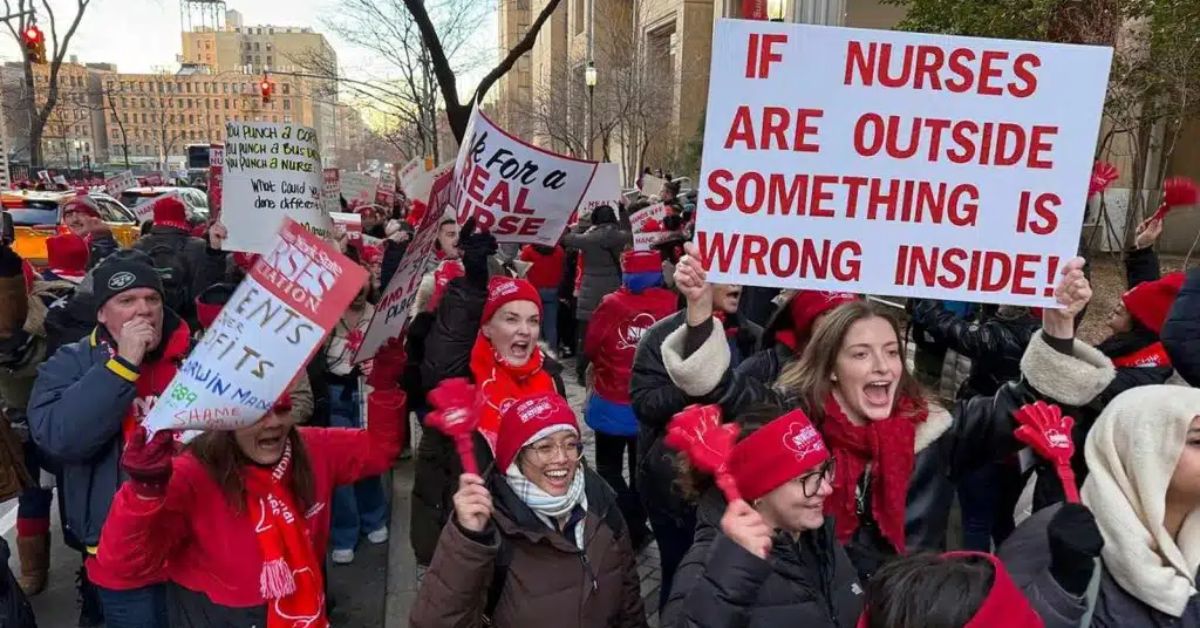
Healthcare systems depend heavily on nurses to maintain safe and effective patient care. Nurses provide continuous monitoring, administer treatments, coordinate medical teams, and offer emotional support to patients and families. When large numbers of nurses stop working due to labor disputes, the effects can be felt throughout the entire healthcare system. One of the most significant examples of this occurred in New York City when nearly 15,000 nurses prepared to walk off the job in what became the largest nursing strike in the city’s history.
This major labor action drew national attention and sparked important discussions about nurse staffing levels, workplace safety, hospital management, and the overall future of healthcare labor relations. The strike also highlighted the pressures nurses face in modern healthcare environments and the growing concerns about burnout, staffing shortages, and patient safety.
Understanding the events that led to the strike, the issues involved, and the broader implications helps shed light on the challenges facing healthcare workers and hospital systems today.
In This Article
Background of the NYC Nursing Strike
New York City has one of the largest healthcare systems in the United States. The city’s hospitals treat millions of patients each year, and nurses play a central role in delivering care across emergency departments, intensive care units, surgical units, and specialty departments.
Over time, nurses began raising concerns about increasing workloads, understaffing, and difficult working conditions. These issues intensified during and after the COVID-19 pandemic, which placed enormous strain on healthcare workers. Nurses worked long hours caring for critically ill patients, often in environments where resources were stretched thin.
As the pandemic subsided, many nurses expected improvements in staffing and workplace conditions. However, many healthcare workers felt that hospitals had not done enough to address these concerns.
Negotiations between nursing unions and hospital administrations became increasingly tense. Nurses demanded improvements in staffing ratios, better working conditions, and protections designed to ensure patient safety. When negotiations failed to reach an agreement, thousands of nurses across multiple hospitals voted to authorize a strike.
With nearly 15,000 nurses preparing to leave their positions, the potential strike became the largest nursing labor action in New York City’s history.
Why Nurses Decided to Strike
Healthcare strikes are often complex events that involve multiple concerns. In the case of the NYC nursing strike, several key issues motivated nurses to take collective action.
Staffing Shortages
One of the most significant concerns raised by nurses was inadequate staffing levels. Many nurses reported being assigned too many patients during their shifts.
When nurse-to-patient ratios become too high, it can be difficult for nurses to provide thorough care to every patient. Monitoring vital signs, administering medications, and responding to emergencies requires constant attention. If nurses are responsible for too many patients at once, the risk of medical errors and delayed care increases.
Nurses argued that hospitals needed to implement safer staffing standards to protect both healthcare workers and patients.
Burnout Among Nurses
Burnout has become a major issue across the healthcare industry. Long shifts, emotional stress, and high patient demands can lead to exhaustion among nurses.
During the pandemic, many nurses worked extended hours while dealing with the emotional toll of treating severely ill patients. Even after the most intense phases of the pandemic ended, many nurses continued to experience fatigue and stress.
The strike highlighted how burnout affects the healthcare workforce and why many nurses felt they needed stronger workplace protections.
Workplace Safety
Healthcare environments can present physical and emotional risks for nurses. Exposure to infectious diseases, workplace violence, and physical strain from patient care activities are common concerns. Nurses participating in the strike emphasized the need for improved safety protocols and better support systems for healthcare workers.
Retention Challenges
Hospitals across the country have struggled to retain experienced nurses. Many healthcare professionals have left the field due to stress, retirement, or career changes.
When experienced nurses leave, hospitals may rely more heavily on temporary or travel nurses. While these professionals provide valuable support, the loss of experienced staff can disrupt team dynamics and patient care continuity.
Role of Nursing Unions in the Strike
Nursing unions played a major role in organizing the strike and representing the concerns of healthcare workers. Unions advocate for improved workplace conditions, fair wages, and policies designed to support both nurses and patients.
Union leaders argued that safe staffing levels are not only beneficial for nurses but also essential for patient safety. When nurses have manageable workloads, they can provide better care and respond more effectively to medical emergencies.
Unions also highlighted the need for stronger protections against burnout and workplace stress. The strike served as a powerful example of collective action within the healthcare workforce.
Hospitals’ Response to the Strike
As the nursing strike approached, hospitals had to prepare for major operational challenges while ensuring patient care remained uninterrupted. Healthcare administrators developed contingency plans to manage hospital services in case thousands of nurses stopped working. These plans focused on maintaining essential medical care, especially for emergency and critically ill patients. Hospitals coordinated staffing adjustments, organized backup support, and prepared alternative strategies to handle patient needs during the strike period. The goal was to minimize disruptions in healthcare services and maintain patient safety. Careful planning allowed hospitals to continue operating while addressing the workforce shortage created by the strike.
Hiring Temporary Nurses
During labor disputes or staffing shortages, hospitals often hire travel nurses or temporary staff to maintain essential healthcare services. These nurses usually come from other states or different healthcare systems and are brought in to provide short-term support while regular staff are unavailable. Travel nurses are typically experienced professionals who can quickly adapt to high-pressure medical environments. However, despite their training, temporary nurses may not be fully familiar with the hospital’s internal systems, procedures, or patient population. Because of this, hospitals must provide quick orientation and supervision to ensure patient care remains safe and consistent during the temporary staffing period.
Postponing Non Emergency Procedures
During healthcare strikes, hospitals often postpone elective surgeries and non-urgent medical procedures to manage limited staffing resources. By delaying these procedures, healthcare facilities can reduce the number of patients requiring immediate attention and focus their efforts on individuals with critical or life-threatening conditions. This strategy helps hospitals maintain safe levels of care in emergency departments, intensive care units, and other essential medical services. Although postponing non-emergency procedures can be inconvenient for some patients, it allows hospitals to prioritize urgent medical needs and ensure that the most vulnerable patients continue to receive timely and effective treatment during staffing disruptions.
Reassigning Staff
Hospitals may temporarily reassign physicians, nurse practitioners, and other healthcare professionals to assist with patient care.
Although these professionals provide valuable support, nurses remain the primary caregivers responsible for monitoring patients throughout their hospital stay.
Impact on Patients and Healthcare Services
The potential strike raised concerns about how healthcare services might be affected. Patients and families often worry about receiving consistent care when large numbers of healthcare workers are absent.
Hospitals must carefully manage staffing during strikes to ensure patient safety remains the top priority. Emergency departments, intensive care units, and trauma centers typically remain fully operational during labor disputes.
However, some non-essential services may be temporarily limited. Healthcare leaders emphasized that contingency plans were designed to maintain safe patient care standards.
Public Reaction to the Strike
Public reactions to the nursing strike reflected a range of perspectives. Many people expressed strong support for nurses, recognizing the demanding conditions they face in healthcare settings.
Patients who had experienced compassionate care from nurses often voiced appreciation for the profession and believed nurses deserved better working conditions.
At the same time, some community members expressed concerns about how the strike might affect healthcare access. Families with loved ones in hospitals worried about potential delays in treatment or disruptions in care.
These mixed reactions highlighted the complex nature of healthcare labor disputes.
Media Coverage and National Attention
The large-scale nursing strike in New York City gained significant national media attention. News organizations across the country covered the event, bringing public focus to the concerns raised by nurses and the responses from hospital leadership. Many reports highlighted the challenges nurses face, including heavy workloads, staffing shortages, and the emotional strain of working in high-pressure healthcare environments. Other coverage explored the financial and operational difficulties hospitals encounter while managing large healthcare systems. Through television, newspapers, and digital platforms, the strike became a major topic of discussion, helping the public better understand the pressures affecting both healthcare workers and hospital administrators.
Lessons for the Healthcare Industry
The largest nursing strike in New York City history highlighted several critical lessons for healthcare leaders, policymakers, and hospital administrators. It demonstrated how workforce challenges can directly affect healthcare operations and patient care. By examining the issues that led to the strike, healthcare organizations can better understand what changes are needed to build stronger and more sustainable healthcare systems.
Staffing Is Critical
One of the most important lessons from the strike is the importance of adequate staffing levels. Nurses are responsible for monitoring patients, administering medications, responding to emergencies, and coordinating treatment plans. When hospitals operate with too few nurses, patient care can suffer and the workload placed on healthcare workers increases significantly. Overburdened nurses may experience stress, fatigue, and burnout, which can affect both their wellbeing and patient safety. Hospitals must develop staffing models that ensure nurses can manage their responsibilities effectively while maintaining high standards of care.
Supporting Healthcare Workers
The strike also emphasized the need for stronger support systems for healthcare workers. Nursing is physically and emotionally demanding, especially in high-pressure environments such as intensive care units. Healthcare organizations should invest in programs that address burnout, mental health support, and professional development. Providing counseling services, wellness programs, and opportunities for career advancement can help nurses maintain long-term job satisfaction and remain committed to the profession.
Communication Matters
Effective communication between healthcare administrators and nursing staff is essential for preventing workplace conflicts. When concerns about staffing, workload, or safety are not addressed early, tensions can escalate. Open dialogue, transparent decision-making, and collaborative problem-solving can help build trust between hospital leadership and healthcare workers.
Workforce Planning Is Essential
Finally, the strike highlighted the need for long-term workforce planning. Healthcare systems must invest in nursing education, recruitment programs, and training initiatives to ensure a steady supply of qualified professionals. Expanding nursing programs and offering scholarships or incentives can help attract new nurses into the profession. Strong workforce planning ensures healthcare systems remain prepared to meet growing patient demands in the future.
The Future of Nursing Workforce Relations
Healthcare systems across the country are facing similar challenges related to staffing, burnout, and workforce shortages.
Events like the NYC nursing strike highlight the need for sustainable solutions that support both healthcare workers and patients.
Possible strategies include expanding nursing education programs, improving workplace support systems, and adopting innovative technologies that reduce administrative burdens.
By addressing these issues proactively, healthcare organizations can create environments where nurses feel valued and supported.
Importance of Nurses in the Healthcare System
Nurses are the backbone of the healthcare system and represent the largest group of healthcare professionals worldwide. They play a vital role in patient care by monitoring health conditions, administering medications, coordinating treatment plans, and supporting communication between doctors and patients. Nurses also provide emotional support to patients and families during challenging medical situations. Their constant presence ensures that patients receive timely care and proper medical attention. Without skilled and dedicated nurses, hospitals and healthcare facilities would struggle to operate effectively. The NYC nursing strike highlighted how essential nurses are to maintaining safe, efficient, and compassionate healthcare services.
- What Is a CVICU Nurse? Role, Responsibilities & Salary
- 2026 Nurse Appreciation Dates You Should Know
- Nursing Code of Ethics: Everything You Need To Know
Conclusion:
The largest nurse strike in NYC history, involving nearly 15,000 nurses walking off the job, marked a significant moment in healthcare labor relations. The strike brought attention to critical issues such as staffing shortages, burnout, workplace safety, and the need for stronger support systems for healthcare professionals.
While labor disputes in healthcare can create challenges for hospitals and patients, they also provide opportunities for meaningful discussions about improving healthcare systems.
The lessons from this historic strike highlight the importance of investing in the nursing workforce and ensuring that healthcare professionals have the resources they need to provide high-quality patient care.
As healthcare continues to evolve, supporting nurses and addressing workforce challenges will remain essential for maintaining strong and resilient healthcare systems.