
When parents send their children to camp, they are not just signing them up for outdoor games, crafts, swimming lessons, or hiking trips. They are placing deep trust in the adults who will supervise, guide, and protect their children. Safety is not an optional feature of a camp program. It is the foundation.
Among all staff members, the camp nurse plays one of the most critical roles in ensuring child safety. Camp nurses are not simply medical responders who wait for injuries to happen. They are planners, risk managers, educators, mental health supporters, and emergency leaders. They build systems that prevent harm before it occurs and respond swiftly when situations demand immediate action.
This in-depth guide explores how camp nurses ensure child safety through proactive planning, medication management, infection control, emergency preparedness, mental health support, environmental awareness, staff training, documentation, and communication with families. Whether you are a parent researching camps, a camp director strengthening safety protocols, or a healthcare professional interested in camp nursing, this comprehensive article will provide clear and practical insight.
In This Article
The Role of a Camp Nurse in Child Safety
A camp nurse is typically a licensed healthcare professional such as a registered nurse or licensed practical nurse. Some camps may also employ nurse practitioners or partner with physicians depending on the size and type of camp.
Unlike traditional healthcare settings, camps present a unique environment. Children live in close quarters. They participate in physically demanding activities. They are exposed to weather changes, insects, water environments, and unfamiliar food. Many are away from home for the first time. These factors create both opportunity and risk.
Camp nurses operate within safety frameworks often influenced by organizations like the American Camp Association, which provides health and safety standards for accredited camps. However, each nurse must adapt those standards to the specific setting, age group, and activities of their camp.
Their responsibilities include:
- Reviewing medical histories
- Managing medications
- Preventing illness outbreaks
- Responding to emergencies
- Training staff
- Supporting mental health
- Communicating with parents
- Maintaining legal documentation
At the core of all these tasks is one goal: protecting children.
Safety Planning Before Camp Begins
Child safety at camp does not begin on opening day. It begins months earlier during preparation and planning.
Reviewing Health Forms and Medical Records
Before camp starts, families submit detailed medical forms. These typically include:
- Allergies
- Chronic illnesses
- Immunization history
- Current medications
- Dietary restrictions
- Mental health conditions
- Previous surgeries or injuries
- Emergency contacts
The camp nurse reviews each form carefully. This process is not routine paperwork. It is a safety assessment.
For example:
- A camper with severe peanut allergies requires kitchen coordination and emergency medication planning.
- A child with asthma needs inhaler access and activity monitoring.
- A camper with Type 1 diabetes requires blood glucose management and insulin scheduling.
- A child with anxiety may need additional emotional support strategies.
By identifying potential risks early, nurses can create individualized healthcare plans that prevent crises.
Communicating With Parents Before Arrival
If information is incomplete or raises concerns, nurses often contact parents directly. This may involve:
- Clarifying medication instructions
- Confirming allergy severity
- Discussing behavioral triggers
- Coordinating special accommodations
This early communication builds trust and ensures nothing is overlooked.
Medication Management and Administration Safety
Medication errors are one of the greatest preventable risks in group care settings. Camp nurses implement strict systems to ensure accuracy.
Secure Storage Systems
All medications are:
- Stored in locked cabinets
- Organized by camper name
- Kept in temperature-appropriate conditions
- Labeled clearly with dosage instructions
Emergency medications such as epinephrine auto-injectors and inhalers are accessible but monitored carefully.
The Five Rights of Medication Administration
Camp nurses follow established safety principles:
- Right camper
- Right medication
- Right dose
- Right time
- Right route
Every administration is documented immediately. This prevents double dosing, missed doses, or confusion.
Monitoring for Side Effects
Some medications require observation after administration. Nurses monitor for:
- Allergic reactions
- Drowsiness
- Behavioral changes
- Gastrointestinal issues
Ongoing assessment ensures safe continuation of treatment.
Daily Health Monitoring and Preventive Care
Once campers arrive, nurses transition into active monitoring mode.
Routine Health Checks
Depending on camp structure, nurses may conduct:
- Morning wellness screenings
- Temperature checks
- Visual skin inspections
- Behavior observations
Small changes can indicate larger issues. Early fatigue may signal dehydration. A rash may indicate allergic reaction or contagious illness.
Early intervention prevents escalation.
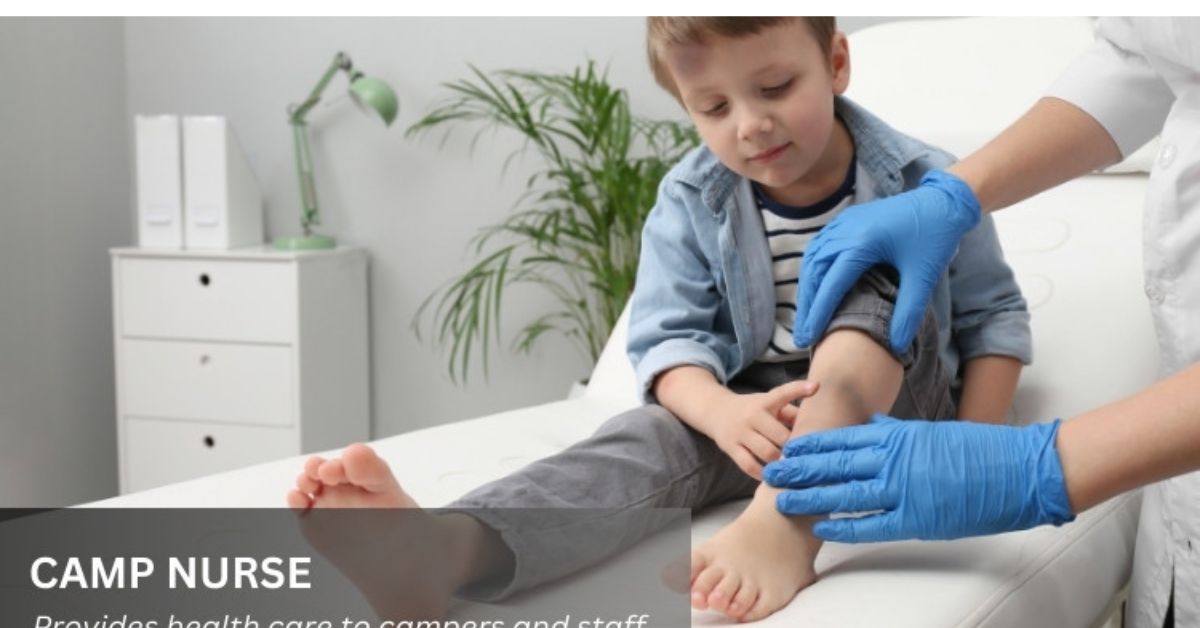
Treating Minor Injuries
Camp life naturally includes minor injuries such as:
- Cuts and scrapes
- Blisters
- Bug bites
- Mild sprains
- Minor burns
Camp nurses clean wounds thoroughly, apply sterile dressings, and monitor healing. Proper care reduces infection risk and allows campers to return to activities safely.
Preventing Heat-Related Illness
Outdoor camps increase the risk of dehydration and heat exhaustion.
Nurses promote:
- Regular hydration breaks
- Sun protection practices
- Activity modifications during high temperatures
- Recognition of early heat stress symptoms
Education and supervision are key preventive tools.
Infection Prevention and Public Health Oversight
Camps are communal environments where illnesses can spread quickly. Camp nurses act as public health supervisors.
Teaching Hygiene Practices
Campers are educated about:
- Proper handwashing
- Covering coughs and sneezes
- Not sharing personal items
- Maintaining clean cabins
Counselors reinforce these habits daily.
Monitoring for Contagious Illness
If several campers develop similar symptoms such as fever, vomiting, or rash, nurses investigate immediately.
Steps may include:
- Isolating affected campers
- Increasing cleaning protocols
- Notifying camp leadership
- Communicating with families
Early containment limits widespread outbreaks.
Food Allergy Management and Nutritional Safety
Food allergies represent one of the most serious risks in camp settings.
Collaboration With Food Services
Camp nurses work closely with kitchen staff to:
- Maintain updated allergy lists
- Label meals clearly
- Prevent cross contamination
- Develop alternative meal options
Communication between nursing and kitchen teams is constant.
Emergency Preparedness for Allergic Reactions
Anaphylaxis requires immediate response. Camp nurses ensure:
- Epinephrine is readily available
- Staff are trained to recognize symptoms
- Emergency protocols are practiced
Speed and preparedness can save lives.
Emergency Preparedness and Crisis Response
Emergencies can happen during sports, swimming, hiking, or even rest time.
Camp nurses help develop and oversee written Emergency Action Plans covering:
- Severe allergic reactions
- Asthma attacks
- Seizures
- Fractures
- Head injuries
- Near-drowning incidents
- Severe weather
- Fire evacuations
Immediate On-Site Assessment
When emergencies occur, nurses assess:
- Airway
- Breathing
- Circulation
- Level of consciousness
They stabilize the camper and determine whether hospital transfer is necessary.
Coordination With Emergency Services
Before camp begins, nurses establish contact with nearby:
- Hospitals
- Urgent care centers
- Ambulance services
This ensures rapid access to advanced care when needed.
Mental and Emotional Safety
Child safety extends beyond physical health.
Supporting Homesickness
Many campers experience homesickness, especially in overnight settings.
Camp nurses provide:
- Calm reassurance
- A quiet place to rest
- Encouragement and emotional support
- Collaboration with counselors
Addressing emotional stress reduces behavioral risk.
Identifying Mental Health Concerns
Nurses monitor for signs such as:
- Withdrawal
- Persistent sadness
- Panic attacks
- Aggression
- Self-harm behaviors
Early intervention protects vulnerable children and supports families appropriately.
Environmental and Outdoor Risk Management
Camps are often located in forests, lakes, or mountainous regions.
Nurses educate campers about:
- Sunburn prevention
- Tick checks
- Poison ivy awareness
- Safe wildlife interaction
Environmental education significantly reduces preventable injuries.
Staff Training and Supervision
Camp nurses extend their impact by training staff members.
Training topics include:
- Basic first aid
- Recognizing allergic reactions
- Identifying dehydration
- CPR awareness
- Infection prevention
- Mental health awareness
A well-trained staff increases overall safety coverage across camp grounds.
Documentation and Legal Protection
Accurate documentation is essential.
Camp nurses record:
- Medication administration
- Injury reports
- Illness evaluations
- Parent communications
- Emergency actions taken
Documentation ensures continuity of care and protects both campers and camp organizations.
Communication With Parents
Parents expect transparency.
When health concerns arise, camp nurses:
- Contact parents promptly
- Provide clear explanations
- Share treatment plans
- Offer follow-up recommendations
Strong communication builds trust and reassures families.
Creating a Culture of Safety
Safety is not a single action. It is a culture.
Camp nurses help create that culture by:
- Encouraging open reporting of symptoms
- Promoting hydration and hygiene
- Supporting inclusive behavior
- Reinforcing accountability
When safety becomes part of daily routine, risk decreases significantly.
The Long-Term Impact of Camp Nursing on Child Development
When children feel safe, they explore confidently. They take healthy risks. They build resilience.
Camp nurses provide the foundation that allows children to:
- Develop independence
- Strengthen social skills
- Build physical confidence
- Learn responsibility
- Experience growth outside their comfort zone
Without strong health systems, these developmental benefits would carry unnecessary risk.
Key Ways Camp Nurses Ensure Child Safety
Camp nurses ensure child safety by:
- Reviewing medical histories thoroughly
- Creating individualized healthcare plans
- Managing medications accurately
- Monitoring daily health
- Preventing disease outbreaks
- Preparing for emergencies
- Coordinating allergy-safe food practices
- Supporting mental health
- Training staff
- Maintaining detailed records
- Communicating with families
- Promoting environmental awareness
Each layer builds a comprehensive safety net.
Must Read:
- Nurse Advocacy in Endometriosis: Early Diagnosis and Treatment
- Long Shifts and Nurses Wrist Health: Tips for Relief
- What’s the Best Way for Nurses to List Credentials After Their Names?
Final Thoughts:
Camp nurses are central to child safety in camp environments. Their work is proactive, organized, compassionate, and highly skilled.
They anticipate risk before it becomes danger. They respond quickly during emergencies. They support emotional wellbeing. They manage chronic conditions with precision. They educate staff and campers alike. They document carefully and communicate clearly.
Parents may never see all the systems operating behind the scenes, but those systems are what allow children to laugh freely, explore confidently, and return home safely.
Child safety at camp does not happen by chance. It happens because dedicated professionals design, implement, and maintain protective measures every single day.
And at the heart of those measures is the camp nurse.