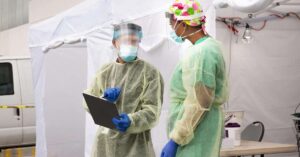


Cruise ship nurses play a vital role in managing medical emergencies at sea. When a serious health incident occurs on board, these professionals are often the first and sometimes the only clinically trained responders available until higher-level care can be reached. Their work blends emergency medicine, maritime logistics, patient advocacy and calm decision-making under pressure. This article explains how cruise ship nurses handle emergency patient transfers, step by step, with practical details that reflect real-world responsibilities and constraints.
Emergency patient transfers at sea demand a clear protocol. Cruise ship nurses rely on structured triage, immediate stabilisation, clear communication with ship officers and shore-based medical teams, and organised coordination for medevac or disembarkation. Because sea travel involves hours or days of isolation from hospitals, nurses must use both clinical skill and resourcefulness to protect patient safety while preparing for transfer.
Readers will find an in-depth guide to the stages of an emergency transfer: recognising emergencies, on-board treatment, communication and documentation, planning and arranging medevac or port-side handover, legal and regulatory considerations, family liaison, and post-transfer follow-up. If you work in maritime health, travel medicine, shipping operations, or simply want to understand how patient care is maintained at sea, this piece outlines what cruise ship nurses do to get patients safely from the vessel to definitive care.
In This Article
The role of cruise ship nurses in emergency patient transfers
Cruise ship nurses combine emergency skills with maritime awareness. Their responsibilities include triage, stabilisation, arranging evacuation, documentation for transfer, and ensuring continuity of care. On many vessels, the nursing team will manage everything from minor injuries to major cardiac events, strokes and severe trauma.
Nurses also act as coordinators. They work closely with ship doctors, the ship’s captain and bridge crew, security, the evacuation team, and shore-based medical advisers. When a transfer becomes necessary, nurses translate clinical needs into actionable plans that fit the ship’s navigation schedule, weather conditions and the nearest available medical facilities.
Finally, cruise ship nurses focus on patient-centred care. That means keeping the patient comfortable, informed and safe while also safeguarding the broader needs of the vessel and other passengers. They must make tough choices about risk, timing and logistics, always balancing the best clinical outcome with constraints of time, distance and maritime law.
Recognising when a transfer is necessary
A transfer starts with recognising a condition that cannot be safely managed on board. Typical triggers include suspected heart attack, major trauma, stroke or altered consciousness, severe respiratory compromise, uncontrolled bleeding, sepsis, complex fractures, obstetric emergencies and severe psychiatric crises.
Initial recognition depends on prompt assessment. Nurses use vital signs, focused history and brief examinations to determine severity. Some vessels use standardised triage tools tailored to maritime settings. Key elements include the patient’s airway, breathing, circulation, disability (neurological status), and exposure (ABCDE). Abnormal results or rapidly deteriorating signs prompt an immediate escalation.
Nurses also consider environmental and logistic factors. For example, worsening weather, distance to port, or lack of specific on-board equipment for definitive care can raise the urgency for transfer. Importantly, clinical judgement is combined with consultation: nurses contact the ship’s doctor or a medical advice service for a rapid decision about whether to initiate evacuation.
Immediate stabilisation on board
Stabilisation aims to keep the patient safe while transfer is organised. Cruise ship nurses use training in basic and advanced life support to manage airway, breathing and circulation. This may include oxygen therapy, assisted ventilation, intravenous fluid resuscitation, cardiac monitoring, analgesia, and control of haemorrhage.
Medication administration on cruise ships follows formulary rules and standing orders. Nurses are typically authorised to deliver emergency drugs and to start IV lines. For suspected myocardial infarction, they may give aspirin and nitrates if authorised. For severe allergic reactions, intramuscular adrenaline may be given immediately.
Stabilisation also involves preparing the patient for movement. Nurses secure lines and dressings, immobilise fractures if needed, and document the patient’s status carefully. They ensure appropriate monitoring during any transfer on board, such as moving a patient from a cabin to the ship’s medical centre or to the deck for pick-up.
Triage and prioritisation during multi-patient incidents
On a vessel carrying thousands of passengers, incidents sometimes involve multiple casualties. Nurses use triage to prioritise resources. Maritime triage systems adapt hospital or battlefield models to the confined ship environment. Categories typically include immediate (life-threatening, needs urgent transfer), delayed (serious but stable), minimal (minor injuries), and expectant (poor prognosis given available resources).
Triage decisions are clinical and ethical. Nurses must balance individual needs with the realistic ability to deliver care at sea. When multiple patients require treatment and evacuation, nurses coordinate with ship command to allocate stretcher teams, medevac resources and landing zones for helicopters or fast boats. Clear documentation ensures that triage choices are traceable and defensible.
Communication: internal and external coordination
Effective communication is the backbone of any transfer. Internally, the nurse briefs the ship’s master, safety officers, engineering and deck teams about the nature of the emergency and any navigational needs. External communication includes contacting the contracted telemedicine service, the nearest port health authority, shore-based hospitals, and, if needed, a maritime rescue coordination centre.
Documentation of communication is crucial. Nurses keep a log of all contacts, times, orders, and clinical changes. They provide concise clinical summaries to shore teams and medevac pilots that include current status, interventions given, medications on board, known allergies and recent vital signs.
Telemedicine plays a central role. Many cruise lines subscribe to 24/7 medical advisory services staffed by emergency physicians who guide on-board clinicians and help decide whether evacuation is required. Nurses prepare and transmit vital data and, when possible, diagnostic images or ECG strips to aid remote assessment.
Arranging the transfer: options and decision factors
There are several transfer options, each influenced by clinical need, ship location, weather, and international regulations. Common options include:
- Hands-off disembarkation at next scheduled port
This is appropriate when the patient is stable enough to wait until the vessel visits port. Nurses must ensure port medical services are informed and patient documentation is ready. - Accelerated diversion to the nearest suitable port
If the condition is urgent, the captain may alter course. Nurses advise on medical urgency so the master can weigh commercial and safety considerations. - Ship-to-shore tender transfer
In sheltered waters, a small boat may transfer a stable but immobile patient to shore. - Search and rescue (SAR) or Coast Guard helicopter medevac
Helicopter evacuation is used for life-threatening conditions when distance to definitive care is significant. Nurses must prepare the patient for air transfer and coordinate a safe deck landing zone. - Ship-to-ship transfer
Rare but possible when the nearest vessel with medical facilities is closer. This requires exceptional seamanship and coordination.
Decision factors include clinical stability, expected time to reach shore, weather and sea state, availability of medevac, destination hospital capabilities, and immigration and port health requirements. Nurses present the clinical case clearly so that the captain and medical advisers can make an informed choice.
Preparing the patient and ship for medevac
When a medevac is authorised, nurses prepare both patient and ship environment. Preparation covers clinical stabilisation, packaging for transport, and safety arrangements.
Clinically, nurses ensure the airway is secure, IV access is reliable, dressings are secure, and essential medications are available. They label and pack medications with administration times. For patients requiring oxygen, nurses confirm supply and appropriate delivery equipment.
Physically, the ship sets up a landing zone if a helicopter is involved. The nurse liaises with deck officers to clear and secure the area, remove loose objects, and mark the touchdown point. If a small boat will be used, the nurse ensures safe embarkation points, provides appropriate flotation devices, and arranges for stretcher transfer.
Nurses also arrange documentation packets that travel with the patient. These include a concise clinical summary, current medication list, allergies, recent vital signs, interventions performed, ECGs, laboratory results if available, and consent forms. Clear labelling and organised packaging speed handover at the receiving facility.
Safety protocols during transfer
Patient safety is paramount. Nurses use manual handling techniques and equipment designed for safe movement at sea. This includes vacuum mattresses, immobilisation splints, stair chairs and ergonomic stretchers. When moving patients on slippery decks or in rough seas, nurses work closely with ship safety teams to choreograph each step.
In helicopter transfers, safety measures are strict. Crew and clinicians follow protocols for rotor safety, noise exposure, and harnessing. Nurses brief the medevac crew on clinical risks, such as potential arrhythmias, airway instability, or risk of aspiration. They also ensure that all medical lines are secured to prevent dislodgement during hoisting.
In small-boat transfers, nurses assess risk from boarding and disembarkation, use rescue harnesses and secure stretchers to minimise movement, and coordinate with the helm to approach docks or tenders safely. Adverse weather or rough seas can change transfer feasibility, so nurses reassess the risk-benefit continuously.
Working with medevac teams and shore hospitals
A successful transfer depends on seamless handover. Nurses provide a structured handover to medevac teams and hospital staff using clinical handover frameworks such as ISBAR (Identification, Situation, Background, Assessment, Recommendation). A concise, clear handover includes the patient’s current condition, treatments given, vital signs trend, medications, allergies, and ongoing needs.
When medevac teams arrive, the nurse coordinates the exchange of monitors, oxygen tanks and medication. They ensure paperwork is complete and that patient identity and consent are verified. Nurses often accompany the patient until physical handover is completed and sometimes travel with the patient depending on company policy and logistics.
If the receiving hospital requires immigration or port health clearance, nurses assist with the transfer of required documents and notify families. They also may be asked to remain available by phone for clarifications after the patient reaches the facility.
Documentation and legal considerations
Documentation is both clinical and legal. Nurses create detailed medical records of the incident, interventions, times, medication dosages, and communications. Complete records protect the patient’s continuity of care and provide legal defence for the clinician and the cruise line.
Legal considerations include consent, privacy, cross-border health regulations and reporting requirements. Nurses ensure informed consent is obtained where possible and documented. When patients lack capacity, nurses follow local law and company policies to act in the patient’s best interests.
On international voyages, port health authorities and customs may require specific forms or notifications. Nurses coordinate with the ship’s purser and legal department to ensure compliance with destination country requirements. Records are retained according to maritime law and company policy.
Cultural sensitivity and family communication
Patients and their families may be frightened or confused. Nurses practise empathetic communication, explain the situation in simple terms, and set realistic expectations about transfer timing and likely outcomes.
Family liaison is critical. Nurses update family members on the patient’s condition, planned transfer and the next steps. When a patient disembarks, nurses often provide contact details for the receiving hospital and guidance on how the family can join the patient if needed. This includes information about visas, local accommodation and transport, though logistical support is typically handled by the ship’s guest services team.
Cultural sensitivity matters at sea, where passengers come from diverse backgrounds. Nurses respect patients’ cultural preferences, language needs and beliefs. When language barriers exist, interpreters or bilingual staff are used, and written materials are translated when possible.
Common clinical scenarios and how nurses manage them
Cardiac emergencies
When a patient has chest pain or suspected heart attack, nurses rapidly assess vital signs, apply cardiac monitoring, give oxygen if indicated, and administer aspirin and nitrates under protocol. An ECG is performed and transmitted if telemedicine is available. If ST elevation or unstable rhythm is present, an urgent medevac will usually be requested.
Stroke
Rapid recognition is essential because treatments such as thrombolysis are time-sensitive. Nurses assess using stroke scales, note time of symptom onset, stabilise airway and breathing, and prepare an urgent transfer. They provide precise documentation of neurological findings to help receiving hospitals determine eligibility for advanced therapy.
Trauma and fractures
Severe trauma requires haemorrhage control, immobilisation and fluid resuscitation. Nurses apply splints, wound dressings and pain relief. If spinal injury is suspected, spinal precautions are taken during movement. Medevac is often necessary for major injuries.
Respiratory failure
For patients with severe respiratory distress, nurses may provide high-flow oxygen, nebulised bronchodilators, or ventilatory support if the ship has mechanical ventilation capability. If respiratory failure cannot be managed on board, medevac is arranged.
Obstetric emergencies
Pregnancy complications at sea are high risk. Nurses stabilise the patient, control haemorrhage, and arrange for urgent transfer for deliveries that cannot be safely managed on board.
Psychiatric crises
Acute psychiatric emergencies may require close supervision, sedation if appropriate, and arranging a transfer to a psychiatric facility or local emergency department that can handle behavioural issues safely.
Equipment and supplies used during transfers
Cruise ship medical centres are equipped to manage many emergencies but have limitations. Typical equipment used in transfers includes:
- Cardiac monitor/defibrillator
- Portable oxygen and masks
- Ambu bag and airway adjuncts
- Portable suction
- Intravenous fluid supplies and administration sets
- Emergency medications and syringe pumps
- Immobilisation devices and spinal boards
- Vacuum mattresses and stretcher systems
- Wound care and haemorrhage control kits
- Portable monitors for telemetry transmission
- Communication equipment for telemedicine
Nurses must be adept at using this equipment in constrained spaces and under adverse conditions. Maintenance and regular drills ensure readiness.
Training and drills for transfer readiness
Cruise ship nurses receive specialised training that blends emergency nursing with maritime procedures. Regular drills simulate medevac, mass-casualty incidents and onboard cardiac arrests. Drills often include the bridge, deck teams and guest services to rehearse patient movement, landing zone preparation and crowd management.
Training includes practical skills in advanced life support, trauma care, airway management and manual handling. Nurses learn procedures for working with helicopters and tenders, including safety around rotors and sea transfer techniques. They are also trained in international regulations and documentation standards.
Continuing education is common. Many cruise lines support nurses to maintain certifications, participate in telemedicine case reviews and keep practice current with evidence-based guidelines.
Case study example: stabilising a myocardial infarction at sea
Consider a passenger who develops severe chest pain on day three of a voyage, 120 nautical miles from the nearest port. The cruise ship nurse quickly assesses vital signs and performs an ECG that suggests ST elevation myocardial infarction. The nurse administers 300 mg aspirin, applies oxygen and alerts the ship doctor and telemedicine advisor.
Given the distance, the telemedicine physician recommends helicopter medevac. The nurse prepares the patient for flight: secures IV access, packs essential medications, coordinates with the bridge to establish a clear landing zone and streams the ECG to the receiving cardiac centre. The medevac team extracts the patient, and the nurse provides a concise ISBAR handover.
This sequence illustrates critical steps: rapid assessment, initiation of evidence-based therapy, use of remote consultation, coordination for safe medevac, and structured handover. Each stage depends on the nurse’s clinical skills and ability to communicate under pressure.
Practical challenges and how nurses overcome them
Cruise ship nurses face several recurring challenges:
- Distance and time to definitive care
Nurses adapt by stabilising patients and making timely decisions about evacuation. Telemedicine helps bridge clinical expertise gaps. - Weather and sea conditions
Transfers may be delayed or rerouted due to weather. Nurses work with command to reassess and provide ongoing care. - Limited resources
Ships cannot match hospital facilities. Nurses compensate with skill, improvisation and early coordination for transfer. - Language and cultural barriers
Interpreters and clear, compassionate communication reduce misunderstandings. - Legal and administrative hurdles
Nurses coordinate with the ship’s administrative team to ensure documentation and compliance with port requirements.
The common solution is preparation: training, up-to-date protocols, good equipment, strong telemedicine links and clear lines of command.
Insurance, cost and passenger considerations
Medical evacuations are expensive. Cruise lines usually coordinate care but patients or their insurers may be billed. Nurses do not make financial decisions, but they must be aware that insurance coverage and emergency travel policies may affect patient choices about repatriation or continuing treatment ashore.
Nurses provide patients and families with factual information about medical necessity and likely outcomes rather than financial advice. They document clinical urgency thoroughly, ensuring medical justifications for evacuation are clear to insurers and authorities.
Infection control and public health responsibilities
When a patient transfer involves an infectious disease risk, nurses follow strict infection control procedures. They use personal protective equipment, isolate patients when necessary, and inform public health authorities as required. During outbreaks or suspected reportable diseases, nurses follow International Health Regulations and the ship’s outbreak management plan.
Public health responsibilities also extend to preventing spread on board. Nurses advise on passenger screening, cabin decontamination, and communication strategies to protect other guests and crew.
Psychological support for patients and crew
Emergency situations impact mental health. Nurses provide psychological first aid to patients, families and crew. Simple measures include calm reassurance, clear information, and arranging support from counselling services available on the ship or remotely.
For crew members involved in stressful transfers, debriefing and peer support help mitigate burnout and maintain performance for future incidents.
Post-transfer responsibilities and continuity of care
Even after a patient leaves the ship, nurses ensure continuity of care. They send complete medical records to the receiving facility and remain available for clarifications. Nurses also update family members and document lessons learned from the incident.
Internally, a post-event review often occurs to assess processes, equipment performance and communication. These after-action reviews inform protocol updates and training priorities.
How cruise lines support nurses: policies and systems
Cruise companies provide frameworks to support clinical decision-making. These include medical protocols, telemedicine contracts, medevac arrangements with third-party providers, and agreements with regional hospitals. Nurses are supported by clear escalation pathways and integration with ship command structures.
Regular audits and quality assurance programs help maintain standards. Companies also invest in simulation training and ensure adequate staffing so nurses are available around the clock.
Innovations shaping future transfer processes
Technology and systems improvements are changing how nurses manage transfers. Telemedicine is becoming more sophisticated with real-time video, remote ultrasound, and secure data transmission. Portable point-of-care testing improves diagnostic capability on board. Drones are being explored for rapid delivery of medications in remote locations.
Training is evolving with immersive simulation and virtual reality. These innovations help nurses make faster, better-informed decisions and expand the range of care possible at sea.
Practical advice for passengers with medical needs
Passengers with chronic conditions can reduce transfer risk by:
- Disclosing medical conditions and medications at check-in.
- Carrying an up-to-date summary of medical history and prescriptions.
- Purchasing comprehensive travel medical insurance with medevac coverage.
- Avoiding alcohol and excessive exertion in the early days of the voyage.
- Seeking medical attention early for persistent or concerning symptoms.
Clear communication and preparation make emergency care smoother if it becomes necessary.
Summary of best practices for cruise ship nurses handling transfers
- Rapid recognition and standardised triage.
- Immediate stabilisation following ABC principles.
- Structured communication with bridge, telemedicine and shore facilities.
- Thorough documentation and legal compliance.
- Safe preparation for medevac including landing zone readiness.
- Clear handover using recognised frameworks.
- Post-transfer follow-up and after-action review.
- Ongoing training, drills and equipment maintenance.
These practices maintain patient safety and ensure that transfers are efficient, effective and well coordinated.
Final words:
Cruise ship nurses operate at the intersection of clinical practice and maritime logistics. Handling an emergency patient transfer requires swift clinical judgement, precise communication and strong coordination with multiple shipboard and shore-based stakeholders. Their work protects passengers and crew and helps bridge the distance between a vessel at sea and definitive medical care ashore.
Investments in training, telemedicine, and robust protocols continue to enhance the quality of care possible on cruise vessels. For anyone travelling by sea, understanding how these professionals operate should provide reassurance that careful, competent systems are in place to manage emergencies whenever they occur.
Must Read:
- Drink Up: Staying Hydrated Keeps Nurses Performing at Their Best
- Build a Nurse Workout Schedule With These Practical Tips
- Radiology Nurse vs. Radiologic Technologist: Key Differences
FAQs:
1. What qualifications do cruise ship nurses need to perform emergency patient transfers?
Cruise ship nurses usually hold a registered nurse qualification with certifications in advanced life support, trauma care and emergency nursing. They receive maritime-specific training, manual handling and medevac protocols. Experience in emergency or critical care settings is highly valued, and ongoing competency assessments are common.
2. How quickly can a medevac occur after a nurse recommends transfer?
Timing depends on clinical urgency, location, weather and availability of medevac resources. In urgent cases with a helicopter available, transfers can occur within an hour. In many situations, the process takes longer due to mobilisation time and distance. Nurses coordinate to minimise delays while ensuring safety.
3. Are cruise ship nurses allowed to accompany patients to hospital?
Policies vary. Sometimes a nurse will accompany a patient if company policy and logistics permit. Often, medevac crews assume care during flight and hospital handover. Nurses remain available remotely to provide additional information and support.
4. Who pays for the emergency transfer and subsequent hospital care?
Costs are typically covered by the passenger’s travel insurance or health insurance. If uninsured, the patient may be billed. Cruise lines may assist with logistics but financial responsibility is usually the patient’s or their insurer’s.
5. What happens if the weather prevents a medevac?
If weather or sea conditions preclude transfer, nurses focus on advanced stabilisation and continuous monitoring. The captain and medical team plan alternative options, such as diversion to the nearest safe port. Telemedicine support is often used to guide prolonged care.
6. How do nurses manage infection control during transfers?
Nurses follow strict infection prevention procedures, use personal protective equipment and isolate patients when necessary. They notify public health authorities for reportable diseases and implement shipboard containment measures to protect passengers and crew.