

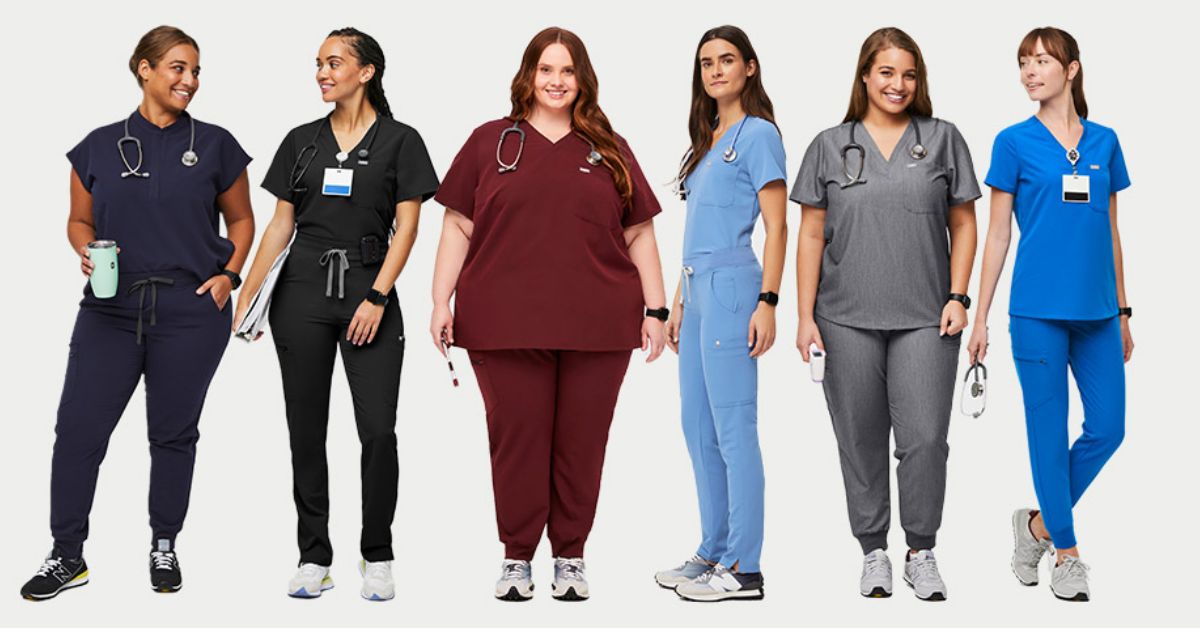
Nursing is an ever-evolving profession, requiring individuals to stay updated not only with healthcare practices but also with the attire and footwear that support them through demanding clinical responsibilities. Long shifts, extended hours standing or walking, exposure to spills, and the need for consistent professionalism combine to make selecting the best nursing shoes and scrubs a crucial aspect of a nurse’s daily routine.
In 2025, a new wave of technological improvements in textiles and footwear design has given nurses more options than ever before. This guide dives deep into the best nursing shoes and scrubs on the market, offering detailed insights into comfort, durability, style, and practicality. Whether you’re a veteran healthcare professional or a student nurse preparing for your first round of clinicals, this guide will help you navigate what’s new and noteworthy in nurse-specific apparel.
In This Article
1. The Importance of Proper Nursing Attire
Nursing is a profession that places demands not just mentally and emotionally but also physically. The role involves near-constant motion—walking, bending, lifting, and sometimes running in emergencies. Nurses typically work in diverse environments, from bright hospital corridors to subdued long-term care facilities. These demands create a unique set of requirements for footwear and scrubs:
- Support and Comfort: Nurses often endure 8 to 12-hour shifts (or longer). In these conditions, wearing unsupportive footwear or ill-fitting scrubs can cause fatigue, joint pain, and even injuries over time. High-quality shoes and ergonomic scrubs help prevent such issues.
- Safety: Hospital floors can become slippery from spills of various fluids, or from polished surfaces. Slip-resistant soles are crucial. Similarly, scrubs that fit well and don’t create tripping or snagging hazards support patient and personal safety.
- Professional Appearance: While many facilities require uniform color coding or standard attire, personal style has found its place in many modern healthcare settings. Scrubs and shoes should reflect professionalism while allowing healthcare workers to express their personality.
- Longevity: Both shoes and scrubs face significant wear and tear, including exposure to disinfectants, bodily fluids, and frequent laundering. Durability and easy-to-maintain materials are crucial considerations to preserve a clean, presentable look over the long term.
Investing time and money in the right nursing shoes and scrubs is more than a matter of fashion. It’s about ensuring that each professional can focus on patient care rather than personal discomfort or the constant need to replace worn-out gear.
2. Key Considerations for Nursing Shoes
Choosing a pair of reliable nursing shoes is a decision that affects a professional’s entire workday. Foot pain or fatigue can hamper concentration, cause lasting foot and back problems, and reduce the efficiency of movements. Thankfully, footwear companies in 2025 have embraced advanced materials and designs to meet nurses’ needs. Here are the top criteria to keep in mind:
- Arch Support: Proper arch support is critical, especially for those with pronation issues or flat feet. Shoes with contoured midsoles distribute body weight evenly and reduce stress on the ankles and knees. Features like built-in orthotics or customizable inserts can provide an extra layer of personalization.
- Shock Absorption: Nurses walk several miles per shift. Shoes with thick, cushioned soles help absorb the repeated impact, reducing pressure on the feet and lower back. Modern foam and gel technologies have made shock absorption more reliable than ever.
- Breathability: Long hours in enclosed environments cause feet to sweat and overheat. Shoes made from breathable yet fluid-resistant materials wick away moisture and ensure comfort. This prevents the growth of odor-causing bacteria and fungus, supporting better foot health.
- Slip Resistance: Safety is paramount in a clinical environment. Slip-resistant outsoles help nurses maintain solid footing on tiled floors that might be wet from cleaning or accidental spills. In 2025, advanced rubber compounds and tread patterns have increased traction significantly, mitigating the risk of falls.
- Ease of Cleaning: Hospital environments can be messy, with the possibility of stains from bodily fluids or disinfectants. Shoes that can be easily wiped down or machine-washed help maintain a clean, professional appearance.
- Lightweight Design: Heavy shoes can make each step more laborious. Lightweight, supportive footwear reduces the energy expenditure of the wearer, keeping them agile throughout the day.
Nurses should always try on shoes later in the day when the feet might be slightly swollen from normal activity. Additionally, consulting a podiatrist for chronic foot pain or specialized conditions can help professionals find the perfect pair.
3. Top Nursing Shoe Picks in 2025
A. Dansko Professional 3.0 Clogs
- Why They Stand Out: Dansko has long been a beloved brand among nurses due to their durable leather, wide toe box, and firm arch support. The “3.0” version improves cushioning in the heel, making each step gentler on joints. Slip-resistant technology remains a strong point, and the new edition also offers improved ventilation.
- Ideal For: Nurses seeking a balance of old-school clog support and updated comfort features; individuals who prefer a roomier fit.
B. Hoka One One Mistral WorkPro
- Why They Stand Out: Known for their thick, plush midsoles, Hoka’s WorkPro line is designed specifically for professionals who are on their feet for extended shifts. The Mistral series boasts advanced foam layers that reduce joint strain. Additionally, a slip-resistant bottom ensures traction, and the upper is treated with fluid-repellent coating.
- Ideal For: Nurses looking for cloud-like cushioning, especially those with foot or knee problems stemming from high-impact walking.
C. Nike Zoom+ RN Healthcare Edition
- Why They Stand Out: Nike’s specialized healthcare line merges running shoe technology with workplace safety standards. The proprietary Zoom Air cushioning provides responsive support, and the outsole uses a rubber compound designed for wet floors. The “RN Healthcare Edition” also comes with water-resistant uppers for easy cleaning.
- Ideal For: Nurses who appreciate athletic-shoe aesthetics and need footwear that transitions well between clinical and everyday environments.
D. Crocs at Work Slip-On Surge
- Why They Stand Out: Traditional Crocs are popular for their slip-on ease, but many healthcare workers desire greater foot security. The “Slip-On Surge” maintains Crocs’ signature easy-to-clean polymer material while adding a more form-fitting design and slip-resistant tread. A contoured footbed provides moderate support.
- Ideal For: Fans of the effortless slip-on approach who need a stable, enclosed design suitable for hospital regulations.
E. On CloudShift Clinic
- Why They Stand Out: This Swiss brand’s hallmark cloud pods are known for delivering a springy, lightweight sensation. The “CloudShift Clinic” version features an enhanced slip-resistant sole. A breathable yet water-repellent membrane ensures dryness. Users frequently praise the even pressure distribution across the foot.
- Ideal For: Those who value extremely light, bouncy shoes and desire a more fashion-forward look without compromising function.
4. Selecting the Perfect Scrubs for Long Shifts
Beyond footwear, scrubs are central to a nurse’s professional life. Whether they come in standard hospital blues or more customizable patterns, they must combine comfort, practicality, and durability. Over the past few years, scrubs have undergone innovations to address nurses’ evolving work requirements. Here’s a breakdown of what to consider in 2025:
- Fabric Composition: Modern scrubs often use blends of cotton, polyester, spandex, or rayon to strike a balance between breathability, stretch, and stain resistance. Look for scrubs that specifically mention moisture-wicking or antimicrobial properties.
- Stretch and Mobility: Traditional scrubs can feel boxy and restrictive. Newer designs include 2-way or 4-way stretch materials, which let nurses move freely when bending, crouching, or lifting patients.
- Pocket Placement: Adequate pocket space can reduce the burden of juggling essential tools—like pens, notepads, gloves, or smartphones. Check for cargo pockets on scrub pants or pen slots on the chest.
- Color/Fashion Options: Many facilities have color-coding rules, but there’s still room for personal flair in subtle patterns or unique stitching details. In 2025, some advanced scrub lines let you choose from a wide palette or even incorporate custom embroidery for a professional personal touch.
- Durability and Washability: Scrubs must hold up to frequent laundering in hot water and exposure to disinfectants. Higher quality materials and reinforced seams help your uniform maintain shape and color after repeated cycles.
- Fit and Sizing: Ill-fitting scrubs affect both appearance and function. Inconsistent sizing across brands is common, so measuring your bust, waist, hips, and inseam is wise before shopping. Some lines offer petite, tall, and plus-size ranges for a more precise fit.
5. Leading Scrub Brands and Their Innovations
A. Cherokee Infinity 2.5
- Notable Features: Cherokee’s Infinity line has always prided itself on 4-way stretch and sweat-wicking technology. The “2.5” iteration includes improved odor-blocking fibers and double-stitched seams for additional durability. With a modern fit and a variety of pockets, these scrubs suit a broad range of body types.
- Why Nurses Love Them: The brand reliably offers consistent sizing and a large color selection. Infinity 2.5 stands out for its sleek design, comfortable fit, and extended wear life, even with daily washing.
B. FIGS ProFlex Hybrid
- Notable Features: FIGS has grown popular among younger nurses due to minimalistic yet stylish designs. The “ProFlex Hybrid” set blends polyester and Lycra for a tailored silhouette. Antimicrobial finishes guard against odors, and pockets are strategically placed. The brand also invests in philanthropic efforts, appealing to socially conscious nurses.
- Why Nurses Love Them: FIGS are recognized for a more fashion-forward approach, with color palettes that deviate from the standard hospital offerings. Despite a premium price tag, many praise the long-lasting comfort and style.
C. Grey’s Anatomy Impact Ultra
- Notable Features: Derived from the success of Grey’s Anatomy scrubs, the “Impact Ultra” range boasts a tri-blend fabric (polyester, rayon, spandex) that’s both silky to the touch and durable. Wrinkle resistance is a significant advantage. Cargo pockets on the pants and zippered pockets on the top offer extra storage.
- Why Nurses Love Them: The line’s softness, combined with a modern fit, helps professionals look polished throughout the shift. The brand is known for an inclusive size range, benefiting nurses of diverse shapes.
D. Jaanuu Performance Streamline
- Notable Features: Jaanuu incorporates runway-inspired aesthetics without sacrificing functionality. The “Performance Streamline” line includes subtle design accents like mesh paneling and curved hemlines, along with 4-way stretch fabric. A fluid-resistant finish helps keep uniforms clean.
- Why Nurses Love Them: Jaanuu positions itself as a “luxury” scrub brand. Nurses seeking a sleek, form-flattering look with top-tier fabric technologies frequently gravitate to this collection. The brand also offers customization and embroidery options.
E. Carhartt Cross-Flex Max
- Notable Features: Carhartt is famous for rugged workwear, and their “Cross-Flex Max” scrubs cater to nurses who value sturdiness. The fabric offers mechanical stretch and sweat-wicking. The pants often have reinforced knees, and pockets are large enough for medical equipment like stethoscopes.
- Why Nurses Love Them: The brand’s heritage in durable attire resonates with professionals who need scrubs that can withstand heavy usage. Despite their tough construction, the Cross-Flex Max line remains relatively lightweight and comfortable.
6. Balancing Style and Professionalism
Healthcare facilities vary widely in their approach to uniforms. Some require solid colors or departmental color codes to distinguish roles; others permit patterns or multiple color options to allow for personal expression. Whether you want to spice up your uniform with fashionable prints or adhere to a strict color palette, the 2025 scrub market has something for everyone.
- Minimalist Aesthetics: Simple designs (like single colors without piping) offer a sleek, understated look that pairs well with multiple sets of footwear or layering pieces, such as jackets and underscrubs.
- Printed Scrubs: Pediatric wards or outpatient clinics sometimes permit or encourage playful prints to comfort patients. Common examples include cartoon characters, uplifting patterns, or seasonal themes.
- Underscrubs and Jackets: Many brands offer matching layers for colder facilities or cooler climates. Lightweight jackets or long-sleeve underscrubs can unify a nurse’s overall look and add warmth without bulk.
- Accessorizing: Badge reels, compression socks, or stethoscope covers present safe ways to showcase individuality while respecting uniform codes. Coordinating shoe and scrub colors can also elevate the look.
Professionals must remain mindful of cleanliness and departmental guidelines. While personal flair can boost morale and identity, it should never compromise sterility or safety procedures
7. Caring for Your Shoes and Scrubs
Once you invest in high-quality nursing shoes and scrubs, proper maintenance is essential to extend their lifespan and maintain a professional appearance. Effective cleaning and care routines not only preserve aesthetics but also uphold healthcare standards by reducing the risk of contamination.
Shoe Care
- Regular Cleaning: Wipe shoes daily with a disinfectant wipe or mild soap and water to remove bodily fluids or chemical spills. Some synthetic materials allow for machine washing—follow the manufacturer’s instructions.
- Air Drying: Excess moisture can degrade materials and lead to unpleasant odors. Let shoes dry thoroughly between shifts. Removing insoles can accelerate drying.
- Replacing Insoles: Customized insoles can flatten over time, losing support. Check them periodically to ensure they remain in good condition, replacing them when they become worn.
- Storage: Keep work shoes separate from personal footwear. Storing them in a ventilated area prevents odor buildup and helps them last longer.
Scrub Care
- Pre-Treat Stains: Quickly address any stains (like blood, betadine, or food spills). A dedicated stain remover or simple hydrogen peroxide dab can minimize discoloration.
- Proper Washing: Most scrubs withstand hot water to ensure sanitary cleaning. However, always check fabric care labels to avoid shrinking or fading. Some advanced scrub blends may recommend warm or cold cycles.
- Avoid Overdrying: High-heat drying cycles can degrade fabric elasticity and cause fading. If possible, tumble dry on a low setting or line-dry to maintain color vibrancy.
- Iron or Steam: Use the lowest heat setting needed to remove wrinkles, especially for scrubs with synthetic fibers that can melt or warp under high temperatures. Modern scrub materials sometimes come out of the dryer nearly wrinkle-free.
- Rotate Scrub Sets: Having multiple sets allows each to rest, reducing repetitive stress on the fabric. This rotation strategy helps maintain a fresher wardrobe overall.
Regularly inspected, well-maintained items keep you looking polished and feeling confident, reflecting the professionalism of your nursing practice.
8. Ergonomics: Beyond Shoes and Scrubs
While footwear and uniforms form the core of a nurse’s attire, other accessories can play a critical role in occupational health:
- Compression Socks: These improve blood circulation in the lower legs and feet, helping reduce swelling, fatigue, and varicose vein risks. They pair well with supportive shoes for total foot and leg comfort.
- Back Support Belts: Nurses doing heavy lifting, such as in ICU or surgical wards, sometimes benefit from wearing discreet support belts. These can reduce strain on the lower back.
- Wrist Braces or Support: Chronic repetitive motions like charting or administering IV lines can strain wrists. Lightweight, flexible wrist supports help mitigate potential carpal tunnel syndrome.
Incorporating an ergonomic approach to nursing means caring not only for patients but also for one’s musculoskeletal well-being. The synergy between correct footwear, supportive uniforms, and targeted accessories creates a holistic foundation for occupational health.
9. Budget-Friendly Options and Discount Tips
High-quality nursing gear doesn’t have to break the bank. Even premium brands frequently offer sales, or you can explore online platforms for clearance items. Here are some tips for budget-conscious nurses:
- Seasonal Sales: Look for sales around major holidays or end-of-season clearances. Some brands release new designs annually, marking older models at reduced prices.
- Student Discounts: Many retailers have special rates for nursing students. Don’t hesitate to ask or search for coupon codes if you’re studying or recently graduated.
- Group Buys: If you have a group of colleagues or classmates, consider placing a bulk order. Sometimes, manufacturers or retailers offer discounts on large volume purchases.
- Online Thrift or Secondhand Platforms: Some nurses occasionally sell lightly used scrubs or shoes that didn’t fit them. You can find near-new items at steep discounts, although verifying cleanliness and condition remains essential.
- Reward Programs: Many brand websites have loyalty programs offering points with each purchase. Accumulated points can convert to discounts on future purchases of shoes or scrubs.
By combining these strategies with a selective eye for product features, you can build a robust nursing wardrobe without draining your wallet.
Must Read:
10. Final Thoughts: Prioritizing Your Well-Being as a Nurse
Nursing is a challenging profession that demands empathy, knowledge, and physical endurance. Equipping yourself with the best nursing shoes and scrubs for long shifts is more than a superficial choice; it impacts your comfort, reduces injury risk, and showcases your dedication to professionalism. The year 2025 brings a wealth of innovations in fabric and footwear technologies, ensuring that nurses can find options tailored to their specific needs and preferences.
When selecting your attire, remember the importance of arch support, slip resistance, stretch fabric, ample pocket storage, and easy-care materials. Try on different brands, seek peer recommendations, and remain mindful of your workplace’s dress code. Keep in mind that these purchases are investments in your health and efficacy. With the proper gear, you’ll concentrate better on patient care where your skill and compassion make a life-saving difference daily.
As healthcare continues to evolve, so too will the range of available nurse-centric products. Keep an eye on the market for new releases that enhance comfort and safety even further. Ultimately, combining high-quality shoes and scrubs with mindful self-care routines adequate rest, hydration, balanced nutrition ensures you can thrive in a profession that demands the best from you. Your choice in nursing shoes and scrubs becomes one of many ways you honor both yourself and the patients who rely on your expertise.