

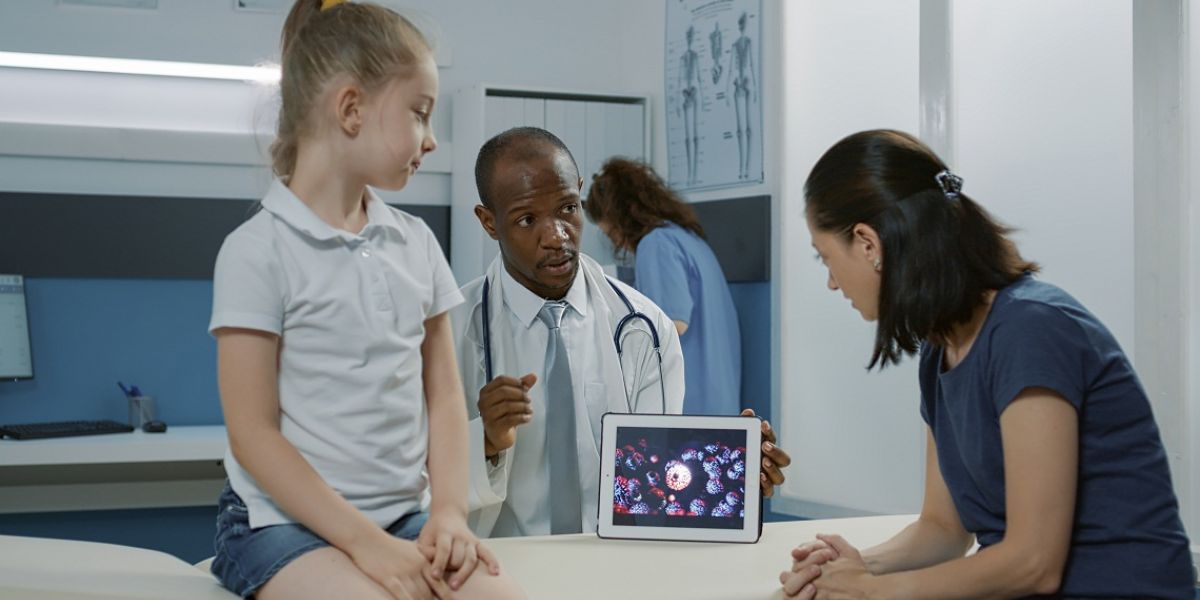
Healthcare is moving at a pace that few expected even a decade ago. In 2026, the role of a nurse is no longer limited to bedside care. It now includes working with advanced technologies, managing digital systems, and making data-driven decisions. The modern nurse is a blend of caregiver, communicator, and tech-enabled professional.
Hospitals, clinics, and even home care settings are rapidly adopting digital tools to improve efficiency and patient outcomes. This shift is not optional. It is driven by increasing patient loads, a shortage of healthcare professionals, and the demand for faster, more accurate care. As a result, nurses who understand technology are more valuable, more efficient, and better prepared for the future.
If you are a nurse or planning to enter the nursing field, learning the right Top Nursing Technologies is one of the smartest moves you can make. This guide breaks down the most important nursing technologies you should focus on in 2026 and beyond.
In This Article
The Growing Importance of Technology in Nursing
Before jumping into specific tools, it is important to understand why technology matters so much in nursing today.
Healthcare systems are becoming more complex. Patients often have multiple conditions that require constant monitoring. Manual processes are no longer enough to handle this level of complexity. Technology helps by simplifying workflows, reducing errors, and improving communication between healthcare teams.
For nurses, this means:
- Less time on paperwork
- More time with patients
- Better clinical decisions
- Reduced stress and burnout
Technology is not replacing nurses. It is strengthening their ability to provide high-quality care.
1. Artificial Intelligence (AI) in Nursing
Artificial Intelligence is one of the most powerful technologies transforming healthcare in 2026. It allows machines to analyse large amounts of data and provide useful insights in seconds.
How AI Is Used in Nursing
AI tools support nurses in many practical ways:
- Analysing patient data quickly
- Identifying early warning signs
- Suggesting treatment options
- Automating routine tasks
For example, AI systems can alert nurses if a patient’s condition is likely to worsen, even before visible symptoms appear.
Benefits for Nurses
- Saves time on repetitive tasks
- Improves accuracy in decision-making
- Enhances patient safety
- Reduces workload
Skills Nurses Should Learn
- Basic understanding of AI systems
- Interpreting AI-generated insights
- Using AI-powered tools in daily workflow
AI is not about coding. It is about understanding how to use intelligent systems effectively.
2. Telehealth and Virtual Care
Telehealth has become a normal part of healthcare delivery. It allows nurses to provide care remotely using digital communication tools.
Common Telehealth Uses
- Video consultations
- Remote patient monitoring
- Follow-up appointments
- Chronic disease management
Why It Matters
Patients today prefer convenience. Many would rather consult a nurse from home than visit a hospital for minor issues.
Benefits for Nurses
- Flexibility in work
- Ability to reach more patients
- Reduced hospital crowding
- Improved patient satisfaction
Skills to Learn
- Using telehealth platforms
- Communicating effectively online
- Managing remote patient data
Telehealth is especially useful in rural areas where access to healthcare is limited.
3. Electronic Health Records (EHR)
Electronic Health Records are the foundation of digital healthcare systems. Nurses use them every day to document patient information.
What EHR Systems Do
- Store patient history
- Track medications
- Record vital signs
- Share data across departments
Why EHR Skills Are Essential
Accurate documentation is critical in healthcare. EHR systems ensure that all patient data is organised and accessible.
Benefits
- Reduces medical errors
- Improves coordination
- Saves time
- Enhances patient safety
Skills to Focus On
- Fast and accurate data entry
- Understanding medical coding basics
- Maintaining data privacy
Every nurse must be comfortable working with EHR systems in 2026.
4. Wearable Health Technology
Wearable devices are changing how patients are monitored. These devices collect real-time health data and send it directly to healthcare providers.
Examples of Wearables
- Smartwatches
- Heart rate monitors
- Blood pressure sensors
- Glucose monitoring devices
How Nurses Use Wearables
- Track patient health continuously
- Detect early signs of illness
- Monitor chronic conditions
Benefits
- Real-time data
- Early intervention
- Improved patient outcomes
Skills to Learn
- Interpreting wearable data
- Integrating data into care plans
- Monitoring trends over time
Wearable technology allows nurses to move from reactive care to proactive care.
5. Robotics in Nursing
Robots are slowly becoming part of healthcare environments. They assist with tasks that are repetitive or physically demanding.
Common Uses of Robots
- Delivering medicines
- Transporting supplies
- Assisting with lifting patients
- Cleaning and sanitising rooms
Benefits for Nurses
- Reduces physical strain
- Saves time
- Improves efficiency
Skills Needed
- Operating robotic systems
- Understanding safety protocols
- Working alongside automation
Robotics does not replace human care. It supports nurses by handling heavy and routine tasks.
6. Predictive Analytics and Big Data
Predictive analytics uses data to forecast future health outcomes. It helps nurses make better decisions before problems arise.
How It Works
Systems analyse patient data such as:
- Medical history
- Vital signs
- Lab results
They then predict risks like:
- Disease progression
- Readmission chances
- Complications
Benefits
- Early detection of issues
- Better care planning
- Reduced emergencies
Skills to Learn
- Understanding data trends
- Using analytics dashboards
- Applying insights in care decisions
This technology shifts healthcare from reactive to preventive.
7. Mobile Health (mHealth) Apps
Mobile health apps are widely used in modern healthcare. Nurses use them to stay connected with patients and manage care efficiently.
Common Uses
- Medication reminders
- Health tracking
- Patient education
- Appointment scheduling
Benefits
- Easy communication
- Better patient engagement
- Improved compliance
Skills to Learn
- Using healthcare apps
- Guiding patients on app usage
- Monitoring patient data
Mobile health is making healthcare more accessible and personalised.
8. Virtual Reality (VR) and Augmented Reality (AR)
VR and AR are not just for gaming. They are powerful tools in healthcare training and patient care.
Uses in Nursing
- Simulation-based training
- Pain management therapy
- Mental health treatment
Benefits
- Safe learning environment
- Better skill development
- Improved patient experience
Skills to Learn
- Using VR training systems
- Applying AR tools in procedures
- Understanding immersive care techniques
These technologies are especially useful in nursing education.
9. Internet of Medical Things (IoMT)
The Internet of Medical Things connects medical devices through the internet. This allows real-time data sharing across systems.
Examples
- Smart monitors
- Connected IV pumps
- Automated alert systems
Benefits
- Faster response times
- Improved patient monitoring
- Better communication
Skills to Learn
- Managing connected devices
- Understanding system alerts
- Ensuring data security
IoMT creates a smart healthcare environment where everything works together.
10. Nursing Informatics
Nursing informatics combines healthcare knowledge with technology and data management.
What It Involves
- Managing healthcare data
- Improving system efficiency
- Supporting clinical decisions
Benefits
- Better healthcare systems
- Improved patient outcomes
- Efficient workflows
Skills to Learn
- Data analysis
- System management
- Technology integration
Nursing informatics is one of the fastest-growing fields in healthcare.
11. Automation and Smart Documentation
Documentation is one of the most time-consuming tasks for nurses. Automation tools are helping reduce this burden.
Features
- Voice-to-text notes
- Automated charting
- Smart templates
Benefits
- Saves time
- Reduces errors
- Improves efficiency
Skills to Learn
- Using voice recognition tools
- Managing automated systems
- Reviewing generated reports
Automation allows nurses to focus more on patient care instead of paperwork.
12. Cloud Computing in Healthcare
Cloud technology allows data to be stored and accessed securely from anywhere.
Uses
- Patient record storage
- Remote access to data
- Collaboration between teams
Benefits
- Easy access to information
- Improved data security
- Better coordination
Skills to Learn
- Using cloud platforms
- Understanding data security
- Managing digital records
Cloud computing is essential for modern healthcare systems.
Challenges Nurses May Face with Technology
While technology brings many benefits, it also comes with challenges.
Common Challenges
- Learning new systems
- Technical issues
- Data security concerns
- Resistance to change
How to Overcome Them
- Continuous learning
- Hands-on practice
- Training programmes
- Staying updated
Adapting to technology is a process, not a one-time effort.
Future Trends in Nursing Technology
Looking ahead, nursing technology will continue to evolve.
Key Trends
- More advanced AI systems
- Personalised healthcare
- Increased automation
- Expansion of remote care
Nurses who stay updated will have better career opportunities and job security.
Why Learning These Technologies Matters
Learning modern nursing technologies is not just about career growth. It is about providing better care.
Key Reasons
- Improves patient outcomes
- Reduces workload
- Enhances efficiency
- Increases job opportunities
Technology is becoming a core skill in nursing, just like clinical knowledge.
Must Read:
- How AI is Transforming Nursing Jobs in 2026 Complete Guide
- Nurse Burnout Crisis 2026: Causes, Solutions & Real Stories
- RN vs BSN vs MSN: Which Nursing Degree is Best in 2026?
Conclusion:
Nursing in 2026 is very different from what it was in the past. Technology is now a central part of patient care, and nurses must adapt to stay relevant.
From Artificial Intelligence and telehealth to wearable devices and robotics, each technology plays a role in improving healthcare delivery. These tools are not replacing nurses. They are making nurses more powerful, more efficient, and more capable.
If you want to succeed in modern healthcare, focus on learning these technologies step by step. Start with the basics, practise regularly, and stay updated with new developments. The more comfortable you become with technology, the more confident you will be in your role.
The future of nursing belongs to those who are willing to learn, adapt, and grow.