
Nurses are among the most important professionals in healthcare. They are often the first people patients meet and the last people they see before discharge. They provide medical care, emotional support, education, coordination, and advocacy. Yet many people still ask an important question: What do nurses really do?
The answer is simple and complex at the same time. Nurses do far more than many people realize. Their responsibilities extend beyond taking vital signs or following physician instructions. Nurses are highly trained clinical professionals who assess patients, develop care plans, administer treatments, monitor progress, prevent complications, educate families, and lead healthcare teams.
Whether working in hospitals, clinics, schools, homes, or community settings, nurses are essential to patient safety and positive outcomes.
This guide explains the real roles and responsibilities of nurses, the skills they need, and why nursing remains one of the most respected and valuable professions in the world.
In This Article
Why Nurses Matter in Healthcare
Healthcare systems depend on nurses. They are the largest segment of the healthcare workforce globally and spend more direct time with patients than most other professionals.
Nurses matter because they:
- Monitor patients continuously
- Identify health changes early
- Prevent complications
- Coordinate care between departments
- Provide education and emotional support
- Improve recovery outcomes
- Promote public health and prevention
In many settings, nurses are the professionals who keep care organized, safe, and compassionate.
The Core Role of a Nurse
At the heart of nursing is patient-centered care. Nurses are dedicated to helping people maintain health, recover from illness, manage chronic conditions, and cope with serious or life-changing diagnoses. Their work goes far beyond routine medical tasks. Nurses provide continuous support that addresses both physical and emotional needs.
A nurse’s core role begins with assessing health status. They observe symptoms, monitor vital signs, evaluate pain levels, and identify changes in a patient’s condition. This early assessment often helps prevent complications and ensures timely treatment.
Nurses also plan and deliver care based on each patient’s unique needs. They administer medications, perform treatments, assist with procedures, and ensure that care plans are followed accurately. Throughout the recovery process, nurses closely monitor progress and report any concerns to the healthcare team.
Education is another major part of nursing. Nurses teach patients and families about diagnoses, medications, lifestyle changes, and recovery steps. This guidance helps patients feel informed and confident in managing their health.
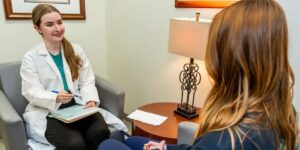
Equally important is emotional support. Nurses comfort patients during stressful moments, listen to concerns, and provide reassurance when fear or uncertainty is present.skill, communication, and empathy.
Assessing Patients and Monitoring Health
One of the most important nursing responsibilities is patient assessment.
Nurses regularly evaluate:
- Vital signs such as blood pressure, pulse, temperature, and oxygen levels
- Pain levels
- Mental status
- Breathing patterns
- Skin condition
- Mobility
- Nutrition and hydration
- Response to treatment
These assessments help detect problems early.
For example, a nurse may notice subtle confusion in a patient, changes in breathing, or reduced urine output. Early recognition can prevent serious complications.
Nurses are often the first to recognize when a patient is getting worse or improving.
Administering Medications Safely
Medication administration is a major nursing responsibility. Nurses ensure that medications are given correctly, safely, and on time.
This includes:
- Checking physician orders
- Confirming patient identity
- Verifying allergies
- Calculating dosages
- Administering oral, injectable, or IV medications
- Monitoring side effects
- Educating patients about medications
Medication errors can be dangerous. Nurses follow strict safety protocols to reduce risk and protect patients.
They also watch how medications affect the patient and report concerns quickly.
Coordinating Patient Care
Modern healthcare involves many professionals working together to meet a patient’s needs. A single patient may require care from physicians, therapists, pharmacists, dietitians, social workers, and medical specialists. With so many people involved, clear communication and proper coordination are essential.
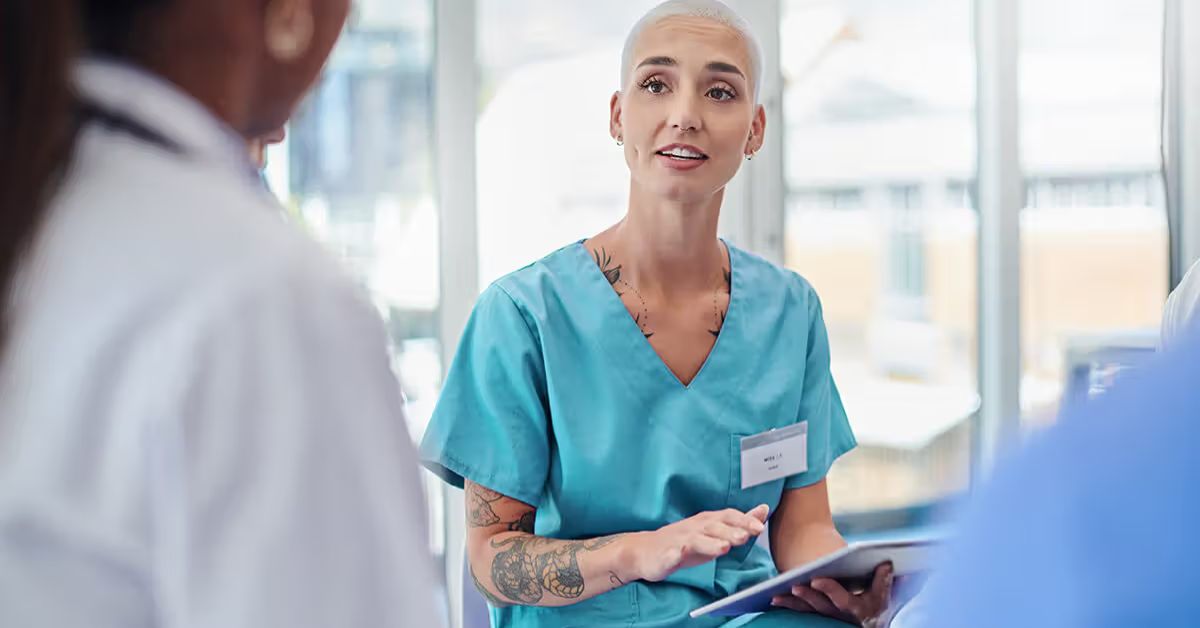
Nurses often serve as the central link between all members of the healthcare team. Because they spend the most time with patients, nurses are usually the first to notice changes in symptoms, pain levels, or overall condition. They quickly update providers so treatment decisions can be adjusted when needed.
Nurses also help arrange tests and procedures, making sure patients are prepared and schedules stay on track. They coordinate discharge plans by reviewing medications, home care instructions, equipment needs, and recovery steps before a patient leaves the facility.
Another important responsibility is ensuring follow-up appointments are scheduled so patients continue receiving the care they need after discharge. Nurses also communicate care goals to the team, helping everyone stay aligned on priorities and treatment progress.
Because nurses stay close to the patient throughout the day, they often become the key professional who keeps treatment organized, efficient, and patient-centered.
Educating Patients and Families
Patient education is one of the most valuable nursing duties.
Nurses help patients understand:
- Their diagnosis
- Treatment options
- Medication instructions
- Wound care
- Lifestyle changes
- Chronic disease management
- Recovery expectations
- Warning signs that require medical help
For example, a nurse may teach a diabetic patient how to monitor blood sugar or explain how to care for a surgical incision at home.
Good education improves outcomes, reduces hospital readmissions, and gives patients confidence.
Providing Emotional Support
Illness can create fear, uncertainty, pain, and stress. Nurses often provide emotional reassurance during difficult moments.
They support patients who may be:
- Receiving a serious diagnosis
- Recovering from surgery
- Facing chronic illness
- Coping with pain
- Feeling anxious about treatment
- Experiencing end-of-life care
Nurses listen, comfort, explain, and advocate. Their presence can reduce fear and help patients feel seen and supported.
This emotional care is a major part of what nurses really do.
Advocating for Patients
Nurses are strong patient advocates and play an essential role in protecting the rights, dignity, preferences, and safety of every person in their care. Advocacy means making sure patients are heard, respected, and supported throughout their healthcare journey.
One important part of advocacy is speaking up when something seems unsafe. If a treatment plan, medication order, or procedure raises concerns, nurses take action to protect the patient. They also help ensure informed consent is truly understood by explaining procedures, answering questions, and confirming that patients have the information needed to make decisions.
Nurses respect cultural beliefs and personal values, helping care plans reflect each patient’s background and preferences. They also protect privacy by maintaining confidentiality and ensuring sensitive information is handled appropriately.
Another key responsibility is communicating patient wishes to the healthcare team. Whether related to treatment choices, comfort needs, or end-of-life decisions, nurses help ensure the patient’s voice remains central.ated with respect and that their voices are heard.
Preventing Complications
A large part of nursing involves prevention.
Nurses work every day to prevent:
- Falls
- Pressure ulcers
- Infections
- Medication errors
- Blood clots
- Dehydration
- Malnutrition
- Readmissions
They reposition patients, encourage mobility, monitor wounds, maintain hygiene standards, and assess risks before problems happen.
Preventive nursing care saves lives and reduces healthcare costs.
Responding in Emergencies
Nurses are trained to act quickly and effectively during medical emergencies. In fast-changing situations, their rapid response can make the difference between recovery and serious complications. Nurses are often the first healthcare professionals to recognize that a patient is in distress and begin immediate action.
They may respond to critical events such as cardiac arrest, breathing distress, severe bleeding, sepsis, stroke symptoms, allergic reactions, or sudden confusion and collapse. Because nurses continuously monitor patients, they are well positioned to notice early warning signs before a crisis worsens.
In emergencies, nurses quickly assess the situation, check vital signs, secure airways when needed, begin lifesaving interventions, and alert the medical team. They may start CPR, provide oxygen, control bleeding, administer emergency medications, or prepare equipment for advanced treatment.
Just as important is their ability to stay calm under pressure. Nurses must think clearly, prioritize tasks, communicate efficiently, and reassure patients and families during stressful moments.
Their training, clinical judgment, and composure help stabilize patients while the full care team responds. In every emergency setting, nurses play a vital role in protecting life and improving outcomes.alm and act fast is critical.
Documenting Care Accurately
Documentation is an essential nursing responsibility.
Nurses record:
- Assessments
- Vital signs
- Medications given
- Procedures performed
- Patient responses
- Education provided
- Safety concerns
- Care plans
Accurate documentation supports communication, legal standards, billing, and continuity of care.
Though often unseen by the public, charting is a vital part of nursing work.
Supporting Recovery After Surgery
Postoperative care is another key nursing role.
After surgery, nurses monitor:
- Pain levels
- Bleeding
- Infection signs
- Breathing status
- Mobility
- Nausea
- Wound healing
They encourage walking, manage pain medication, teach recovery steps, and identify complications early.
Nurses help patients recover safely and comfortably after procedures.
Caring for Chronic Conditions
Millions of people live with chronic health conditions such as diabetes, heart disease, COPD, asthma, kidney disease, arthritis, and hypertension. These illnesses often require ongoing treatment, regular monitoring, and long-term lifestyle adjustments. Nurses play a vital role in helping patients manage these conditions effectively and maintain the best possible quality of life.
Nurses support chronic care through patient education, symptom monitoring, medication management, and lifestyle coaching. They teach patients how to track blood sugar, monitor blood pressure, use inhalers correctly, follow treatment plans, and recognize warning signs that require medical attention.
They also help patients understand the importance of nutrition, exercise, stress management, and follow-up care. By providing practical guidance, nurses empower individuals to take greater control of their health.
Another important part of chronic disease care is building trust over time. Nurses often develop lasting relationships with patients and families through regular visits, check-ins, and ongoing support. These connections improve communication and encourage better treatment adherence.
Through compassion, consistency, and clinical expertise, nurses help people manage chronic conditions more confidently while reducing complications and hospitalizations.hips with patients and families over time.
Specialized Nursing Roles
Not all nurses do the same job. Nursing includes many specialties.
Examples include:
- Emergency room nurses
- Intensive care nurses
- Pediatric nurses
- Neonatal nurses
- Oncology nurses
- Surgical nurses
- Cardiac nurses
- Mental health nurses
- Community health nurses
- School nurses
- Home health nurses
Each specialty requires advanced knowledge and specific skills.
What Hospital Nurses Really Do
Hospital nurses often manage multiple patients with different needs.
Their day may include:
- Assessing patients
- Giving medications
- Managing IV lines
- Coordinating tests
- Communicating with physicians
- Assisting with hygiene and mobility
- Updating families
- Responding to emergencies
- Preparing patients for discharge
Hospital nursing is fast-paced, physically demanding, and highly skilled.
What Community and Public Health Nurses Do
Not all nurses work in hospitals.
Community nurses focus on prevention and wellness. They may work in schools, clinics, homes, or public health programs.
They help with:
- Vaccinations
- Health screenings
- Maternal care
- Chronic disease education
- Home visits
- Mental health support
- Community outreach
These nurses improve health before serious illness develops.
What Nurse Practitioners Do
Nurse practitioners are advanced practice nurses who have completed additional education and clinical training beyond registered nursing. They hold expanded clinical authority and play an important role in delivering high-quality healthcare across many settings. Depending on local laws and regulations, nurse practitioners may work independently or in collaboration with physicians.
Their responsibilities often include diagnosing illnesses, ordering and interpreting tests, prescribing medications, and creating treatment plans. They also manage chronic diseases such as diabetes, hypertension, asthma, and heart disease through regular monitoring and preventive care.
Many nurse practitioners provide primary care, helping patients with routine checkups, vaccinations, health screenings, and common medical concerns. Others choose specialized fields such as family practice, pediatrics, psychiatric mental health, women’s health, geriatrics, or acute care.
Nurse practitioners are known for combining advanced nursing care with medical management. They often take a holistic approach by considering physical health, emotional well-being, lifestyle habits, and patient education during treatment.
Because of their broad skill set and patient-centered approach, nurse practitioners improve access to care, especially in underserved communities where healthcare providers may be limited. They are a valuable part of the modern healthcare system.ing care with medical management.
Skills Every Great Nurse Needs
Nursing requires a wide range of skills.
Top nursing skills include:
- Communication
- Critical thinking
- Compassion
- Time management
- Attention to detail
- Problem-solving
- Emotional resilience
- Teamwork
- Adaptability
- Clinical competence
Strong nurses combine technical expertise with human connection.
Challenges Nurses Face
Nursing is rewarding, but it is also demanding.
Common challenges include:
- Long shifts
- Emotional stress
- High patient loads
- Staffing shortages
- Physical fatigue
- Exposure to illness
- Complex family dynamics
- Fast decision-making under pressure
Despite these challenges, nurses continue to serve with dedication.
Why Nursing Is More Than a Job
For many professionals, nursing is far more than a source of income or a career title. It is a mission centered on helping others during some of the most important and vulnerable moments of life. Nursing requires skill, dedication, compassion, and a deep commitment to serving people when they need support the most.
Nurses often witness life’s most intense experiences. They are present during birth, helping welcome new life into the world. They guide patients through recovery after illness or surgery. They respond during trauma and medical emergencies when every second matters. They support individuals living with chronic illness and encourage them through long-term challenges. They celebrate healing and progress with patients and families.
Nurses are also there during moments of grief and loss. They comfort families, protect dignity, and provide compassionate care during end-of-life situations. Their presence during these deeply personal times is something many patients and families never forget.
That level of impact makes nursing more than a job. It is a profession built on trust, human connection, and service. Every shift offers an opportunity to ease suffering, restore hope, and make a meaningful difference in someone’s life.makes nursing one of the most meaningful professions.
Common Myths About Nurses
Many people underestimate the responsibilities and expertise required in nursing. Because nurses are often seen in supportive roles, common misconceptions continue to exist about what they really do. In reality, nursing is a highly skilled profession that requires education, clinical judgment, leadership, and compassion. Understanding the truth behind these myths helps highlight the true value nurses bring to healthcare.
Reality: Nurses Use Independent Clinical Judgment Constantly
One of the most common myths is that nurses simply follow instructions from doctors. In truth, nurses make independent decisions throughout every shift. They assess patient conditions, monitor symptoms, recognize emergencies, prioritize care, and respond quickly when changes occur. Nurses often notice subtle warning signs before anyone else and take immediate action. Their clinical judgment plays a major role in patient safety and recovery.
Reality: Nurses Work in Many Professional Roles
Many people think nursing only happens at the bedside in hospitals. While bedside care is an important part of nursing, it is only one area of the profession. Nurses also work in research, education, administration, public health, case management, informatics, leadership, and healthcare policy. Some nurses teach future healthcare workers, while others improve hospital systems or shape public health programs. Nursing offers many career paths beyond direct patient care.
Reality: Nursing Responsibilities Are Much Broader
Taking blood pressure, temperature, and pulse is only a small part of nursing work. Nurses perform detailed patient assessments, administer medications, manage treatments, educate families, coordinate care plans, prevent complications, and respond during emergencies. They help patients understand diagnoses, prepare for discharge, and manage chronic illnesses. Their responsibilities are broad, complex, and essential to quality healthcare.
Reality: Nursing Requires Extensive Training and Skill
Another common myth is that nursing is simple work that anyone can do. In reality, nursing requires formal education, clinical experience, licensing exams, and ongoing professional development. Nurses must understand anatomy, pharmacology, infection control, patient safety, communication, and critical thinking. They often make decisions under pressure while managing multiple patients at once.
Nursing is a respected profession built on expertise, responsibility, and compassion. The more people understand what nurses truly do, the more appreciation they gain for the critical role nurses play every day.
How Nurses Improve Patient Outcomes
Research consistently shows that nursing care improves outcomes.
Strong nursing teams are linked to:
- Lower mortality rates
- Fewer infections
- Shorter hospital stays
- Better medication safety
- Reduced readmissions
- Higher patient satisfaction
Nurses are essential to healthcare quality.
The Future of Nursing
Healthcare is changing, and nursing is evolving with it.
Future nursing trends include:
- Telehealth care delivery
- Greater use of healthcare technology
- Expanded advanced practice roles
- Focus on preventive care
- Data-driven patient management
- Increased leadership opportunities
Nurses will continue to lead innovation while maintaining compassionate care.
Why Patients Trust Nurses
Nurses consistently rank among the most trusted professionals.
Patients trust nurses because they:
- Spend time listening
- Explain clearly
- Show compassion
- Protect dignity
- Advocate honestly
- Provide dependable care
Trust is powerful in healing. Nurses build that trust every day.
Must Read:
- How Nurse Innovators Are Changing Healthcare in 2026
- Nursing Shortage 2026: Why Hospitals Are Struggling & What It Means
- Top Nursing Technologies Every Nurse Must Learn in 2026
Final Thoughts:
So, what do nurses really do?
They assess, treat, educate, coordinate, comfort, advocate, document, prevent complications, respond to emergencies, and guide recovery. They combine science with compassion and technical skill with human understanding.
Nurses are not just helpers in healthcare. They are leaders, decision-makers, protectors, and healers.Whether in hospitals, homes, schools, clinics, or communities, nurses make healthcare safer, stronger, and more compassionate. The next time someone asks what nurses really do, the honest answer is simple: They do what healthcare cannot function without.