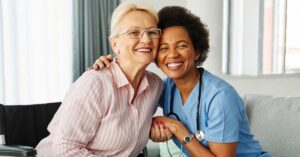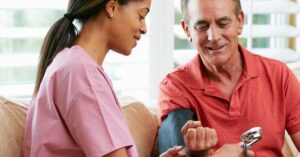

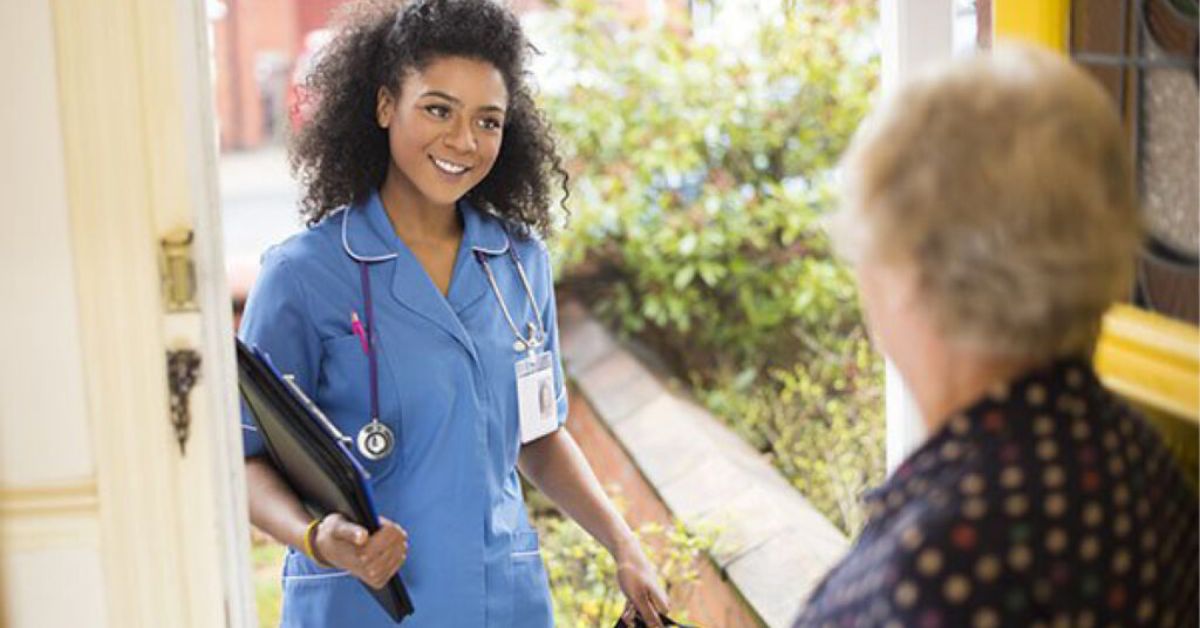
Community nursing is one of the most important yet often misunderstood branches of healthcare. While hospital-based care gets most of the attention, a huge part of healthcare actually happens outside hospital walls. That’s where community nurses step in. They work directly with individuals, families, and entire populations to improve health outcomes, prevent diseases, and provide continuous care.
If you are considering a career in nursing or want to understand how healthcare reaches people at the grassroots level, this guide will walk you through everything. From roles and responsibilities to salary, skills, and career growth, you’ll get a complete and practical understanding of community nursing.
In This Article
What is Community Nursing?
Community nursing is a specialized field of nursing that focuses on delivering healthcare services outside hospitals, mainly within communities. Instead of treating patients only after they fall sick, community nurses emphasize prevention, education, and long-term health management.
They work in places like:
- Homes
- Schools
- Rural clinics
- Community health centers
- NGOs and public health programs
The goal is simple but powerful: improve the overall health of a population by making healthcare accessible and proactive.
Why Community Nursing Matters
Healthcare systems are moving toward prevention, and community nursing is at the center of this change. Instead of waiting for illness to occur, community nurses focus on keeping people healthy through education and early intervention.
Prevents Disease Before It Starts
One of the strongest impacts of community nursing is disease prevention. Community nurses educate people about hygiene, nutrition, vaccinations, and healthy lifestyle habits. This awareness helps reduce the spread of infections and lowers the risk of chronic diseases like diabetes and heart conditions.
Reduces Hospital Burden
Community nursing helps decrease unnecessary hospital visits. By identifying health problems early and managing them effectively, community nurses prevent complications. This reduces hospital admissions and allows healthcare facilities to focus on serious and emergency cases.
Improves Access to Healthcare
Access to healthcare is a major challenge in rural and underserved areas. Community nursing ensures that medical services reach these populations. Community nurses often serve as the first point of contact, providing basic care, guidance, and referrals when needed.
Supports Long-Term Care
Patients with chronic conditions require continuous monitoring and support. Community nursing plays a key role in managing diseases like diabetes and hypertension. Nurses help patients follow treatment plans, monitor their health, and make necessary lifestyle changes.
Strengthens Public Health Awareness
Another important benefit of community nursing is spreading health awareness. Community nurses educate people about sanitation, mental health, maternal care, and disease prevention, helping create healthier communities overall.
Builds Trust Between Healthcare Systems and Communities
Community nursing helps build strong relationships between healthcare providers and the public. Regular interaction and personalized care create trust, making people more likely to seek medical help when needed.
Promotes Cost-Effective Healthcare
Preventive care through community nursing reduces the need for expensive treatments and hospital stays. This makes healthcare more affordable for individuals and reduces the financial burden on healthcare systems.
Roles and Responsibilities of a Community Nurse
Community nursing is not limited to one specific task. It is a dynamic role that combines clinical skills, education, and public health awareness.
1. Health Assessment
Community nurses regularly assess individuals and groups to identify health risks.
They:
- Monitor vital signs
- Identify early symptoms of illness
- Evaluate living conditions and environmental risks
2. Health Education
One of their biggest responsibilities is educating people.
They teach:
- Proper hygiene practices
- Nutrition and diet planning
- Disease prevention methods
- Maternal and child health care
Education helps people take control of their own health.
3. Disease Prevention
Community nurses focus heavily on preventive care.
They:
- Conduct vaccination programs
- Promote sanitation and clean water practices
- Spread awareness about infectious diseases
4. Home Care Services
They visit patients at home, especially those who:
- Are elderly
- Have chronic conditions
- Are recovering from surgery
They provide:
- Wound care
- Medication management
- Mobility assistance
5. Maternal and Child Health Care
Community nurses play a major role in:
- Prenatal care
- Postnatal support
- Child immunization programs
6. Chronic Disease Management
Conditions like diabetes, hypertension, and asthma require ongoing care.
Community nurses:
- Monitor patient progress
- Educate patients on lifestyle changes
- Ensure medication adherence
7. Mental Health Support
Mental health is often overlooked in communities.
Community nurses:
- Identify early signs of depression or anxiety
- Provide counseling support
- Refer patients to specialists when needed
8. Emergency Response
In rural or underserved areas, community nurses may be the first responders during:
- Accidents
- Outbreaks
- Natural disasters
Types of Community Nursing Roles
Community nursing offers a wide range of career paths, and each role focuses on a specific group or healthcare need. These roles allow nurses to work in different environments while making a direct impact on public health.
Public Health Nurse
A public health nurse works on improving the health of entire communities rather than focusing on individual patients. They are involved in large-scale programs such as vaccination drives, disease prevention campaigns, and health awareness initiatives. They often work with government bodies and health organizations to control the spread of diseases and promote healthy lifestyles.
School Nurse
A school nurse provides healthcare services within educational institutions. Their main responsibility is to ensure the health and safety of students. They handle minor injuries, monitor ongoing health conditions, and promote healthy habits such as hygiene and proper nutrition. They also play a key role in identifying early health issues among children.
Home Health Nurse
A home health nurse delivers medical care to patients in their own homes. This role is especially important for elderly individuals, disabled patients, or those recovering from surgery. They provide services such as medication management, wound care, and monitoring of vital signs. This type of care helps patients stay comfortable while receiving professional medical support.
Occupational Health Nurse
An occupational health nurse focuses on maintaining health and safety in the workplace. They assess potential health risks, manage work-related injuries, and promote wellness programs for employees. Their goal is to create a safe and healthy work environment while reducing occupational hazards.
Rural Health Nurse
A rural health nurse works in villages and remote areas where healthcare facilities are limited. They often serve as the first point of contact for medical care. Their responsibilities include basic treatment, health education, maternal and child care, and disease prevention. Their role is crucial in improving healthcare access in underserved regions.
Community Mental Health Nurse
A community mental health nurse supports individuals dealing with mental health issues. They provide counseling, assess mental health conditions, and guide patients and families toward proper treatment. They also work to spread awareness and reduce stigma around mental health in the community.
Each of these roles plays an important part in strengthening healthcare systems. Community nursing continues to expand as the demand for preventive care and accessible healthcare grows..
Skills Required for Community Nursing
Community nursing requires a balanced combination of clinical expertise and strong interpersonal abilities. Since nurses work directly with individuals and communities in diverse environments, these skills are essential for delivering effective care and building trust.
Communication Skills
Clear and simple communication is one of the most important skills in community nursing. Nurses must be able to explain medical conditions, treatments, and preventive measures in a way that people can easily understand. Whether it’s guiding a patient about medication or educating a group about hygiene, effective communication ensures better health outcomes.
Empathy and Compassion
Community nursing involves working closely with people from different social, cultural, and economic backgrounds. Showing empathy and compassion helps nurses connect with patients on a personal level. This emotional understanding builds trust and encourages patients to follow medical advice more willingly.
Critical Thinking
Community nurses often work independently, especially in rural or home settings. They must assess situations quickly and make informed decisions without immediate support from a full medical team. Strong critical thinking skills help in identifying health issues early and taking appropriate action, particularly in emergencies.
Cultural Awareness
Understanding local customs, traditions, and beliefs is essential in community nursing. Cultural awareness helps nurses communicate more effectively and provide care that respects the patient’s background. This approach improves cooperation and ensures that healthcare advice is accepted and followed.
Time Management
Community nurses often handle multiple patients, home visits, and administrative tasks in a single day. Good time management skills are necessary to prioritize responsibilities, maintain efficiency, and ensure that every patient receives proper attention without delays.
Adaptability
Community healthcare environments can be unpredictable. Nurses may face changing schedules, unexpected health conditions, or limited resources. Being adaptable allows them to adjust quickly, handle challenges effectively, and continue providing quality care under different circumstances.
These skills together form the foundation of successful community nursing practice, enabling nurses to deliver care that is not only medically effective but also compassionate and culturally appropriate.
Educational Requirements
To build a successful career in community nursing, you need structured education, proper certification, and practical training. Each step prepares you with the knowledge and skills required to work effectively in community-based healthcare settings.
Basic Nursing Qualification
The first step is to complete a recognized nursing program. You can choose from the following options based on your career goals and eligibility:
- ANM (Auxiliary Nurse Midwife) – A basic diploma focused on maternal and community healthcare, ideal for entry-level roles in rural and primary care settings.
- GNM (General Nursing and Midwifery) – A diploma course that provides broader clinical training and prepares you for various nursing roles, including community care.
- BSc Nursing – A degree program that offers in-depth knowledge of nursing practices, leadership skills, and better career opportunities in both clinical and community settings.
Each of these qualifications can lead to a career in community nursing, but a BSc Nursing degree often provides more growth and specialization options.
Registration
After completing your nursing education, you must register with the appropriate nursing council in your country or state. In India, this is typically done through the State Nursing Council or the Indian Nursing Council. Registration is mandatory, as it legally allows you to practice as a nurse.
Specialization
To advance in community nursing, additional training or specialization is highly beneficial. You can focus on areas such as:
- Public health nursing
- Community health nursing
- Maternal and child health
Specialization helps you develop expertise in specific areas and opens doors to higher-level roles and better career opportunities.
Practical Experience
Hands-on experience is essential in community nursing. Through internships, fieldwork, and on-the-job training, you gain real-world exposure to patient care, health education, and community outreach. This experience builds confidence, improves decision-making skills, and prepares you to handle real-life healthcare challenges effectively.h internships or fieldwork is essential.
Salary of Community Nurses
The salary of professionals in community nursing depends on several factors such as location, level of experience, qualifications, and the type of organization they work for. While entry-level roles may offer modest pay, experienced nurses and those working in government or international settings can earn significantly higher salaries.
Salary in India
In India, community nursing salaries vary widely based on experience and sector (government or private).
Entry-Level Salary
Fresh graduates or beginners in community nursing typically earn between ₹15,000 to ₹25,000 per month. These roles usually involve basic healthcare services, field visits, and assisting in public health programs.
Mid-Level Salary
With a few years of experience, community nurses can earn between ₹25,000 to ₹50,000 per month. At this stage, responsibilities increase and may include supervising health workers, managing programs, and handling more complex cases.
Experienced Professionals
Highly experienced professionals in community nursing can earn between ₹50,000 to ₹80,000 or more per month. Senior roles may include leadership positions, training responsibilities, and program management at district or state levels.
Benefits in Government Jobs
Government roles in community nursing are highly preferred due to added advantages such as:
- Job security
- Pension schemes
- Housing allowances
- Medical benefits
- Paid leave and other perks
These benefits make government positions stable and attractive for long-term career growth.
International Salary (Approximate)
Community nursing professionals working abroad generally earn higher salaries compared to India.
- USA: $60,000 to $90,000 per year
- UK: £25,000 to £45,000 per year
- Canada: CAD 55,000 to CAD 85,000 per year
Salaries in international settings depend on qualifications, licensing requirements, and work experience. Nurses with advanced degrees and specialization in community nursing often receive better compensation and opportunities.
Overall, community nursing offers steady income growth along with strong job security, making it a reliable and rewarding career choice in the healthcare field.
Work Settings for Community Nurses
Community nursing offers flexibility in terms of workplace environments. Unlike hospital-based roles, community nurses work in diverse settings where they can directly interact with individuals and groups. Each setting provides unique responsibilities and opportunities to make an impact on public health.
Government Health Centers
Government health centers are one of the most common workplaces in community nursing. These include primary health centers, sub-centers, and district hospitals. Community nurses in these settings provide basic medical care, conduct immunization programs, support maternal and child health services, and participate in national health initiatives. They play a key role in delivering healthcare services to large populations, especially in rural and semi-urban areas.
NGOs (Non-Governmental Organizations)
Many community nurses work with NGOs that focus on public health and social welfare. These organizations often run programs related to disease prevention, nutrition, sanitation, and health education. Nurses working in NGOs are involved in awareness campaigns, community outreach programs, and health surveys. This setting allows them to work closely with underserved communities and contribute to meaningful social change.
Schools
Schools are another important work setting in community nursing. School nurses are responsible for maintaining the health and safety of students. They provide first aid, monitor chronic conditions, conduct health check-ups, and promote hygiene and nutrition awareness. Their role is crucial in ensuring that children grow in a healthy environment and develop good health habits early in life.
Home Healthcare Agencies
Home healthcare agencies provide personalized care to patients in their own homes. Community nurses working in this setting assist elderly patients, individuals with disabilities, and those recovering from illness or surgery. They offer services such as medication management, wound care, and daily health monitoring. This setting focuses on comfort, convenience, and continuous care for patients.
Corporate Organizations
Corporate or workplace settings are becoming increasingly important in community nursing. Nurses in corporate environments manage employee health programs, conduct routine health check-ups, and promote wellness initiatives. They also help prevent workplace injuries and ensure a safe working environment. This role combines healthcare with occupational safety and employee well-being.
Career Growth in Community Nursing
Community nursing offers strong and steady career progression for those who are committed to learning, gaining experience, and upgrading their skills over time. Unlike many professions where growth can be limited, community nursing provides multiple pathways, from clinical roles to leadership and policy-making positions. As you gain experience, your responsibilities expand, and so do your opportunities for higher pay and influence in the healthcare system.
Entry Level Roles
At the beginning of a career in community nursing, professionals usually take on foundational roles that help them build practical experience and understand community health needs.
- Staff Nurse: In this role, you provide basic healthcare services such as patient assessment, wound care, immunization support, and health education. It is the starting point where you develop essential clinical and communication skills.
- Community Health Worker: This role focuses more on outreach and awareness. You work closely with communities, educate people about hygiene, nutrition, and disease prevention, and assist in implementing public health programs.
These roles help you gain real-world exposure and build a strong foundation in community nursing practice.
Mid Level Roles
After gaining a few years of experience, community nurses can move into positions that involve more responsibility and supervision.
- Senior Nurse: As a senior nurse, you handle more complex cases, guide junior staff, and ensure quality care delivery. You may also be involved in planning and coordinating healthcare activities.
- Health Supervisor: This role involves overseeing community health workers and programs. You monitor performance, manage resources, and ensure that health initiatives are implemented effectively.
Mid-level roles require leadership skills, decision-making ability, and a deeper understanding of public health systems.
Advanced Roles
With further education and experience, community nursing professionals can move into specialized and managerial positions.
- Public Health Officer: In this role, you design and implement large-scale health programs, analyze health data, and work on disease control strategies.
- Nurse Educator: Nurse educators train and mentor future nurses. They work in educational institutions or training centers, sharing knowledge and practical skills.
- Program Manager: Program managers oversee health projects, manage budgets, coordinate teams, and ensure that community health goals are achieved.
These roles often require additional qualifications or specialization in public health or community nursing.
Leadership Roles
At the highest level, community nursing professionals can take on leadership and policy-making positions.
- Director of Community Health Programs: This role involves leading large healthcare initiatives, setting strategic goals, and managing multiple teams across regions.
- Policy Advisor: Policy advisors work with government bodies or organizations to develop healthcare policies, improve systems, and address public health challenges on a larger scale.
Leadership roles in community nursing offer the opportunity to influence healthcare at a national or even global level.
Advantages of Choosing Community Nursing
Community nursing is more than just a profession. It offers a sense of purpose, variety in work, and long-term career security. For individuals who want to make a real difference while maintaining a balanced lifestyle, this field provides several strong advantages.
Meaningful Impact
One of the biggest advantages of community nursing is the direct impact on people’s lives. Community nurses work closely with individuals, families, and entire communities, helping them stay healthy and manage illnesses. From educating people about hygiene to supporting patients with chronic conditions, the work creates visible and lasting improvements in public health. This sense of contribution brings personal satisfaction and a strong sense of purpose.
Diverse Work Experience
Community nursing offers a wide range of experiences that go beyond traditional clinical care. Each day can involve different tasks such as home visits, health education sessions, vaccination drives, and patient assessments. You may work with children, elderly patients, or entire communities facing different health challenges. This variety keeps the job engaging and continuously builds your knowledge and skills.
Work Life Balance
Compared to hospital nursing, community nursing often provides more structured and flexible working hours. While hospital roles may require night shifts and long hours, many community nursing positions follow regular daytime schedules. This allows professionals to maintain a better balance between their personal and professional lives, making it an attractive option for long-term career sustainability.
Job Stability
Healthcare is one of the most stable industries, and community nursing is no exception. With increasing awareness about preventive care and rising healthcare needs, the demand for community nurses continues to grow. Governments, NGOs, and private organizations all require skilled professionals in this field. This ensures steady job opportunities and long-term career security.
Challenges in Community Nursing
While community nursing is a rewarding and impactful career, it also comes with its own set of challenges. These challenges often arise due to the nature of working outside hospital environments and dealing directly with diverse communities. Understanding these difficulties helps professionals prepare better and manage their responsibilities effectively.
Limited Resources
One of the most common challenges in community nursing is the lack of resources, especially in rural and underserved areas. Nurses may have to work with limited medical supplies, basic equipment, and inadequate infrastructure. This can make it difficult to provide optimal care and may require creative problem-solving to manage patient needs effectively.
Heavy Workload
Community nursing often involves managing large populations rather than individual patients. Nurses may be responsible for multiple households, health programs, and administrative tasks at the same time. Balancing fieldwork, documentation, and patient care can become overwhelming, especially during health campaigns or disease outbreaks.
Travel Requirements
Frequent travel is a regular part of community nursing. Nurses often visit patients in different locations, including remote villages or urban neighborhoods. Long travel hours, difficult terrain, and unpredictable weather conditions can make the job physically demanding and time-consuming.
Emotional Stress
Working closely with communities means facing real-life challenges such as poverty, chronic illness, lack of awareness, and social issues. Community nurses often deal with emotionally difficult situations, including neglected patients or limited access to treatment. Over time, this can lead to emotional stress and burnout if not managed properly.
Community Nursing vs Hospital Nursing
| Aspect | Community Nursing | Hospital Nursing |
|---|---|---|
| Work Location | Homes, schools, communities | Hospitals |
| Focus | Prevention and education | Treatment and recovery |
| Patient Interaction | Long-term relationships | Short-term care |
| Work Style | Independent | Team-based |
Future of Community Nursing
The future of community nursing is expanding quickly as healthcare systems evolve to meet new challenges. With increasing demand for accessible, preventive, and patient-centered care, community nurses are becoming more essential than ever. This field is not only growing in size but also in importance, offering strong career opportunities and long-term stability.
Digital Healthcare
Technology is transforming the way healthcare is delivered, and community nursing is at the forefront of this shift. Telemedicine, mobile health apps, and digital monitoring tools are becoming common in everyday practice. Community nurses can now track patient health remotely, conduct virtual consultations, and maintain digital health records. This improves efficiency, saves time, and allows nurses to reach more patients, especially in remote areas.
Aging Population
The global population is aging, and this is creating a higher demand for home-based and long-term care services. Elderly patients often require continuous monitoring, medication support, and assistance with daily activities. Community nursing plays a crucial role in helping older adults maintain their independence while receiving proper healthcare in their own homes.
Preventive Healthcare Focus
Governments and healthcare organizations are increasingly investing in preventive care rather than only focusing on treatment. Community nursing supports this approach by promoting healthy lifestyles, conducting early screenings, and reducing the risk of diseases. This shift not only improves public health but also reduces healthcare costs over time.
Global Health Initiatives
Community nurses are key contributors to global health efforts. From controlling infectious diseases to supporting vaccination campaigns and improving maternal and child health, their role is vital in addressing worldwide health challenges. As global health initiatives continue to expand, the demand for skilled community nursing professionals will continue to rise.
How to Start a Career in Community Nursing
If you’re interested in this field, here’s a practical roadmap:
- Choose a nursing course (ANM, GNM, or BSc Nursing)
- Complete your training and clinical practice
- Register with the nursing council
- Gain experience in community settings
- Pursue specialization in public health nursing
Tips for Success in Community Nursing
Success in community nursing depends on a combination of practical skills, personal qualities, and a willingness to keep learning. One of the most important areas to focus on is communication. Community nurses work directly with people from different backgrounds, so the ability to explain health information in a clear and simple way is essential. Good communication builds trust and ensures that patients follow medical advice correctly.
Staying updated with healthcare trends is equally important. Healthcare is constantly evolving, with new treatments, technologies, and public health strategies emerging regularly. Keeping yourself informed helps you provide better care and remain competitive in your career.
Patience and empathy are at the heart of community nursing. You will often work with individuals facing difficult health and social challenges. Understanding their situation and responding with compassion can make a significant difference in their recovery and overall well-being.
Must Read:
- What Do Nurses Really Do? Roles & Responsibilities Explained
- How Nurse Innovators Are Changing Healthcare in 2026
- Nursing Shortage 2026: Why Hospitals Are Struggling & What It Means
Final Thoughts:
Community nursing is not just a career. It is a commitment to improving lives at the grassroots level. While hospital nurses treat illness, community nurses prevent it, manage it, and educate people to live healthier lives.
In today’s world, where healthcare systems are under pressure, community nurses are more important than ever. They bridge the gap between medical services and the public, ensuring that healthcare reaches everyone, no matter where they live.
If you are looking for a career that combines purpose, impact, and growth, community nursing is a strong and meaningful choice.