

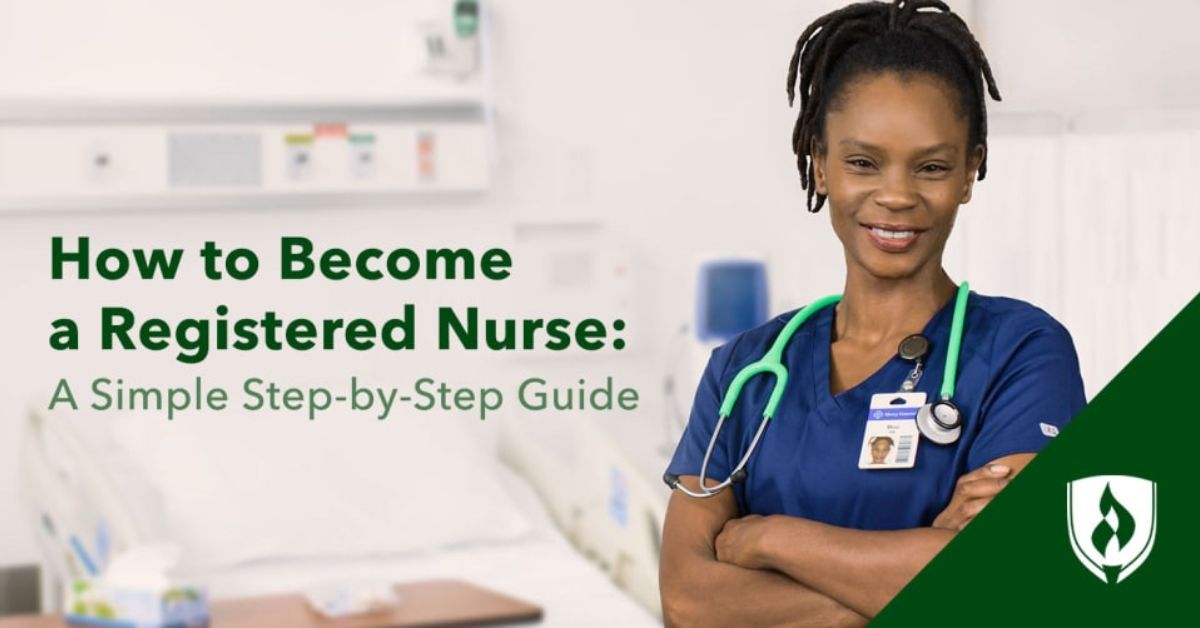
Choosing a career as a Registered Nurse is a decision rooted in purpose, stability, and service. Nurses are essential members of healthcare teams, providing direct patient care, coordinating treatment plans, educating families, and advocating for individuals during some of the most vulnerable moments of their lives.
If you’re considering this path, one of the first questions you’ll likely ask is:
In This Article
What education do you need to become a Registered Nurse?
The answer involves more than simply earning a degree. Becoming an RN requires formal education, hands-on clinical experience, passing a national licensing exam, and meeting state requirements. There are also multiple educational pathways, each with different timelines, costs, and long-term career implications.
This guide walks you through everything you need to know, including:
- Required degrees for Registered Nurses
- Associate vs Bachelor programs
- Accelerated nursing pathways
- Clinical training requirements
- Licensing exams
- State licensure
- Continuing education
- Career advancement options
Whether you’re a high school graduate, career changer, or healthcare assistant looking to advance, this article will help you understand the full educational journey to becoming an RN.
What Does a Registered Nurse Do?
Before diving into education requirements, it helps to understand the scope of the RN role.
Registered Nurses perform a wide range of responsibilities, including:
- Assessing patient conditions
- Monitoring vital signs
- Administering medications
- Assisting with procedures
- Coordinating care with physicians and therapists
- Educating patients and families
- Documenting medical records
- Advocating for patient safety
RNs work in hospitals, clinics, schools, long-term care facilities, home health agencies, public health departments, and corporate healthcare environments.
The profession requires technical skill, emotional intelligence, critical thinking, and strong communication.
Overview: Educational Pathways to Become a Registered Nurse
There are three main academic routes to becoming a Registered Nurse:
- Associate Degree in Nursing (ADN)
- Bachelor of Science in Nursing (BSN)
- Accelerated Bachelor of Science in Nursing (ABSN)
Each pathway qualifies graduates to sit for the RN licensing exam.
Let’s explore them in detail.
Associate Degree in Nursing (ADN)
An Associate Degree in Nursing is typically offered through community colleges or technical schools and takes about two years to complete.
Curriculum Overview
ADN programs focus heavily on clinical fundamentals and practical skills. Coursework usually includes:
- Anatomy and physiology
- Microbiology
- Pharmacology
- Fundamentals of nursing
- Adult health nursing
- Mental health nursing
- Maternal and pediatric care
- Clinical rotations
Students spend a significant portion of time in healthcare settings practicing under supervision.
Advantages of an ADN
- Shorter program length
- Lower tuition costs
- Faster entry into the workforce
- Widely available
Limitations of an ADN
- Fewer leadership opportunities
- Limited access to specialty roles
- Some hospitals prefer BSN-prepared nurses
- Graduate education usually requires a BSN
ADN graduates become Registered Nurses after passing the licensing exam. Many later enroll in RN-to-BSN bridge programs to expand career options.
Bachelor of Science in Nursing (BSN)
A Bachelor of Science in Nursing is a four-year degree offered by colleges and universities.
What Makes BSN Different?
In addition to core nursing skills, BSN programs include broader coursework such as:
- Nursing leadership and management
- Public and community health
- Research and evidence-based practice
- Nursing informatics
- Healthcare policy
- Population health
This expanded curriculum prepares nurses for complex clinical environments and leadership responsibilities.
Benefits of a BSN Degree
- Higher employment competitiveness
- Greater earning potential
- Eligibility for leadership roles
- Preparation for graduate education
- Expanded clinical knowledge
Many healthcare systems now prefer or require BSN-prepared nurses due to research linking BSN education with improved patient outcomes.
Accelerated BSN Programs
Accelerated Bachelor of Science in Nursing (ABSN) programs are designed for individuals who already hold a bachelor’s degree in another field and want to transition into nursing. These programs offer a fast, focused pathway into healthcare by building on prior academic experience and concentrating solely on nursing education.
Unlike traditional four-year BSN programs, Accelerated BSN programs typically take between 12 and 24 months to complete. Because general education requirements are usually waived, students move directly into core nursing coursework and clinical training. This compressed format makes ABSN programs intensive, requiring strong time management, discipline, and commitment.
Key Features of Accelerated BSN Programs
- Program length ranges from 12 to 24 months
- Fast-paced and academically demanding
- Coursework focuses exclusively on nursing topics
- Includes extensive clinical rotations
- Ideal for career changers with previous degrees
Students in accelerated programs cover the same material as traditional BSN students but in a shorter timeframe. Classes often run year-round, including summers, and clinical hours are scheduled frequently to ensure graduates meet licensing requirements.
Accelerated BSN programs attract individuals from diverse backgrounds, including business, education, psychology, biology, and social sciences. Many students are motivated by a desire for meaningful work, job stability, or a calling to serve others through healthcare.
What to Expect Academically
ABSN students typically study subjects such as:
- Anatomy and physiology
- Pharmacology
- Medical-surgical nursing
- Pediatric and maternal health
- Mental health nursing
- Community health
- Nursing leadership
Because of the pace, students often describe accelerated programs as immersive. It’s common to spend long hours studying, attending labs, and completing clinical assignments. Outside employment can be challenging during this period, so financial planning is important before enrolling.
Benefits of Accelerated BSN Programs
Accelerated programs allow motivated individuals to enter the nursing workforce quickly while earning a bachelor’s degree. Graduates are eligible to take the RN licensing exam and enjoy the same career opportunities as traditional BSN graduates. This includes access to hospital positions, specialty areas, leadership tracks, and graduate education.
Another advantage is the maturity and life experience many students bring into the program. Career changers often have strong communication skills, professionalism, and adaptability, which can be valuable assets in clinical settings.
Is an Accelerated BSN Right for You?
An ABSN may be a good fit if you already have a degree, learn well in fast-paced environments, and are ready for an intensive academic experience. While demanding, these programs offer an efficient route into nursing and provide a strong foundation for long-term career growth.
For those seeking a meaningful career change with solid employment prospects, Accelerated BSN programs can be a powerful stepping stone into the nursing profession. are popular among professionals transitioning into healthcare from business, education, or science backgrounds.
Importance of Program Accreditation
Regardless of the educational pathway you choose, accreditation is critical.
Attending an accredited nursing program ensures:
- Quality educational standards
- Eligibility for financial aid
- Approval to take the RN licensing exam
- Recognition by employers
Always verify accreditation before enrolling. Without it, your degree may not qualify you for licensure.
Clinical Training Requirements
Nursing education goes far beyond classroom learning.
Clinical training is a mandatory component of all RN programs.
What Clinical Rotations Include
Students gain hands-on experience in settings such as:
- Medical-surgical units
- Emergency departments
- Pediatrics
- Obstetrics
- Mental health facilities
- Community clinics
Clinical hours allow students to:
- Practice patient assessments
- Administer medications
- Develop communication skills
- Learn documentation
- Apply theoretical knowledge
These experiences build confidence, clinical judgment, and professional behavior.
Clinical training is often the most transformative part of nursing education.
Passing the RN Licensing Exam
After completing an accredited nursing program, graduates must pass the national RN licensing exam.
Purpose of the Exam
The exam evaluates whether candidates are prepared for safe entry-level nursing practice.
Major Content Areas
- Safe and effective care environments
- Health promotion and maintenance
- Psychosocial integrity
- Physiological integrity
The exam uses computerized adaptive testing, meaning question difficulty adjusts based on performance.
Passing this exam is required in every U.S. state to become a Registered Nurse.
State Licensure Requirements
Once you pass the licensing exam, you must apply for licensure through your state nursing board.
Typical requirements include:
- Proof of education
- Background check
- Fingerprinting
- Application fees
Some states participate in multi-state licensure agreements, allowing nurses to practice across state lines.
Licenses must be renewed periodically and often require continuing education credits.
Continuing Education for Registered Nurses
Becoming a Registered Nurse is not the end of learning.
Most states require ongoing education to maintain licensure.
Continuing education keeps nurses current on:
- Clinical guidelines
- Medical advancements
- Patient safety standards
- Emerging technologies
Many nurses pursue certifications in specialties such as critical care, oncology, pediatrics, or emergency nursing.
Lifelong learning is a cornerstone of professional nursing practice.
ADN vs BSN: Which Path Is Right for You?
Choosing between ADN and BSN depends on several factors:
Choose ADN If:
- You want faster workforce entry
- You need lower tuition costs
- You plan to bridge to BSN later
Choose BSN If:
- You want long-term career flexibility
- You aim for leadership roles
- You plan graduate education
- You want higher earning potential
Many nurses start with an ADN and later complete an RN-to-BSN program while working.
There is no wrong path, only what fits your goals and circumstances.
How Long Does It Take to Become a Registered Nurse?
Timeline varies by pathway:
- ADN: about 2 years
- BSN: about 4 years
- Accelerated BSN: 12–24 months
- RN-to-BSN: 1–2 years
After graduation, exam preparation and licensing may take several additional months.
Overall, most people become RNs within two to four years.
Skills Developed During Nursing Education
Beyond academic knowledge, nursing programs develop essential professional skills:
- Critical thinking
- Clinical judgment
- Time management
- Emotional intelligence
- Communication
- Team collaboration
- Ethical decision-making
These skills are as important as technical abilities and are refined through clinical experience.
Advanced Education Options After Becoming an RN
Many Registered Nurses continue their education to expand career opportunities.
Master of Science in Nursing (MSN)
Prepares nurses for roles such as:
- Nurse practitioner
- Nurse educator
- Clinical nurse specialist
- Nurse administrator
Doctor of Nursing Practice (DNP)
Focuses on advanced clinical practice and healthcare leadership.
PhD in Nursing
Prepares nurses for research and academic careers.
Advanced degrees increase autonomy, earning potential, and professional influence.
Financial Considerations
Nursing education costs vary depending on:
- Institution type
- Program length
- Location
Community colleges are generally more affordable than universities.
Financial aid options may include:
- Scholarships
- Grants
- Student loans
- Employer tuition assistance
Although nursing education requires investment, strong job demand makes it a financially stable career choice.
Job Outlook for Registered Nurses
Demand for Registered Nurses continues to grow due to:
- Aging populations
- Chronic disease prevalence
- Healthcare expansion
- Workforce retirements
RNs enjoy flexibility in work settings, schedules, and specialties.
Nursing offers job security, mobility, and meaningful impact.
Frequently Asked Questions
Can you become a Registered Nurse without college?
No. A formal nursing degree from an accredited program is required.
Is nursing school difficult?
Yes, nursing school is academically and emotionally demanding. However, with dedication and support, students succeed.
Can you work while in nursing school?
Some students work part-time, but balancing employment with clinical demands can be challenging.
Do hospitals require BSN?
Many hospitals prefer BSN-prepared nurses, though ADN nurses are still widely employed.
Must Read:
- 10 Tips for Making the Most of Clinical Rotations
- How Do Camp Nurses Ensure Child Safety? A Complete Guide to Health, Prevention, and Protection at Camp
- Long Shifts and Nurses Wrist Health: Tips for Relief
Final Thoughts:
So, what education do you need to become a Registered Nurse?
At minimum, you must complete an accredited nursing program, either an Associate Degree in Nursing or a Bachelor of Science in Nursing. After graduation, you must pass the national licensing exam and meet state licensure requirements.
From there, continuing education and advanced degrees open doors to leadership, specialization, and higher earning potential.
Becoming a Registered Nurse requires dedication, discipline, and compassion. But the reward is a career built on service, stability, and lifelong growth.
If you’re ready to commit to the journey, nursing offers not just employment, but purpose.