

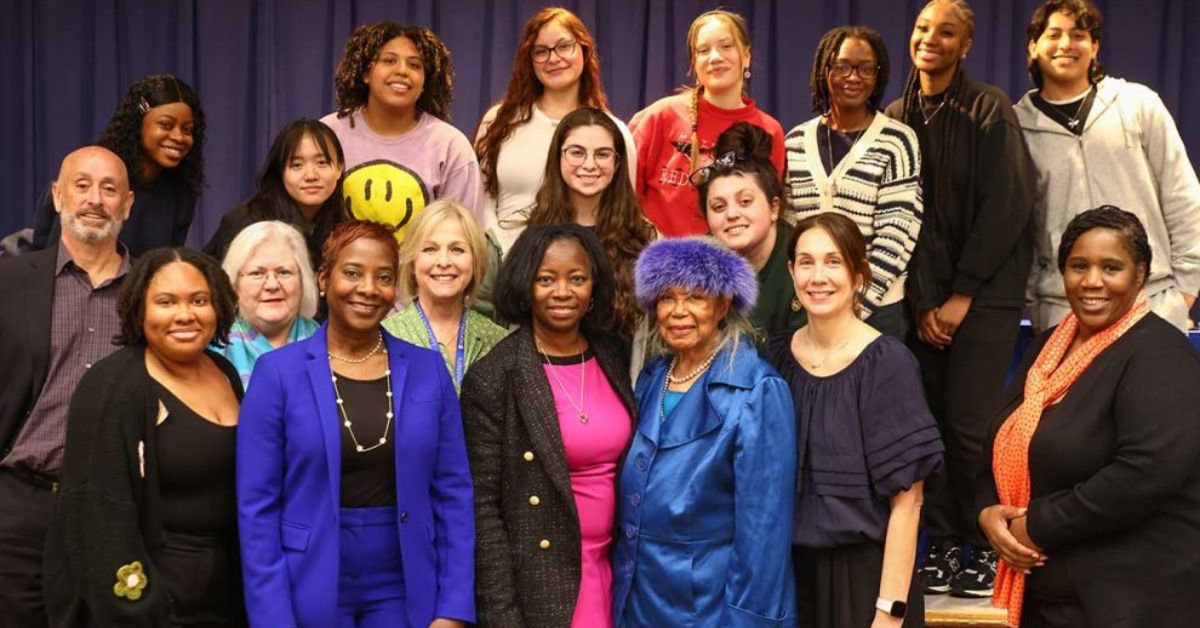
The story of “The Black Angels” is one of courage, compassion, and quiet heroism. These were African American nurses who stepped forward during one of the most feared public health crises in American history, risking their lives to care for patients when many others refused. Their legacy is not just about nursing. It is about dignity, equality, and the power of service in the face of fear.
At a time when racial segregation defined much of society, these nurses crossed barriers of prejudice to deliver care where it was needed most. Their work changed how the world viewed both disease and the people who treated it. More importantly, they helped shift public perception about African American healthcare professionals and their role in shaping modern medicine.
This article explores the history, challenges, contributions, and lasting impact of The Black Angels. It is a detailed, human-centred account designed to inform, inspire, and honour the nurses who transformed healthcare and left a mark on history that still resonates today.
In This Article
Who Were The Black Angels?
The Black Angels were a group of African American nurses recruited in the early 20th century to treat patients suffering from tuberculosis, one of the deadliest infectious diseases of the time. Their work became particularly significant at the Sea View Hospital in Staten Island, New York.
Tuberculosis, often called “consumption,” was highly contagious and carried a strong stigma. Many nurses, particularly white nurses, refused to work in tuberculosis wards due to fear of infection. As a result, hospitals faced a severe staffing crisis.
To address this, hospitals began recruiting Black nurses, who were often denied opportunities elsewhere due to segregation and discrimination. These nurses accepted the challenge and became known as “The Black Angels” because of their dedication and the life-saving care they provided.
The Tuberculosis Crisis in America
A Deadly Epidemic
In the early 1900s, tuberculosis was a leading cause of death in the United States. It spread through the air, making it difficult to control in crowded cities.
Key facts about tuberculosis during that era:
- It caused thousands of deaths annually
- There was no effective antibiotic treatment
- Patients were often isolated in sanatoriums
- Fear and stigma surrounded the disease
The scale of the crisis overwhelmed hospitals, creating a desperate need for healthcare workers willing to treat infected patients.
Social Stigma and Fear
Tuberculosis was not just a medical issue. It was a social crisis. Patients were often isolated from families and communities. Healthcare workers who treated them were sometimes avoided or even ostracised.
This environment made the work of The Black Angels even more significant. They stepped into roles that others refused, bringing humanity and care to those who were often abandoned.
The Role of Sea View Hospital
A Centre for Treatment and Innovation

Sea View Hospital was one of the largest tuberculosis hospitals in the United States. It became a critical centre for treatment, research, and patient care.
The hospital’s conditions were challenging:
- Overcrowded wards
- Limited medical technology
- High mortality rates
- Constant exposure to infection
Despite these conditions, The Black Angels provided consistent and compassionate care.
A Turning Point in Medical History
Sea View Hospital later became the site of groundbreaking medical research, including early trials of antibiotic treatments that would eventually help control tuberculosis.
The presence and dedication of The Black Angels played a crucial role in maintaining patient care during this transformative period.
Why Black Nurses Were Recruited
Racial Inequality in Healthcare
At the time, African American nurses faced significant discrimination:
- Limited access to nursing schools
- Few employment opportunities
- Segregated healthcare systems
Despite their qualifications, many Black nurses struggled to find work in mainstream hospitals.
Opportunity Amid Adversity
When tuberculosis wards needed staff, hospitals turned to Black nurses. While this decision was rooted in systemic inequality, it also created an opportunity.
The Black Angels used this opportunity to:
- Demonstrate professional excellence
- Break racial barriers
- Establish a reputation for dedication and skill
Their work challenged stereotypes and proved that talent and compassion transcend race.
Daily Life of The Black Angels
Working in High-Risk Conditions
The nurses worked long hours under constant threat of infection. Protective equipment was minimal compared to modern standards.
Their daily responsibilities included:
- Administering treatments
- Monitoring patient conditions
- Providing emotional support
- Maintaining hygiene and sanitation
Despite the risks, they remained committed to their patients.
Emotional Strength and Compassion
Beyond medical care, The Black Angels provided emotional support to patients who were often isolated and fearful.
They built relationships, offered comfort, and treated patients with dignity. This human connection was a vital part of the healing process.
The Impact on Patient Care
Improving Survival and Morale
The presence of dedicated nurses improved both patient outcomes and morale.
Patients benefited from:
- Consistent care
- Emotional support
- Better hygiene practices
These factors contributed to improved recovery rates and a more humane treatment environment.
Redefining Nursing Excellence
The Black Angels set a new standard for nursing care. Their work demonstrated that compassion and commitment are as important as medical knowledge.
They helped redefine what it means to be a nurse, emphasising empathy alongside expertise.
Breaking Barriers in Healthcare
Challenging Segregation
The success of The Black Angels challenged the prevailing racial norms in healthcare.
Their contributions highlighted:
- The importance of diversity in healthcare
- The need for equal opportunities
- The value of inclusion in medical teams
Opening Doors for Future Generations
Their legacy paved the way for future African American healthcare professionals.
Today, their impact can be seen in:
- Increased diversity in nursing
- Greater recognition of minority contributions
- Continued efforts toward equality in healthcare
Medical Advancements and Their Role
Supporting Groundbreaking Research

The work of The Black Angels coincided with significant medical advancements, including the development of antibiotics like Streptomycin.
Their role in patient care allowed researchers to:
- Conduct clinical trials
- Monitor treatment effectiveness
- Improve medical protocols
Bridging Care and Science
The Black Angels were not just caregivers. They were essential to the success of medical research.
Their meticulous care ensured that patients received treatments consistently, which was critical for scientific progress.
Recognition and Historical Oversight
A Forgotten Legacy
For many years, the contributions of The Black Angels were largely overlooked.
Reasons for this include:
- Racial bias in historical records
- Limited documentation
- Lack of recognition in mainstream narratives
Modern Recognition
In recent years, efforts have been made to honour their contributions.
Books, documentaries, and exhibitions have brought their story to light, ensuring that their legacy is preserved for future generations.
Lessons from The Black Angels
Courage in the Face of Fear
The Black Angels demonstrated extraordinary courage by working in high-risk environments.
Their example teaches us:
- The importance of stepping up in times of crisis
- The value of selfless service
- The impact of individual actions on society
Compassion as a Core Value
Their work emphasised the importance of compassion in healthcare.
Key lessons include:
- Treat patients with dignity
- Provide emotional as well as physical care
- Build trust through empathy
The Evolution of Nursing Since Their Time
Advances in Medical Technology
Modern healthcare has evolved significantly:
- Advanced diagnostic tools
- Effective medications
- Improved infection control
These advancements have made nursing safer and more efficient.
Continued Challenges
Despite progress, challenges remain:
- Workforce shortages
- Health disparities
- Ongoing need for diversity
The legacy of The Black Angels continues to inspire solutions to these challenges.
Cultural and Social Impact
Changing Perceptions
The work of The Black Angels helped change how society viewed both disease and race.
They demonstrated that:
- Skill and dedication matter more than background
- Healthcare is a universal responsibility
- Equality improves outcomes for الجميع
Inspiring Future Generations
Their story continues to inspire:
- Nurses
- Healthcare workers
- Social justice advocates
Their legacy serves as a reminder that change is possible through dedication and courage.
Key Contributions of The Black Angels
Summary List
- Provided critical care during a major health crisis
- Improved patient outcomes and morale
- Supported medical research and innovation
- Challenged racial discrimination in healthcare
- Inspired future generations of nurses
Table: Then vs Now in Nursing
| Aspect | Early 1900s (Black Angels Era) | Modern Nursing |
|---|---|---|
| Infection Control | Limited | Advanced protocols |
| Treatment Options | Minimal | Wide range of medications |
| Working Conditions | High risk | Improved safety standards |
| Diversity | Restricted | Increasing inclusion |
| Recognition | Limited | Growing acknowledgment |
Why Their Story Matters Today?
The story of The Black Angels is more relevant than ever. In times of global health challenges, their example reminds us of the importance of resilience, compassion, and equality.
Healthcare systems around the world continue to rely on the dedication of nurses. The lessons from The Black Angels provide a foundation for building a more inclusive and effective healthcare system.
Final Thoughts:
The Black Angels were more than nurses. They were pioneers, caregivers, and agents of change. Their work during the tuberculosis crisis saved lives, advanced medical science, and challenged societal norms.
Their legacy is a powerful reminder that true impact often comes from those who step forward when others step back. They showed that courage and compassion can transform not only individual lives but entire systems.
As we look to the future of healthcare, the story of The Black Angels continues to inspire. It encourages us to value diversity, embrace compassion, and recognise the contributions of those who have shaped history through their dedication and service.
Must Read:
- Your Path to Impact: How to Become a Diabetes Nurse Educator
- Do’s and Don’ts: Writing a Nurse Resignation Letter
- From RN to IBCLC: How To Become a Lactation Consultant
FAQs:
1. Who were The Black Angels?
The Black Angels were African American nurses who cared for tuberculosis patients when many others refused, particularly at Sea View Hospital.
2. Why were they called The Black Angels?
They earned this name due to their compassionate care and willingness to work in dangerous conditions.
3. What challenges did they face?
They faced racial discrimination, high infection risk, and difficult working conditions.
4. What impact did they have on healthcare?
They improved patient care, supported medical research, and helped break racial barriers in nursing.
5. Why is their story important today?
Their story highlights the importance of courage, equality, and compassion in healthcare.
6. How are they remembered today?
Their contributions are now recognised through books, documentaries, and historical research.