

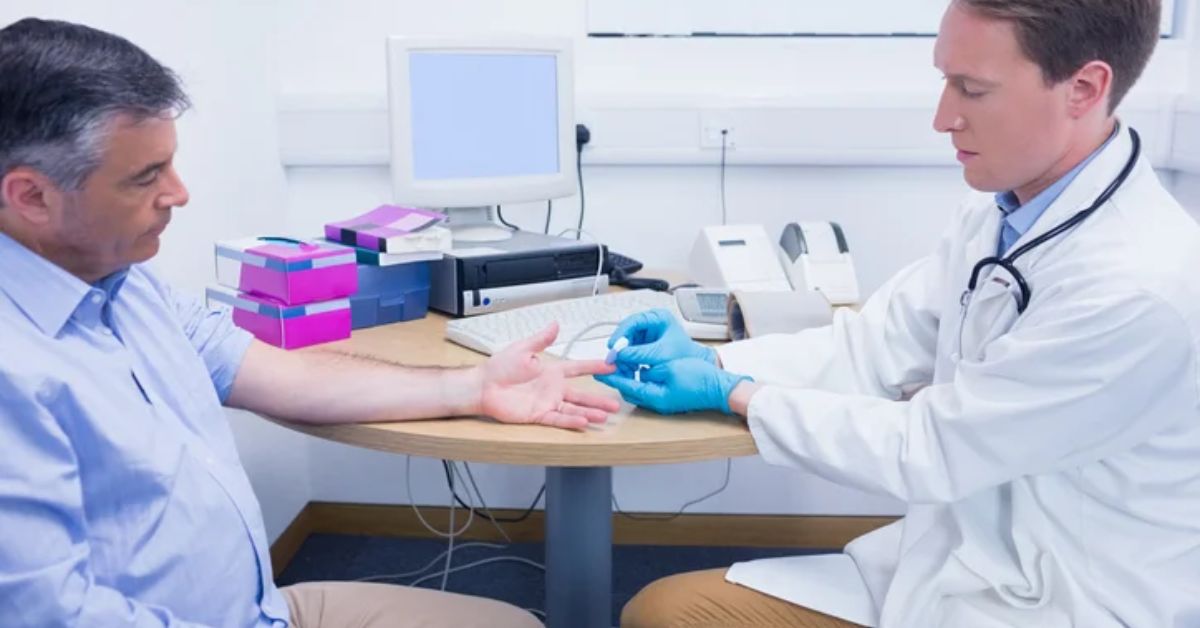
Diabetes is one of the most widespread chronic conditions in the world, affecting millions of people across all age groups. Managing diabetes requires more than just medication—it involves education, lifestyle changes, continuous monitoring, and strong patient support. This is where diabetes nurse educators play a critical role. They help patients understand their condition, manage their health effectively, and improve their quality of life.
For registered nurses who are passionate about patient education, chronic disease management, and long-term care, becoming a diabetes nurse educator can be a highly rewarding career path. This role combines clinical expertise with teaching, counseling, and advocacy, making it both impactful and fulfilling.
This comprehensive guide explains everything you need to know about becoming a diabetes nurse educator, including education requirements, certification, skills, responsibilities, salary, and career growth opportunities.
In This Article
What Is a Diabetes Nurse Educator?
A diabetes nurse educator is a registered nurse who specializes in educating patients about diabetes management. These professionals work closely with individuals diagnosed with diabetes to help them understand their condition and make informed decisions about their health.
Their responsibilities include:
- Teaching patients how to monitor blood sugar levels
- Explaining medication and insulin use
- Providing guidance on diet and nutrition
- Supporting lifestyle changes such as exercise and weight management
- Helping patients prevent complications
Diabetes nurse educators also work with families and caregivers to ensure patients receive comprehensive support.
Why Choose a Career as a Diabetes Nurse Educator?
Many nurses choose to become diabetes nurse educators because this role offers the opportunity to make a meaningful and lasting impact on patients’ lives. Unlike fast-paced hospital settings that focus on immediate treatment, this specialty emphasizes long-term care, education, and prevention. It allows nurses to guide patients through their health journey and support them in managing a chronic condition effectively.
Meaningful Patient Relationships
One of the most rewarding aspects of this career is the ability to build strong, ongoing relationships with patients. Diabetes management requires continuous monitoring and lifestyle adjustments, which means educators often work with the same patients over time. This ongoing interaction helps nurses understand individual challenges and provide personalized support, creating a deeper level of trust and connection.
Focus on Prevention
Diabetes nurse educators play a key role in preventing serious health complications. By teaching patients about blood sugar control, healthy eating, and lifestyle changes, they help reduce the risk of conditions such as heart disease, kidney damage, and nerve problems. This preventive approach improves patient outcomes and enhances overall quality of life.
Career Stability
As diabetes cases continue to rise globally, the demand for skilled educators is steadily increasing. This creates strong job stability and long-term career opportunities for nurses who choose this specialized field.
Educational Requirements
To become a diabetes nurse educator, candidates must meet a combination of educational and professional requirements. This ensures they have the clinical knowledge and practical experience needed to guide patients in managing a complex, long-term condition like diabetes. Building a strong foundation in nursing is the first step toward entering this specialized field.
Earn a Nursing Degree
The journey begins with completing an accredited nursing program. Aspiring diabetes nurse educators can choose between an Associate Degree in Nursing (ADN) or a Bachelor of Science in Nursing (BSN). While both pathways allow entry into the nursing profession, many employers prefer candidates with a BSN degree because it provides more advanced training in patient care, critical thinking, and healthcare management. A strong educational background prepares nurses to handle the complexities of diabetes education effectively.
Obtain RN Licensure
After completing a nursing degree, candidates must pass the NCLEX-RN exam to become licensed registered nurses. RN licensure is essential, as it confirms that the nurse meets national standards for safe and competent practice. Without this license, nurses cannot work professionally or pursue specialized roles.
Gain Clinical Experience
Clinical experience is a crucial requirement for becoming a diabetes nurse educator. Most certification programs require hands-on experience in relevant healthcare settings. Areas such as endocrinology, internal medicine, primary care, and community health provide valuable exposure to patients managing diabetes and related conditions. This experience helps nurses understand patient needs and develop effective education strategies.
Certification for Diabetes Nurse Educators
Although certification is not always required to work as a diabetes nurse educator, it plays a major role in building credibility and expanding career opportunities. Earning a recognized certification shows that a nurse has advanced knowledge and practical expertise in diabetes care and patient education. It can also increase job prospects, earning potential, and professional recognition in the healthcare field.
Certified Diabetes Care and Education Specialist (CDCES)
The most widely recognized credential in this field is the Certified Diabetes Care and Education Specialist (CDCES) certification. This certification is designed for healthcare professionals who specialize in helping individuals manage diabetes through education, lifestyle guidance, and ongoing support.
To qualify for the CDCES certification, candidates typically need to meet several requirements. These include holding an active registered nurse (RN) license, gaining relevant clinical experience in diabetes care, and completing a specific number of hours providing diabetes education. These requirements ensure that candidates have both the theoretical knowledge and hands-on experience needed for this specialized role.
After meeting the eligibility criteria, candidates must pass a certification exam that evaluates their understanding of diabetes management, patient education techniques, and clinical care practices. Successfully passing the exam demonstrates a high level of expertise and commitment to professional excellence.
Obtaining the CDCES credential not only strengthens a nurse’s qualifications but also reflects a dedication to improving patient outcomes and promoting effective diabetes management.
Key Responsibilities of a Diabetes Nurse Educator
Diabetes nurse educators play a vital and multifaceted role in helping patients manage a lifelong condition. Their work goes beyond basic clinical care, focusing on education, support, and long-term health improvement. By guiding patients through daily management and lifestyle changes, they help reduce complications and improve overall quality of life.
Patient Education
One of the primary responsibilities is educating patients about diabetes management. This includes teaching how to monitor blood glucose levels, understand medications and insulin use, and adopt healthy lifestyle habits. Educators simplify complex medical information so patients can confidently manage their condition at home.
Care Planning
Diabetes nurse educators develop personalized care plans tailored to each patient’s needs. These plans consider factors such as age, medical history, lifestyle, and personal goals. Individualized care ensures that patients receive practical and achievable guidance for managing their health.
Monitoring Progress
Tracking patient progress is another key responsibility. Educators regularly review blood sugar levels, dietary habits, and treatment outcomes. Based on this information, they adjust care plans and provide updated recommendations to improve results.
Emotional Support
Living with diabetes can be physically and emotionally challenging. Nurse educators provide encouragement, motivation, and reassurance to help patients stay committed to their treatment plans. Their support helps build confidence and promotes long-term success in managing th
Skills Required for Diabetes Nurse Educators
To succeed as a diabetes nurse educator, professionals need a strong mix of clinical expertise and interpersonal skills. This role involves not only understanding a complex medical condition but also guiding patients through lifestyle changes and long-term management. Developing these key skills helps educators provide effective, patient-centered care.
Clinical Knowledge
A solid understanding of diabetes is essential. Educators must be familiar with blood glucose regulation, medications, insulin therapy, and potential complications such as cardiovascular issues or nerve damage. Strong clinical knowledge allows them to provide accurate, evidence-based guidance and respond confidently to patient concerns.
Communication Skills
Clear and effective communication is one of the most important skills in this role. Diabetes nurse educators must explain medical information in a way that is easy for patients to understand. Whether teaching how to use a glucose monitor or explaining dietary changes, simple and clear communication helps patients feel more confident in managing their condition.
Empathy
Empathy plays a crucial role in patient care. Living with diabetes can be overwhelming, and patients may feel stressed or discouraged. Showing understanding and compassion helps build trust and encourages patients to stay engaged in their care plans.
Problem-Solving
Every patient’s situation is different, and diabetes management often requires personalized solutions. Strong problem-solving skills help educators assess challenges and provide practical, tailored strategies that fit each patient’s lifestyle and needs.
Work Environment
Diabetes nurse educators work in various healthcare settings.
Common workplaces include:
- Hospitals
- Outpatient clinics
- Community health centers
- Private practices
- Telehealth services
Some educators also work in research or public health organizations.
Salary and Job Outlook
The salary of a diabetes nurse educator varies based on experience, location, and workplace.
Average salary ranges include:
- Entry-level: $65,000–$80,000 per year
- Experienced: $85,000–$100,000 per year
The demand for diabetes educators is expected to grow as the number of diabetes cases increases worldwide.
Benefits of Becoming a Diabetes Nurse Educator
Choosing to become a diabetes nurse educator offers several meaningful personal and professional benefits. This role allows nurses to move beyond routine clinical care and make a lasting difference in patients’ lives through education, support, and prevention.
Impactful Work
One of the most rewarding aspects of this career is the ability to make a real impact. Diabetes nurse educators help patients understand their condition, manage their health, and prevent serious complications. By guiding individuals toward healthier lifestyles and better disease control, they directly improve patients’ quality of life and long-term outcomes.
Career Growth
This specialty also provides strong opportunities for career advancement. Experienced diabetes nurse educators can move into leadership roles, become program coordinators, or work in education and training. Some may also pursue research or contribute to public health initiatives focused on diabetes prevention and management.
Work-Life Balance
Compared to traditional hospital roles, many diabetes education positions offer more stable and predictable schedules. Nurses working in outpatient clinics, community health programs, or telehealth services often have regular working hours. This improved work-life balance makes the role appealing for those seeking a less demanding schedule while still contributing meaningfully to healthcare.
Challenges of the Role
Working as a diabetes nurse educator is highly rewarding, but it also comes with several challenges that require patience, adaptability, and continuous effort. Since this role focuses on long-term patient care and lifestyle management, educators must be prepared to handle both clinical and emotional demands on a regular basis.
Patient Compliance
One of the biggest challenges is ensuring patient compliance. Managing diabetes often requires significant lifestyle changes, including diet control, regular exercise, medication adherence, and blood sugar monitoring. Some patients may struggle to follow these recommendations consistently due to personal habits, lack of motivation, or limited understanding. Educators must find ways to encourage and support patients without being forceful, which can sometimes be difficult.
Emotional Demands
The role can also be emotionally challenging. Diabetes is a lifelong condition, and many patients experience frustration, anxiety, or stress while managing it. Diabetes nurse educators often provide emotional support and reassurance, helping patients stay positive and committed to their care plans. Handling these emotions regularly can be mentally demanding.
Continuous Learning
Another important challenge is the need for ongoing education. Diabetes care is constantly evolving with new treatments, technologies, and research findings. Educators must stay updated with the latest guidelines and best practices to provide accurate and effective care, which requires continuous learning and professional development.
Steps to Become a Diabetes Nurse Educator
- Earn a nursing degree
- Obtain RN licensure
- Gain relevant clinical experience
- Complete diabetes education hours
- Obtain certification
- Apply for specialized roles
Tips for Success
- Stay updated on diabetes research
- Develop strong communication skills
- Build patient relationships
- Seek mentorship
- Focus on patient-centered care
Future Opportunities
The field of diabetes education offers strong potential for career growth and advancement. As healthcare systems continue to focus on chronic disease management and prevention, diabetes nurse educators have access to a variety of evolving roles.
Clinical Leadership
Experienced professionals can move into leadership positions, managing diabetes education programs, supervising teams, and improving patient care strategies within healthcare organizations.
Public Health Advocacy
Diabetes nurse educators can also work in public health, promoting awareness, prevention programs, and community education initiatives aimed at reducing the impact of diabetes on larger populations.
Research
Some educators choose to contribute to medical research, helping develop new treatment approaches, educational methods, and strategies to improve patient outcomes.
Telehealth Services
With the rise of digital healthcare, telehealth has become a growing opportunity. Educators can provide virtual consultations, making diabetes care more accessible to patients in remote or underserved areas.
Importance of Diabetes Education
Diabetes education plays a vital role in effective disease management. When patients understand their condition, they are better equipped to make informed decisions about their health. Education helps individuals learn how to monitor blood sugar levels, follow proper medication routines, and adopt healthy lifestyle habits. It also increases awareness about potential complications and how to prevent them. With proper guidance, patients gain confidence and take greater responsibility for their care. This leads to improved health outcomes, fewer hospital visits, and a better quality of life for individuals living with diabetes.
Must Read:
- Do’s and Don’ts: Writing a Nurse Resignation Letter
- From Nursing to Perfusion: How to Become a Cardiovascular Perfusionist
- From RN to IBCLC: How To Become a Lactation Consultant
Conclusion:
Becoming a diabetes nurse educator is a meaningful and impactful career choice. It allows nurses to combine clinical expertise with education and patient support.
With the growing need for diabetes care, this role offers strong career opportunities and the chance to make a lasting difference in patients’ lives.
By following the right steps and developing essential skills, nurses can build a successful and rewarding career in diabetes education.