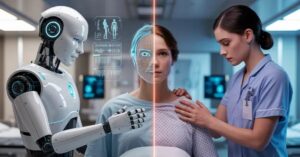


Nursing in the United States continues to change at a rapid pace. By 2026, nurses are expected to balance advanced technology, higher patient expectations, staffing shortages, and their own wellbeing more than ever before. The role of a nurse today goes far beyond bedside care. It includes clinical judgement, digital literacy, leadership, communication, and lifelong learning. This guide is created to support U.S. nurses at every career stage with practical, realistic, and trustworthy information.
The ForTheNurse blog community focuses on real-world nursing needs. This guide brings together career advice, trusted resources, professional development tips, and wellbeing strategies in one place. Whether you are a newly licensed RN, an experienced bedside nurse, an advanced practice nurse, or someone planning a career shift, this guide is designed to help you move forward with clarity and confidence.
Instead of overwhelming theory, this article focuses on usable knowledge. Every section is written to help you make informed decisions, avoid common mistakes, and plan a sustainable nursing career in 2026 and beyond.
In This Article
The Nursing Landscape in the U.S. Today
Healthcare delivery in the U.S. is under pressure, and nurses remain at the centre of care. Staffing challenges, rising patient acuity, and administrative demands continue to affect daily work. At the same time, nurses have more opportunities than ever to shape their careers through specialisation, advanced practice, and flexible work models.
Technology now plays a daily role in nursing practice. Electronic health records, telehealth platforms, clinical decision tools, and remote monitoring devices are part of routine care. Employers increasingly value nurses who can adapt to new systems while maintaining strong clinical judgement.
Another defining factor in 2026 is the focus on nurse retention and wellbeing. Healthcare organisations are beginning to recognise that supporting nurses is essential for patient safety and system stability. This creates opportunities for nurses who understand their value, advocate for themselves, and plan strategically.
Licensure, Certifications, and Career Pathways
A strong nursing career begins with maintaining proper licensure. Registered nurses must keep their state licence active, understand renewal requirements, and stay aware of Nurse Licensure Compact rules if working across state lines. For travel nurses and per diem professionals, multistate licensure continues to offer flexibility and expanded job options.
Certifications remain one of the most effective ways to increase career mobility and earning potential. Popular options include ACLS, PALS, CCRN, CEN, and specialty-based certifications in areas such as oncology, critical care, informatics, and case management. Choosing the right certification depends on career goals, not trends. Nurses should consider certifications that align with their desired specialty or leadership path.
Career pathways in nursing are no longer linear. Many nurses move between bedside roles, education, management, quality improvement, informatics, and advanced practice. Roles such as nurse practitioner, clinical nurse specialist, nurse educator, and nurse leader continue to grow. Planning ahead by mapping required education, experience, and timelines helps avoid career stagnation.
Continuing Education Strategies That Actually Work
Continuing education is more than a requirement. It is a tool for confidence, safety, and career growth. In 2026, nurses benefit most from focused CE strategies rather than random course selection. Prioritising CE topics that improve daily practice or support future goals leads to better outcomes.
Accredited CE providers, professional nursing associations, and employer-sponsored programmes remain the most reliable sources. Short online modules work well for busy schedules, while hands-on courses build practical confidence. Tracking CE credits using a digital or written log prevents last-minute stress during licence renewal.
Nurses who treat continuing education as an investment rather than an obligation tend to experience stronger career satisfaction and clinical confidence.
Clinical Resources and Point-of-Care Tools
Reliable clinical resources support safe decision-making. Nurses in 2026 increasingly rely on mobile apps and digital tools for medication references, dosage calculations, clinical guidelines, and patient education. These tools save time and reduce errors when used correctly.
Point-of-care resources should support, not replace, nursing judgement. The best tools provide evidence-based guidance while allowing nurses to think critically. Choosing well-reviewed, regularly updated resources is essential. Hospitals and employers often provide access to approved tools, which should be used whenever possible.
Staying organised with a small set of trusted resources is more effective than juggling too many platforms.
Technology, Telehealth, and Digital Nursing Skills
Telehealth has become a permanent part of healthcare delivery. Nurses now play key roles in virtual triage, patient education, chronic condition monitoring, and follow-up care. Strong communication skills, clear documentation, and patient privacy awareness are essential in virtual settings.
Wearable health devices and remote monitoring systems also require nurses to interpret data trends rather than isolated readings. Understanding what data matters and when to escalate concerns is a growing skill set.
Artificial intelligence tools support documentation, scheduling, and clinical insights, but they do not replace professional accountability. Nurses who understand both the benefits and limitations of technology are best positioned for future roles.
Workplace Skills Every Nurse Needs
Clinical knowledge alone is not enough. Communication skills remain critical in preventing errors and improving teamwork. Structured handover methods, clear documentation, and respectful collaboration improve patient outcomes and reduce stress.
Time management is another key skill. Prioritising tasks, clustering care, and setting realistic expectations help nurses manage busy shifts more effectively. Learning when to ask for help is a sign of professionalism, not weakness.
Conflict resolution and boundary setting are increasingly important. Nurses who communicate clearly and assertively protect both patient safety and personal wellbeing.
Career Growth and Job Search Tips
Career growth requires intentional planning. A strong nursing CV highlights measurable outcomes, certifications, and relevant experience. Generic job applications are less effective than targeted ones.
Interview preparation should focus on clinical scenarios, teamwork examples, and problem-solving skills. Using clear examples demonstrates competence and confidence.
Networking also plays a role. Professional associations, continuing education events, and online platforms provide opportunities to connect with mentors and future employers. Nurses who build relationships often access opportunities that never appear on job boards.
Financial Planning and Employment Contracts
Understanding employment contracts is essential in 2026. Nurses should review pay structures, overtime rules, benefits, and termination clauses carefully. Per diem, PRN, and travel roles offer flexibility but require strong financial planning.
Budgeting, emergency funds, and retirement planning support long-term security. Nurses who manage finances proactively experience less stress during career transitions.
Travel Nursing and Flexible Work Options
Travel nursing remains attractive for those seeking higher pay and variety. However, it requires adaptability, strong clinical skills, and careful contract review. Housing arrangements, licensing timelines, and agency reputation matter.
Per diem work suits nurses seeking schedule control without long-term contracts. Understanding the pros and cons of each option helps nurses choose what fits their lifestyle and career stage.
Nurse Wellbeing and Burnout Prevention
Wellbeing is no longer optional. Burnout affects patient safety, job satisfaction, and personal health. Early signs include emotional exhaustion, detachment, and reduced motivation.
Practical strategies include micro-breaks during shifts, realistic scheduling, sleep protection, and clear boundaries. Seeking peer support or professional help is a strength, not a failure.
Organisations increasingly offer wellness resources, but nurses must actively use them. A personalised wellbeing plan helps maintain longevity in the profession.
Leadership, Mentorship, and Professional Influence
Leadership is not limited to job titles. Nurses influence care quality through mentoring, education, and advocacy. Preceptorship roles help develop confidence and professional identity.
Mentorship benefits both mentors and mentees. Sharing experience, offering guidance, and learning from others strengthens the profession as a whole.
Legal, Ethical, and Documentation Essentials
Accurate documentation protects both patients and nurses. Clear, timely, and factual records reduce legal risk and improve continuity of care. Understanding patient confidentiality and reporting responsibilities remains essential.
Protecting a nursing licence requires awareness, integrity, and ongoing education.
Lifelong Learning and Academic Advancement
Academic pathways such as BSN, MSN, DNP, and PhD offer different opportunities. Choosing the right programme depends on career goals, time commitment, and financial planning.
Balancing work and study requires structure and support. Employer tuition assistance and scholarships can reduce financial burden.
Trusted Nursing Resources and Organisations
Professional organisations, licensing boards, accredited CE providers, and nurse advocacy groups remain valuable sources of guidance. Using reputable resources supports safe practice and informed decision-making.
Practical Action Plan for Nurses in 2026
In the next 30 days, nurses should review licences, update CVs, and choose one professional goal. Within 90 days, complete a relevant CE course, strengthen networking, and assess wellbeing. Over the next year, pursue a certification, leadership role, or educational advancement aligned with long-term goals.
Must Read:
- Nursing Career Growth Tips for 2026
- 20 Nurse-Friendly Work Hacks Every Travel
- The Best Scrubs, Shoes & Accessories for Travel Nurses
Final Thoughts:
Nursing in 2026 requires adaptability, resilience, and strategic planning. With the right resources, support, and mindset, nurses can build rewarding and sustainable careers. The ForTheNurse approach focuses on clarity, confidence, and practical action.
By investing in professional growth and personal wellbeing, U.S. nurses can continue to lead, care, and thrive in a changing healthcare landscape.